









The ambitious vision for a premier, on-site Westin hotel at Miami International Airport (MIA) has officially been abandoned. What was once heralded as a cornerstone of the airport’s $14 billion modernization program has succumbed to regulatory hurdles and shifting economic realities. The cancellation marks a significant blow to the airport’s efforts to improve its passenger experience and infrastructure connectivity, leaving travelers with the same limited, aging options that have defined the facility for decades.
The Genesis of a Failed Vision
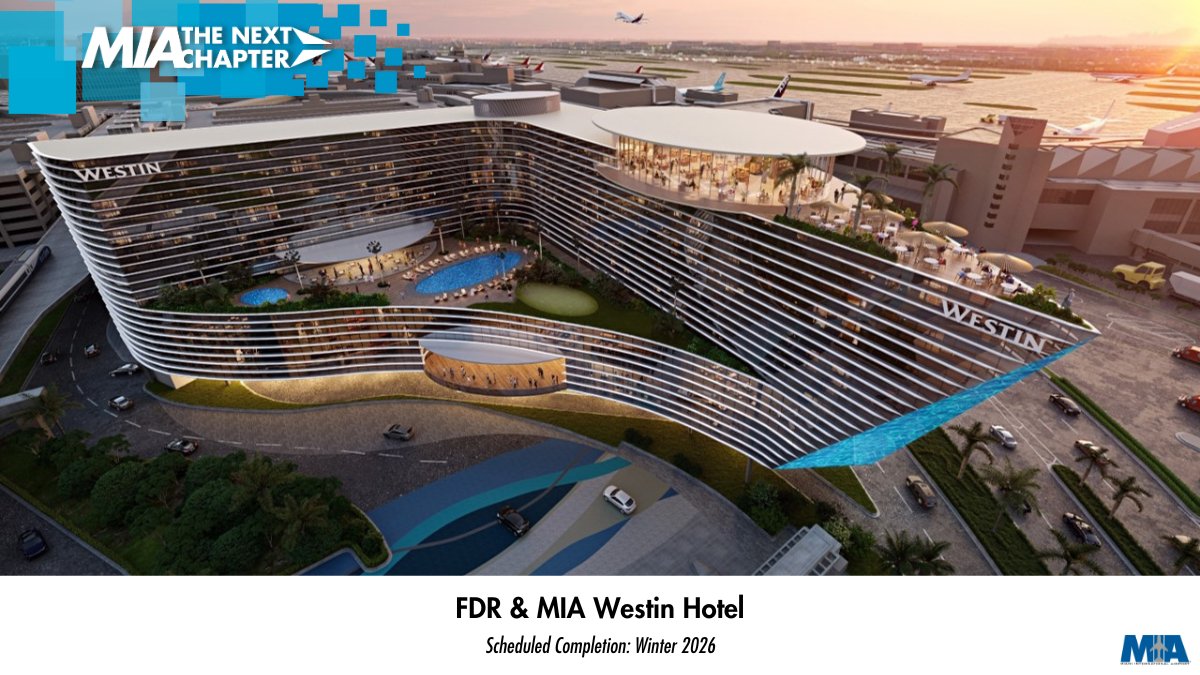
In early 2024, the travel community was optimistic about the announcement of a new 451-key Westin hotel. The project was designed to be directly integrated into the airport terminal, offering travelers seamless access to security checkpoints and boarding gates. It was expected to be a flagship property for Marriott International’s Westin brand, serving as a high-end oasis for both business travelers and international tourists transiting through one of the world’s busiest aviation gateways.
The project was the result of a rigorous, years-long bidding process. The winning developers had entered into a lucrative agreement with Miami-Dade County, promising the airport a significant revenue stream. Under the terms of the deal, the airport stood to receive the greater of either a $2.5 million annual payment or 3.5% of the hotel’s gross annual revenue. This financial model was designed to bolster the airport’s non-aeronautical income while simultaneously upgrading its hospitality footprint.
The Chronology of Regulatory Failure
The project’s downfall was not sudden, but rather the result of a protracted two-year struggle with federal regulators. The primary antagonist in this development was the Federal Aviation Administration (FAA).

- Initial Approval and Design: The developers submitted plans for a 150-foot-tall structure, which was deemed necessary to accommodate the 451 guest rooms and associated amenities required for a luxury airport hotel.
- The FAA Intervention: During the review process, the FAA raised critical safety objections. The agency’s radar specialists determined that a building of that height and positioning would create a "radar blind spot." This obstruction posed a potential safety risk to air traffic controllers managing the complex, high-traffic airspace surrounding MIA.
- The Redesign Impasse: For nearly 24 months, developers engaged in intense negotiations with the FAA to find a middle ground. Potential solutions included lowering the building’s profile or reorienting the structure, but these modifications fundamentally compromised the hotel’s footprint, room count, and operational efficiency.
- The Economic Tipping Point: As the redesign costs mounted and the viability of a smaller, less efficient hotel model became clear, the developers reached a definitive conclusion: the project was no longer economically sound. Consequently, they officially pulled the plug, terminating the agreement with the airport.
Supporting Data: The Infrastructure Gap
The failure of the Westin project highlights a persistent issue at Miami International Airport: the gap between its status as a global hub and the quality of its physical infrastructure.
Miami International Airport is currently in the midst of a massive $14 billion capital improvement program. While the scope of the project is immense, critics and frequent travelers often point to a disconnect between the financial investment and the tangible results observed by passengers.
Currently, the primary on-site lodging option is the aging Miami International Airport Hotel. Long-term travelers often criticize this property for its lack of modern renovations, with many interiors reportedly unchanged since the 1990s. The recent introduction of "Wait N’ Rest" sleep pods has provided a stop-gap measure for passengers on extended layovers, but these facilities are often described as expensive and limited in utility, offering a far cry from the full-service hotel experience that a city of Miami’s stature demands.
The modernization program has been marred by a perception of inefficiency. Travelers frequently report non-functional escalators and failing automated people movers—components of the airport experience that are fundamental to passenger flow. While airport management maintains that infrastructure upgrades are occurring behind the scenes, the public-facing evidence remains underwhelming compared to other international hubs that have undergone similar, more aesthetically successful, and more efficient overhauls.
Official Responses and Strategic Implications
Following the cancellation, airport officials have been forced to pivot. The Miami-Dade Aviation Department is reportedly working to expedite a new Request for Proposals (RFP) to secure a different developer or operator. However, industry experts suggest that finding a new partner for such a constrained site will be difficult.
Any future project will likely face the same stringent FAA height restrictions that doomed the Westin. A new developer would essentially be starting from scratch, meaning that even in a "best-case scenario" where a new bid is accepted, a functional, high-quality hotel is unlikely to open its doors before 2030.
The loss of the Westin has broader implications for Miami’s competitive standing. As a gateway to Latin America and a critical connection point for transatlantic flights, MIA relies on high-quality amenities to attract premium airline partners and business travelers. The lack of a modern, on-site luxury hotel puts MIA at a disadvantage compared to competitors like Houston (IAH) or Panama City (PTY), which offer more robust, modern, and accessible transit-hotel options.
A Look Ahead: Can MIA Modernize?
The cancellation of the Westin project serves as a microcosm of the challenges facing American airport infrastructure. Between the complexities of building on active airfield land, the rigid requirements of federal aviation safety agencies, and the volatility of construction costs, large-scale airport developments are fraught with risk.

For the frequent flyer, the news is disappointing. It confirms that the "modernization" of MIA will continue to be a slow, iterative process rather than a transformative one. Until the airport can successfully manage the delicate balance between private-sector development and federal regulatory compliance, travelers will continue to navigate an aging facility that struggles to meet the demands of 21st-century aviation.
The path forward for the airport authorities is clear but difficult: they must either find a way to make the site attractive enough to justify the high cost of a height-restricted development or lower their expectations for the type of hotel that can thrive within the current regulatory constraints. Until then, the empty lot—and the persistent, outdated hotel currently serving the airport—will remain the status quo.
The story of the Westin Miami Airport is a sobering reminder that in the world of aviation infrastructure, even the most well-funded and strategically sound plans can be grounded by the realities of flight safety and the uncompromising nature of regulatory oversight.