








For nearly a decade, the business and aviation communities in South Florida have been fixated on a singular goal: establishing a direct, nonstop air link between Miami International Airport (MIA) and Tokyo. While the dream of connecting the "Gateway to the Americas" with the economic powerhouse of North Asia has remained elusive, recent developments suggest that local authorities are escalating their efforts. By exploring financial incentives and leveraging new fleet capabilities, Miami is positioning itself to finally bridge the vast distance across the Pacific.
The Strategic Imperative: Why Tokyo Matters
Florida currently holds the distinction of being the largest state economy in the United States without a nonstop flight to Japan. For Miami, the absence of this route is not merely a logistical inconvenience; it is a significant barrier to trade, tourism, and diplomatic synergy.
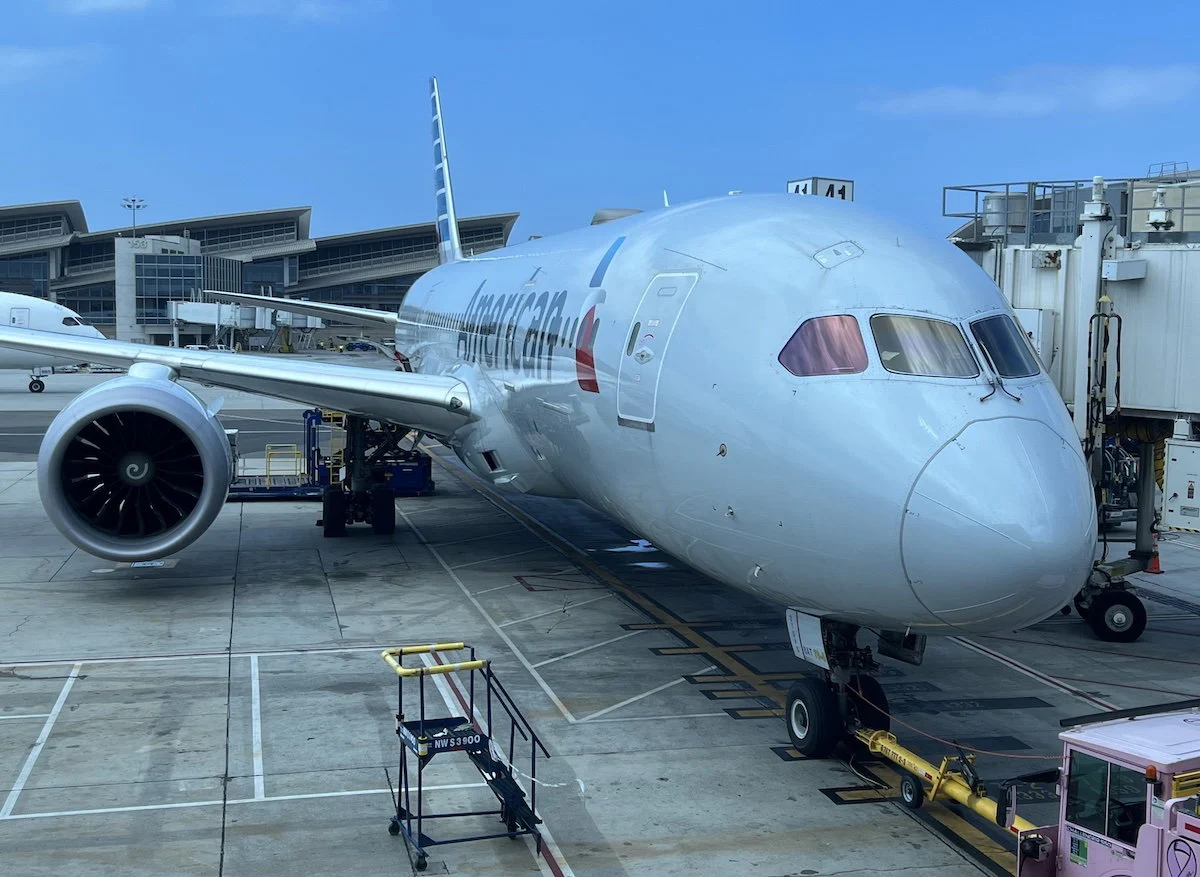
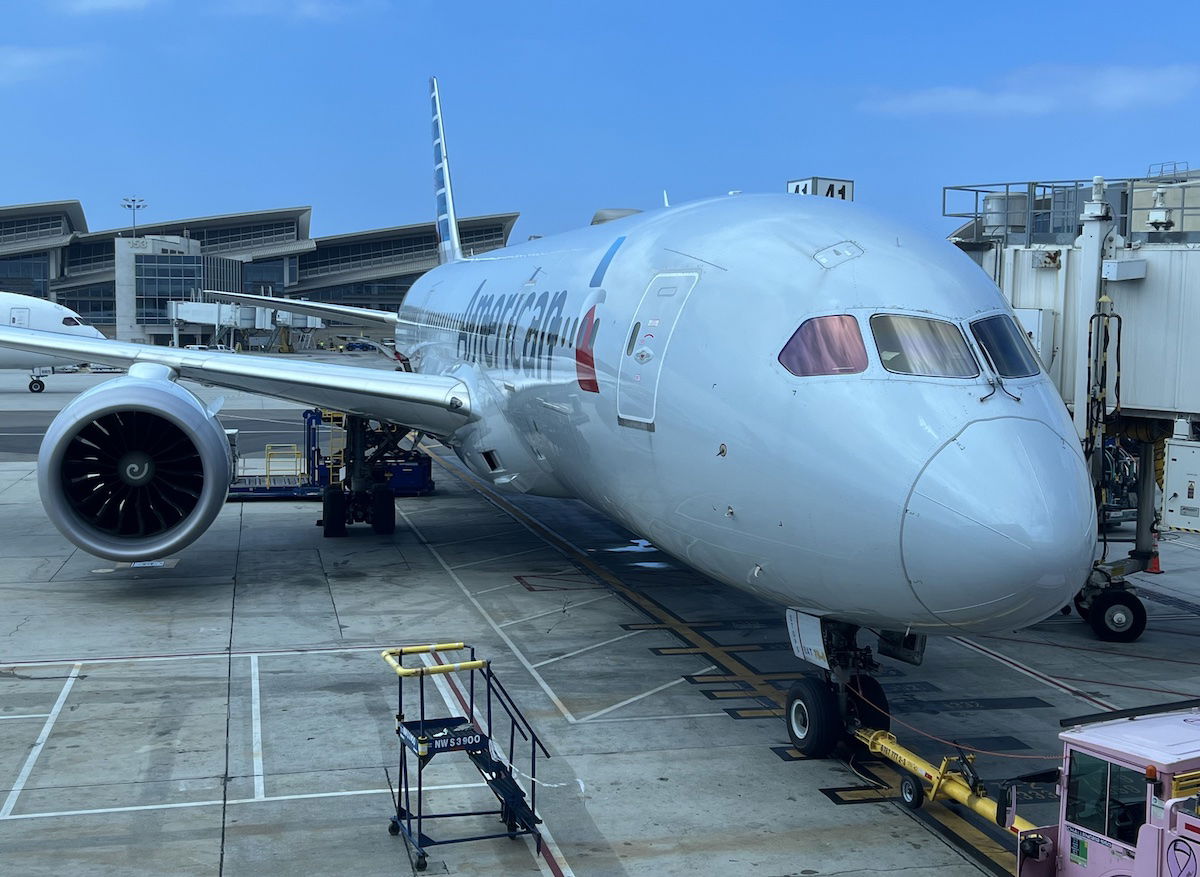
As a global hub, Miami serves as the primary gateway for passengers traveling between the United States and Latin America. American Airlines, which operates its largest Latin American hub at MIA, would be the most logical partner for such an endeavor. By adding a Tokyo route, Miami could potentially capture a lucrative segment of the market: travelers from South America and the Caribbean who are currently forced to transit through other U.S. hubs—such as Los Angeles, Dallas, or New York—to reach Japan.
The economic argument is twofold. First, a direct flight would catalyze business travel and foreign direct investment (FDI) between Japan and Florida. Second, it would solidify Miami’s status as a truly global "mega-hub," capable of connecting the southern hemisphere with the industrial centers of East Asia.
A Chronology of Ambition
The desire for a Miami-Tokyo flight is not new. It has been a recurring item on the agenda for airport authorities for years.
- 2015–2018: Early discussions began as MIA sought to expand its long-haul international network. During this period, the focus was largely on building traffic data to prove to carriers that the demand existed.
- 2022: The airport published a formal report identifying its "most wanted" long-haul destinations. The list included Asuncion, Riyadh, Singapore, and Tokyo. While Riyadh is seen as a high-probability target due to significant subsidies offered by the Saudi government, Singapore was deemed impossible with current aircraft technology. Tokyo, however, remained the "holy grail."
- 2023–2024: Momentum has shifted as city and airport officials have moved from mere advocacy to concrete financial planning. Recent meetings between Florida and Japanese stakeholders have brought the conversation to the forefront of international trade discussions.
The Financial "Safety Net": Revenue Guarantees
One of the most significant shifts in strategy is the willingness of local government to put "skin in the game." Miami Mayor Daniella Levine Cava has recently evaluated the implementation of a Minimum Revenue Guarantee (MRG).
An MRG is a common, yet high-stakes, tool in the aviation industry. It functions as an insurance policy for airlines. By guaranteeing the carrier a predetermined amount of revenue for a new route over an introductory period (often two to three years), the local government mitigates the financial risk of launching a service that may take time to become profitable.
If the route performs well, the airline keeps the profit and the guarantee is never triggered. If the route underperforms, the city or a coalition of local businesses pays the difference. This model has been used successfully by secondary airports globally to lure major carriers, and its introduction to the Miami discussion signals a new level of seriousness in the city’s pursuit.
Fleet Dynamics: The Role of Japan Airlines and American
A recurring obstacle for this route has always been aircraft capability and availability. The distance between Miami and Tokyo is roughly 7,000 miles, requiring a modern, long-range, twin-engine widebody aircraft.
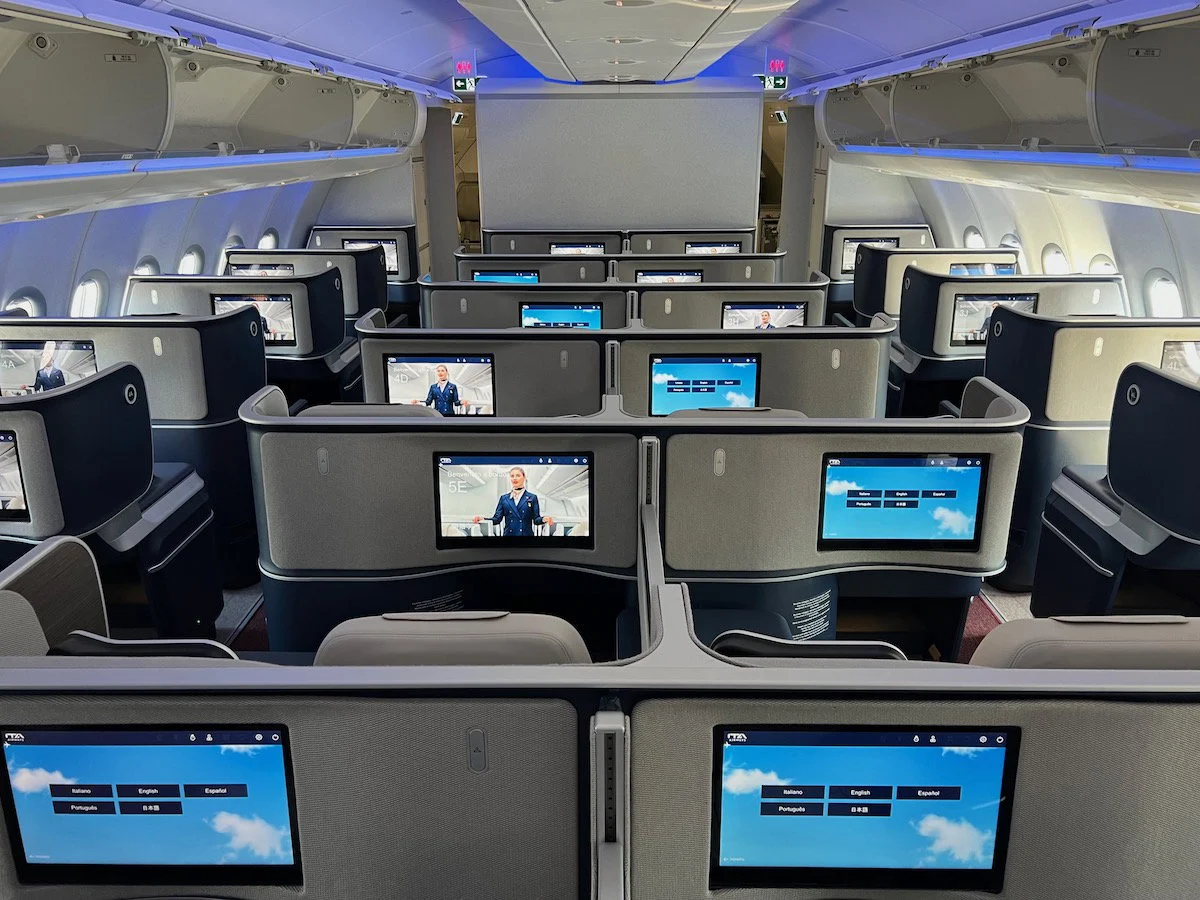
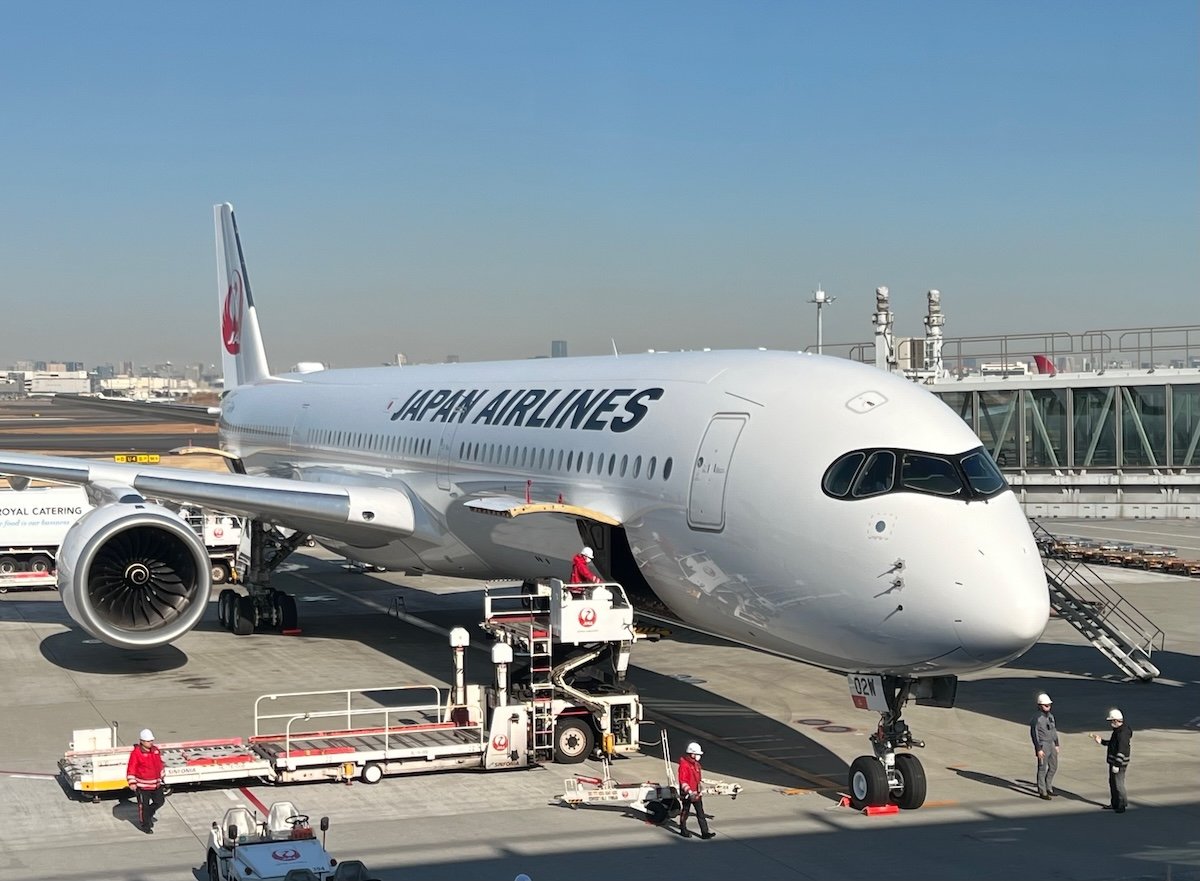
The optimism among MIA officials currently hinges on Japan Airlines (JAL). As the carrier takes delivery of its newest fleet—specifically the Airbus A350 and the Boeing 787—the technical feasibility of the route improves. These aircraft are optimized for efficiency on ultra-long-haul routes. Because JAL and American Airlines participate in a joint business venture, they coordinate their schedules and fares, effectively sharing the risk.
"Most recently, JAL has begun taking delivery of new long-haul aircraft capable of operating nonstop service between Tokyo and MIA," Mayor Levine Cava noted in a recent report. "With additional aircraft expected over the next two to three years, the long-term feasibility of the route is improving significantly."
Official Perspectives: Cautious Optimism
The leadership at Miami International Airport is publicly bullish about the prospects. Ralph Cutié, the Miami Aviation Director, has stated that officials feel "fairly confident" that the route will eventually launch. However, he was careful to manage expectations regarding the timeline, suggesting that while it could happen in the "next couple of years," there is no definitive launch date.
The broader view from the industry is more tempered. Experts note that while the demand exists, airlines are notoriously conservative when allocating widebody capacity. For Japan Airlines, the question is not whether a Miami flight could work, but whether it is a higher priority than other global routes. Airlines have a limited number of long-haul aircraft; every plane assigned to Miami is a plane taken away from another potentially more lucrative route, such as a second daily flight to London or a new service to a developing Asian market.
The Challenges: Why It Hasn’t Happened Yet
Despite the excitement, several structural challenges remain:
- Connecting Traffic Dynamics: While Miami is a hub for Latin America, the volume of high-yield business traffic from cities like São Paulo or Bogotá that needs to reach Tokyo is smaller than the traffic flowing through established hubs like Chicago or San Francisco.
- Fleet Growth Limitations: While JAL is growing, American Airlines’ own widebody fleet growth has been minimal. If the route is to be operated by American, they would need to justify the deployment of a flagship aircraft that is currently servicing established trans-Atlantic or trans-Pacific corridors.
- Competition for Capital: Airlines are currently prioritizing fleet renewal over aggressive network expansion. Most of the new jets arriving at major carriers are being used to replace aging, less-efficient aircraft rather than to launch new, unproven routes.
The Implications of a "Yes"
If a nonstop Miami-Tokyo route were to be established, the implications would be profound. It would cement Miami’s position as an essential node in the global economy, likely leading to increased Japanese corporate presence in South Florida. Furthermore, it would simplify the travel experience for thousands of business travelers and tourists, removing the exhaustion of a mid-journey connection.
For the aviation industry, the success of such a route would be a testament to the power of public-private partnerships. If an MRG were to successfully launch this service, it could set a precedent for other U.S. airports looking to attract similar long-haul international routes.
Conclusion: Is the Future Finally Here?
As it stands, the Miami-to-Tokyo route remains a dream backed by increasing financial ambition and favorable fleet news. It is arguably more feasible today than it was five years ago, thanks to the evolution of aviation technology and a more sophisticated approach to route development by local officials.
However, the reality remains that aviation is a business driven by margins and aircraft availability. While the "next couple of years" offers a window of opportunity, it is unlikely to happen overnight. For those waiting to fly directly from the Magic City to the Land of the Rising Sun, the wait continues—but for the first time in a long time, there is a tangible plan in place to make it a reality.