








In the complex ecosystem of personal finance, your credit report acts as your financial fingerprint. It dictates your ability to secure housing, obtain vehicle financing, and even influence your employment opportunities. However, the system is not infallible. With the Federal Trade Commission (FTC) reporting that nearly one in five Americans has an error on at least one of their three major credit reports, the burden of accuracy often falls on the consumer. One of the most misunderstood yet potentially powerful tools for addressing these discrepancies is the "609 letter."
Main Facts: What is a 609 Letter?
Contrary to common misconceptions, a "609 letter" is not a formal "dispute" in the traditional sense of challenging the legitimacy of a debt. Rather, it is a formal request for verification based on Section 609 of the Fair Credit Reporting Act (FCRA).
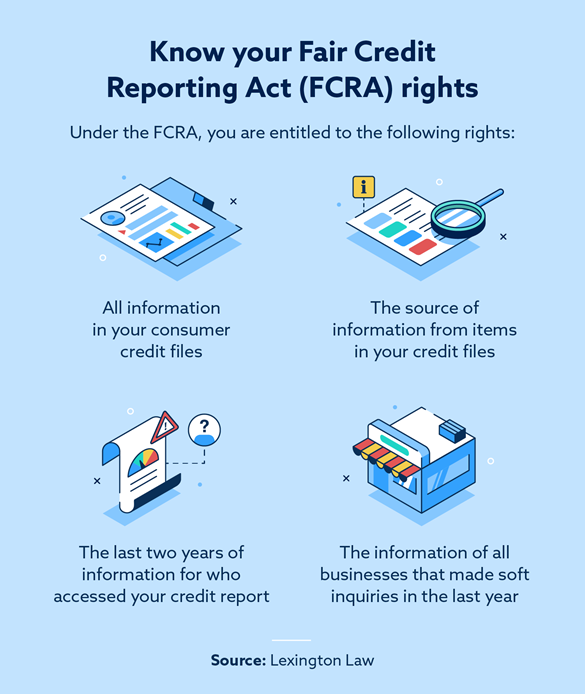
Section 609 of the FCRA mandates that credit reporting agencies (CRAs)—namely Equifax, Experian, and TransUnion—must disclose the information in your file upon request. This includes the source of the information and the specific documentation used to substantiate the reporting of a debt. By invoking Section 609, a consumer is effectively asking the bureau to "show their work." If a bureau cannot provide the underlying documentation—such as a signed contract or original records of the debt—they may be legally compelled to remove the item from your report.
The Chronology of Credit Reporting Errors
To understand why a 609 letter is necessary, one must look at the lifecycle of credit data:

- Data Furnishing: Banks, credit card issuers, and collection agencies (the "furnishers") send data to the three major credit bureaus.
- Automated Reporting: These systems are largely automated. During the transfer, data can be corrupted, assigned to the wrong consumer, or duplicated.
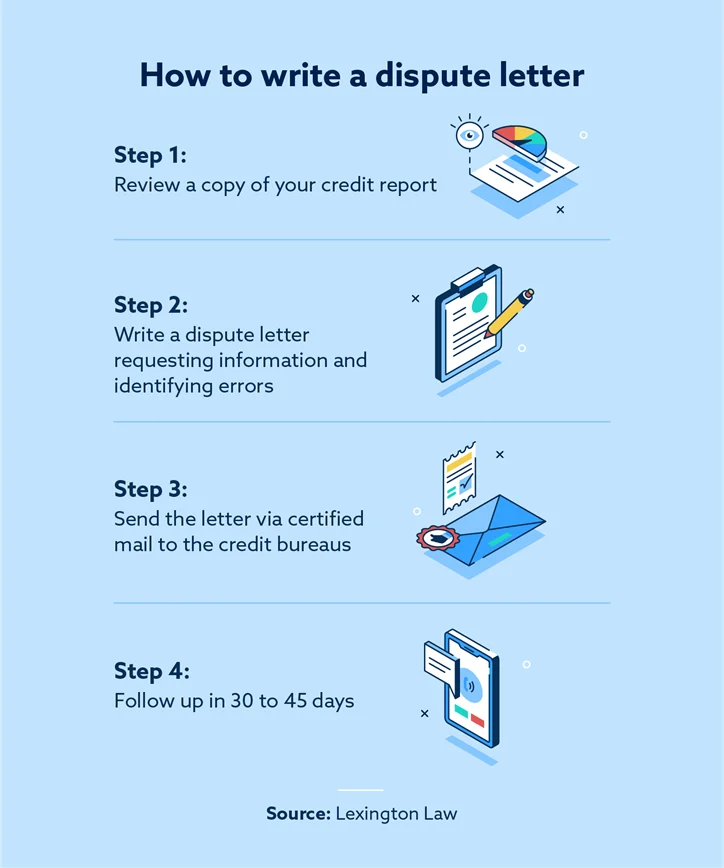
- The Dispute Window: Once a negative mark appears, the consumer has the right to initiate a dispute. Under the FCRA, bureaus generally have 30 to 45 days to investigate these claims.
- Verification or Deletion: If the bureau confirms the information with the furnisher, the mark remains. If they cannot verify it, they are required to delete the information.
The 609 letter intervenes at the verification stage. By requesting the original "source documentation," the consumer forces a more rigorous level of scrutiny than a standard dispute, which often relies on computerized, automated verification processes.
Supporting Data and the Scope of the Problem
The necessity for such mechanisms is backed by sobering statistics. Beyond the FTC’s finding that 20% of consumers have errors, the Consumer Financial Protection Bureau (CFPB) consistently ranks credit reporting as one of the most complained-about financial services.
Errors typically fall into three categories:
- Identity Errors: Information belonging to someone else with a similar name or Social Security number.
- Data Management Errors: Account balances that are incorrect, payments listed as late when they were on time, or accounts that remain on the report long after the legal seven-year window for negative reporting has expired.
- Mixed Files: A significant issue where two consumers’ credit histories are merged, leading to catastrophic drops in credit scores.
For a consumer, a single inaccurate late payment can drop a credit score by dozens of points, potentially moving a borrower from "prime" to "subprime" status, resulting in higher interest rates that cost thousands of dollars over the life of a loan.

Official Guidelines and Legal Implications
The Fair Credit Reporting Act is the bedrock of consumer credit protection. Section 609(a)(1) specifically states that a consumer reporting agency shall, upon request, clearly and accurately disclose to the consumer "all information in the consumer’s file at the time of the request."
The Strategic Difference: 609 vs. 623
While a 609 letter targets the credit bureaus, a Section 623 dispute is directed at the "furnisher"—the actual lender or collection agency. The legal distinction is critical:
- 609 Request: Targets the bureau’s internal documentation. It asks: "Do you have the proof to back this up?"
- 623 Dispute: Targets the lender’s accuracy. It asks: "Why did you report this information to the bureau if it is incorrect?"
Using these in tandem can create a pincer movement on inaccurate data, putting pressure on both the entity holding the record and the entity reporting it.
Implementation: How to Construct a 609 Request
If you have identified an inaccuracy, a 609 letter should be drafted with professional precision. It must be clear, concise, and include the necessary identity verification.
Essential Components of a 609 Letter:
- Identification: Provide your full legal name, current address, and the last four digits of your Social Security number.
- Documentation: Include copies of a government-issued ID and a utility bill to confirm your identity.
- Specifics: Clearly list the account name, account number, and the specific item you are requesting verification for.
- The "Ask": Explicitly request the original documentation, such as the original contract bearing your signature.
- Deadline: Remind the bureau of the 30-day timeframe for investigation as mandated by the FCRA.
What Happens When the Letter Is Sent?
Upon receiving a 609 request, the credit bureau has a legal obligation to conduct a "reasonable investigation." However, consumers should manage their expectations.
If the account is legitimate and the bureau can produce sufficient documentation (even a digital summary provided by the creditor), the item will not be deleted. A 609 letter is not a "magic bullet" to erase accurate, verified debts. It will not work on bankruptcies that are legitimately reported, or on late payments that are, in fact, accurate.
Dealing with Non-Responsiveness
If 45 days pass without a response, or if the bureau provides a generic letter stating the account is "verified" without producing the requested documentation, the consumer is not out of options:

- Escalate to the CFPB: File a complaint through the Consumer Financial Protection Bureau’s online portal. The CFPB holds bureaus accountable for responding to consumer complaints.
- Request an Investigation of the Verification: If the bureau claims to have verified the data, ask for the name, address, and phone number of the person or entity they spoke to at the creditor’s office.
- Consider Professional Assistance: Firms like Lexington Law specialize in navigating these administrative hurdles. They can review the full credit report to identify which items are worth fighting and which are merely "accurate but negative," helping to prioritize efforts.
Beyond the 609 Letter: Comprehensive Credit Health
While the 609 letter is a potent tool, it is only one component of credit repair. Other strategies include:
- Goodwill Letters: If you have a legitimate late payment but a history of on-time payments, writing to the creditor and asking for a one-time removal can sometimes succeed.
- Pay-for-Delete: In the case of collection accounts, you may negotiate an agreement where you pay the debt in exchange for the collector removing the entry from your report.
- Natural Aging: Most negative items—with the exception of some bankruptcies—must fall off your credit report after seven years. Sometimes, the most efficient path is simply to pay down current balances and let old, negative marks reach their expiration date.
Final Considerations
The 609 letter is a formal assertion of your rights under federal law. By requesting proof of the data reported against you, you transition from a passive consumer to an active participant in your financial reputation. However, this process requires patience, organization, and a clear understanding of the difference between "inaccurate" data and "unpleasant" data.
If you suspect your report contains errors that are preventing you from achieving your financial goals, start by pulling your free reports from AnnualCreditReport.com. Once you identify discrepancies, utilize the 609 framework to challenge the legitimacy of those entries. If the bureaus cannot substantiate their claims, the law is on your side to ensure your credit profile is corrected.
Disclaimer: This article is for informational purposes only and does not constitute legal or financial advice. The complexities of the Fair Credit Reporting Act and state-specific regulations may impact your specific situation. Consult with a qualified credit professional or legal expert before making significant decisions regarding your financial records.