








The American lending landscape is undergoing its most significant transformation in decades. For years, the credit scoring industry was dominated by a singular, monolithic standard. However, with the Federal Housing Finance Agency (FHFA) moving to modernize the way mortgage applicants are evaluated, the introduction of the VantageScore 4.0 model—alongside FICO 10T—has fundamentally altered how lenders assess risk.
Far from being a secondary, "alternative" metric, VantageScore 4.0 is now a requirement for the American mortgage market. Developed by the three major credit bureaus—Equifax, Experian, and TransUnion—this model leverages advanced machine learning and trended data to offer a comprehensive look at a consumer’s financial trajectory. As we move through 2026, the implications for homebuyers, lenders, and the broader economy are profound.
Main Facts: What is VantageScore 4.0?
VantageScore 4.0 represents a generational leap in credit scoring technology. Unlike legacy models that rely on a "snapshot" of your credit—essentially a frozen frame of your debt-to-income ratio at a specific moment in time—VantageScore 4.0 looks at the "movie" of your financial life over a 24-month period.
Key Technical Distinctions:
- Trended Data: The model analyzes the directionality of your balances. If you are consistently paying down debt, the model recognizes this positive momentum, even if your current balance remains high. Conversely, it identifies patterns of over-leveraging that static models might miss.
- The "Transactor" Advantage: The model distinguishes between "revolvers" (those who carry balances month-to-month) and "transactors" (those who pay their balance in full every billing cycle). This allows lenders to identify lower-risk borrowers who use credit as a tool rather than a crutch.
- Inclusivity for Thin-File Borrowers: Perhaps the most significant advancement is the ability to generate a score for "thin-file" consumers. While older models often required six months of history, VantageScore 4.0 can generate a predictive score with just one month of data by utilizing machine learning to analyze behavioral patterns common to responsible borrowers.
A Chronology of Change: How We Arrived Here
The shift toward a more competitive credit-scoring environment was not an overnight decision. It was the culmination of a years-long effort by the FHFA to increase transparency and lower costs for consumers.
- Pre-2020: The mortgage industry remained tethered to older versions of FICO, which, while reliable, were criticized for being outdated and failing to account for the nuances of modern consumer spending.
- 2022–2024: The FHFA officially signaled a move toward a "bi-merge" model, encouraging lenders to adopt both FICO 10T and VantageScore 4.0. This period saw the infrastructure being built to allow mortgage lenders to move away from the high costs associated with legacy credit pulls.
- 2025–2026: The full implementation phase began. Fannie Mae and Freddie Mac mandated that lenders integrate these models into their underwriting processes. This transition has been marked by the "credit score wars," where technology providers and agencies have pushed for a more holistic, data-driven approach to risk assessment.
Supporting Data: The Economic Impact
The move toward competition in credit scoring is not merely a theoretical exercise; it has tangible financial consequences. A 2026 analysis of the industry indicates that the introduction of score competition is generating nearly $1 billion in annual cost savings for American homebuyers.
Comparative Efficiency Table
| Feature | Legacy Models | VantageScore 4.0 |
|---|---|---|
| Credit Snapshot | Single Point in Time | 24-Month Trended Trajectory |
| New Borrowers | 6+ Months History Required | Can score in 1 Month |
| Medical Debt | Often Penalized | Excluded from Scoring |
| Mortgage Pull Cost | High ($12–$50+) | ~ $1 per score |
The drastic reduction in the cost of pulling credit reports—dropping from as much as $50 per report down to approximately $1—has streamlined the mortgage application process, allowing lenders to allocate resources more efficiently and reducing the overall "friction" associated with getting a home loan.
Official Responses and Regulatory Perspective
Regulators at the FHFA have maintained that the transition to VantageScore 4.0 and FICO 10T is essential for market health. By requiring lenders to look at a 24-month window, the government aims to reduce the "boom-and-bust" cycle of lending.
Industry analysts note that while the shift was initially met with hesitation by traditionalist lenders, the benefits—specifically the inclusion of consumers who were previously "unscorable"—have created a more robust pipeline of qualified homebuyers. This is particularly vital for younger demographics and immigrants who have a thin credit history but demonstrate responsible financial behavior in other areas, such as rent and utility payments.
Implications for the Modern Borrower
For the individual borrower, the transition to VantageScore 4.0 necessitates a shift in how they manage their credit health. Because the model looks at a two-year window, long-term habits are now more important than ever.
The "Trended" Strategy
Because the model rewards a positive, sustained directional trend, borrowers should focus on:
- Debt Reduction Momentum: Regularly paying down balances demonstrates financial discipline that the algorithm actively rewards.
- Disputing Inaccuracies: Because this model is more sensitive to your history, errors are magnified. If a report contains an outdated account or a fraudulent late payment, it can suppress your score significantly. Proactive credit repair is no longer just "nice to have"; it is a vital step before entering the mortgage market.
- Medical Debt Exclusion: Unlike some legacy models, VantageScore 4.0 excludes all medical debt. This is a significant relief for many households, ensuring that a one-time health crisis does not derail the dream of homeownership.
Frequently Asked Questions
Is VantageScore 4.0 higher or lower than my FICO score?
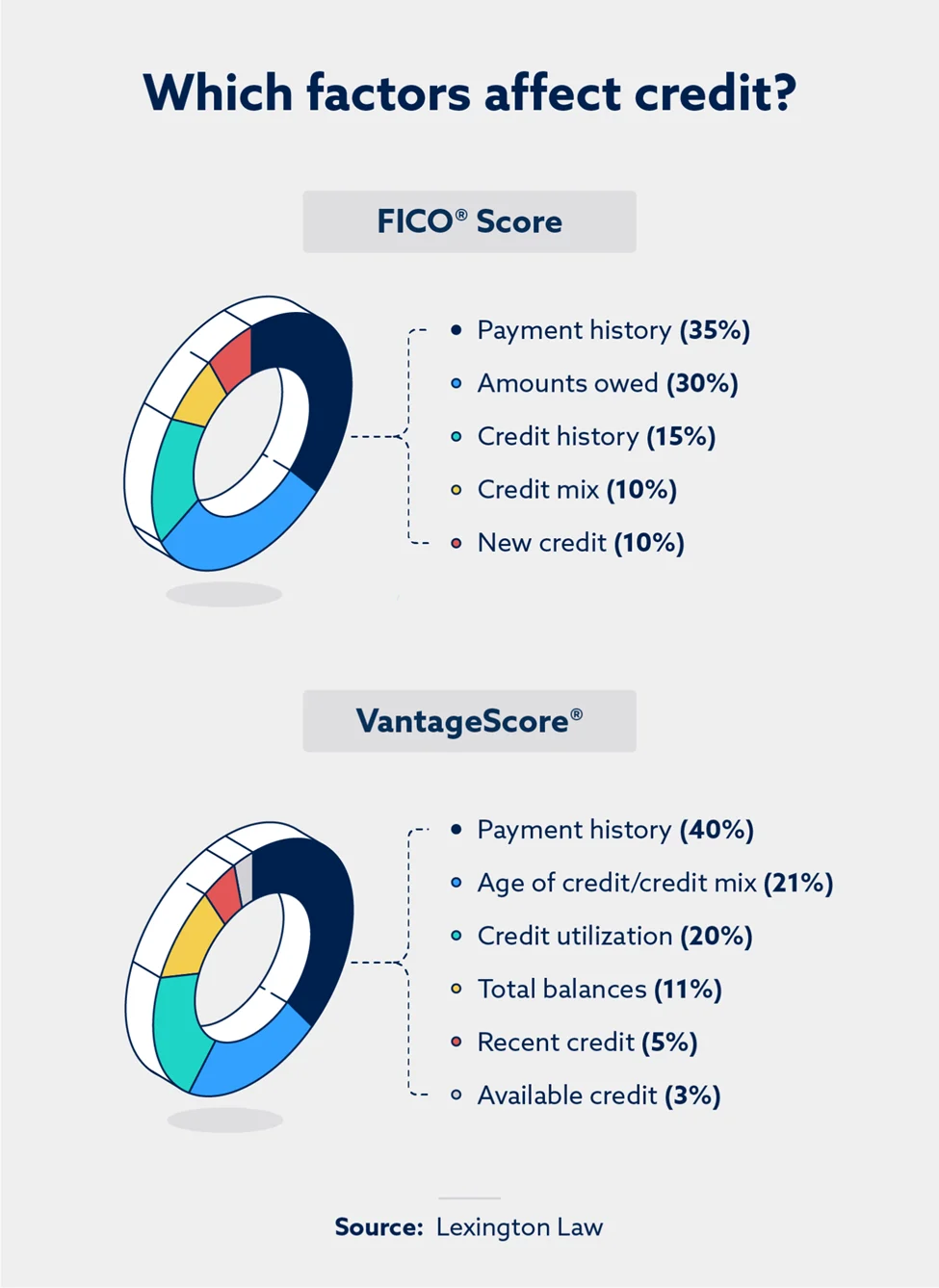
While both models utilize the 300–850 range, they are not interchangeable. Many consumers find their VantageScore 4.0 is higher, primarily due to the exclusion of medical debt and a more lenient approach toward recent, isolated negative events when balanced against a strong 24-month trajectory.
Does every lender use this model?
While Fannie Mae and Freddie Mac require it for conforming loans, the adoption is not universal across every small local bank or specialized private lender. However, as the industry standard, it is rapidly becoming the benchmark. Always ask your loan officer specifically which model they are using to underwrite your application.
How can I "fix" my score if it’s currently low?
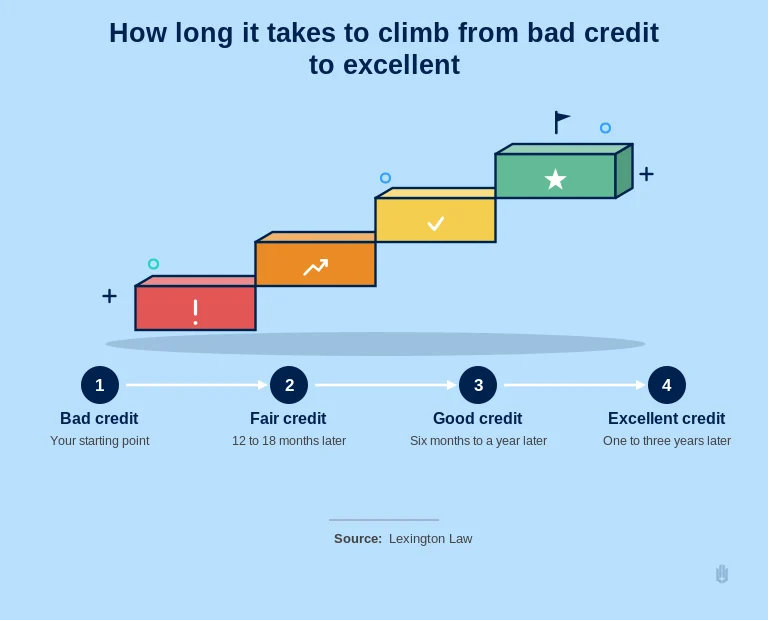
Improving your score under the 4.0 model is a process of changing your 24-month trajectory. This means:
- Maintaining low utilization rates consistently, rather than just before applying.
- Identifying and removing errors. Inaccurate data is the "dead weight" that keeps scores low. Using a professional service to help audit your report and challenge erroneous entries can be the most effective way to see an immediate boost in your score.
- Becoming a "Transactor." If your cash flow allows, paying your credit card balance in full every single month—rather than carrying a balance—will signal to the model that you are a low-risk user of credit.
Conclusion: The Path Forward
The integration of VantageScore 4.0 into the mortgage ecosystem is a definitive move toward a more equitable and accurate lending environment. By utilizing machine learning to process 24 months of trended data, the system no longer punishes consumers for a single bad month, nor does it ignore the efforts of those working to climb out of debt.
As the "credit score wars" continue to evolve, the borrower who is informed about how their data is being interpreted will always have the upper hand. Whether you are a first-time homebuyer or looking to refinance, understanding the mechanics of this model is the most effective way to ensure your credit profile accurately reflects your financial potential.
Note: The information provided in this article is for general informational purposes only and does not constitute financial or legal advice. Credit scoring models are complex, and individual circumstances vary. For personalized guidance on your specific credit report, consult with a qualified professional or credit repair specialist.