







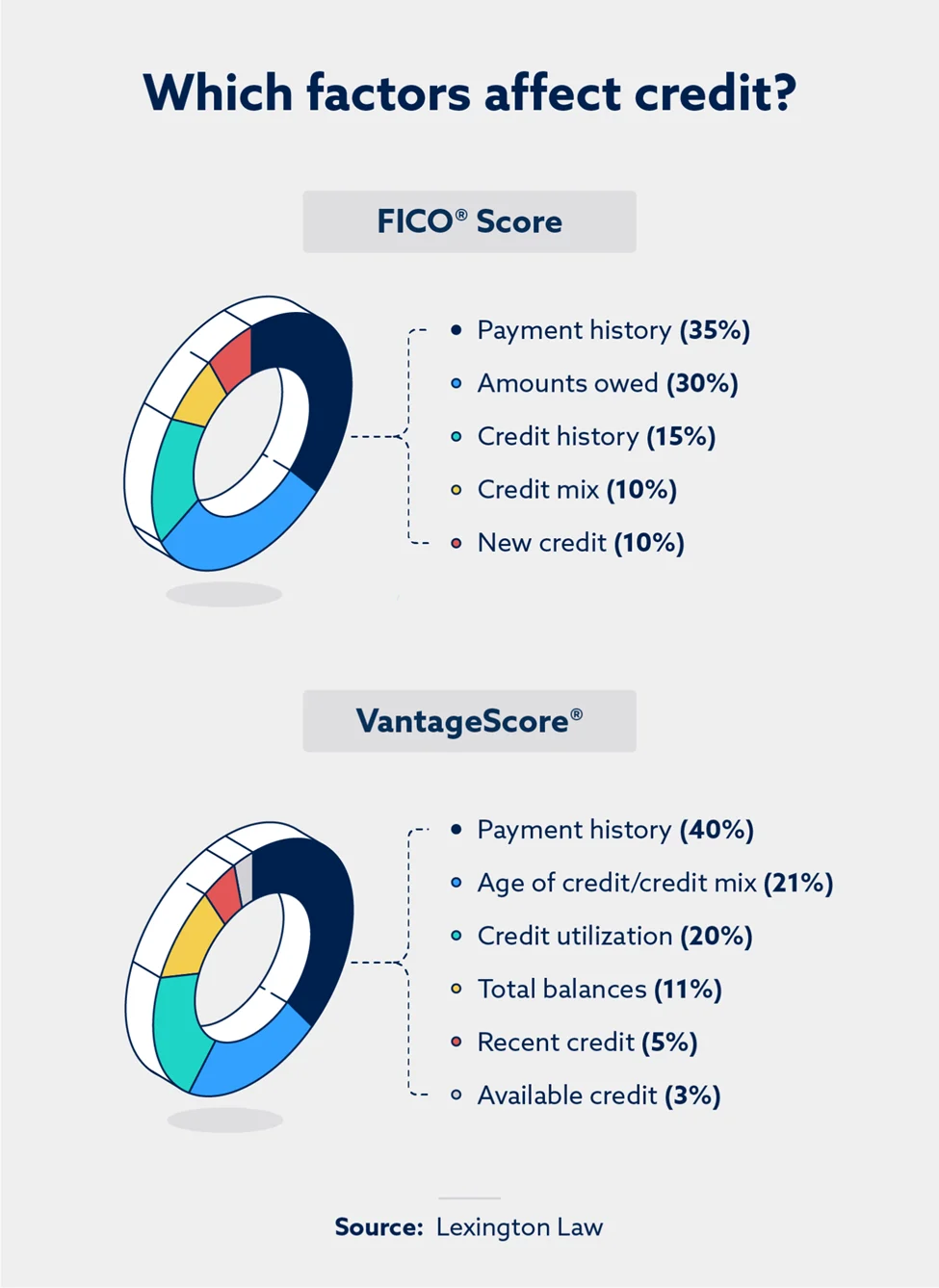
In the intricate landscape of personal finance, your credit score acts as a financial resume, providing lenders with a snapshot of your reliability. While most consumers are acutely aware of the "big two" factors—payment history and credit utilization—there is a subtle yet significant component that often goes overlooked: credit mix.
Accounting for approximately 10 percent of your FICO® score, credit mix is more than just a metric; it is an indicator of your versatility as a borrower. Understanding how to cultivate a healthy mix can be the difference between a good credit score and an excellent one, potentially unlocking lower interest rates and more favorable loan terms in the future.
Main Facts: Decoding Credit Mix
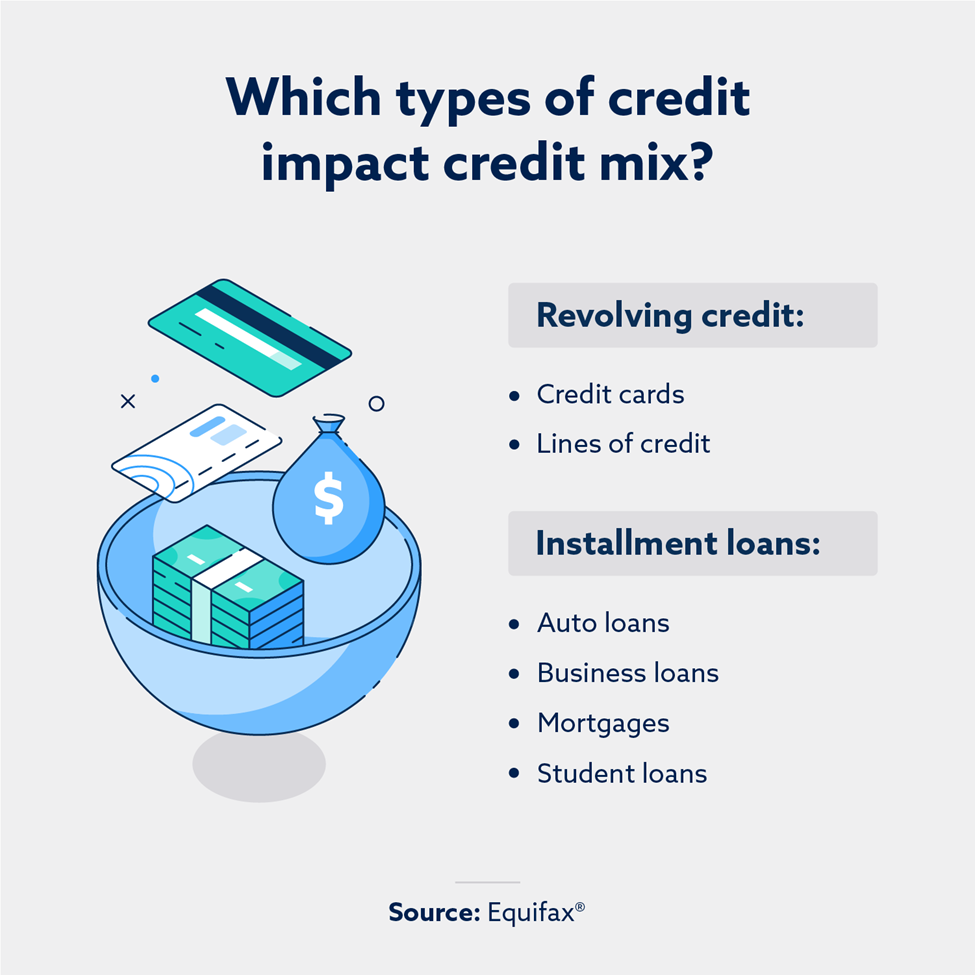
At its core, credit mix refers to the variety of credit accounts currently reported on your credit file. Lenders generally categorize these accounts into two primary buckets: revolving credit and installment credit.
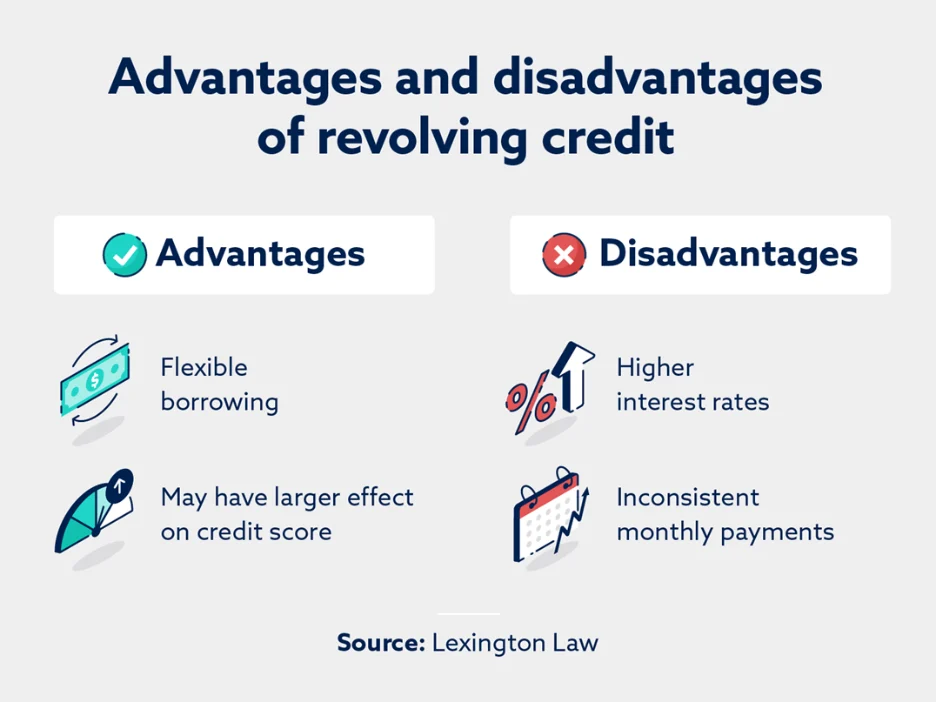
- Revolving Credit: This includes accounts like credit cards or lines of credit. These allow you to borrow funds repeatedly up to a predetermined limit. You have the flexibility to pay off the balance in full or carry a portion over to the next month, subject to interest.
- Installment Credit: This consists of loans for a fixed amount, such as auto loans, student loans, or mortgages. These are repaid through scheduled, consistent payments over a specific term.
The logic behind this scoring factor is simple: lenders want to see that you can manage the complexities of different repayment structures. A borrower who demonstrates the discipline to handle both the open-ended nature of a credit card and the rigid structure of a mortgage is viewed as a lower-risk candidate than someone who has only ever utilized one type of credit.

Chronology of Credit Development
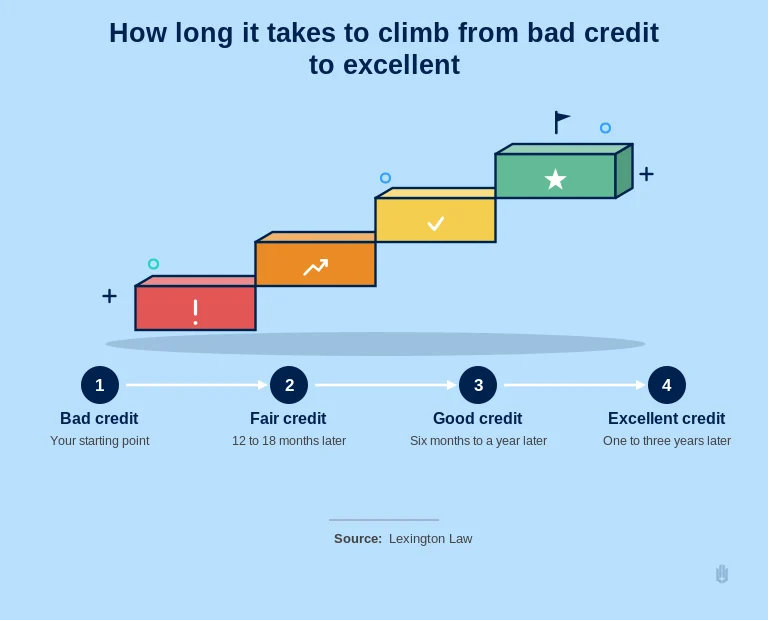
Building a credit mix is not a sprint; it is a marathon that evolves alongside your financial life.
The Foundation (Early Stages)
Most consumers begin their credit journey with a single revolving account—often a student credit card or a secured credit card. At this stage, your primary goal is not "mix," but rather establishing a consistent record of on-time payments.
The Diversification Phase (Mid-Career/Lifestyle Changes)
As your financial needs grow, your credit mix naturally matures. You might finance your first vehicle (an installment loan) or move into a new apartment that requires a credit check. These life events naturally introduce installment credit to your report. It is important to note that you should not force this process. The most robust credit profiles are built organically as legitimate financial needs arise.
Maintenance and Refinement (Long-Term)
Once you hold a variety of accounts, the focus shifts to maintenance. This means keeping utilization low on revolving accounts and ensuring that fixed payments on installment loans are never missed. Over time, the "age" of these diverse accounts compounds, creating a stable and impressive credit history.

Supporting Data and Scoring Models
While FICO® and VantageScore® are the two primary scoring models used by creditors, they weigh factors slightly differently. However, both agree on one universal truth: Credit mix is a supporting actor, not the lead.
According to data from major credit bureaus, a strong credit mix will never override the negative impact of missed payments or high debt-to-limit ratios. For example, if you have a perfect mix of five different loan types but have missed three consecutive mortgage payments, your score will plummet regardless of your "variety."
The "Volume vs. Variety" Fallacy
Many consumers fall into the trap of thinking that more accounts equal a better score. This is a misconception. Credit scoring models value variety—having different types of accounts—rather than the total volume of accounts.
- Poor Strategy: Opening six different credit cards. This increases your number of hard inquiries and lowers the average age of your accounts, which can actively damage your score.
- Effective Strategy: Maintaining one credit card, one auto loan, and perhaps a retail account. This demonstrates the ability to manage different types of debt without the volatility associated with excessive account opening.
Official Perspectives on Non-Credit Items
One of the most frequent questions from consumers is whether paying utility bills, rent, or phone bills impacts their credit mix.

Financial institutions and credit bureaus clarify that these recurring expenses generally do not count toward your credit mix because they are not "credit" in the traditional sense. While some third-party services now allow you to report rent and utility payments to bureaus to bolster your file, these entries do not create the "revolving vs. installment" dynamic that FICO® models look for. They are helpful for building a thin file, but they are not a substitute for the structural diversity of a formal loan or credit account.
Implications for Your Financial Future
Why should you care about this 10 percent of your score? The implications are twofold: eligibility and cost.
Eligibility for Future Financing
When you apply for a large loan—such as a mortgage—the underwriter conducts a manual review. If they see a credit report with a diverse mix of debt, it provides them with more data points to assess your character. It proves you have experience managing different types of financial obligations, which can make you a more attractive borrower.
Interest Rate Optimization
A high credit score, bolstered by a diverse and well-managed mix, qualifies you for the lowest interest rates offered by lenders. Over the life of a 30-year mortgage, the difference between an "excellent" and "good" interest rate can amount to tens of thousands of dollars in interest savings.
Strategic Tips for Improving Your Mix
If you are looking to round out your credit profile, consider these professional guidelines:
- Prioritize Fundamentals: Ensure your payment history is flawless before worrying about mix.
- Wait for the Right Time: Do not take out a loan just to improve your score. Only acquire new debt when it aligns with your actual financial goals, such as a necessary vehicle upgrade or home purchase.
- Review for Inaccuracies: A "thin" credit mix can sometimes be the result of a lender failing to report an account. Regularly check your credit reports for missing information or, conversely, accounts that should be closed but remain open.
- Avoid "Hard Inquiry" Overload: Every time you apply for a new credit product, a hard inquiry is placed on your report. Too many of these in a short period can signal financial distress to lenders.
- Seek Professional Assessment: If you are unsure where your credit stands, utilizing a professional service or a free credit assessment can help you identify if your mix is stagnant or if there are errors holding you back.
Conclusion: Patience is the Best Policy
The pursuit of a perfect credit mix should never lead to unnecessary debt. Financial health is achieved by living within your means and allowing your credit profile to grow in tandem with your life milestones.
While credit mix plays a crucial role in the final calculation of your score, it is merely one pillar of a larger structure. By focusing on consistent, on-time payments and maintaining low credit utilization, you provide the foundation upon which a healthy credit mix can flourish. Should you find that your credit report contains inaccuracies—such as misreported account types or outdated entries—it is vital to address these through the appropriate dispute channels. Remember, a credit score is not a static number; it is a dynamic reflection of your financial habits, and with a measured, long-term approach, you can ensure that your score works for you, not against you.
Disclaimer: This article is for informational purposes only and does not constitute financial, credit, or legal advice. Always consult with a qualified professional before making significant financial decisions.