







As the old cinematic adage goes, just when real estate investors thought they were finally out, macroeconomic forces have pulled them right back in.
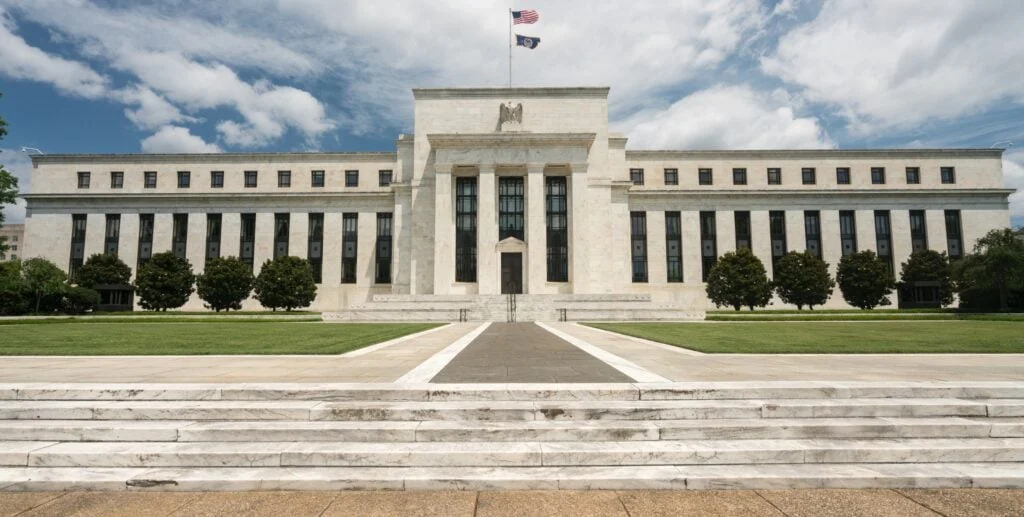
The recent announcement from the Federal Reserve regarding a quarter-percentage-point rate hike has sent a wave of anxiety across the property sector. Hopes that high interest rates had peaked—and that the Fed’s newly appointed leadership under Kevin Warsh would pivot decisively toward monetary easing—have been temporarily dashed. For many leveraged investors navigating a landscape already strained by negative cash flows, the news feels like a nightmarish rerun of 2022.
Main Facts: The Anatomy of the New Rate Hike
The latest shift in monetary policy comes on the heels of mounting inflationary pressures, exacerbated heavily by geopolitical conflicts, including ongoing tensions surrounding the Iran war. In response, the Federal Reserve opted to raise interest rates for the first time in three years following its September meeting.
This move compounds an already challenging borrowing environment. At the time of this writing, average 30-year fixed mortgage rates have hovered persistently above 7%. Adding a federal funds rate hike into the mix acts as a fresh accelerant on a market already grappling with affordability crises.
However, market analysts emphasize a critical distinction: the Federal Reserve does not directly set mortgage rates. Mortgage pricing is intrinsically tied to long-term bond yields, prevailing inflation expectations, and institutional demand for mortgage-backed securities. This structural reality explains why retail borrowing costs have climbed even during periods when the central bank kept its benchmark rate steady. While the Fed’s actions indirectly influence consumer debt, mortgage rates do not always move in lockstep with federal funds adjustments.
Chronology: A Sequel with Familiar Faces
To understand where the market stands, industry observers note that investors are watching a rerun of a familiar script, albeit with a revolving cast of central bankers and political leaders.
- Act I: The era of Jerome Powell working alongside the Biden administration.
- Act II: The dynamic between Powell and the incoming Trump administration.
- Act III: The current landscape featuring Kevin Warsh and the Trump administration.
Despite the shifting political and institutional actors, the underlying script remains largely unchanged. The core challenge persists: securing leveraged rental properties that achieve positive cash flow or finding buyers qualified to finance house-flipping projects remains an uphill battle.
Yet, industry experts suggest that every market disruption carries distinct advantages for specific segments of the buyer pool. "For buyers, a slower market can actually create opportunity," notes mortgage executive Benjamin Cohen in a recent Realtor.com report. "There is more time to make a decision, more negotiating power, and potentially more flexibility from sellers."
Supporting Data: Regional Divergences in the Housing Market
The U.S. housing market is far from a monolithic entity; regional micro-economies are responding to the shifting rate environment at drastically different speeds.
According to data compiled by Realtor.com, pending home sales present a patchwork picture across the nation:
- The Midwest: Pending sales dropped 4.3% year-over-year, offering fertile ground for patient investors hunting for motivated sellers.
- The West: Pending sales contracted by 3.3%.
- The South: Defying the national cooling trend, pending sales actually ticked up by 1.8%.
- The Northeast: Sales rose slightly by 1.1%.
Price adjustments and seller concessions exhibit similar geographic variance. In the Northeast, price reductions impact roughly 14.15% of active listings. Conversely, the West and the South are seeing price cuts on more than 20% of active listings.
For investors, these metrics underscore the reality that regional fundamentals—such as local supply constraints, property taxes, insurance premiums, and localized rent growth—must dictate acquisition strategies far more than national headline rates.
Official Responses and Market Sentiment
The immediate casualty of the latest rate adjustment is the retail owner-occupant. While institutional players and cash-heavy investors can absorb higher financing costs, everyday buyers are increasingly priced out of homeownership.
"Historically, rates are not that high, but we are also at the highest prices ever seen in many markets," explains Beau Keenan, broker-owner of Dickson Realty, in a recent HousingWire analysis. "Having rates this high on top of record-high prices, we noticed that just going from a 6.75% rate to a 7% rate, it takes out a swath of buyers."
This squeeze on retail buyers has naturally dampened buyer demand in specific sectors, forcing sellers to reconsider their pricing expectations and opening the door for creative deal-makers.
At the same time, institutional and high-net-worth investors are leaning heavily into liquidity. "A lot of our buyers are coming in with equity from a home they just sold, or they’re paying cash outright, so a hike isn’t going to keep them away," says Anna-Marie Ellison, vice president of sales at John R. Wood Properties Christie’s International Real Estate, highlighting how substantial cash reserves insulate elite investors from macroeconomic turbulence.
Implications for Real Estate Investors
The central bank’s tightening cycle presents a complex, double-edged sword for real estate entrepreneurs.
1. The Death (and Rebirth) of Leverage
Conventional leveraged strategies—including the popular BRRRR (Buy, Rehab, Rent, Refinance, Repeat) method—face severe headwinds. With debt service costs eating into projected margins, underwriting deals requires far more conservatism.
2. Surging Rental Demand
Conversely, as high mortgage rates lock prospective first-time homebuyers out of the acquisition market, rental demand remains remarkably resilient. Data from the Federal Reserve Bank of New York confirms that consumer inflation expectations and rent growth remain firm, signaling sustained housing demand across both urban and suburban markets. For landlords, this means units are more likely to be absorbed quickly at maximum rental rates.
3. Strategic Recommendations for Portfolio Owners
For property owners who accumulated expansive portfolios during the low-interest-rate era, current market conditions warrant a strategic pause.
- Prioritize Asset Upgrades over Expansion: Rather than chasing risky new acquisitions using creative or high-cost short-term financing, landlords should consider deploying cash flow from existing, low-rate properties toward physical upgrades. Stabilizing assets with reliable, long-term tenants minimizes operational stress.
- Prune Underperforming Portfolios: If leveraged properties are consistently operating at a loss with little prospect of near-term refinancing relief, investors should weigh the merits of strategic divestment. Taking a calculated loss to sell a burdensome asset can preserve overall portfolio health and reduce day-to-day anxiety.
Final Thoughts
Real estate investing is cyclical, and surviving a high-rate environment requires discipline, liquidity, and a long-term horizon. While the temptation to keep expanding and "stacking doors" is strong, macroeconomic realities suggest that capital preservation and operational efficiency should take precedence. Ultimately, playing the long game means weathering the storm today so you can live—and invest—to fight another day.