






Navigating the landscape of personal finance requires a fundamental understanding of how debt is structured. For millions of Americans, the distinction between "installment" and "revolving" credit is more than just banking jargon—it is the difference between a sound financial strategy and an expensive mistake. Whether you are financing a new vehicle, managing daily expenses, or consolidating high-interest debt, knowing which tool to use can significantly impact your long-term financial health and your credit score.
Main Facts: Defining the Two Pillars of Debt
Every credit account on your consumer report belongs to one of two distinct categories. Understanding the mechanical differences between them is the first step toward master-level credit management.
The Nature of Revolving Credit
Revolving credit is defined by its fluidity. When you open a revolving account, a lender grants you a maximum credit limit. You are free to borrow against this limit as you see fit. As you repay the balance, that credit becomes available to you again without the need to reapply for a new loan.
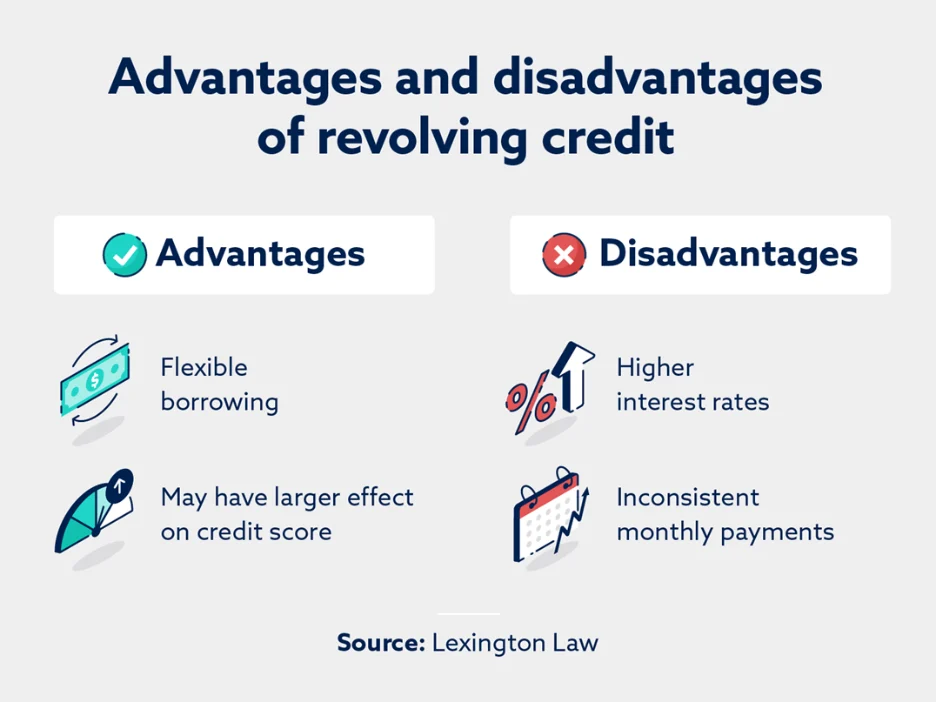
The most common examples include credit cards, home equity lines of credit (HELOCs), and personal lines of credit. These products are designed for recurring, often unpredictable expenses. The interest on these accounts is typically variable, and your monthly payment will fluctuate based on how much of your available credit you have utilized.
The Nature of Installment Credit
Conversely, installment credit is structured for precision. You receive a lump sum of capital upfront, which is then repaid over a fixed period—known as the "term"—through scheduled, equal monthly payments. Once the loan reaches the end of its term and the final payment is made, the account is closed.
Because the terms are fixed, installment loans offer a level of predictability that revolving credit cannot match. Common examples include student loans, auto loans, mortgages, and personal loans. Unlike a credit card, you cannot simply "borrow more" once you have paid down a portion of an installment loan; if you need additional funds, you must apply for a new loan product entirely.
Chronology: The Lifecycle of Credit Accounts
To understand how these accounts function, one must look at their lifecycle—from the initial application to the eventual closure of the account.
The Revolving Lifecycle
- Approval: A lender performs a hard inquiry and sets a credit limit based on your creditworthiness.
- Utilization: You draw down on the account. Your credit utilization ratio—the amount of debt divided by your total limit—begins to fluctuate.
- Repayment: You make monthly payments. Each dollar paid reduces the balance and restores your available credit limit.
- Maintenance: The account remains open indefinitely, provided you follow the terms. If you fail to make payments, the account may be closed by the lender, which can negatively impact your credit history.
The Installment Lifecycle
- Origination: You receive the full lump sum (e.g., $10,000 for a car).
- Amortization: A payment schedule is established. Early payments consist largely of interest, while later payments prioritize the principal balance.
- Fixed Commitment: You make the same monthly payment regardless of your financial fluctuations.
- Maturity: Upon the final scheduled payment, the account is marked "paid in full" and eventually drops off your active report, though the history of that account remains as a positive mark.
Supporting Data: How These Accounts Shape Your Credit Score
Your FICO® score is not a single number derived from a vacuum; it is an aggregation of various data points. The structure of your debt plays a pivotal role in the calculation of your score.

Credit Utilization (The Revolving Powerhouse)
Credit utilization accounts for approximately 30 percent of your FICO score. Because revolving credit has a shifting balance and a set limit, it is the primary driver of this metric. Financial experts often recommend keeping your utilization below 30 percent to maintain a healthy score. For instance, if you have a total limit of $10,000 across all your credit cards, keeping your total balance below $3,000 is vital. A sudden spike in usage on a revolving account can trigger a swift decline in your credit score, regardless of how long you have held the account.
Credit Mix (The Installment Contributor)
"Credit Mix" accounts for roughly 10 percent of your credit score. Lenders look favorably upon borrowers who demonstrate the ability to manage different types of debt simultaneously. If your report contains only revolving debt (like credit cards), you may lack the "mix" that lenders seek. Adding an installment loan can signal that you are capable of handling both variable, short-term debt and fixed, long-term financial commitments.
Payment History: The Universal Metric
Regardless of the account type, payment history remains the most significant factor, accounting for 35 percent of your FICO score. A missed payment on a small credit card can do just as much damage as a missed payment on a large mortgage. Because late payments remain on your report for up to seven years, the "account type" matters far less than the consistency of your payment schedule.
Official Perspectives: When to Choose Which?
Financial professionals often advise against viewing one type of debt as "better" than the other. Instead, the choice should be driven by the specific expense.
The Argument for Revolving Credit
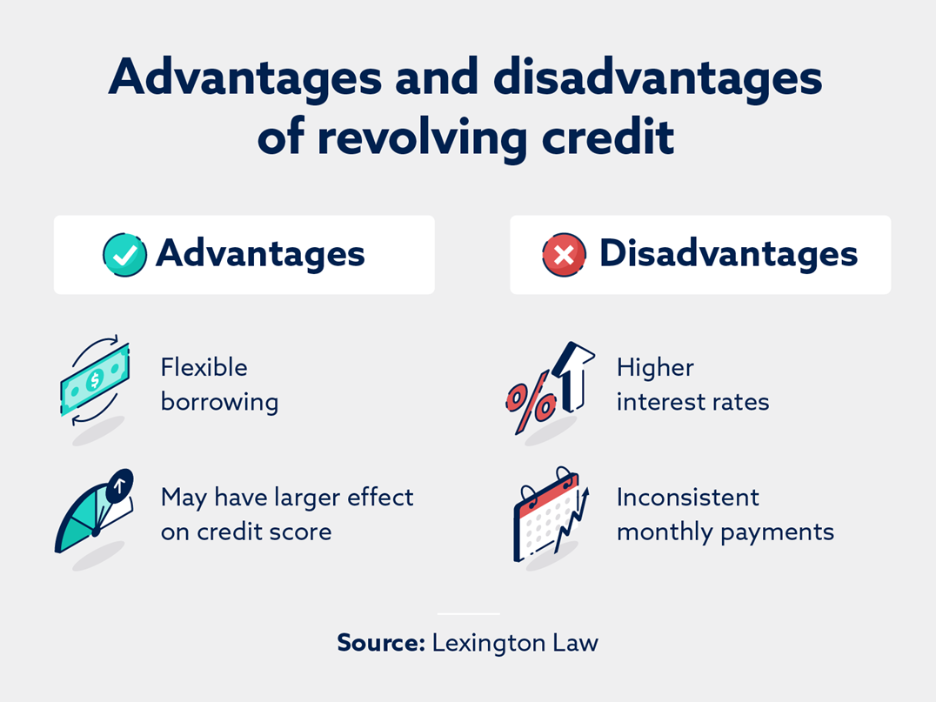
Revolving credit is the superior tool for cash-flow management. If you have fluctuating monthly bills, or if you are preparing for a series of minor, unexpected repairs, the flexibility of a credit card or a line of credit is unmatched. The danger, however, lies in the "revolving" nature of the debt; because there is no mandatory end date, many consumers fall into the trap of paying interest indefinitely.
The Argument for Installment Credit
Installment loans are the gold standard for large, one-time investments. Because the interest is amortized and the end date is fixed, these loans are psychologically and mathematically easier to manage. If you are facing a $6,000 emergency expense, a personal loan with a 12 percent interest rate and a three-year term is almost always cheaper than putting that same amount on a high-interest credit card.
According to financial analysts, the "predictability factor" of installment loans reduces the risk of long-term debt traps. By knowing exactly when the debt will be extinguished, borrowers can better plan their future cash flow.
Implications: The Importance of a Clean Report
All the strategies mentioned above rely on one critical assumption: that your credit report is accurate.
The Hidden Costs of Errors
Many Americans are unaware that their credit reports may contain inaccuracies, such as "phantom" debts, incorrect payment statuses, or outdated balance information. These errors can artificially inflate your credit utilization or falsely suggest a lack of experience with installment loans.
If your credit report mischaracterizes a closed installment loan as an open revolving account, your utilization ratio could be impacted, potentially lowering your score. Therefore, before applying for any new loan, it is imperative to conduct a thorough review of your credit reports from all three major bureaus.
Taking Control
If you find that your credit options are limited, or that your score is not reflecting your actual habits, you have the right to dispute inaccuracies. Taking the time to audit your report—or seeking a professional assessment—can be the difference between being denied for a mortgage or getting the interest rate you deserve.
Frequently Asked Questions (FAQs)
Q: Can a personal loan ever become a revolving account?
A: No. A personal loan is strictly an installment product. It is designed with a specific term and interest rate at the point of origination. If you pay it off and later need more money, you must apply for a new loan.
Q: Is a HELOC a revolving or installment loan?
A: A Home Equity Line of Credit (HELOC) is a revolving product during the "draw period." You can borrow, repay, and borrow again. However, many HELOCs transition into an installment-style repayment period once the draw phase concludes.
Q: Will paying off a personal loan early hurt my credit?
A: It might cause a minor, temporary dip. This is usually because you are closing an account that contributed to your "average age of accounts" or removing an installment account from your "credit mix." However, the long-term interest savings usually far outweigh this minor, transient impact.
Q: Do credit cards count toward my credit mix?
A: Yes, they are the primary example of revolving credit. To achieve a diverse credit mix, you should aim to have at least one installment account (like a car or student loan) alongside your revolving credit cards.
Conclusion
The distinction between installment and revolving credit is a fundamental pillar of personal finance. By utilizing installment loans for fixed, major costs and reserving revolving credit for day-to-day liquidity, you can optimize your interest payments and build a robust credit profile. Ultimately, the most successful borrowers are those who view these products not as separate entities, but as integrated tools to be managed with foresight, precision, and an eye toward accuracy. By keeping your reports clean and your debt structures aligned with your goals, you lay the foundation for a lifetime of financial stability.