







In the complex landscape of personal finance, few terms carry as much weight—or cause as much confusion—as the "charge-off." Often mistaken for debt forgiveness, a charge-off is actually a significant red flag that can haunt a consumer’s credit profile for years. As lenders and credit-scoring algorithms grow increasingly sophisticated, understanding the mechanics of a charge-off is essential for anyone looking to navigate the path toward financial health.
Main Facts: What Exactly Is a Charge-Off?
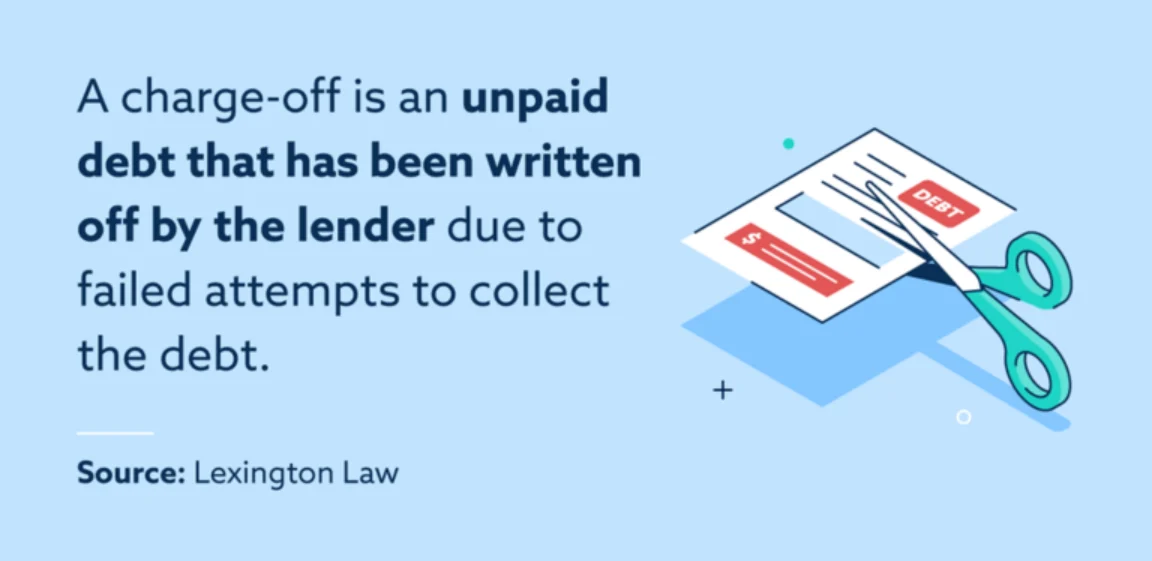
At its core, a charge-off—formally recorded as "charged off as bad debt"—is an internal accounting maneuver. When a consumer fails to make payments on an account for an extended period, typically between 120 and 180 days, the lender determines that the debt is unlikely to be recovered. To maintain accurate financial records, the creditor moves the account from their "assets" ledger to their "losses" ledger.
Crucially, this accounting shift does not extinguish the consumer’s legal obligation to pay. The debt remains valid, and the consumer is still fully liable for the outstanding balance. Once the account is charged off, the creditor will report this status to the three major credit bureaus: TransUnion, Equifax, and Experian. This notification acts as a severe derogatory mark, signaling to any future lender that the consumer has failed to honor their original credit agreement.
Chronology: The Lifecycle of a Delinquent Account
Understanding how an account transitions from a simple late payment to a charge-off is vital for proactive debt management. The process generally follows a predictable timeline:
- The Initial Missed Payment: The process begins the moment a payment is missed. While a single late payment is damaging, it does not immediately result in a charge-off.
- Delinquency and Internal Collections: As the account remains unpaid (30, 60, and 90 days past due), the creditor will initiate internal collection efforts, including automated emails, phone calls, and letters.
- The Charge-Off Milestone: Between the 120 and 180-day mark, the creditor decides that further collection efforts are inefficient. They "charge off" the debt. The account is officially closed to further charges, and the loss is logged.
- Assignment to Third-Party Collectors: Following the charge-off, the original creditor may either sell the debt to a third-party collection agency for pennies on the dollar or assign it to an agency to collect on their behalf.
- The Seven-Year Window: From the date of the first delinquency that led to the charge-off, the mark will remain on the consumer’s credit report for up to seven years.
Supporting Data: The Impact on Your FICO Score
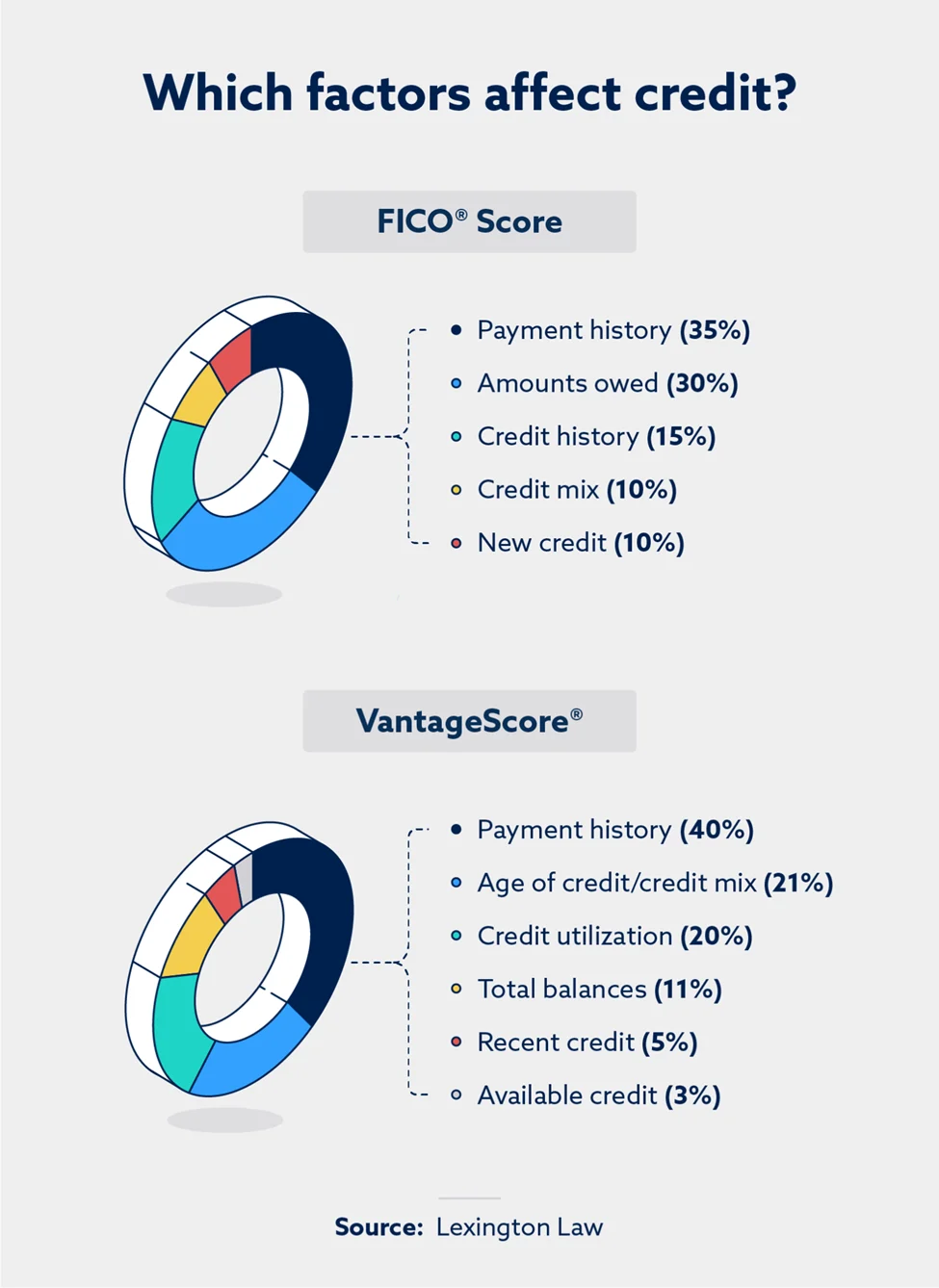
The impact of a charge-off on a credit score is profound. Because "payment history" constitutes 35 percent of a FICO score—the most significant factor in the calculation—a charge-off can trigger a catastrophic point drop.

Data from FICO suggests that consumers with high credit scores can lose over 100 points after a 90-day delinquency; a full charge-off often leads to even more severe consequences. This is because modern underwriting systems are designed to prioritize stability and reliability. When a lender sees a charge-off, they perceive the consumer as a high-risk borrower. This can lead to:
- Denial of future credit card applications.
- Higher interest rates on auto loans or personal loans.
- Difficulty securing housing or passing employment credit checks.
- Increased insurance premiums.
Official Perspectives and Regulatory Standards
The process of reporting and managing charge-offs is governed by the Fair Credit Reporting Act (FCRA). This federal legislation ensures that the information contained in credit reports is accurate, fair, and private.
According to regulatory standards, credit bureaus are required to provide consumers with the right to dispute any entry that is inaccurate, incomplete, or unverifiable. If a creditor reports a charge-off that contains incorrect data—such as an inaccurate balance or an incorrect date of first delinquency—the consumer has the legal right to challenge that entry. The creditor and the bureau are then legally mandated to investigate the claim and respond within a specific timeframe, usually 30 to 45 days.
Financial experts emphasize that while the "charged off" status is a negative event, it is not a permanent barrier to credit rehabilitation. The key lies in strategic action: verifying the debt, understanding the statute of limitations for lawsuits in one’s state, and deciding whether to pay or settle the account.
Implications: Strategic Paths to Resolution
If you discover a charge-off on your report, you are not powerless. However, you must approach the resolution process with a clear strategy.

1. Verification of Debt
Before engaging with collectors, request a "debt validation" letter. This forces the agency to prove that you owe the debt, that they own the debt, and that the amount is correct. If they cannot provide this proof, you may have grounds to have the entry removed.
2. Disputing Inaccuracies
If the investigation reveals that the information is incorrect, you should file a formal dispute with the credit bureaus. Providing evidence—such as bank statements or correspondence—can often lead to the removal of an erroneous charge-off.
3. Payment vs. Settlement
If the debt is valid, you face a decision:
- Pay in Full: This updates your report to "Paid Charge-Off." While it does not remove the mark, it demonstrates responsibility and prevents the risk of being sued for the balance.
- Settlement: You may negotiate a lower amount to settle the debt. Note that this will be reported as "Settled for less than full balance," which some lenders view as less favorable than a full payment.
- Pay-for-Delete: In some instances, a consumer may negotiate for the creditor to remove the entry entirely in exchange for payment. While difficult to secure, it is a powerful tool for credit repair. Always ensure any such agreement is in writing before transferring funds.
Preventing Future Charge-Offs
The best way to handle a charge-off is to prevent it from ever occurring. Financial wellness is built on consistency. To avoid reaching the 120-day threshold:
- Communicate Early: If you are experiencing a financial hardship, contact your lender immediately. Most are willing to discuss hardship programs, temporary deferments, or modified payment plans.
- Prioritize Debts: If you cannot pay all your bills, prioritize those that are critical to your stability, such as rent, utilities, and auto loans.
- Budgeting: Proactive budgeting can help you identify a liquidity crisis before it results in missed payments.
Conclusion: The Path Forward
A charge-off is a serious hurdle, but it is not a financial death sentence. While the seven-year timeline is a reality, the steps you take today can begin to shift the trajectory of your creditworthiness. By meticulously verifying debt, challenging inaccuracies, and communicating with creditors, you can mitigate the long-term damage and begin the process of rebuilding.

Remember that credit repair is a marathon, not a sprint. While there is no "quick fix" to instantly erase an accurate charge-off, consistent, responsible financial behavior over time will naturally diminish the impact of past mistakes. If you find yourself overwhelmed by the complexity of the credit reporting system, seeking assistance from professional credit advocates can provide the clarity and guidance needed to navigate this challenging terrain.
Ultimately, your credit report is a reflection of your financial story. While a charge-off may be a difficult chapter, it does not have to be the end of the narrative. With informed action and patience, you can move toward a more stable and prosperous financial future.
Note: The information provided in this article is for general informational purposes only and does not constitute legal, financial, or credit advice. Laws regarding debt collection and credit reporting vary by jurisdiction. Consult with a qualified professional regarding your specific financial situation.