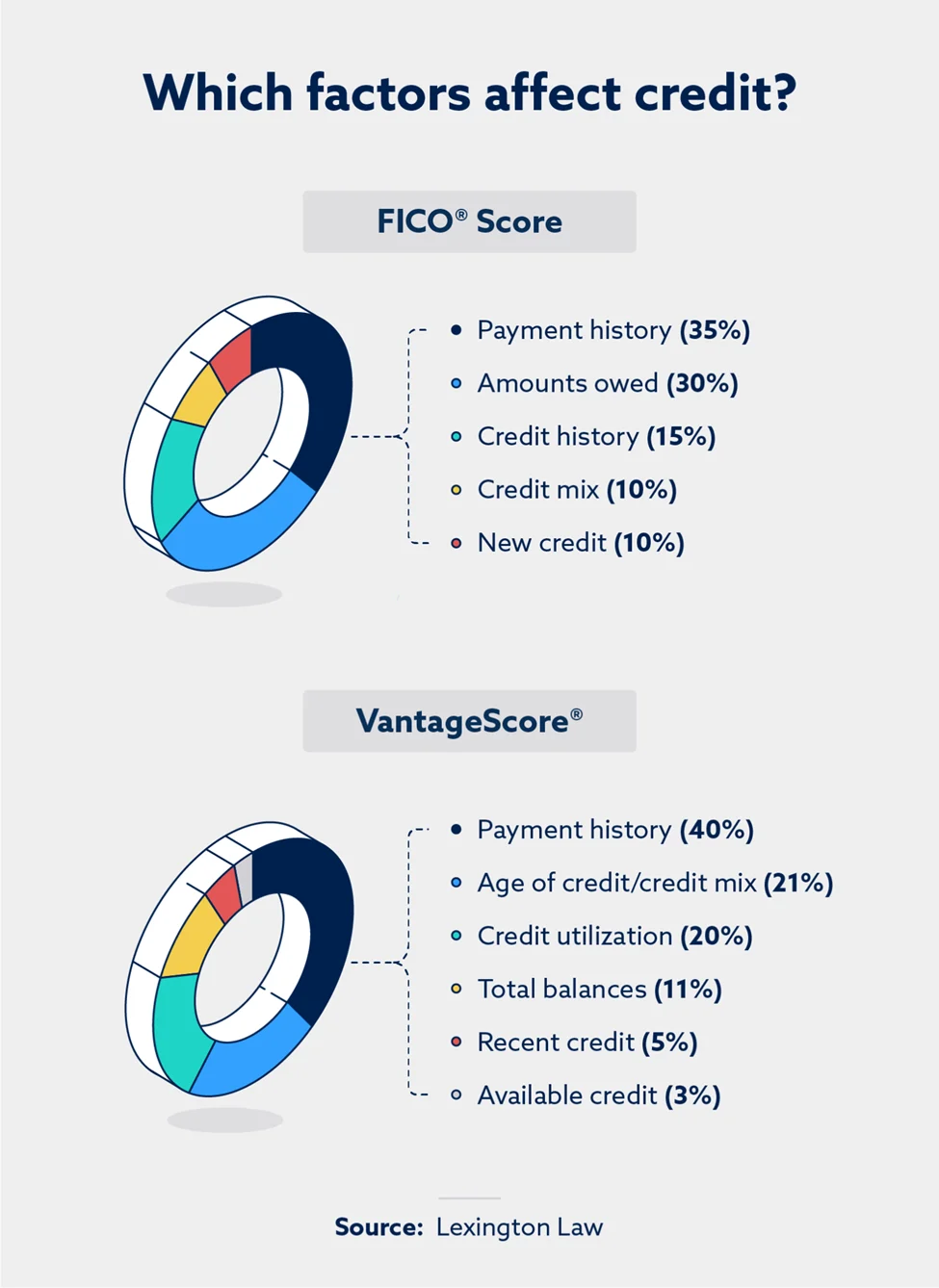










For decades, the name "FICO" was synonymous with the concept of a credit score. It was the gatekeeper to the American Dream, determining who could secure a mortgage, buy a car, or open a credit card. However, the landscape of consumer credit has undergone a seismic shift. VantageScore 4.0, a sophisticated, machine-learning-driven model developed by the tri-bureau powerhouse—Equifax, Experian, and TransUnion—has evolved from an "alternative" metric into a mandatory requirement for the modern mortgage industry.
As Fannie Mae and Freddie Mac finalize the integration of this model into their underwriting requirements, understanding the mechanics of VantageScore 4.0 is no longer just for fintech enthusiasts—it is an essential requirement for every prospective homeowner in the United States.
Main Facts: What is VantageScore 4.0?
VantageScore 4.0 is a tri-bureau credit scoring model that represents a fundamental departure from the legacy scoring systems of the past. Unlike its predecessor, VantageScore 3.0, which was largely relegated to educational purposes and soft-pull inquiries, version 4.0 is designed for the "high-stakes" environment of mortgage lending, auto financing, and revolving credit lines.
Key Innovations
The primary differentiator of the 4.0 model is its reliance on trended data. Traditional models often provide a static, "snapshot" view of a consumer’s credit profile—a single point-in-time calculation. In contrast, VantageScore 4.0 analyzes a 24-month trajectory of a borrower’s financial behavior.
This model is particularly adept at distinguishing between "transactors"—those who pay their balances in full every month—and "revolvers," those who carry balances and pay interest. By utilizing machine learning, the model can predict future creditworthiness by observing long-term behavioral patterns, rather than just current debt levels.
Chronology: The Evolution of Credit Scoring
The transition to modern scoring models did not happen overnight. It is the result of years of pressure from the Federal Housing Finance Agency (FHFA) to foster competition and increase inclusivity in the mortgage market.
- Pre-2015: The "Classic FICO" era. Most lenders relied on older versions of the FICO score, which were limited in their ability to assess "thin-file" borrowers (those with little credit history).
- 2017: The introduction of VantageScore 4.0. The tri-bureau initiative sought to solve the "unscorable" consumer problem, allowing for scoring after just one month of credit history, compared to the six months required by legacy models.
- 2022–2024: The regulatory push. The FHFA officially signaled a shift, moving to require both VantageScore 4.0 and FICO 10T for conforming mortgage applications. This marked the end of the FICO monopoly on mortgage underwriting.
- 2025–2026: Full Implementation. The industry is currently in the midst of a transition to a "bi-merge" system, where lenders are increasingly required to pull both models to obtain a comprehensive view of a borrower’s financial health.
Supporting Data: Why the Shift Matters
The move toward VantageScore 4.0 is not merely a change in branding; it is a change in the economic calculus of lending. According to a 2026 analysis, the FHFA’s decision to introduce competition between scoring models is estimated to generate nearly $1 billion in annual mortgage cost savings for American homebuyers.
The "Thin-File" Advantage
One of the most significant benefits of the 4.0 model is its ability to score "thin-file" or "credit invisible" consumers. By incorporating machine-learning-derived scorecards, the model can assess individuals who lack a long credit history. This inclusivity is expected to broaden the pool of qualified borrowers without necessarily increasing the risk profile for lenders.
Comparative Metrics: Legacy vs. 4.0
| Feature | Legacy Models | VantageScore 4.0 |
|---|---|---|
| Credit Snapshot | Single Point in Time | 24-Month Trended Trajectory |
| New Borrowers | Requires 6 months history | Can score in 1 month |
| Medical Debt | Often penalizes | Excluded from scoring |
| Mortgage Pull Cost | High ($12–$50+) | Low (~$1 per score) |
The removal of medical debt from the 4.0 scoring calculation is a massive development for the average American. Under legacy models, unpaid medical bills—often the result of unpredictable health emergencies—could plummet a score, unfairly penalizing borrowers for circumstances beyond their control. VantageScore 4.0 ignores these debts, providing a more accurate assessment of a borrower’s actual ability to manage contractual credit obligations.
Official Perspectives and Industry Implications
The "Credit Score Wars" are no longer hypothetical. The inclusion of VantageScore 4.0 alongside FICO 10T is viewed by regulators as a necessary step to modernize the housing finance system.
The "Bi-Merge" Requirement
Industry experts note that we are moving toward a mandatory bi-merge system. This means that when you apply for a mortgage, your lender will pull data from both models to create a holistic view of your credit health. This dual-lens approach is designed to mitigate the risks of relying on a single algorithm, effectively creating a safety net for lenders while ensuring that consumers are assessed by their most favorable metrics.
Financial Inclusion
The FHFA has emphasized that these updates are aimed at "greater accuracy and inclusivity." By utilizing trended data, lenders can see if a borrower is on an upward trajectory—for instance, someone who is aggressively paying down debt—versus someone who is trending toward delinquency. This nuance rewards responsible behavior that older models would have missed.
Strategic Implications: How to Improve Your Score
Understanding that the 4.0 model looks back 24 months is the key to score optimization. You are no longer just fighting to keep your current balance low; you are building a two-year record of consistency.
1. Focus on the 24-Month Trend
Because the model evaluates your directional trend, consistency is paramount. If you are paying down debt, do so steadily. A sudden, massive pay-off might help your total debt-to-income ratio, but a consistent pattern of monthly reduction is what the 4.0 algorithm identifies as a "low-risk" behavior.
2. Dispute Inaccuracies Early
Inaccurate entries act as "noise" in the algorithm. An erroneous late payment from 18 months ago can drag down your trajectory significantly. Because VantageScore 4.0 is sensitive to trended data, any negative item that is legally inaccurate should be disputed immediately. Using services provided by firms like Lexington Law can help identify and challenge these inaccuracies, ensuring your credit report—the foundation of your score—is pristine before a lender performs a hard pull.
3. Become a "Transactor"
The model distinguishes between those who carry debt (revolvers) and those who pay in full (transactors). If your budget allows, shifting your credit card usage to a "transactor" model—where you pay off the full statement balance every month—can yield a significant score boost under the 4.0 model, as it proves to the algorithm that you are using credit as a tool rather than a crutch.
Frequently Asked Questions
Is VantageScore 4.0 higher or lower than my FICO score?
While both models use the 300–850 range, they are not identical. Many consumers find their VantageScore 4.0 is slightly higher than their FICO score, primarily because the 4.0 model excludes medical debt and places a higher value on recent, positive payment trends. However, this is not guaranteed; a borrower with a very recent negative event might see a more dramatic impact on one model versus the other.
Does every lender use VantageScore 4.0?
While Fannie Mae and Freddie Mac now require it, smaller private lenders or those using older legacy underwriting systems may still rely exclusively on older FICO versions. Always ask your loan officer: "Which scoring models are you using to determine my eligibility?"
What is considered a "Good" score under 4.0?
The tiers are largely consistent with industry standards:
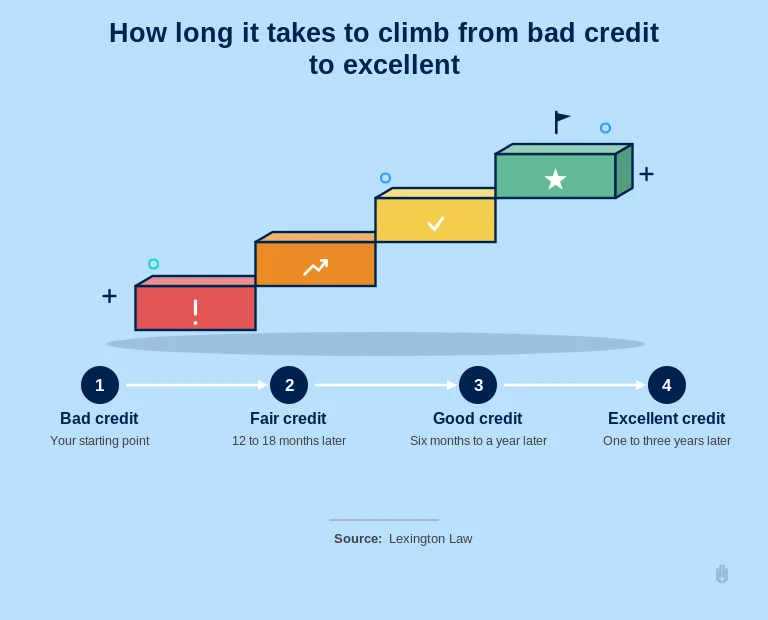
- 781–850: Excellent
- 661–780: Good
- 601–660: Fair
- Below 600: Poor
However, remember that "good" is subjective. A score of 720 might be sufficient for a conventional mortgage but might not qualify for the lowest interest rates available.
Conclusion
The shift to VantageScore 4.0 is a milestone in the modernization of American finance. By leveraging 24-month trended data and adopting a more inclusive stance on medical debt, this model provides a more nuanced, accurate, and fair representation of the American borrower. For those looking to secure a mortgage in the coming years, the message is clear: your financial reputation is a long-term project. By maintaining a positive trajectory and ensuring your credit reports are free of inaccuracies, you can navigate this new landscape with confidence and secure the financing you deserve.
Disclaimer: The information provided in this article is for general informational purposes only and does not constitute legal, financial, or credit advice. Credit scoring models are complex, and individual results may vary. For personalized guidance, consult with a qualified credit professional or financial advisor.