







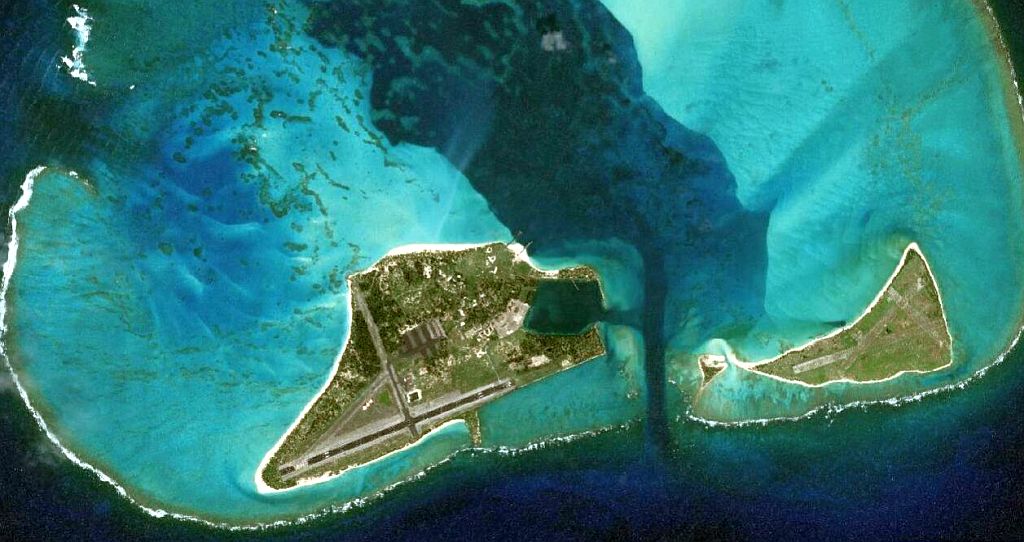
In the vast, blue expanse of the North Pacific Ocean, 1,300 miles northwest of Honolulu, sits a 2.4-square-mile speck of land known as Midway Atoll. While the island is famous for its pivotal role in World War II history, it currently serves a much more modern, yet equally critical, purpose: Henderson Field (MDY).
To the casual observer, the prospect of closing a remote airport that hasn’t seen commercial passenger service since 2002 seems like a logical cost-cutting measure. Maintaining a Part 139 certified airfield requires a significant, nine-figure investment, and the atoll is home to only about 40 residents—primarily U.S. Fish and Wildlife Service (FWS) staff and contractors. However, aviation experts, airline dispatchers, and global carriers are sounding the alarm. The potential decommissioning of Henderson Field is not merely a local infrastructure debate; it is a high-stakes geopolitical and economic issue that threatens to disrupt the efficiency of the world’s longest flights and compromise the safety net for transpacific air travel.
The State of Henderson Field: A Facility in Decline
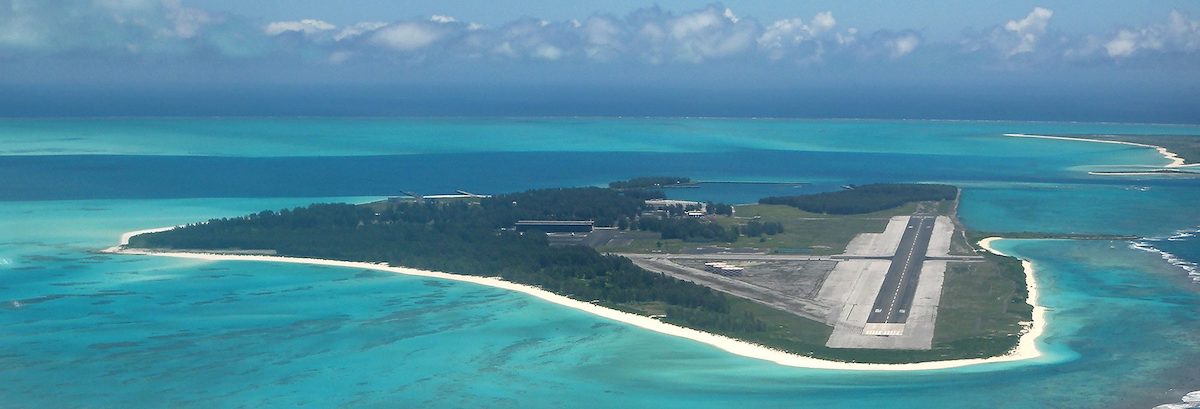
Henderson Field is an anomaly in the world of aviation. Unlike major international hubs operated by municipal authorities or private corporations, the Midway Atoll Airport is managed by the U.S. Fish and Wildlife Service. It is not a joint-use facility; it exists to support the atoll’s unique ecosystem and to act as a vital safety valve for aviation.
The current infrastructure is failing. According to the 2021 Midway Atoll Comprehensive Master Plan, the runway—which spans 7,800 feet, sufficient for large, wide-body aircraft—is approaching a "severe level of deterioration." The facility requires extensive milling, repaving, and critical seawall repairs to prevent encroachment from the rising Pacific. The estimated price tag for this overhaul exceeds $100 million.
Currently, the airport operates on a shoestring budget. The FWS utilizes roughly $2.5 million in annual Airport Improvement Program (AIP) funds, mandated by the 2003 FAA Reauthorization Act, alongside an additional $2.6 million in internal operational funding. This $5.1 million annual budget covers "minimum operational capability," but it is insufficient for the massive capital expenditure required to keep the runway operational for the next generation of long-haul aviation. The Department of Transportation (DOT) is now faced with a stark choice: authorize a massive investment or allow the certification of the airport to lapse within the next five years.
A Chronology of Necessity: Why Midway Matters
To understand why this remote strip of asphalt is worth $100 million, one must look at the history of Pacific diversions. The airport is not a theoretical safety net; it is an active participant in aviation risk management.
- 2002: The last year of regular commercial service to the atoll ends. The airport transitions into an emergency-only, government-managed facility.
- 2003–2021: The FAA docket records 11 emergency diversions into Henderson Field. Notably, at least four of these involved large Part 121 commercial airliners carrying over 800 passengers and crew combined. The reasons for these diversions were severe: cabin smoke, cracked windshields, and critical engine oil pressure loss.
- 2021: The Midway Atoll Comprehensive Master Plan is published, officially signaling the urgent need for structural investment.
- 2026: The DOT opens a formal inquiry and requests public comment on the future of the airfield, as the deadline for major rehabilitation approaches.
The data confirms that when a transpacific flight faces a catastrophic mechanical failure, Midway is often the difference between a controlled emergency landing and a tragedy.
The ETOPS Framework and Pacific Holes
The core of the argument against closing Henderson Field lies in the aviation safety standard known as ETOPS (Extended-range Twin-engine Operations Performance Standards). Historically, twin-engine planes were restricted to flying relatively close to airports. As modern jet engines became more reliable, regulators allowed planes to fly longer distances from land, provided they met strict maintenance and safety protocols.
The ETOPS rating—120, 180, 207, or 240—dictates how many minutes a plane can fly on a single engine to reach an emergency diversion point. The Aircraft Dispatchers Federation (ADF) has emerged as a vocal opponent of the closure, noting that the Pacific Ocean is already dotted with "holes"—vast areas where no airport is reachable within the mandated time limits.
"With Russian airspace closed to U.S. carriers for the foreseeable future, every flight between the mainland or Hawaii and Asia depends on a small set of mid-ocean and Aleutian airports," the ADF stated in a recent bulletin. Without Henderson Field, the remaining diversion options become dangerously sparse. If an additional airport were to close—such as the crucial Adak Island (PASY) in the Aleutians—the current ETOPS-180 coverage would collapse. Airlines would be forced to adopt longer, more circuitous routes, leading to higher fuel consumption, increased carbon emissions, and significant logistical nightmares.

Economic Implications: The "Project Sunrise" Factor
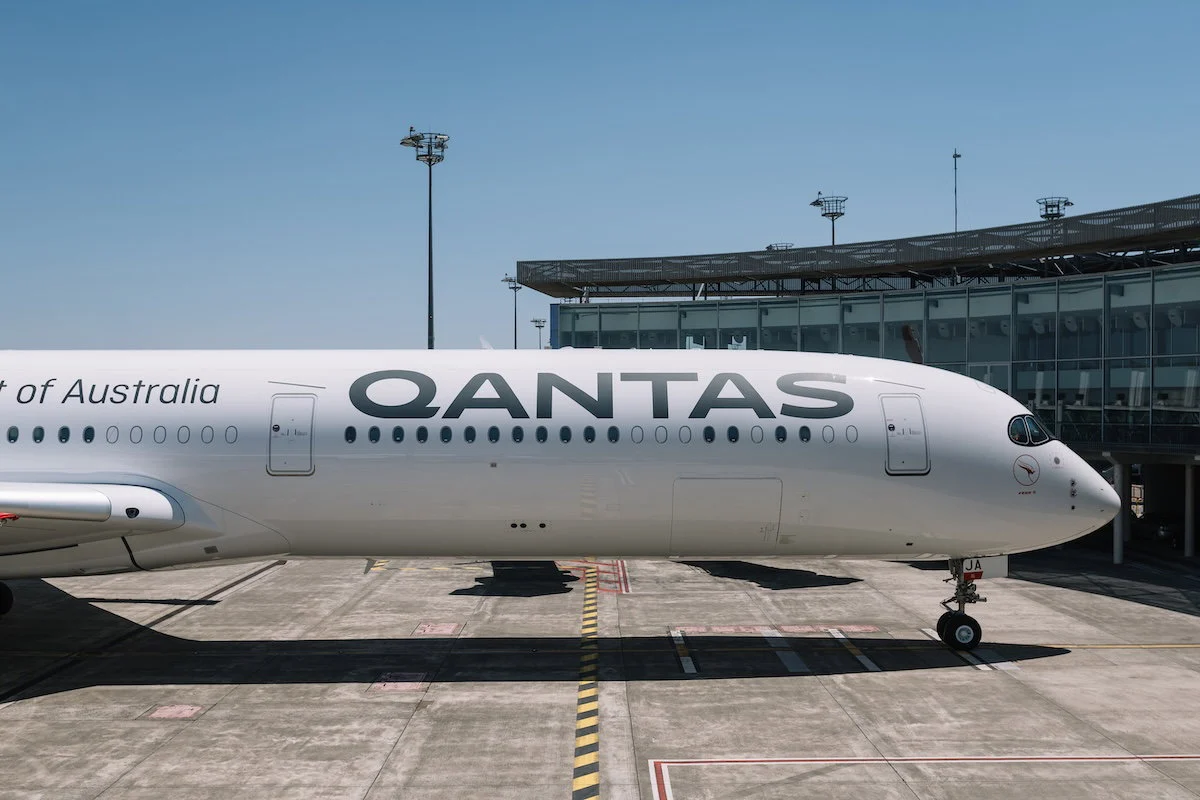
Perhaps the most compelling argument for the airport’s survival involves the cutting-edge economics of ultra-long-haul aviation. In 2027, Qantas is set to launch "Project Sunrise," a series of record-breaking, non-stop flights between Sydney and London.
These flights, operated by specialized Airbus A350-1000ULR aircraft, are engineered to the absolute limit of their physical range. The westbound route from Sydney to London is planned to track north toward Alaska before heading south. This route is not just chosen for efficiency; it is chosen to comply with safety regulations. If Midway Atoll were removed from the list of suitable diversion points, the flight path would no longer meet the regulatory requirements for the aircraft’s current ETOPS certification.
Qantas has estimated that the loss of Midway as an alternate would force them to carry an additional 2,200 kilograms of fuel. Because of the weight constraints inherent in flying thousands of miles without stopping, that extra fuel would displace over 20 passengers. In the thin-margin world of ultra-long-haul commercial aviation, losing 20 seats per flight is a financial catastrophe that could jeopardize the entire program. As Qantas noted, the geopolitical constraints already forcing longer routes make the loss of Midway a risk that threatens the "long-term viability" of their flagship project.
Official Responses and the Path Forward
The Department of Transportation and the FAA are currently navigating a complex bureaucratic path. The challenge is balancing the needs of the U.S. Fish and Wildlife Service, which views the atoll primarily as a National Wildlife Refuge, against the needs of the global aviation community.
Environmentalists argue that increased human activity on the atoll—even if limited to emergency aircraft landings—poses risks to the sensitive bird populations and marine life that define the refuge. However, aviation advocates argue that the "human footprint" of an airport that already exists is far smaller than the ecological damage caused by thousands of extra tons of fuel burned by planes forced to fly circuitous, inefficient routes because a diversion point was removed.
Conclusion: A Costly But Essential Investment
The debate over Midway Atoll Airport is a microcosm of a larger challenge in modern infrastructure: how to maintain legacy assets that are rarely used but fundamentally essential. While $100 million is a significant sum, it pales in comparison to the potential cost of an aviation incident occurring in a remote "hole" of the Pacific where no diversion airport exists.
Furthermore, as climate change alters jet streams and geopolitical instability closes traditional flight corridors, the resilience of the global aviation network has never been more important. Henderson Field is not just a relic of the Pacific war; it is a vital pillar of the modern global economy. Whether the government chooses to prioritize the immediate fiscal bottom line or the long-term safety and efficiency of the skies remains to be seen. However, the message from the industry is clear: in the middle of the world’s largest ocean, the lights at Midway cannot simply be turned off.