







In the complex ecosystem of personal finance, your credit score acts as your financial reputation. While most consumers are acutely aware of the "big hitters"—payment history and credit utilization—there is a subtle, yet significant, component that often sits in the background: your credit mix. Understanding this element is essential for those looking to move from a "good" credit score to an "excellent" one.
Main Facts: Defining the Credit Mix
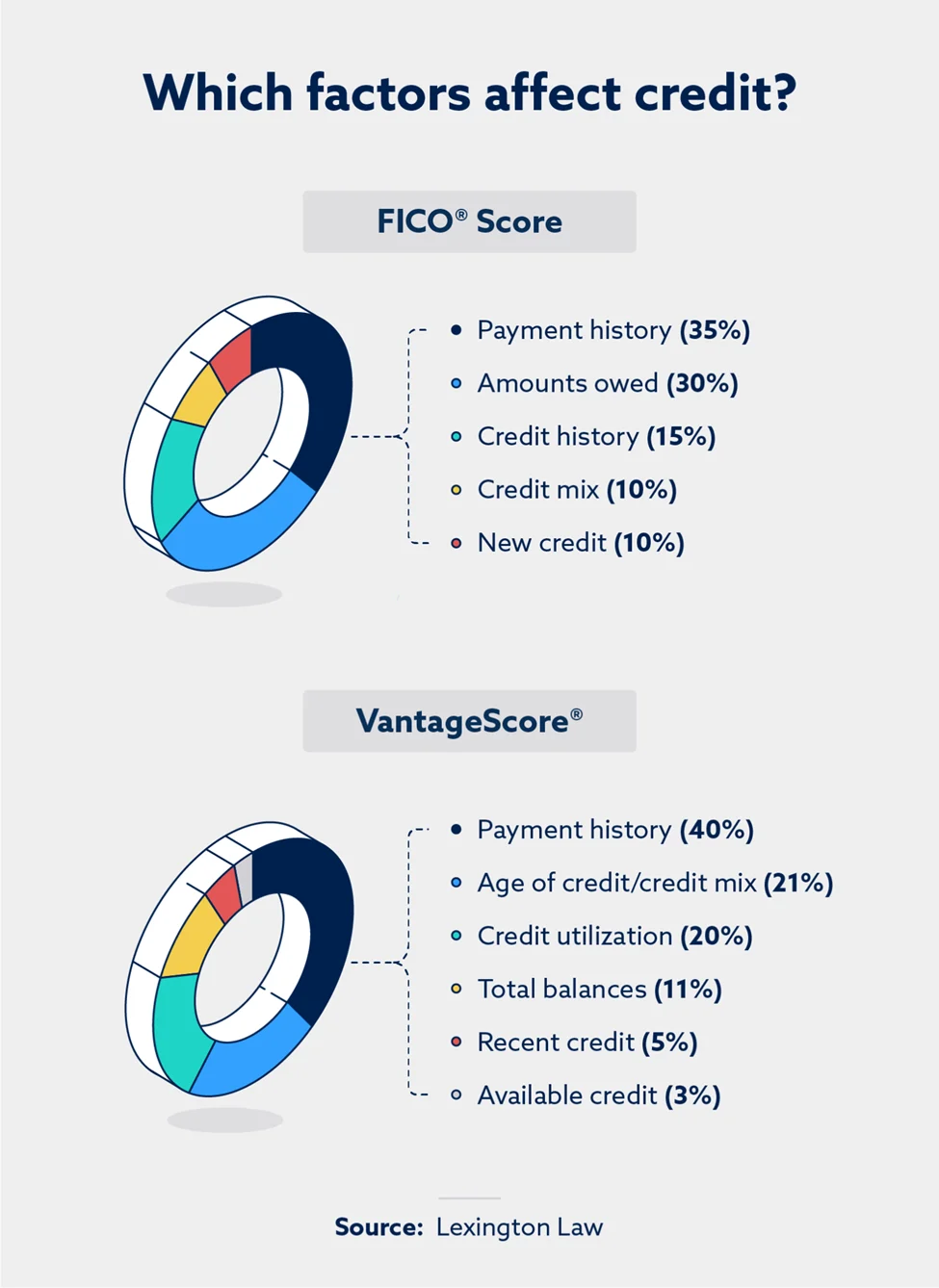
At its core, "credit mix" refers to the diversity of credit accounts appearing on your credit report. It is not merely a tally of how many accounts you hold, but rather a reflection of your ability to manage different types of financial obligations simultaneously. Credit scoring models, such as the widely used FICO® score, allocate approximately 10 percent of your total score to this category.
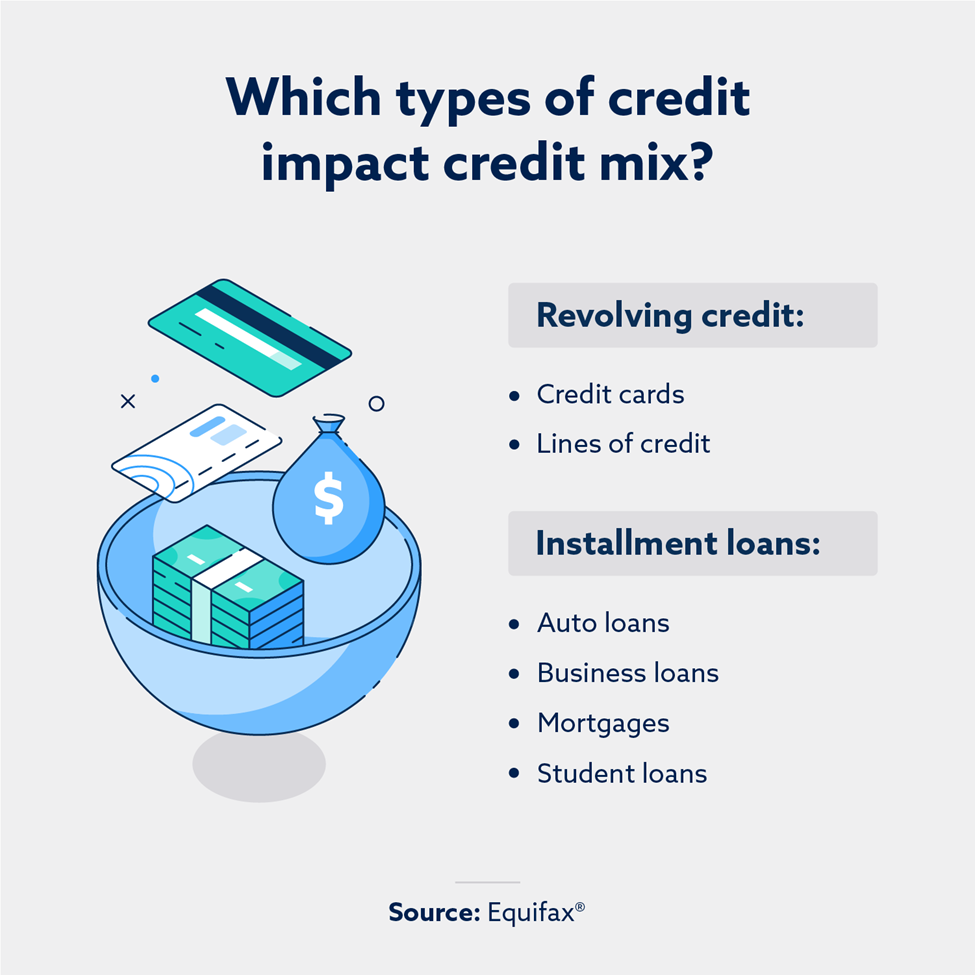
To understand the mix, one must distinguish between the two fundamental pillars of credit:
- Revolving Credit: These accounts allow you to borrow funds repeatedly up to a predetermined limit. As you pay down the balance, the credit becomes available again. Prime examples include credit cards and home equity lines of credit (HELOCs).
- Installment Credit: This represents a fixed amount of debt borrowed for a specific purpose, repaid over a set term with scheduled, predictable payments. Common forms include mortgages, auto loans, and student loans.
Lenders analyze this mix to assess your versatility as a borrower. An individual who manages both an installment loan and a revolving account demonstrates a broader proficiency in handling debt, which serves as a lower-risk indicator for financial institutions.

The Chronology of Credit Development
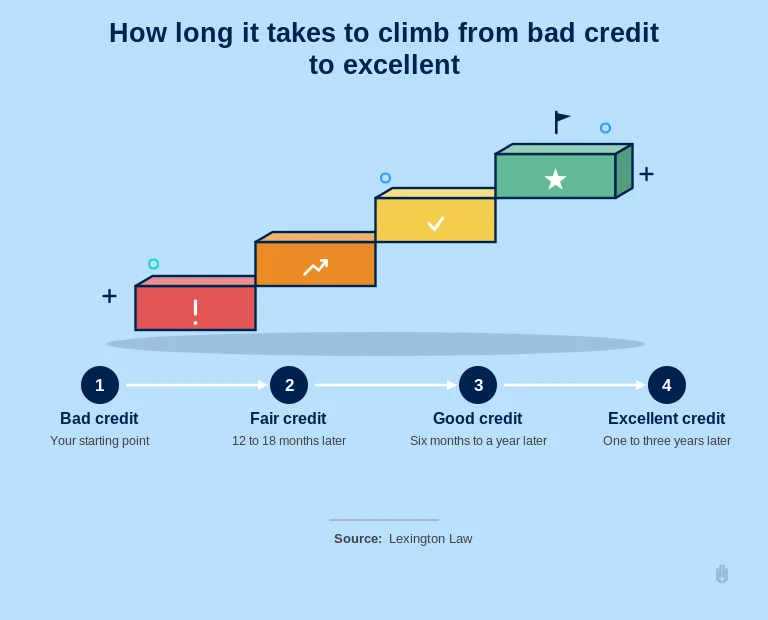
Building a healthy credit mix is not a sprint; it is a gradual evolution that mirrors your life stages.
- The Foundation: Most consumers begin their journey with a single revolving account, such as a secured credit card or a student credit card. At this stage, the "mix" is nonexistent, which is perfectly normal.
- The Expansion: As financial needs grow, individuals typically transition into installment debt. This often occurs when a person finances their first vehicle or takes out a student loan. This is the moment a "mix" is officially established.
- The Maturity: Over several years, a seasoned credit profile might include a variety of these accounts—a credit card, an auto loan, and eventually a mortgage.
- The Maintenance: The final phase involves maintaining these accounts with impeccable payment history, ensuring that the diversity of the accounts remains a positive signal rather than a burden.
Supporting Data and Scoring Mechanics
It is a common misconception that more accounts automatically equal a higher score. Data consistently shows that scoring models favor variety over volume.
A profile consisting of a diverse array of well-managed accounts—for instance, one credit card, one auto loan, and one mortgage—is mathematically viewed more favorably than a profile containing six different credit cards. The latter demonstrates a heavy reliance on a single type of credit, whereas the former shows a sophisticated ability to manage different financial structures.
The Weight of Factors:

- Payment History (35%): The undisputed king of credit scores.
- Credit Utilization (30%): How much of your revolving credit you are currently using.
- Length of Credit History (15%): How long you have been managing debt.
- New Credit (10%): The impact of recent inquiries and account openings.
- Credit Mix (10%): The diversity of your portfolio.
While the 10 percent attributed to credit mix may seem small, it is often the deciding factor in "borderline" cases. When two applicants have similar payment histories and utilization rates, the one with a more diverse credit mix will almost invariably secure the lower interest rate or higher approval odds.
Official Industry Perspectives
Financial experts and credit bureaus, including Equifax, Experian, and TransUnion, emphasize that credit mix should never be "engineered" for the sake of a score.
The industry consensus is clear: Never take on debt you do not need. Opening an unnecessary loan just to "add variety" to your credit report is a flawed strategy. The costs—interest payments, potential origination fees, and the negative impact of hard inquiries on your credit report—far outweigh the marginal gains of a slightly better credit mix.
Furthermore, it is critical to note what does not count. Despite the rise of services that allow you to pay utility, phone, or rent bills to boost your score, these generally do not contribute to your traditional credit mix. While they can provide a boost to your score through "alternative data," they are not a substitute for the traditional revolving/installment structure that lenders scrutinize.

Strategic Implications: How to Improve Your Profile
If you find that your credit mix is lacking, the best approach is patience and organic growth.
1. Optimize Your Existing Accounts
Before considering new credit, ensure your current accounts are flawless. Maintain low utilization on revolving lines and ensure every payment on your installment loans is made on time. A diverse mix is useless if it is accompanied by missed payments.
2. Avoid "Credit Chasing"
Resist the urge to open multiple credit cards or take out small personal loans just to check a box. Every time you apply for a new account, a "hard inquiry" is logged on your report. If you apply for multiple accounts in a short period, your score will drop, and you may appear "credit hungry" to lenders.
3. Let Your Lifestyle Dictate Your Credit
The healthiest way to build a credit mix is to let your life events drive your financial decisions. If you need a car, finance it. If you are ready for homeownership, get a mortgage. These milestones naturally expand your credit mix without you having to force the issue.
4. Audit for Inaccuracies
Sometimes, your credit mix appears poor not because you lack diversity, but because a reporting error is skewing the data. Perhaps an old, paid-off installment loan is listed as "open," or a closed account is missing. Periodically reviewing your credit reports from all three major bureaus is a non-negotiable step in maintaining a clean financial profile.
Addressing Inaccuracies: The Role of Professional Advocacy
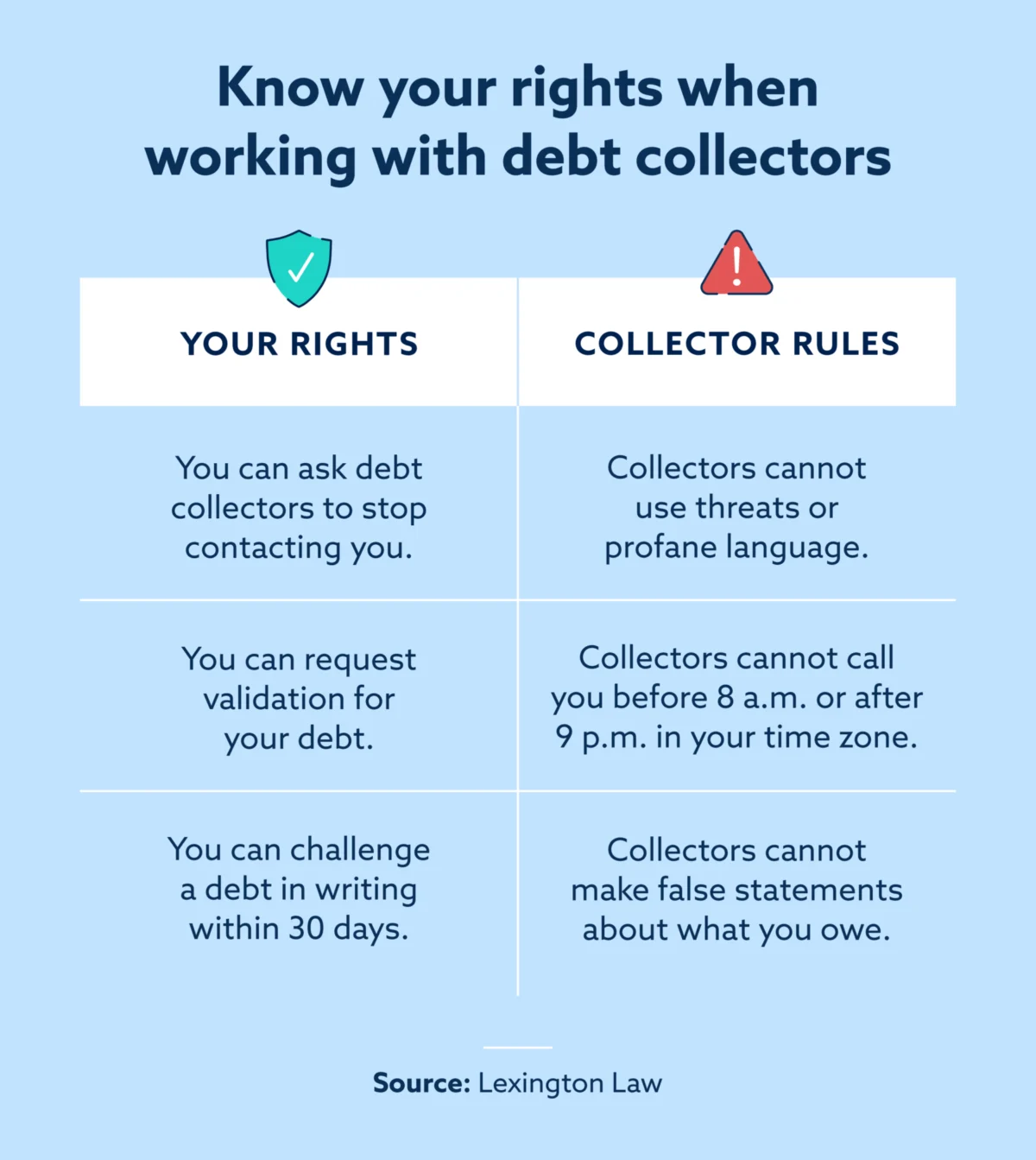
A single, inaccurate entry can have an outsized impact on your credit health. If you identify an error—such as an account that shouldn’t be there or a misreported payment status—it is essential to address it immediately.
For those who find the process of disputing errors overwhelming, professional firms like Lexington Law offer resources to help navigate the complexities of credit reporting. By conducting a comprehensive credit assessment, you can identify which items may be dragging down your score and take the necessary steps to challenge them. Leveraging expert guidance can provide clarity on whether your credit mix is truly representative of your financial responsibility.
Frequently Asked Questions (FAQs)
Q: Can having too many accounts hurt my mix?
A: Having many accounts does not directly punish your credit mix, but it can negatively impact other areas of your score. Specifically, it can reduce your average account age and result in numerous hard inquiries, which can lead to a score dip.
Q: Do I need every type of credit to achieve a perfect score?
A: No. A "perfect" credit mix is not about having one of everything; it is about having a balanced portfolio. A mix of one revolving account and one installment account is often sufficient to satisfy this scoring category.
Q: Are charge cards considered revolving or installment?
A: Charge cards are typically categorized as revolving credit. Even though they often require the balance to be paid in full each month, they provide the flexibility associated with revolving lines.
Q: If I already have a credit card, will adding a second one improve my mix?
A: Generally, no. Adding a second credit card adds more revolving debt but does not increase the diversity of your credit types. To improve your mix, you would need to introduce a different category, such as an installment loan.
Conclusion
Your credit mix is the silent partner of your financial health. While it is not the primary driver of your credit score, it provides the nuance that lenders look for when assessing your reliability. By focusing on responsible management of the credit you already have—and allowing your credit profile to grow alongside your legitimate financial needs—you can build a robust, diverse, and healthy credit history that will serve you well for years to come. Remember: the goal is not to have a "perfect" mix of loans, but to demonstrate that you are a borrower who can be trusted with any financial tool you choose to use.