









In the wake of shifting economic tides, the American household is facing a complex financial landscape. According to data from the Federal Reserve Bank, total consumer debt in the United States surged to a staggering $17.29 trillion by the third quarter of 2023. While the sheer frequency of accounts entering the collection process has shown a marginal decline, the intensity of individual debt burdens is rising. Current studies indicate that the average debt account in collections now exceeds $1,600, a significant increase from the $1,200 average recorded in 2022.
For millions of Americans, the sudden arrival of a notice from a debt collection agency can be a source of immense anxiety. However, financial distress does not strip a citizen of their legal protections. Understanding the regulatory framework that governs debt collection is the first, and perhaps most critical, step toward reclaiming financial agency.
The Landscape of Debt: Main Facts and Economic Context
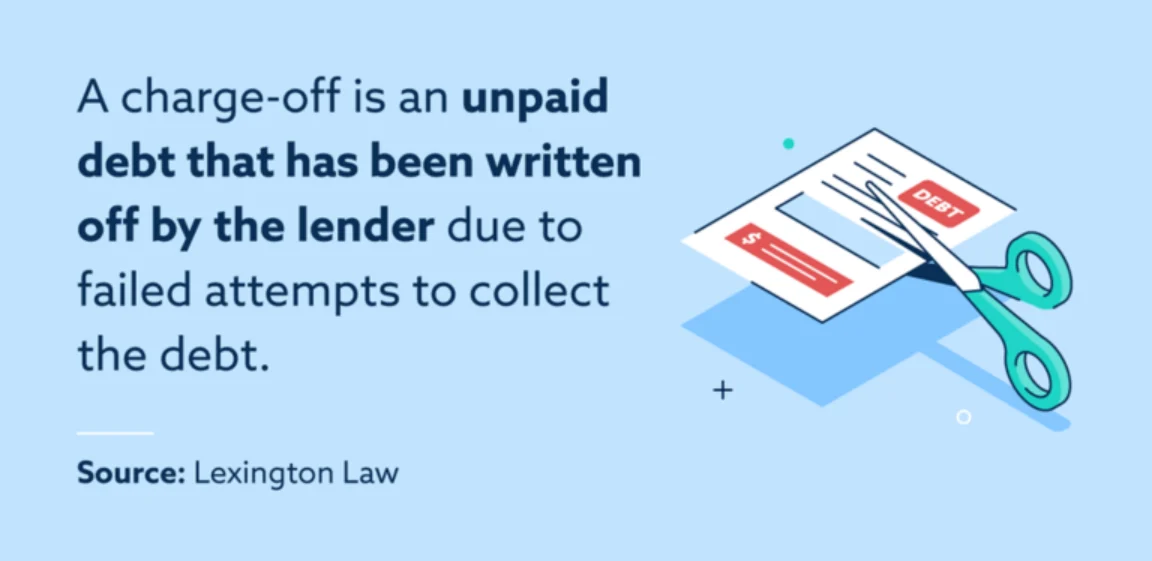
The current climate of consumer debt is defined by a dichotomy: while credit card delinquency rates are normalizing after pandemic-era lows, the total volume of debt remains at record highs. When a lender determines that a debt is unlikely to be repaid, they often "charge off" the account and sell it to a third-party debt collector for pennies on the dollar, or they hire a collection agency to act as a intermediary.
This transition from a primary lender to a collection agency is where many consumers feel the most vulnerable. It is vital to recognize that the debt collector is bound by a strict set of federal and state laws. Their goal is profit, but they must operate within the parameters of the Fair Debt Collection Practices Act (FDCPA), the Fair Credit Reporting Act (FCRA), and various Unfair or Deceptive Acts or Practices (UDAP) regulations.
Chronology: How Debt Moves from Delinquency to Collections
The path to collections is rarely instantaneous, though it can feel that way. Understanding the timeline helps consumers intervene before the situation escalates.

- The Missed Payment: The process typically begins when a payment is missed. Most lenders will reach out via email, phone, or mail to request the payment.
- Internal Collections: For the first 30 to 90 days, the original creditor usually handles the collection internally. This is the "golden window" for communication, as you can often negotiate a payment plan or hardship program directly with the source.
- Charge-Off: If the account remains unpaid for approximately 180 days, the creditor writes it off as a loss for tax purposes. At this stage, the account is often sold to a debt buyer or assigned to a collection agency.
- Third-Party Outreach: Once the account hits an agency, the debt is often reported to the three major credit bureaus (Equifax, Experian, and TransUnion), leading to a significant drop in your credit score.
- Legal Action: If the debt remains unpaid after extensive collection efforts, the agency may decide to escalate the matter by filing a lawsuit. If they win a judgment, they may be authorized to garnish wages or levy bank accounts, depending on state law.
Supporting Data: The Rising Tide of Individual Debt
The rise in average account balances—from $1,200 to over $1,600—reflects a broader trend of inflationary pressure on essential living costs. As consumers rely more heavily on credit to bridge the gap between stagnant wages and rising costs for housing, food, and energy, the buffer against financial shocks has evaporated.
Data suggests that the "debt-in-collection" rate is becoming increasingly concentrated among younger demographics and those in lower-to-middle-income brackets. This statistical shift highlights a growing necessity for financial literacy regarding credit repair and consumer rights.
The Shield of Legislation: Your Legal Protections
The Fair Debt Collection Practices Act (FDCPA)
Enacted in 1977, the FDCPA serves as the primary barrier against predatory tactics. It explicitly prohibits collectors from:
- Calling at unreasonable hours (before 8 a.m. or after 9 p.m.).
- Using profane, abusive, or threatening language.
- Threatening legal action that they do not intend to take or that is not legally permitted.
- Discussing your debt with third parties, such as your employer, neighbors, or family members.
- Misrepresenting the amount owed or falsely claiming to be law enforcement or legal counsel.
The Fair Credit Reporting Act (FCRA)
The FCRA governs the accuracy of the information provided to credit bureaus. If a debt collector reports inaccurate information—such as a debt that has already been paid or an amount that is incorrect—you have the legal right to dispute it. By filing a formal dispute, the credit bureau is required to investigate the claim. If the creditor cannot provide verifiable proof of the debt, the entry must be removed or corrected.
UDAP Regulations
Unfair or Deceptive Acts or Practices (UDAP) regulations are broader, catch-all rules enforced by the Consumer Financial Protection Bureau (CFPB). These regulations target any business practice that is likely to mislead a reasonable consumer or cause substantial, unavoidable injury. This includes charging hidden fees, "zombie debt" collection (attempting to collect on debts that have already been paid or are past the statute of limitations), and impersonation.

Official Responses and Consumer Recourse
If you find yourself in the crosshairs of a collection agency, silence is rarely the best strategy. Instead, adopt a methodical approach:
- Request Verification: Upon the first contact, demand a "debt validation letter." You have 30 days to request this information in writing. If the collector cannot provide proof of the debt and their legal right to collect it, they must cease collection efforts.
- Keep Records: Maintain a log of every interaction. Note the date, time, the agent’s name, and the nature of the conversation. If a collector violates the FDCPA, this log is your strongest piece of evidence.
- File Complaints: If a collector crosses the line, report them immediately. You can file complaints with the Consumer Financial Protection Bureau (CFPB), your state’s Attorney General’s office, and the Federal Trade Commission (FTC).
Implications: The Path Forward
Ignoring a debt collector does not make the obligation disappear; in fact, it often emboldens agencies to escalate their efforts, leading to potential legal judgments that can haunt your financial future for a decade.
Strategic Options for the Indebted
- Debt Settlement: If you have access to a lump sum, you may be able to negotiate a settlement for a percentage of the total debt. Warning: Always obtain the agreement in writing before transferring a single cent.
- Statute of Limitations: Be aware of your state’s statute of limitations on debt. Once this period expires, a creditor cannot legally sue you for the debt. However, be cautious: making a partial payment or acknowledging the debt in writing can sometimes "reset the clock," restarting the statute of limitations.
- Bankruptcy: As a last resort, bankruptcy provides a "fresh start" by triggering an automatic stay—a legal injunction that halts all collection activity immediately upon filing. While this will impact your credit score for up to 10 years, it can provide the breathing room necessary to regain stability.
Conclusion: Protecting Your Financial Health
Navigating debt collection is a test of patience and resolve. The system is designed to favor creditors, but the law provides specific tools for the informed consumer to defend their rights. By understanding the FDCPA, monitoring your credit reports, and communicating proactively—rather than defensively—you can manage the situation without sacrificing your long-term financial health.
If you are overwhelmed by the process, consider consulting with a reputable credit professional. Taking positive, proactive steps today is the only way to ensure that your financial past does not dictate your future.
Disclaimer: The information provided in this article is for general informational purposes only and does not constitute legal, financial, or credit advice. Laws vary by jurisdiction, and individual circumstances differ. Readers are encouraged to consult with qualified legal or financial professionals regarding their specific situations. Accessing this information does not create an attorney-client relationship.