







For millions of American households, navigating the complexities of credit is a daily challenge. Whether you are planning to finance a new vehicle, consolidate high-interest credit card debt, or manage everyday household expenses, the way you borrow money matters. Every loan or credit account on your credit report is categorized into one of two distinct structures: installment credit or revolving credit.
Understanding the difference between these two is not just a matter of financial literacy; it is a strategic necessity. Miscalculating which product fits your specific financial situation can lead to higher interest costs, diminished liquidity, and unnecessary stress on your credit score. This guide provides an in-depth exploration of how these credit types function, their impact on your financial health, and how to manage them for long-term stability.
Main Facts: Defining the Two Pillars of Credit
At its core, the distinction between installment and revolving credit is found in the repayment mechanism and the nature of the borrowed funds.
What Is Revolving Credit?
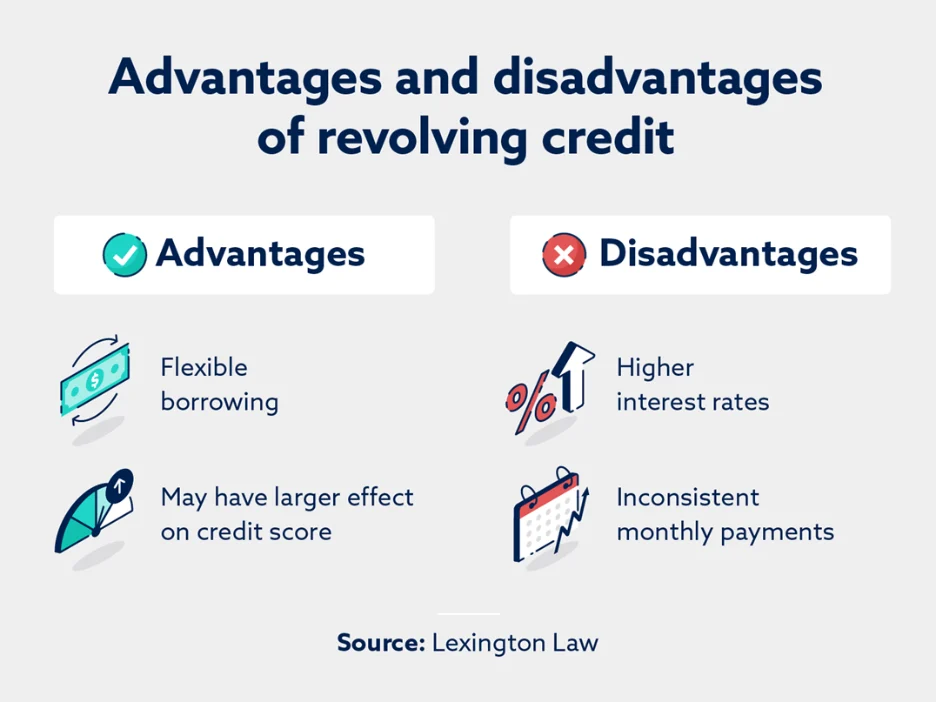
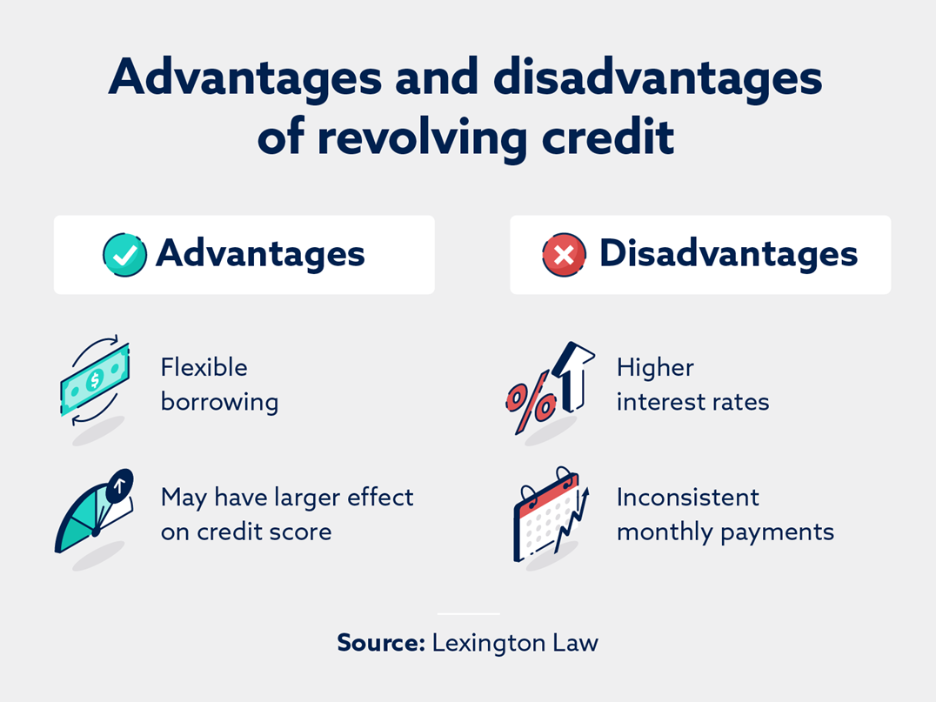
Revolving credit acts as a fluid line of access. When you open a revolving account, you are granted a maximum credit limit. You have the freedom to borrow, repay, and borrow again without the need to apply for a new loan each time.
- Flexibility: You only pay interest on the amount you currently owe, not the total limit available.
- Duration: These accounts remain open indefinitely as long as you maintain your standing with the lender and stay within your borrowing limit.
- Common Examples: Credit cards, Home Equity Lines of Credit (HELOCs), and personal lines of credit provided by banks or credit unions.
What Is Installment Credit?
Installment credit is defined by its rigidity and predictability. You receive a single, lump-sum disbursement of funds at the beginning of the agreement. This sum is then repaid through a series of fixed monthly payments over a predetermined timeframe, known as the "term." Once the final payment is made, the account is closed.
- Predictability: Because payments are typically fixed, you know exactly when the debt will be extinguished.
- Structure: You cannot "re-borrow" from an installment loan once you have paid it down; if you require additional funds, you must apply for a new loan.
- Common Examples: Mortgage loans, auto loans, student loans, and personal loans.
Chronology: How Debt Evolution Impacts Your Credit Profile
To understand how these accounts affect your financial future, one must view them through the lens of a credit lifecycle.
The Inception Phase
When you first open an account, the "hard inquiry" associated with the application typically causes a minor, temporary dip in your credit score. However, the nature of the account immediately begins to shape your "credit mix." Creditors and scoring models look favorably upon individuals who can demonstrate the ability to manage both revolving and installment debt simultaneously, as it suggests financial maturity.
The Management Phase
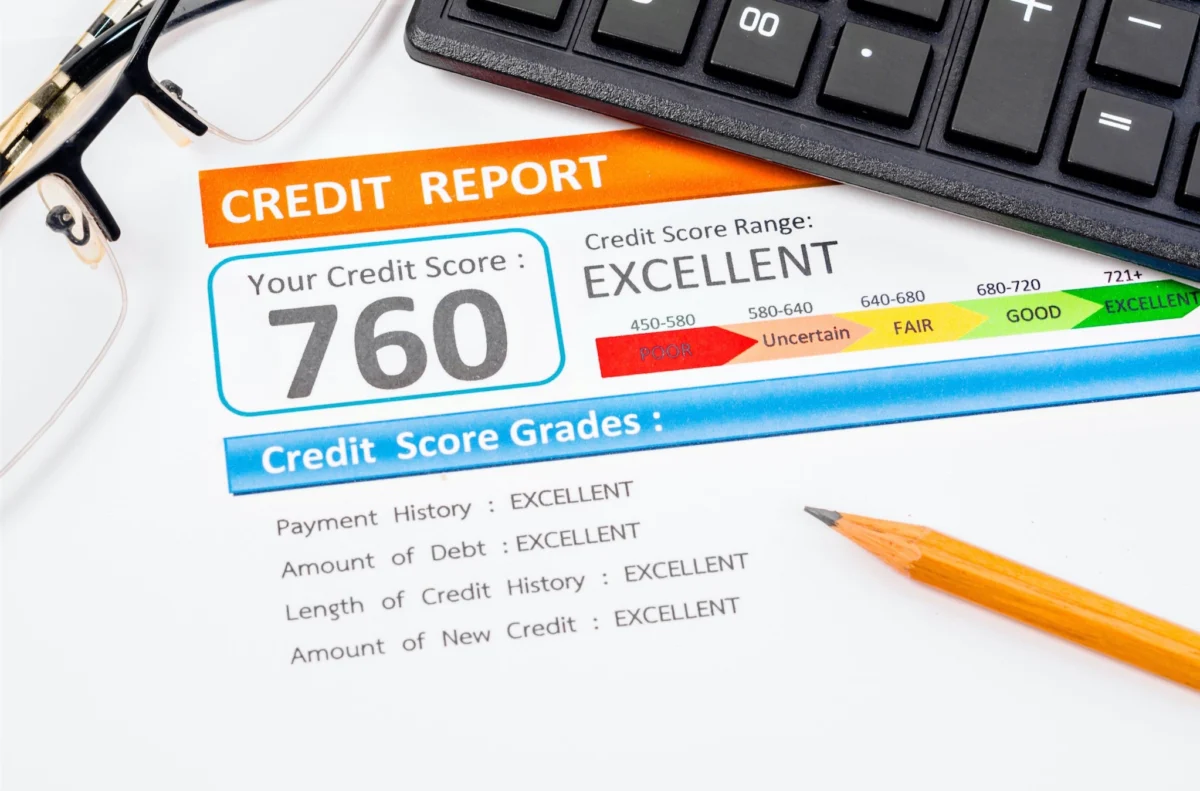
This is where the majority of your score is built or damaged. For revolving credit, the most critical metric is credit utilization—the percentage of your total limit currently in use. Keeping this ratio below 30% is a fundamental rule of thumb for maintaining a high FICO® score.

For installment loans, the focus is entirely on payment history. Since the installment amount is fixed, the "utilization" aspect of revolving credit does not apply. Instead, the consistency of your monthly payments over the life of the loan acts as a bedrock for your credit profile.
The Completion Phase
Once an installment loan is paid off, you may notice a slight fluctuation in your score. While closing an account can sometimes reduce your "average age of accounts," the reduction in your total debt load is generally viewed as a positive development. Conversely, closing a revolving account (like a credit card you’ve held for years) can be more detrimental, as it may negatively impact your overall credit history length and total available credit.
Supporting Data: The Math Behind the Decision
The choice between revolving and installment credit is often a battle between convenience and cost-efficiency. Consider the real-world scenario of needing to cover an unexpected $6,000 emergency expense.
Scenario A: The Revolving Credit Route
If you charge the $6,000 to a credit card with a 24% APR and commit to paying $300 per month, the compounding interest works against you. Over the course of approximately two years, you would pay roughly $1,300 in interest alone. Because the interest is variable and calculated on the daily balance, any delay in payments or additional charges can balloon the final cost significantly.
Scenario B: The Installment Loan Route
If you secure a personal installment loan for the same $6,000 at a fixed 12% APR over three years, your interest costs would drop to approximately $1,150. More importantly, the monthly payment is locked in. There is no risk of the interest rate spiking, and you have a definitive "end date" for the debt, which provides psychological and financial peace of mind.
Key Statistical Takeaways for Your Credit Score:
- Payment History (35% of FICO score): The most significant factor for both account types.
- Amounts Owed/Utilization (30% of FICO score): Heavily influenced by revolving credit balances.
- Credit Mix (10% of FICO score): Diversifying your portfolio with both installment and revolving credit can positively influence this category.
Official Perspectives and Professional Guidance
Financial experts and credit bureaus emphasize that neither structure is inherently "bad." The danger lies in misuse.
"The core difference between revolving and installment credit comes down to repayment structure rather than which one is inherently safer," notes financial researchers. "Both can support your credit when managed well, and both can work against you when mismanaged."
When to Choose Which?
- Use Revolving Credit for: Ongoing, variable expenses that you can pay off in full every month to avoid interest, or for short-term liquidity needs.
- Use Installment Credit for: Large, one-time purchases (like a car or a home) or debt consolidation, where a fixed, predictable schedule helps you stay on track without the temptation to re-borrow.
Implications: Fixing Errors and Maintaining Your Standing
A critical, often overlooked aspect of credit management is the accuracy of your reporting. Even if you are a model borrower, an inaccurate late payment or an incorrectly reported balance on either a revolving or installment account can severely penalize your credit score.
If your credit report contains inaccuracies, it may limit your ability to qualify for the favorable interest rates necessary to make installment loans affordable or to secure the higher limits needed for responsible revolving credit management.
Steps to Take:
- Monitor Regularly: Obtain your credit reports from all three major bureaus (Equifax, Experian, and TransUnion) to ensure all data is accurate.
- Dispute Errors: If you find an account that isn’t yours or a payment marked late that was actually on time, initiate a dispute immediately.
- Assess Your Mix: If you only have credit cards, consider how an installment loan might help round out your profile, but only if you have the budget to handle the fixed monthly payments.
- Seek Professional Assessment: If you feel overwhelmed by the complexities of your credit report, services like a free credit assessment can help identify specific items that may be hindering your financial goals.
Frequently Asked Questions
Can a personal loan become revolving?
No. Personal loans are inherently installment products. Once the loan is issued, the terms are fixed. If you need a revolving facility, you must apply for a separate line of credit.
Is a HELOC an installment loan or a revolving line of credit?
A HELOC is a revolving line of credit. You borrow against your home’s equity, repay it, and can borrow again. However, many HELOCs have a "draw period" that eventually converts into a fixed repayment period, mimicking an installment loan at the end of the term.
Does paying off a personal loan early help my credit score?
Not necessarily. While it saves you money on interest, it may cause a minor, temporary dip in your score due to the reduction in your total number of accounts or a change in your credit mix. The long-term benefit of debt reduction, however, usually outweighs this temporary fluctuation.
Do installment loans build credit?
Yes. Consistently making on-time payments on an installment loan contributes positively to your payment history, which is the most influential factor in your credit score.
Disclaimer: This article is provided for informational purposes only and does not constitute legal, financial, or credit advice. Always consult with a qualified professional before making significant financial decisions.