









In an era where digital financial management has become the norm, maintaining a watchful eye on your credit health is no longer a luxury—it is a necessity. Your credit score acts as a digital handshake with the financial world, dictating everything from your mortgage interest rates to your ability to secure a new apartment or even land certain professional roles. Fortunately, keeping tabs on this critical metric has never been easier or more accessible.
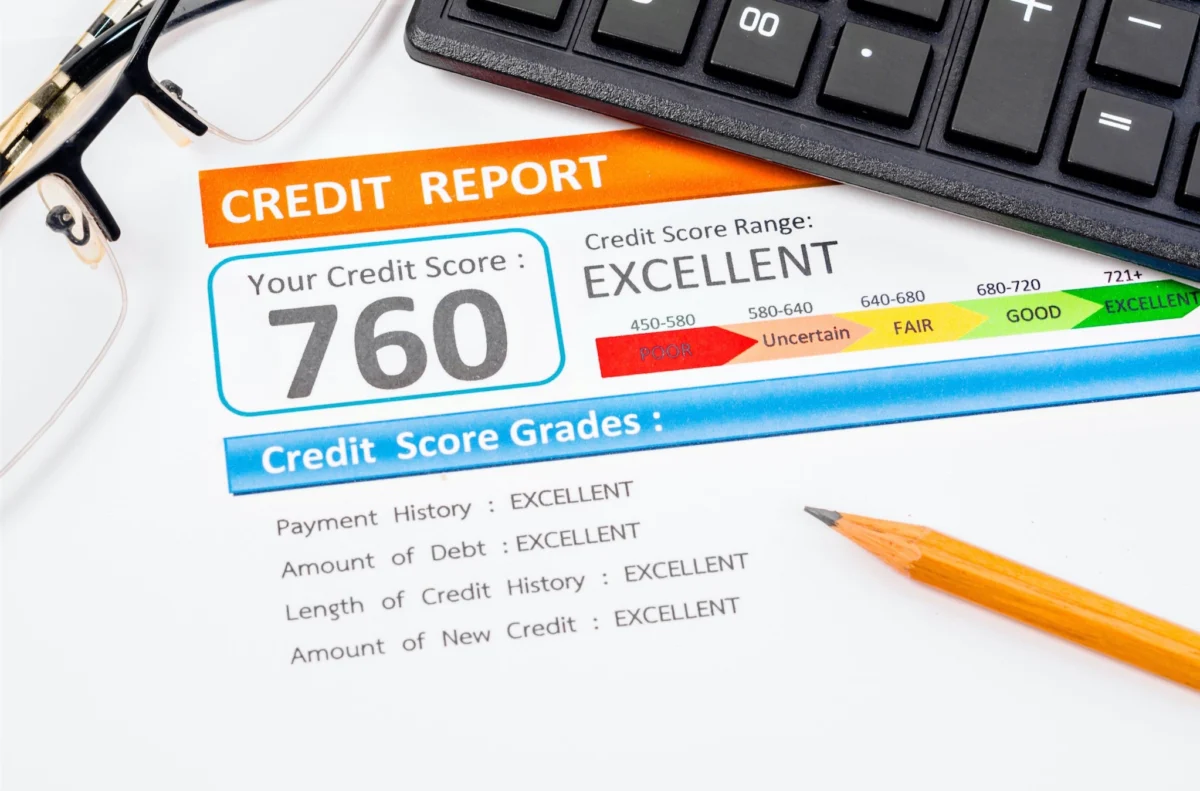
A free credit score app functions as a window into your financial reputation. By pulling data from one of the three major credit bureaus—Experian, Equifax, or TransUnion—these platforms utilize established scoring models, such as FICO or VantageScore, to provide you with a real-time snapshot of your creditworthiness. While the market is flooded with options, the best tools are those that provide predictable updates, transparent data, and a user interface that transforms complex financial jargon into actionable insights.
The Foundation: Understanding Scoring Models and Data
Before selecting an app, it is vital to understand what you are actually looking at. There are two primary "languages" of credit scoring:
- FICO Scores: Used in approximately 90% of lending decisions, the FICO model is the gold standard for banks, mortgage lenders, and auto loan providers. If you are preparing for a major life purchase, prioritizing a FICO-based app is essential.
- VantageScore: Developed through a partnership between the three major bureaus, this model is excellent for general tracking and observing trends. While it is less commonly used for final loan approvals, it remains a reliable barometer for your overall financial health.
Chronology of Credit Monitoring: From Manual Requests to Instant Access
Historically, consumers had to pay for credit reports or wait for annual physical copies to be mailed to them. The passage of the Fair Credit Reporting Act (FCRA) paved the way for modern transparency, but the "app revolution" truly democratized this information.
Over the last decade, the landscape has shifted from passive, static reports to active, dynamic dashboards. Today, the 11 apps detailed below represent the current apex of this evolution, ranked by their accuracy, frequency of updates, and user-friendly experience.
The Top 11 Free Credit Score Apps
1. Experian: The Gold Standard for FICO Accuracy
Experian remains the undisputed leader for those who prioritize the FICO model. As the only major free app providing an authentic FICO score rather than an estimate, it gives users the most accurate view of how lenders perceive their file. Furthermore, the Experian Boost® feature allows users to self-report utility, rent, and streaming payments, potentially elevating scores by capturing positive payment behaviors that are often ignored.
2. myFICO: The Source of Truth
Operated by the Fair Isaac Corporation—the creators of the FICO score itself—myFICO offers an unparalleled level of authority. While the free tier refreshes monthly, its integration with Equifax data provides a reliable baseline for long-term monitoring.
3. Credit Snapshot with Lexington Law
For individuals concerned about potential errors, Credit Snapshot serves as a focused, uncluttered entry point. Unlike apps packed with aggressive cross-selling, this tool emphasizes clarity. It acts as a bridge between monitoring your credit and accessing professional dispute services, allowing users to move from identifying a discrepancy to seeking a formal review seamlessly.
4. Credit Sesame: The "Grade" Approach
Credit Sesame simplifies the score into a "Sesame Grade," which breaks down performance by letter. This is particularly helpful for those who find three-digit numbers abstract. By focusing on the factors driving the score, it encourages proactive management.
5. WalletHub: The Speed Demon
For users who require constant vigilance, WalletHub offers the fastest refresh cadence in the industry: daily updates. This is ideal for individuals in the midst of credit recovery or those who are hyper-vigilant about unauthorized account activity.
6. Credit Karma: Multi-Bureau Coverage
Credit Karma provides free access to data from two bureaus: TransUnion and Equifax. By pairing this with an Experian-based app, a consumer can essentially achieve a comprehensive "three-bureau" view without spending a dime.
7. NerdWallet: The Personal Finance Hub
NerdWallet excels by integrating credit monitoring into a broader personal finance ecosystem. It is an excellent choice for users who want to manage their budget, cash flow, and credit score in a single, unified interface.

8. SavvyMoney: The Integrated Banking Tool
SavvyMoney is a hidden gem for those who prefer not to download third-party apps. Often embedded directly into your existing banking portal, it offers a secure, convenient way to check your credit score without needing an extra login.
9. LendingTree: Data-Driven Insights
LendingTree’s "Spring" app focuses on weekly updates and personalized insights. It provides a clear roadmap for users, showing exactly which behaviors—such as high credit utilization—are causing a score to stagnate or dip.
10. Capital One CreditWise: Security-First
CreditWise is available to everyone, regardless of whether they bank with Capital One. Its inclusion of dark-web monitoring is a standout feature, providing an extra layer of identity protection that goes beyond simple credit score tracking.
11. Chase Credit Journey: No-Strings-Attached Access
Like CreditWise, Chase Credit Journey is open to the public. It offers a detailed breakdown of the factors influencing your VantageScore 3.0, making it a robust, no-cost tool for those who want deep visibility into their credit history.
Supporting Data: Why Consistency Matters
Research indicates that consumers who check their credit score at least monthly are 25% more likely to identify and report identity theft within the first 30 days of an incident. Furthermore, regular monitoring encourages "financial mindfulness." When you see your score move in response to a paid-off credit card or a reduced balance, the psychological reinforcement creates a positive feedback loop, encouraging continued responsible financial habits.
Official Responses and Industry Perspectives
Financial experts emphasize that while apps are powerful, they are not "credit repair" machines. They are diagnostic tools. A spokesperson for a leading credit monitoring agency noted, "The goal of these applications is to move the consumer from a position of ignorance to a position of agency. However, understanding your score is only the first step; taking action to correct inaccuracies is where true credit health is built."
Implications: When to Call for Professional Support
It is a common misconception that credit monitoring apps resolve errors. They do not. If an app alerts you to a mysterious debt, a collection account you don’t recognize, or a late payment on an account you’ve already closed, you are looking at a potential reporting error.
Apps will flag these items, but they will not advocate for you. This is where firms like Lexington Law become essential. While an app provides the "what," a law firm provides the "how." They review your reports, identify unfair or inaccurate items, and handle the formal dispute process with bureaus and creditors.
Conclusion: Crafting Your Strategy
The best strategy for credit management is a "layered" approach:
- Monitor: Use a high-frequency app like WalletHub or a FICO-specific app like Experian.
- Analyze: Use tools like Credit Sesame or Credit Karma to understand the factors affecting your score.
- Act: If you spot an error, do not rely on a "dispute button" inside a free app. Seek professional help to ensure the inaccuracy is removed legally and permanently.
By combining the accessibility of modern technology with the rigor of professional credit services, you can ensure your financial reputation remains a powerful asset, opening doors to your future goals rather than closing them. Remember, your credit score is a living, breathing metric—treat it with the attention it deserves.
Disclaimer: This article is for informational purposes only and does not constitute financial or legal advice. Always consult with a qualified professional regarding your specific financial situation.