








By Gabrielle Saulsbery
Published September 25, 2026
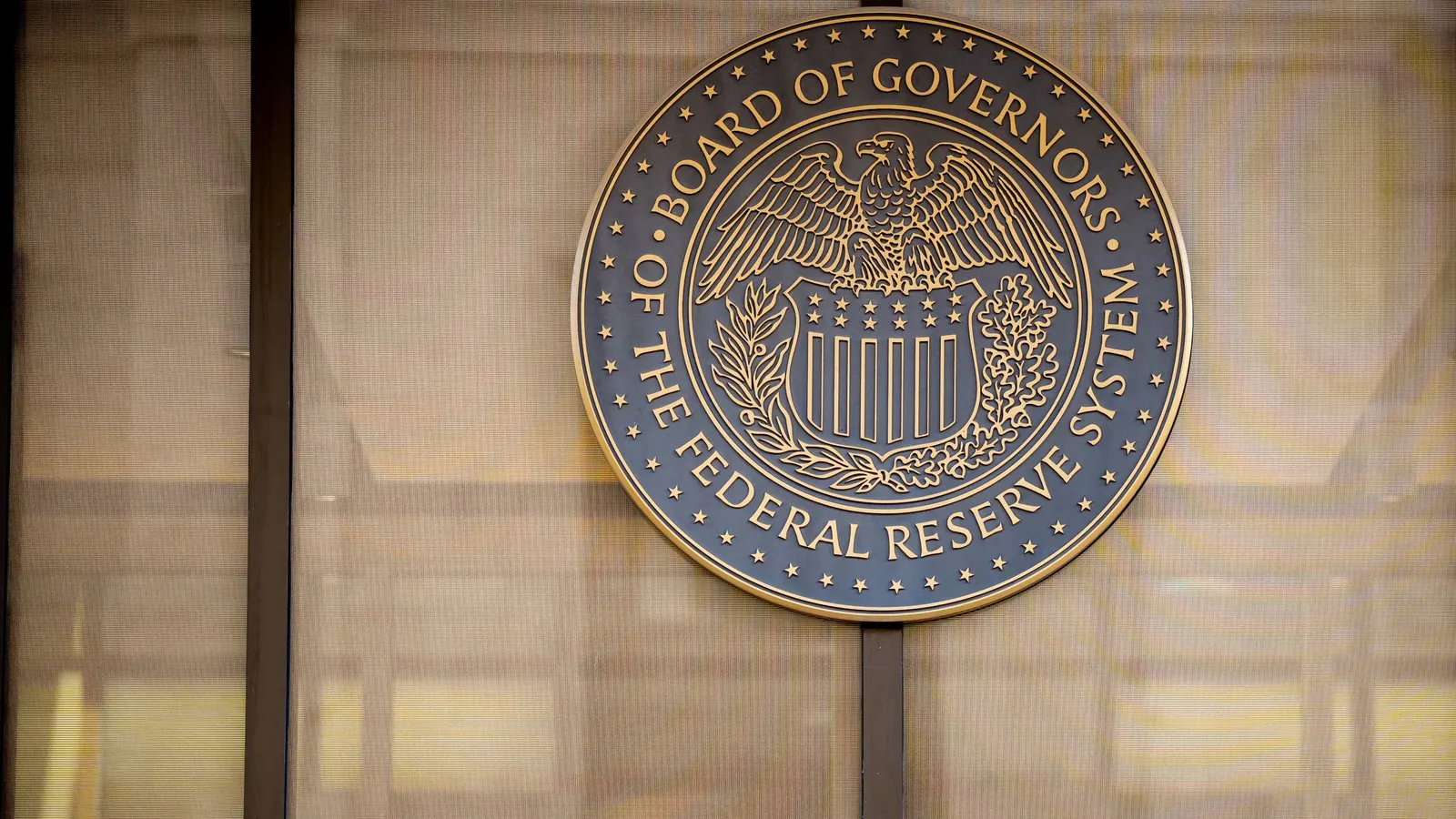
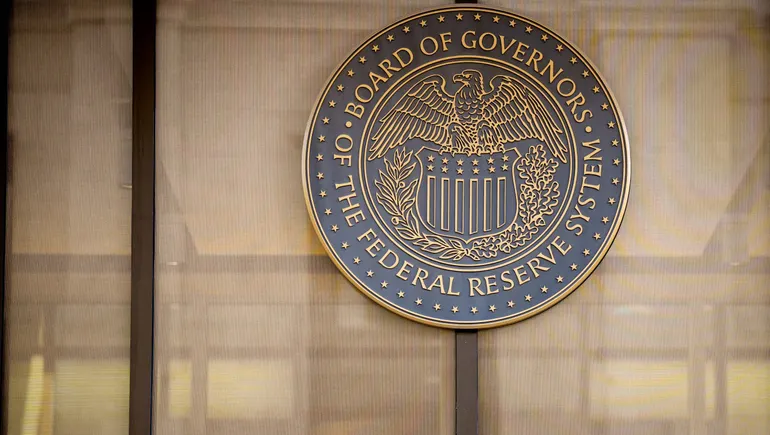
In a long-awaited move that signals a tightening of the regulatory grip on the digital asset sector, the Federal Reserve has officially unveiled its proposed rulebook for stablecoin issuers. The move, announced Thursday, represents a significant step toward integrating private digital currencies into the formal banking perimeter, with a clear emphasis on liquidity, capital adequacy, and the protection of the broader financial system.
The proposal comes as the central bank seeks to fulfill its mandates under the "Genius Act," a piece of legislation that has tasked federal regulators with crafting a comprehensive framework for the rapidly evolving stablecoin market.
The Core Mandate: Stability and Liquidity
At the heart of the Federal Reserve’s proposal is a fundamental requirement: stability must be demonstrable, not merely theoretical. Under the new guidelines, issuers of stablecoins—digital assets designed to maintain a 1:1 value peg to a fiat currency like the U.S. dollar—will be required to back their tokens with "high-quality, liquid assets."
The Fed specifies that these reserves must primarily consist of instruments such as U.S. Treasury bills, which are widely considered the gold standard for liquidity and safety. By mandating these specific asset classes, the central bank aims to eliminate the risks associated with the opaque reserve practices that have historically plagued some corners of the cryptocurrency market.
The proposal also introduces a formal application process for banks wishing to enter the stablecoin space. This creates a gatekeeping mechanism that ensures only institutions with robust risk management systems, strong capital cushions, and operational resilience are permitted to issue digital assets that could potentially circulate as widely as traditional money.
Chronology of Regulatory Action
The Federal Reserve’s announcement follows a multi-agency effort to align with the legislative timelines set by the Genius Act. However, the path to these rules has been anything but linear, characterized by staggered rollouts across various federal financial watchdogs.
- February 2026: The Office of the Comptroller of the Currency (OCC) and the National Credit Union Administration (NCUA) took the first significant steps, proposing their respective stablecoin rules. These early proposals set the tone for the industry, highlighting the need for specialized oversight for banks and credit unions.
- April 2026: The Federal Deposit Insurance Corp. (FDIC) followed suit, introducing its proposal to implement the requirements set forth by the Genius Act, focusing on deposit-like protections for stablecoin holders.
- August 2026: The U.S. Treasury Department issued its own regulatory proposal, adding depth to the inter-agency dialogue regarding the role of stablecoins in the global financial system.
- September 2026: The Federal Reserve finally issued its proposal. While the Genius Act originally mandated that these regulations be finalized by July 2026, the complexity of the task led to a delay. The Fed’s entry into the conversation marks the final piece of the primary regulatory puzzle, though none of these agencies have yet reached the stage of finalizing their rules.
The Federal Reserve’s proposal is now subject to a 60-day public comment period following its publication in the Federal Register. This period is expected to be a crucible for debate, with industry stakeholders, consumer advocacy groups, and technology firms weighing in on the stringency of the proposed capital requirements.
Regulatory Pillars: Capital and Operational Risk
The proposed rules go beyond simple reserve backing. They establish a multi-layered regulatory architecture designed to mitigate systemic risks that arise from stablecoin issuance.
Capital Requirements
Issuers will be expected to maintain capital levels that reflect the credit and operational risks associated with their specific business models. The Fed argues that stablecoins are not mere software; they are instruments of value that carry the weight of financial intermediation. Therefore, they must be treated with the same level of prudential oversight as other financial products.
Safekeeping Standards
A critical component of the proposal addresses the "custody" of the underlying assets. The Fed has outlined stringent rules for firms under its supervision that are tasked with holding the assets backing these stablecoins. These rules are designed to ensure that even in the event of an issuer’s failure, the assets remain segregated and accessible, preventing the commingling of funds that has led to catastrophic losses in past digital asset firm collapses.
The Appeals Process
Recognizing that the regulatory burden may be substantial, the Fed has also established a formal process for appeals, hearings, and final determinations. This structure provides a legal roadmap for banks seeking to challenge denials or regulatory interpretations, ensuring that the oversight process remains transparent and consistent with administrative law.

Official Perspectives: Governor Barr’s Stance
Federal Reserve Governor Michael Barr has been the primary architect of this cautious approach. In his statement accompanying the proposal, Barr emphasized that the goal is not to stifle innovation, but to create "strong guardrails" that allow payment systems to evolve safely.
"Stablecoins will only be stable if they can be reliably and promptly redeemed at par in a range of conditions," Barr noted. He highlighted that the real test for any stablecoin is its performance during periods of "market stress."
Barr specifically called attention to the reality that even liquid assets like government debt can experience pressure during financial shocks. Consequently, the Fed’s proposal is designed to ensure that issuers are sufficiently capitalized to withstand not just everyday operational friction, but also the "episodes of strain" that characterize global financial crises.
This sentiment reflects the Fed’s broader concern that stablecoins could become a source of contagion if they are not properly integrated into the regulated banking system. By treating stablecoins as a form of payment instrument, the Fed is signaling its intent to protect households and businesses from the volatility that has defined the "Wild West" era of cryptocurrency.
Implications for the Financial Ecosystem
The implications of the Fed’s proposal are far-reaching, particularly for the banking sector and the burgeoning fintech industry.
1. The Institutionalization of Digital Assets
By requiring a formal application process and subjecting issuers to Federal Reserve supervision, the government is effectively saying that stablecoin issuance is a "bank-like" activity. This will likely encourage traditional financial institutions to move into the space, as they have the infrastructure to meet these compliance requirements. Conversely, pure-play crypto firms may find the compliance costs prohibitively high, potentially consolidating the market around larger, well-capitalized entities.

2. A Shift in Market Dynamics
The move to force stablecoins into a high-liquidity, high-transparency model may dampen the speculative fervor that has historically fueled the digital asset market. If issuers can no longer rely on obscure or volatile backing, the "yield" generated by some stablecoins may decrease, forcing a change in how these assets are marketed to consumers.
3. Strengthening the Dollar
By tying stablecoins to Treasury bills and subjecting them to federal oversight, the U.S. government is effectively co-opting digital asset technology to reinforce the dominance of the U.S. dollar. Rather than allowing private tokens to operate in a vacuum, the Fed is bringing them under the umbrella of the dollar’s monetary policy, ensuring that the currency used for digital payments remains firmly grounded in U.S. government debt.
4. Regulatory Convergence
With the OCC, FDIC, NCUA, and the Treasury all working toward the same goal, the U.S. is moving toward a unified "stablecoin doctrine." While the delay in meeting the July deadline was noted, the fact that all major agencies have now tabled their proposals suggests that the final rules, expected in 2027, will be highly coordinated. This provides the industry with a clearer, albeit stricter, roadmap for the future.
Conclusion
The Federal Reserve’s proposal is a definitive statement that the period of regulatory ambiguity for stablecoins is coming to an end. By focusing on redemption reliability, liquidity, and prudential capital standards, the central bank is aiming to bridge the gap between legacy finance and the digital future.
For the average user, these rules promise a higher degree of safety and a reduction in the risk of losing funds during a "run" on a stablecoin issuer. For the industry, it is a period of adjustment. The challenge ahead lies in the implementation: whether these rules will foster a new, innovative ecosystem of digital payments, or whether the regulatory weight will suppress the very efficiency that stablecoins were designed to create.
As the 60-day comment period begins, the financial world waits to see how the industry responds to the Fed’s vision of a stable, regulated, and resilient digital future.