







For years, the corporate calendar in the banking sector was as predictable as the seasons. January, May, and September functioned as the industry’s "triad of enforcement." These were the temporal markers when financial institutions—from global investment giants to regional lenders—would lean into their return-to-office (RTO) mandates. Whether it was the post-New Year push, the pre-summer scramble, or the post-Labor Day recalibration, employees could essentially set their watches by the arrival of a firm-wide email announcing a more robust physical presence.
However, as the post-pandemic dust settles, the landscape of workplace policy has become significantly more fractured. While some banks are doubling down with five-day mandates, others are finding that the "old way" of doing business is facing unprecedented resistance. The ongoing conflict between Barclays and its U.K. workforce serves as the latest, and perhaps most significant, flashpoint in this global debate.
The Chronology of Compliance: From "Letters of Education" to Rigid Mandates
In the immediate aftermath of the COVID-19 pandemic, Labor Day served as the ultimate benchmark for banks to signal a return to normalcy. As the months turned into years, policy announcements issued just before Memorial Day became de rigueur. During this period, banks employed a range of tactics, from "friendly reminders" to the more ominous "letters of education"—formal documents sent to employees who were not meeting attendance quotas. These messages were clear: "Welcome back. We’ll be seeing more of you."
Yet, the trend line has not been a straight one. In the last year alone, the industry has seen a divergence in philosophy:
- The Four-Day Shift: TD Bank set a high bar by requiring employees to report to the office four days a week.
- The Full-Time Return: Institutions like Truist and PNC have moved to mandate five days a week, signaling a desire to return to the pre-2020 status quo entirely.
- The Tactical Micro-Management: Bank of America has taken a granular approach, becoming increasingly prescriptive about which specific days of the week employees are permitted to work remotely, effectively removing the autonomy that defined the hybrid era.
- The "Solomon" Pivot: Perhaps most surprisingly, Goldman Sachs CEO David Solomon—long considered the "O.G. hard-charger" of the RTO movement—recently signaled a softening of his stance. When asked about his firm’s policy last October, he famously remarked, "We don’t have a policy. We work." This comment highlighted a shift from rigid bureaucracy to a results-oriented focus, even if the cultural expectation for in-office presence remains high.
Supporting Data: The Barclays Rebellion
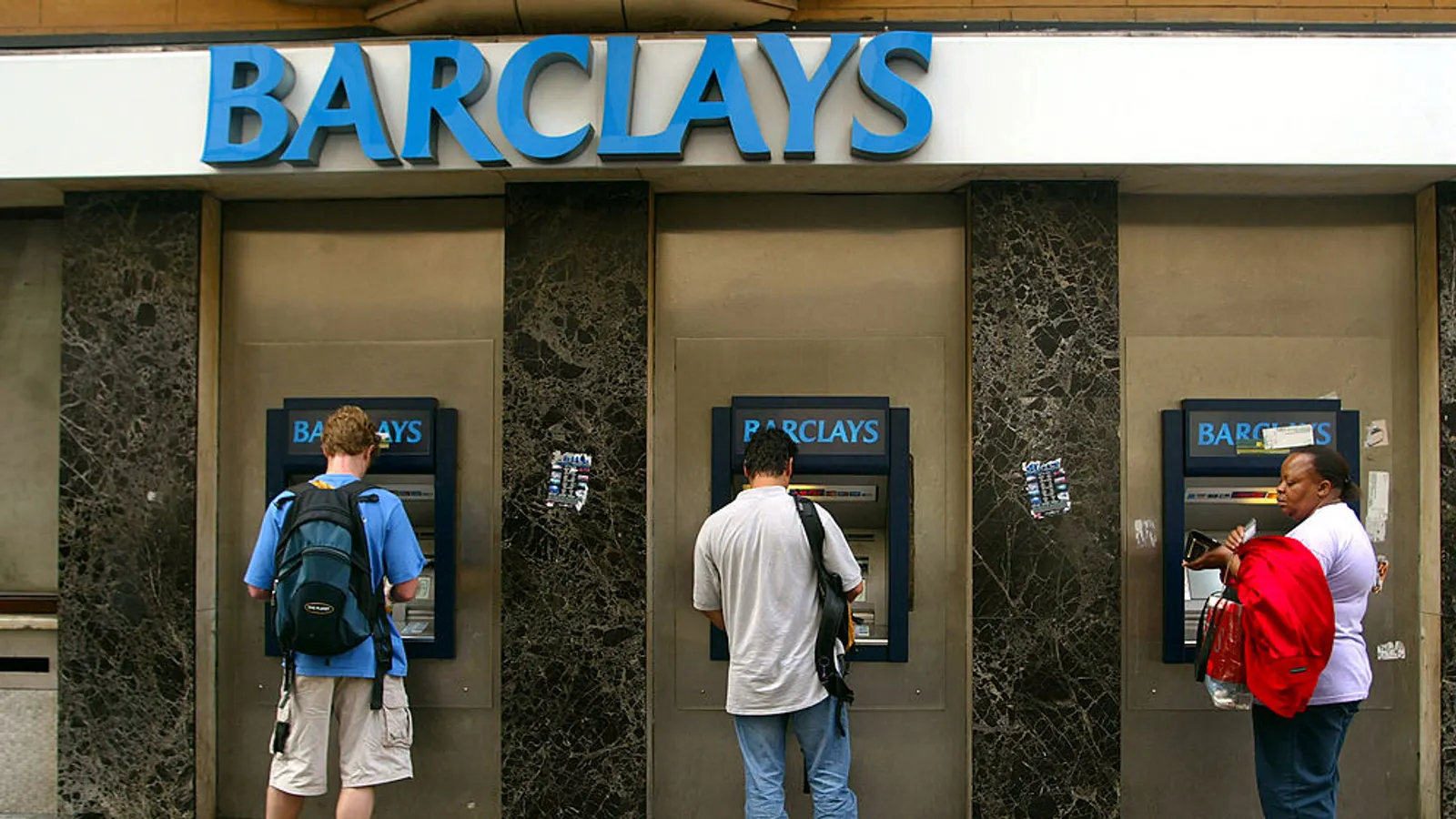
While U.S. banks have largely managed to enforce their policies through quiet compliance or the threat of attrition, an ocean away, Barclays is facing a full-scale institutional revolt. The bank’s plan to increase in-office attendance from two days to three—and four for managing directors—has ignited a firestorm of dissent.
The resistance is organized, significant, and vocal. Thousands of Barclays staff members have signed an open letter facilitated by Unite, the labor union representing approximately 80% of the bank’s U.K. workforce. According to Rick Coyle, a national officer at Unite, the core of the issue is not just the extra day, but the lack of an "evidence-based rationale."
The Union’s Demands
The demands presented by Unite reflect a modern workforce concerned with the practical realities of commuting, childcare, and cost-of-living pressures:
- Exemptions: Employees with commutes exceeding 40 minutes or 35 miles should be exempt from the three-day mandate.
- Flexibility: Permission for split shifts and staggered start/end times for parents and caregivers to avoid "peak" commute hours.
- Financial Support: A one-off payment by March 2027 to offset the increased costs associated with returning to the office.
- Special Status for Carers: A maximum one-day-a-week requirement for employees with caregiving responsibilities lasting longer than three months.
The union argues that the bank is attempting to "fix a problem that doesn’t exist." They point to the fact that Barclays has continued to report strong financial results, successful digital transformation, and high operational performance—all achieved while staff were working in a more flexible capacity.
Official Responses and Corporate Justification
The dialogue between Barclays and its employees has been a study in corporate messaging. Barclays, in a statement provided to Banking Dive, maintained a position of firm, albeit polite, resolve.
"We recognise the benefits of balancing flexibility for colleagues with the importance of working together in our physical locations," the bank stated. "Our minimum time in office requirements vary by business area, reflecting the nature of the work and the needs of the business. This means that most of our colleagues who are not already working in the office three days will align with our broader approach across the bank."
Crucially, while Barclays claims to be "engaging" with the union, it has, thus far, refused to concede to any of the primary demands. The bank’s leadership continues to frame the mandate as a strategic necessity for culture and collaboration, a sentiment shared by many in the C-suite across the financial services sector who fear that a fully remote or highly flexible workforce leads to a dilution of "institutional DNA."
The Broader Implications: A Changing Legal and Cultural Landscape
The friction at Barclays is occurring against a backdrop of shifting government policy in the United Kingdom. This month, the U.K. government unveiled plans to tighten regulations around flexible working requests. Under the proposed changes, employers would be legally required to hold face-to-face meetings with any staff member requesting remote work and, more importantly, provide a "justifiable reason" if they choose to deny that request.
This shift suggests that the era of "managerial fiat"—where an executive can dictate office attendance without providing a business case—may be coming to an end.
Why This Matters
The implications of the Barclays standoff extend far beyond a single bank in London.
- The Talent War: If one bank mandates five days while another allows for "flexible-first" approaches, talent is increasingly likely to migrate toward the latter. The "hard-charger" firms risk losing top-tier employees who have grown accustomed to, and have proven the efficacy of, hybrid work.
- Operational Efficacy vs. Cultural Nostalgia: There is a growing disconnect between middle management, who often demand office presence, and the data, which often shows that productivity remains high, if not higher, in hybrid environments.
- The Rise of Organized Labor: The involvement of Unite suggests that white-collar workers in the financial sector are increasingly willing to use collective bargaining as a tool to protect their work-life balance. This is a significant shift in the banking industry, which has historically been characterized by an "every person for themselves" corporate culture.
The Verdict: A Standoff Without a Clear Winner
As it stands, approximately half of Barclays’ 45,000 U.K. employees are directly affected by these changes, with operations and technology teams bearing the brunt of the mandate. The conflict has become a proxy war for the future of work.
If Barclays succeeds in forcing the issue, it may embolden other firms to harden their policies, viewing the union’s defeat as a green light to end the hybrid experiment. However, if the union manages to secure concessions—or if the legal landscape makes it too difficult to deny flexible work requests—it could trigger a cascade of policy reversals across the City of London and, eventually, Wall Street.
For now, the "triad of enforcement"—January, May, and September—remains in effect, but the atmosphere has changed. The mandates are no longer just administrative updates; they are political statements. In the post-pandemic era, the question is no longer just "How much work can be done from the office?" but "How much autonomy are employees willing to surrender for the sake of the office chair?" As the Barclays case demonstrates, the answer to that question is becoming increasingly contentious.