







In an era where travel booking engines prioritize efficiency, speed, and the lowest possible fare, a small but dedicated contingent of travelers—often referred to as "AvGeeks"—prioritizes the experience of the journey over the destination. Ben Schlappig, the founder of the travel platform One Mile at a Time, is currently contemplating an itinerary that defies conventional logic. To travel from Miami (MIA) to Marseille (MRS), he is bypassing standard one-stop connections in favor of a sprawling, multi-ticket odyssey through North America and North Africa. This proposed route, involving Air Algérie and Tunisair, highlights the complexities, risks, and unique rewards of experimental airline travel.
The Routing: A Masterclass in Indirect Travel
The objective is simple: travel from Miami, Florida, to Marseille, France. A traditional traveler would secure a single ticket on a legacy carrier, likely connecting in a major European hub like Paris or Frankfurt. Such a route is not only more economical but also provides the safety net of a single contract of carriage, protecting the passenger in the event of delays or cancellations.
Schlappig, however, is charting a course that traverses three continents and necessitates the purchase of at least four separate tickets. The proposed journey begins with a positioning flight to Montreal (YUL), followed by an Air Algérie leg to Algiers (ALG), a connection to Tunis (TUN), and finally, a flight to Marseille. This route serves as a case study in the "destination-agnostic" philosophy, where the specific hardware—the aircraft type and the airline’s service—takes precedence over the expediency of the trip.
The Allure of the Under-Documented Carrier
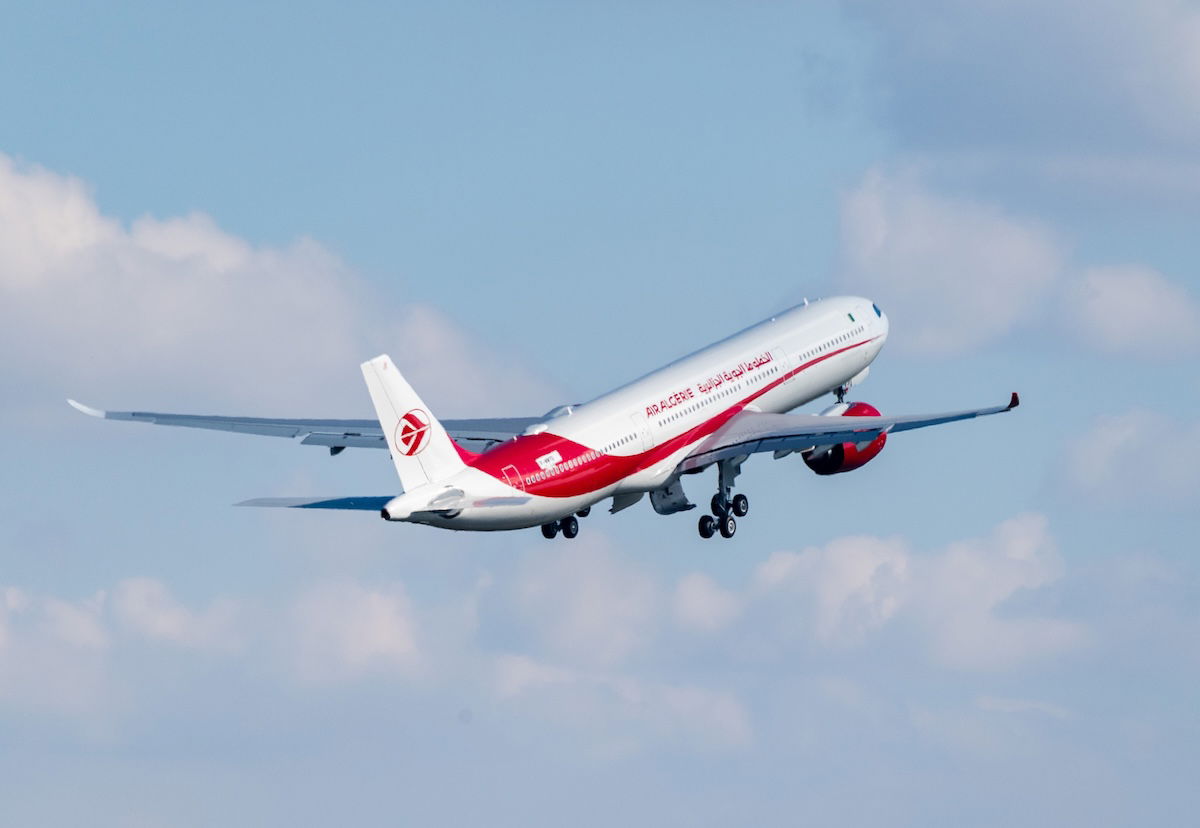
Air Algérie has long held a position of intrigue within the frequent flyer community. Known for historically high business-class fares that do not always align with industry-standard service levels, the airline is primarily focused on regional traffic rather than international transit. However, recent availability of competitive fares from Montreal to Tunis via Algiers has brought the carrier back into the spotlight.
For the aviation enthusiast, the intrigue lies in the fleet composition. While rumors of flying the rare Boeing 737-600 were dashed by the discovery that the connecting flight is operated by a wet-leased Airbus A320 from Bulgaria’s Fly2Sky, the prospect of experiencing the Air Algérie long-haul product remains a primary draw. The "wet lease" phenomenon—where an airline leases an aircraft along with its crew and insurance from another operator—is a growing trend in global aviation, often necessitated by fleet maintenance shortages or unexpected capacity gaps.
Chronology of the Proposed Itinerary
The logistical framework of this journey is fraught with variables that would intimidate the average traveler. Below is the proposed breakdown of the segments:

- Phase I: The North American Positioning. The traveler must first arrive in Montreal. Unlike a standard connecting itinerary, this leg is independent, meaning that if the initial flight from Miami is delayed, the subsequent international tickets are at risk of being forfeited.
- Phase II: The Transatlantic Crossing. The Air Algérie flight from Montreal to Algiers serves as the backbone of the trip. This leg offers the opportunity to evaluate the carrier’s long-haul business class, a product that remains largely under-reviewed by major travel publications.
- Phase III: The North African Connection. Upon arrival in Algiers, the passenger must navigate the airport’s transit protocols. Algeria’s visa requirements for transit passengers can be complex, adding an additional layer of administrative risk to the itinerary.
- Phase IV: The Final Leg. The journey concludes with a flight to Marseille. The current deliberation involves choosing between a potential "accidental" rerouting attempt or simply booking a seat on a Tunisair Airbus A320neo, an aircraft type that remains a target for the traveler’s personal "to-fly" list.
Supporting Data: The Economics of Niche Travel
The financial implications of such a route are significant. By purchasing four separate tickets, the traveler is essentially acting as their own travel agent. This strategy removes the protection of "through-checking" luggage, meaning the traveler must collect and re-check bags at each stop, navigating customs and immigration at each point of entry.
- Ticket Costs: While the Air Algérie fare from Montreal is described as "decent," it does not account for the additional cost of positioning flights and the potential for last-minute, high-priced regional tickets if one connection is missed.
- Asset Value: For airlines, these routes represent a specific market segment. Tunisair’s utilization of the A320neo on regional routes reflects a broader industry shift toward narrow-body aircraft capable of handling medium-haul international demand, offering improved fuel efficiency and updated passenger interiors.
- Risk Assessment: The probability of a "misconnect" in a multi-ticket itinerary is mathematically higher than in a single-ticket booking. In the airline industry, this is known as "interline risk," and it is the primary reason why travel advisors caution against this type of scheduling.
Official Perspectives and Industry Implications
While there are no formal "responses" from the airlines regarding this specific passenger’s itinerary, industry experts often view such experimental travel as a barometer for regional airline performance. Airlines like Air Algérie and Tunisair operate in competitive environments where they must balance domestic social obligations—providing affordable transport for the local populace—with the need to attract high-yield international passengers.
The trend of "AvGeek" travel has pushed airlines to become more transparent about their onboard products. Social media reviews, particularly those by high-profile travel bloggers, now carry significant weight. When an airline’s business class product is reviewed, it often influences the booking habits of thousands of potential customers, creating a feedback loop that forces smaller carriers to modernize their cabins to remain relevant on the global stage.

Implications: The Future of "Purposeful" Travel
The decision to spend a night or two in Tunis serves as an extension of this philosophy. By choosing to stay at properties like the Four Seasons Tunis in Gammarth or the recently opened Tunis Marriott, the traveler is engaging with the local tourism economy, thereby transforming a simple transit point into a destination.
The question of where to stay highlights the broader debate in the hotel industry: the choice between a standardized, global luxury resort and a more localized, boutique experience. While the Four Seasons offers a proven, high-end experience, the Marriott represents the aggressive expansion of major hotel brands into emerging markets, providing a reliable, if perhaps more generic, service for the international business traveler.
Is the Risk Worth the Reward?
The ultimate question is whether the effort of such a complex routing is justified. For the average traveler, the answer is an emphatic "no." The time, expense, and stress of managing four separate tickets far outweigh the benefits of an extra stamp in a passport or a review of a specific aircraft cabin.

However, for those who view aviation as an art form rather than a utility, the answer is more nuanced. This odyssey represents the pursuit of the "rare"—the chance to document a wet-leased flight, to experience the cabin of an A320neo, and to witness the operational nuances of North African aviation firsthand.
As the aviation industry continues to consolidate and harmonize its products, the opportunities for such unique experiences are shrinking. The "roundabout" journey from Miami to Marseille is not merely a trip; it is a deliberate act of curiosity, designed to uncover the hidden corners of an industry that is increasingly standardized. Whether this specific itinerary succeeds or results in a logistical headache remains to be seen, but the process of planning it is, in itself, a reflection of the enduring allure of flight.