









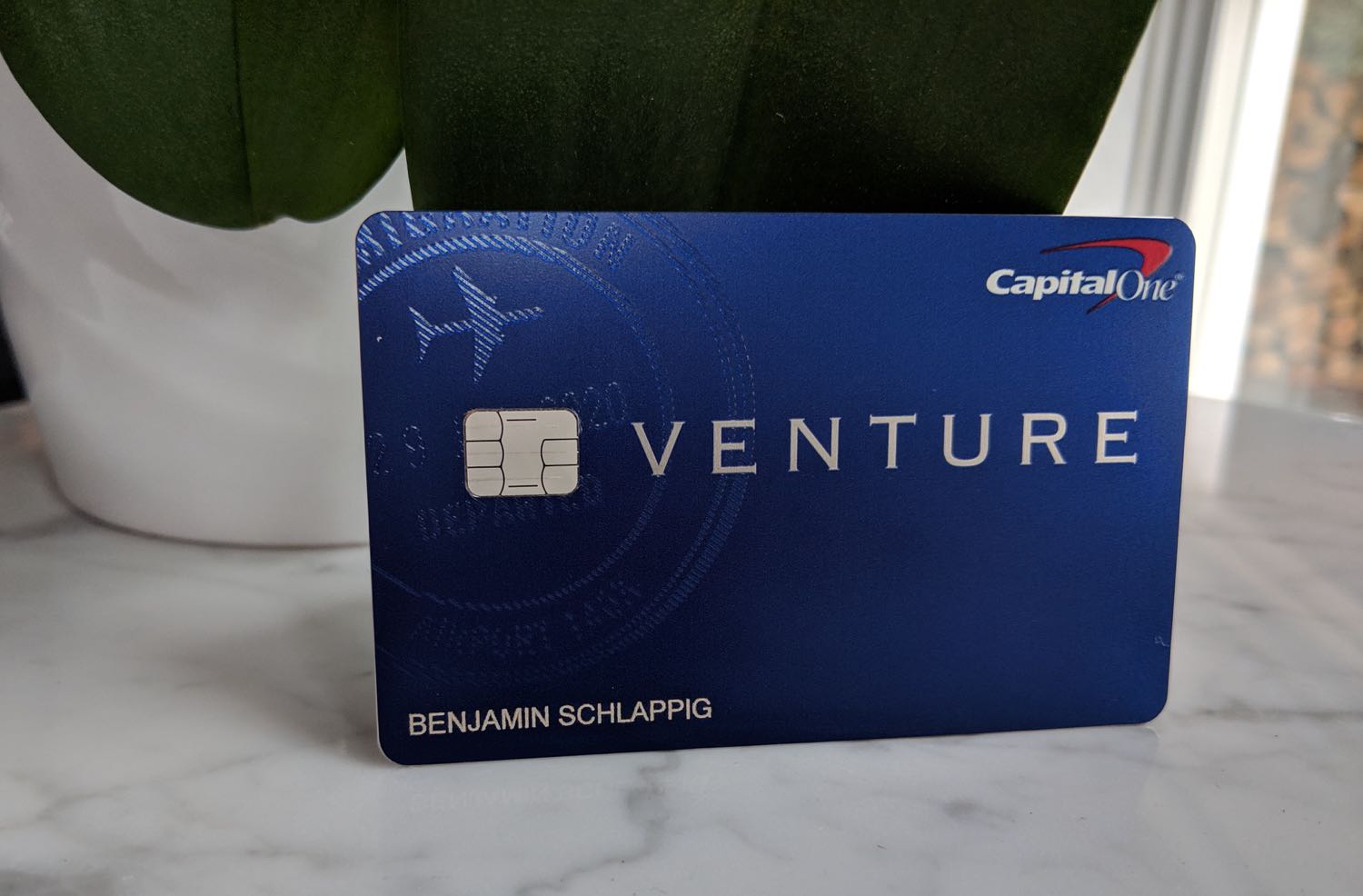
In the competitive landscape of travel rewards, few credit cards strike as effective a balance between accessibility and high-end benefits as the Capital One Venture Rewards Credit Card. As of this month, Capital One has launched a highly anticipated, limited-time welcome offer that positions the card as a must-have for both casual travelers and points-and-miles enthusiasts. With a $95 annual fee that remains modest by industry standards, the current incentive structure provides an unparalleled opportunity to jumpstart your travel fund.
The Main Facts: An Unprecedented Welcome Offer
The core of the current promotion is a two-part welcome bonus designed to maximize immediate utility. New cardholders who meet the spending requirement of $4,000 within the first three months of account opening are eligible to receive:
- 75,000 Capital One Bonus Miles: These miles serve as the backbone of the offer, providing significant flexibility for future travel.
- A $300 Capital One Travel Stays Credit: This credit is specifically earmarked for hotel or vacation rental bookings made through the Capital One Travel portal within the first year of card membership.
When combined, these benefits offer a substantial "out-of-the-box" value. While the baseline valuation of Capital One miles is one cent apiece—guaranteeing $750 in value—strategic travelers often extract far more. By leveraging Capital One’s robust network of roughly 20 airline and hotel transfer partners, savvy users can unlock premium cabin experiences that push the actual market value of these points closer to $1,200 or more.
A Chronological Look at the Evolution of the Venture Card
To understand why this offer is making headlines, it is necessary to look at the historical trajectory of the product. The Capital One Venture card has long been the "workhorse" of the travel credit card market. Unlike niche cards that require complex category tracking, the Venture card simplified the value proposition: earn a flat rate of 2 miles per dollar on every purchase.

Over the last five years, Capital One has shifted its strategy from simple "cash-back-style" travel credits toward a more sophisticated points-transfer ecosystem. The introduction of the Venture X, the card’s premium sibling, marked a pivotal shift in 2021. By aligning the earning and burning potential of the standard Venture card with the broader travel ecosystem of the Venture X, Capital One successfully courted a demographic that values simplicity alongside high-yield redemptions. The current offer is a strategic "bridge" promotion, encouraging prospective applicants to enter the ecosystem at a lower price point before potentially upgrading to the premium tier in the future.
Supporting Data: Calculating Your Return on Investment
For those who analyze their financial products through the lens of pure mathematics, the Capital One Venture card offers one of the highest returns on spend available today.
The Math of the Miles
If we take the conservative floor valuation of one cent per mile, the 75,000 miles yield $750. However, the true value lies in the transferability. For example, transferring miles to partners like Air Canada’s Aeroplan or Qatar Airways’ Privilege Club can often result in business-class seat redemptions that would otherwise cost thousands of dollars. When factoring in the $300 travel credit, the total value of this sign-up bonus reaches approximately $1,050 at a minimum, with the potential to scale toward $1,600 depending on your redemption strategy.
The 48-Month Eligibility Rule
Prospective applicants must be mindful of the "48-month rule." Capital One stipulates that you are ineligible for this bonus if you have received a new cardmember bonus for either the Capital One Venture or the Capital One Venture X within the past 48 months. This policy is designed to prevent "churning"—a practice where consumers apply for cards solely for the bonus and then cancel them shortly thereafter. It is a critical data point to verify against your own financial records before submitting an application.

Official Stance and Strategic Positioning
Capital One has maintained a consistent, albeit quiet, stance on its reward structures. By focusing on the "frictionless" nature of their travel portal and the ease of redeeming miles as a statement credit for travel purchases, the issuer aims to differentiate itself from competitors that require complicated "points-chart" navigation.
Industry analysts observe that this specific promotion is designed to capture market share from travelers who are returning to the skies in record numbers following the volatility of the past few years. By offering a $300 credit for "stays," Capital One is effectively incentivizing the use of its proprietary booking engine, a move that aligns with the broader banking trend of owning the end-to-end customer travel journey.
Strategic Implications: Venture vs. Venture X
The question of whether to opt for the standard Venture or the premium Venture X is one of the most frequent dilemmas for applicants.
- The Case for the Venture ($95 Annual Fee): This is the ideal choice for the "set it and forget it" consumer. If you want to earn double miles on every purchase without worrying about category bonuses, and you prefer a low annual fee, the Venture is objectively superior.
- The Case for the Venture X ($395 Annual Fee): While the fee is higher, the Venture X effectively "pays for itself" through a $300 annual travel credit and 10,000 anniversary bonus miles. If you travel more than twice a year and value airport lounge access (such as Capital One Lounges), the Venture X provides a more comprehensive suite of benefits.
The implication for the consumer is clear: the standard Venture card is your entry point. It provides the essential tools to earn and burn miles at an elite level without the psychological hurdle of a high annual fee.
Operational Tips for Maximizing the Bonus
To ensure you successfully trigger the 75,000-mile bonus, consider the following logistical best practices:
- Timing the Spending: The three-month spending window begins the day your account is approved, not the day the card arrives in your mailbox. If you have large planned expenses—such as insurance premiums, car repairs, or upcoming travel—time your application to coincide with those events.
- Authorized Users: If you have a spouse or partner, adding them as an authorized user can help you hit the $4,000 spend requirement much faster. Importantly, all purchases made by authorized users count toward your primary account’s total.
- The "Stays" Credit Strategy: The $300 credit is not a "one-and-done" discount. It can be applied across multiple bookings within the first year. If you aren’t planning a massive vacation immediately, consider using the credit for a weekend getaway or a short staycation to ensure you don’t leave value on the table.
Final Analysis: Is the Juice Worth the Squeeze?
In the landscape of modern credit cards, the Capital One Venture Rewards card stands out as a balanced, high-value instrument. It does not require you to be a mathematician to extract value, nor does it force you into high-fee tiers if you are not ready for them.
The current offer, with its combination of a substantial mileage haul and a flexible travel credit, is objectively one of the strongest we have seen in recent years. Provided you meet the 48-month eligibility requirement and can comfortably meet the $4,000 spending threshold without overextending your budget, the math strongly favors an application. Whether you are aiming to fund a luxury trip to the Maldives or simply looking for a way to offset the cost of annual domestic travel, the Capital One Venture card provides the necessary capital to turn those aspirations into reality.
As the travel industry continues to evolve, having a flexible, high-earning card in your wallet is no longer a luxury—it is a financial strategy. By taking advantage of this limited-time offer, you are not just acquiring a piece of plastic; you are acquiring a mechanism to subsidize your future experiences.