




By Sarah Brady, National Foundation for Credit Counseling (NFCC)
Updated: July 10, 2026
Main Facts: The Current Landscape of Federal Student Loan Relief
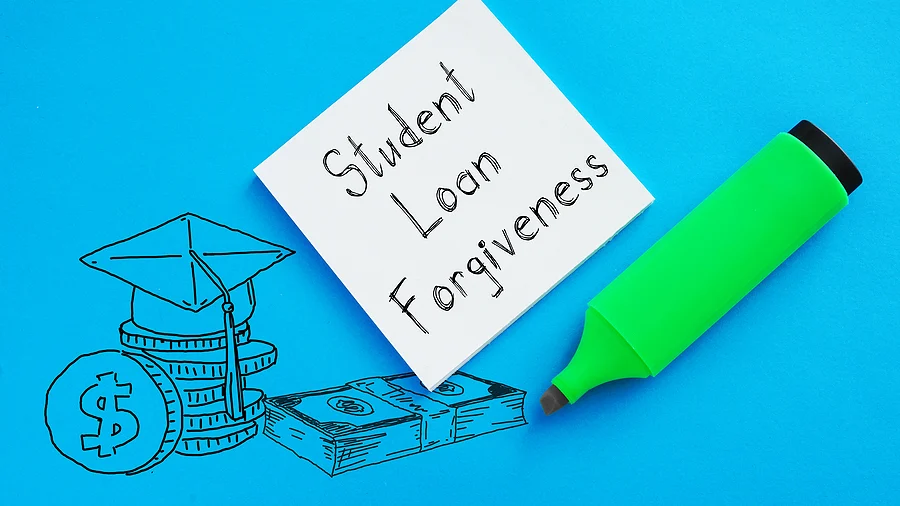
Navigating the landscape of federal student loans over the past few years has been a formidable challenge for millions of Americans. Plagued by shifting political climates, legal injunctions, and conflicting public announcements, many borrowers have grown overwhelmed and disillusioned. It is easy to understand why some have chosen to tune out the noise entirely, operating under the mistaken assumption that federal student loan forgiveness is a relic of the past.
However, despite recent high-profile policy shifts—such as the retirement of the much-debated Saving on a Valuable Education (SAVE) repayment plan—federal student loan forgiveness remains a reality. While the criteria are strict and the application processes require diligent record-keeping, several legitimate, long-standing programs continue to offer relief.
Proactivity is the single best defense against student debt paralysis. Reviewing your eligibility takes only a fraction of your day, yet it could potentially save you tens of thousands of dollars. Whether you are a public servant, an educator, a long-term repayment participant, or an individual managing a disability, several established pathways to debt relief remain open in 2026.
Chronology: How Federal Loan Forgiveness Evolved to 2026
To understand how the current system operates, it is helpful to look back at the trajectory of federal student loan policy over the past several decades and how recent years shaped today’s landscape.
- 1965–2000s (Foundation): The federal government established core loan programs, eventually introducing early versions of Income-Driven Repayment (IDR) and specialized forgiveness initiatives to encourage public service and teaching in high-need areas.
- 2007 (The Birth of PSLF): Recognizing the need to incentivize careers in government and non-profit sectors, Congress established the Public Service Loan Forgiveness (PSLF) program, promising debt cancellation after 120 qualifying monthly payments.
- 2020–2023 (The Pandemic Era and Overhauls): The onset of COVID-19 brought sweeping administrative forbearances. This era saw widespread attempts at broad-based debt cancellation, temporary waivers for PSLF, and the introduction of new income-driven structures designed to fix historical tracking errors.
- 2023–2025 (Legal Battles and the SAVE Plan Shift): Sweeping legal challenges targeted newly minted repayment plans, notably the SAVE plan. As courts issued injunctions and administrative adjustments were made, many borrowers experienced whiplash regarding which plans were active.
- 2026 (The Current Baseline): As of July 2026, temporary pandemic-era flexibilities have largely matured, leaving a core set of durable, statutory forgiveness programs. Borrowers are directed firmly back to official channels like StudentAid.gov to evaluate their precise standing under long-term federal programs.
Supporting Data and Core Programs: The 4 Active Forgiveness Pathways
While past legislative packages offered broad, sweeping strokes of relief, the modern framework relies on targeted programs designed for specific career paths, repayment histories, or life circumstances.
1. Public Service Loan Forgiveness (PSLF)
Designed for individuals dedicating their careers to public service, PSLF remains one of the most impactful debt-relief mechanisms available.
- The Core Mechanism: If you work full-time for a qualifying employer, PSLF forgives your remaining Direct Loan balances after you successfully make 120 qualifying monthly payments (equivalent to 10 years of payments).
- Qualifying Employers: Eligible organizations include government entities at the local, state, federal, or tribal level, as well as 501(c)(3) non-profit organizations. Certain other non-profits that provide specific public services may also qualify.
- Actionable Step: Borrowers should utilize the official Employer Eligibility Search page on StudentAid.gov to confirm whether their institution meets the criteria.
2. Teacher Loan Forgiveness
Educators working in designated low-income schools can receive targeted relief under this long-standing initiative.
- The Core Mechanism: Teachers who work full-time for five consecutive academic years in a low-income elementary school, secondary school, or educational service agency may be eligible to have up to $17,500 of their federal student debt forgiven.
- Qualifying Loans: Eligible debt types generally include Direct Subsidized and Unsubsidized Loans, as well as Subsidized and Unsubsidized Federal Stafford Loans. Borrowers utilizing Direct or Federal Consolidation Loans to pay off other eligible federal student debt may also qualify for a proportional benefit.
- Actionable Step: Detailed guidance and qualification lists are available directly through the Department of Education’s Teacher Loan Forgiveness resource pages.
3. Income-Driven Repayment (IDR) Forgiveness
For those not in public service, long-term repayment discipline can still yield significant results.
- The Core Mechanism: Borrowers enrolled in an income-driven repayment plan can have their remaining loan balances discharged after 20 to 30 years of qualifying payments. Under specific administrative adjustments, this timeline can sometimes account for periods spent in certain deferments or forbearances.
- The Timeline Matrix: The exact number of required payments depends heavily on the specific loan type, the specific IDR plan chosen, and the academic year in which the loan was originally disbursed. Generally, undergraduate loans face shorter tracking horizons compared to graduate school loans.
4. Total and Permanent Disability (TPD) Discharge
Life-altering medical events should not leave individuals permanently tethered to unmanageable educational debt.
- The Core Mechanism: Borrowers who are totally and permanently disabled may qualify to have their federal student loans and TEACH Grant service obligations completely discharged.
- Qualifying Loan Types: This program covers William D. Ford Federal Direct Loan (Direct Loan) Program loans, Federal Family Education Loan (FFEL) Program loans, Federal Perkins Loans, and TEACH Grant service obligations.
- Documentation Requirements: Applicants must provide official documentation of their disability status originating from the U.S. Department of Veterans Affairs (VA), the Social Security Administration (SSA), or through certification by a licensed medical doctor or doctor of osteopathic medicine.
Alternative Avenues for Federal Student Loan Relief
If your professional history, repayment timeline, or medical status does not align cleanly with the four primary programs outlined above, do not assume all doors are closed. Additional circumstances can trigger federal relief or discharge options:
- School Closure: If your institution closed while you were enrolled or shortly after you withdrew, you may be eligible for a Closed School Discharge.
- False Certification: If your school falsely certified your eligibility to borrow, forged your signature, or committed certain prohibited business practices, you may qualify for loan cancellation.
- Borrower Defense to Repayment: If an institution misled you or engaged in other misconduct that violated state law regarding your loan or educational services, you can file a borrower defense claim.
- Unpaid Refund Discharges: If your school failed to return required loan funds to the lender upon your withdrawal, you may be entitled to a discharge of that specific portion of debt.
- Bankruptcy Relief: While traditionally difficult to discharge in bankruptcy, recent administrative and judicial shifts have made it smoother for borrowers to prove "undue hardship" through adversary proceedings in bankruptcy court.
Official Responses and Expert Guidance
With conflicting information circulating across social media platforms and unverified financial blogs, educational authorities strongly urge borrowers to rely on primary, verified sources.
The U.S. Department of Education maintains that StudentAid.gov is the definitive hub for all up-to-date program rules, application forms, and institutional lookups. Federal officials continually emphasize that borrowers should never pay third-party companies for student loan document preparation or navigation services—assistance is available directly through the government and certified non-profit credit counseling agencies at little to no cost.
Where to Find One-on-One Support
For borrowers struggling to map out a customized strategy, professional guidance is accessible. Scheduling a dedicated student loan counseling session with an NFCC-Certified Credit Counselor offers a safe, objective environment to review your unique financial portfolio.
During a counseling appointment, specialists help borrowers:
- Evaluate the best long-term options for managing and structuring monthly student debt payments.
- Navigate the nuanced application requirements for active loan forgiveness programs.
- Prepare for potential tax implications associated with forgiven debt, ensuring no surprises arise down the road.
By cutting through the confusion, staying proactive, and utilizing official resources, borrowers can take back control of their financial futures and successfully chart a path out of student debt.