







That stack of crisp, pre-printed checks arriving in your mailbox from your credit card issuer may look like a "financial windfall"—a sudden, effortless way to bridge a budget gap or fund an unexpected expense. However, financial experts warn that these "convenience checks" are often anything but convenient. Beneath the glossy marketing lies a complex financial product that frequently functions as a high-cost trap for the unwary.
Understanding the mechanics of these checks is not merely a matter of financial literacy; it is a critical defensive measure for your credit score and long-term fiscal health.
Main Facts: Decoding the Convenience Check
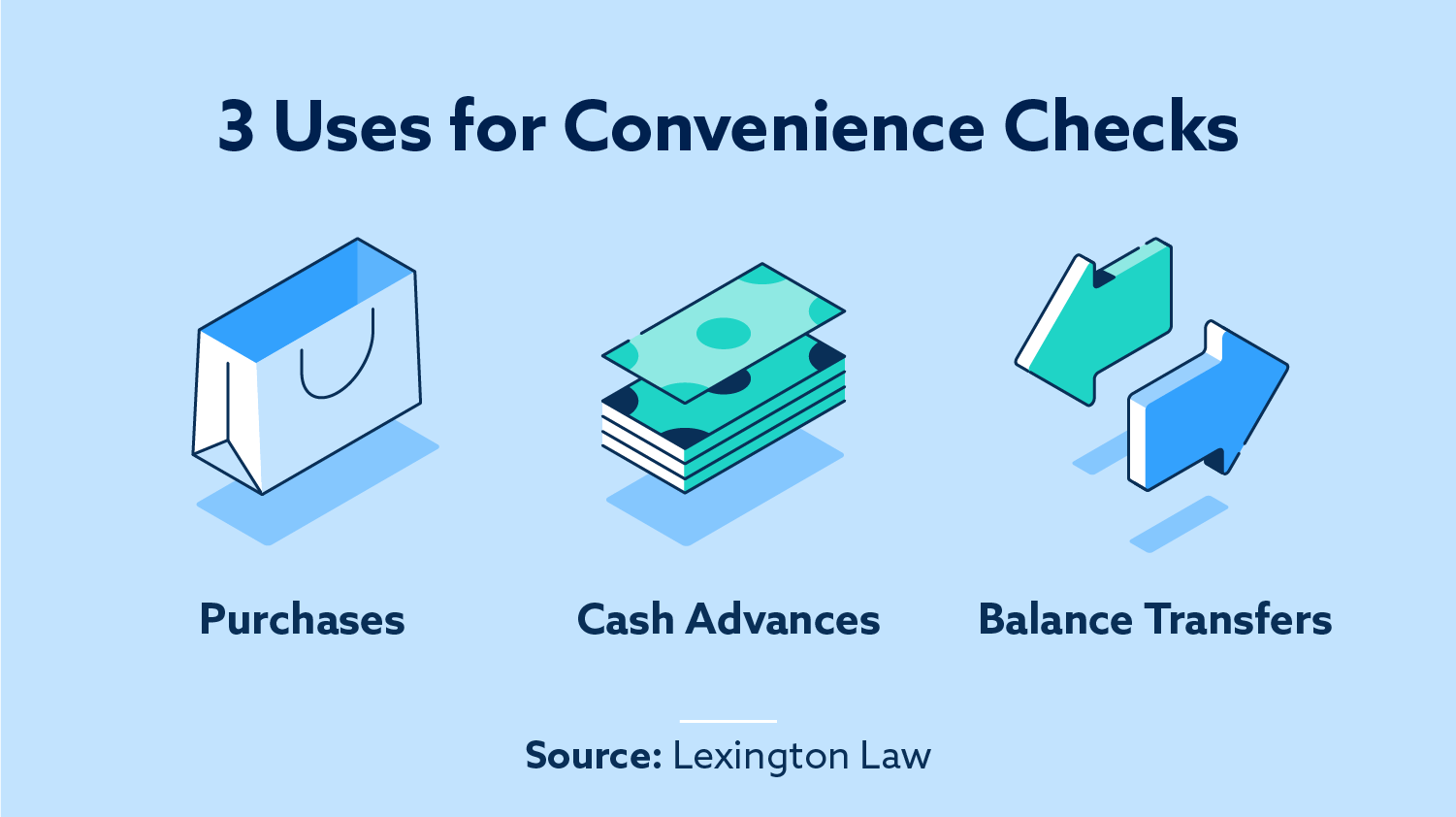
At its core, a convenience check—often referred to as a "credit card check"—is a paper instrument that allows you to draw directly against your credit card’s available limit. Unlike a standard purchase where you swipe your card at a point-of-sale terminal, writing a convenience check essentially creates an instant loan, processed through the banking system as a cash advance.
The Critical Distinction: Purchases vs. Cash Advances
The most vital distinction every consumer must grasp is the difference between a standard purchase and a cash advance:

- The Grace Period: When you make a regular credit card purchase, most issuers offer a "grace period"—usually 21 to 25 days—during which no interest accrues, provided you pay your statement balance in full by the due date. Convenience checks almost never qualify for this grace period. Interest begins to accrue from the very day the check clears your account.
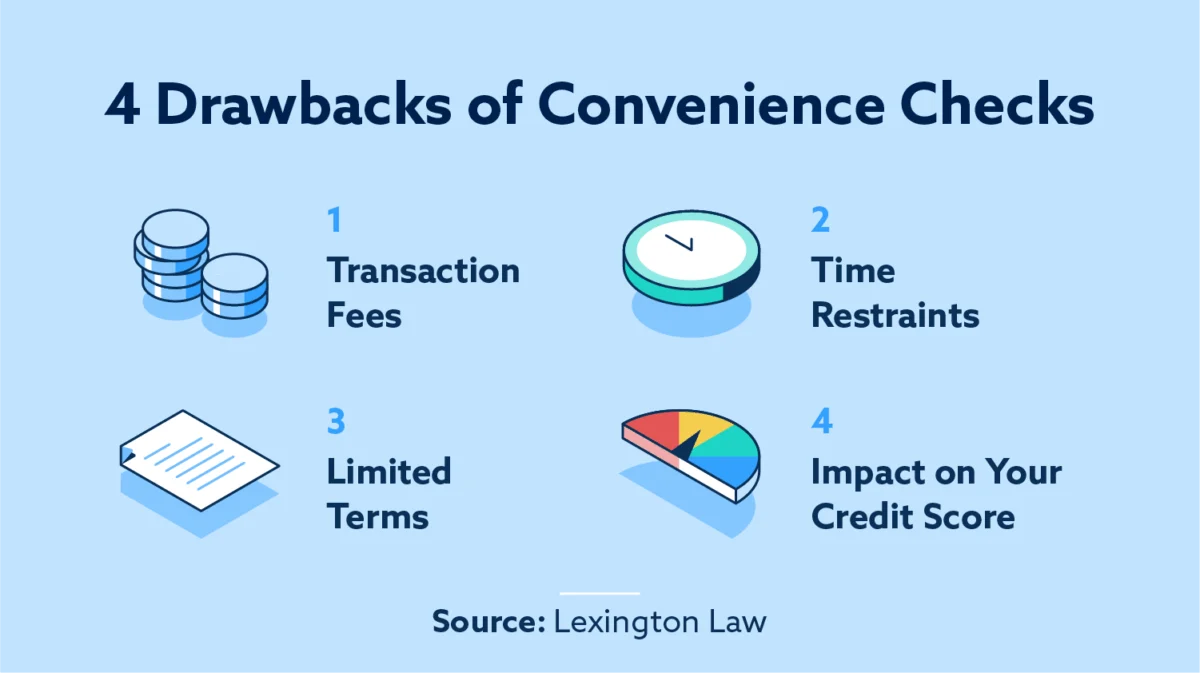
- Transaction Fees: While standard purchases rarely carry a specific "swipe fee" for the consumer, convenience checks are subject to significant upfront costs. Issuers typically charge a transaction fee ranging from 3% to 5% of the check amount. If you write a $1,000 check, you are often saddled with a $30 to $50 fee before you have even spent the money.
- The APR Gap: The interest rate applied to cash advances is frequently higher than the interest rate applied to standard retail purchases. In many cases, these rates can exceed 25% APR, compounding the speed at which debt accumulates.
Chronology: How the Process Unfolds
To understand why these checks are so dangerous, one must track the typical lifecycle of a transaction:
- The Solicitation: You receive an offer in the mail, often framed as a "special promotional opportunity" or a "pre-approved" financial tool.
- The Authorization: You sign the check and present it to a merchant or deposit it into your own bank account. At this moment, your credit limit is reduced by the amount of the check plus the transaction fee.
- The Processing: The issuer processes the check as a cash advance. Because there is no grace period, the clock on interest starts ticking immediately.
- The Statement Cycle: Your next monthly statement arrives. It reflects the check amount, the transaction fee, and the interest accrued during the short window between the check clearing and the billing date.
- The Repayment: You make your payment. Crucially, if you have other balances on your card (like standard purchases), federal law often dictates that payments above the minimum are applied to higher-interest balances first. However, the complexity of these balances often makes it difficult for consumers to track exactly how much they owe.
Supporting Data and Financial Implications
The financial burden imposed by these checks is not just theoretical; it is mathematically punitive. Consider a scenario where a borrower writes a $5,000 check with a 4% transaction fee and an APR of 24%.
- Upfront Cost: $200 (the 4% fee).
- Daily Interest: On a $5,000 balance at 24%, the daily interest accrual is approximately $3.29.
- The Cumulative Effect: If the user takes 60 days to pay this off, they have paid $200 in fees plus roughly $197 in interest. The "convenience" has cost them nearly $400 for the luxury of borrowing their own credit limit.
Credit Utilization: The Silent Score Killer
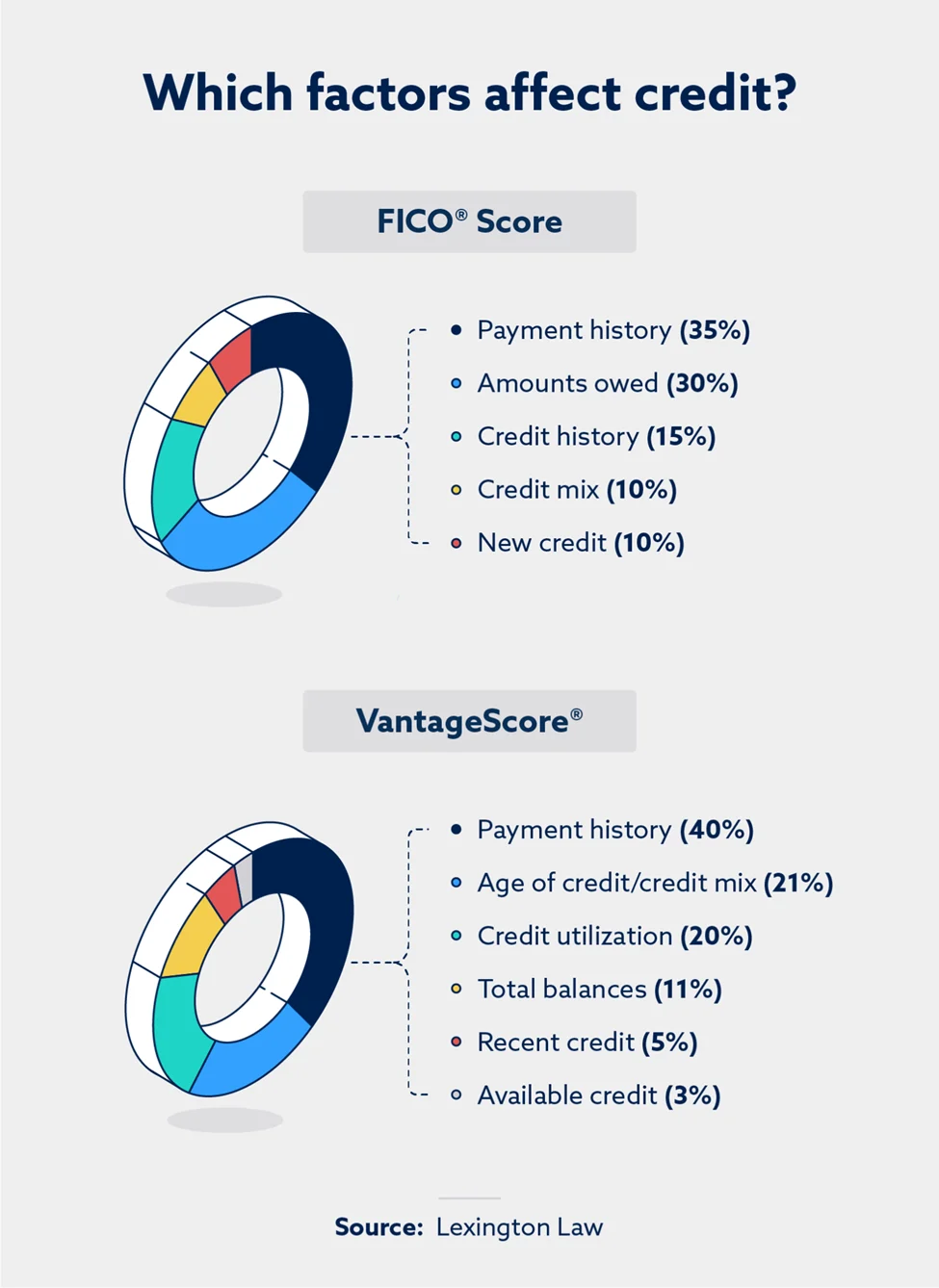
Perhaps the most overlooked impact of convenience checks is the damage to your credit score. Credit utilization—the ratio of your current debt to your total available credit—is a massive component of your FICO score.
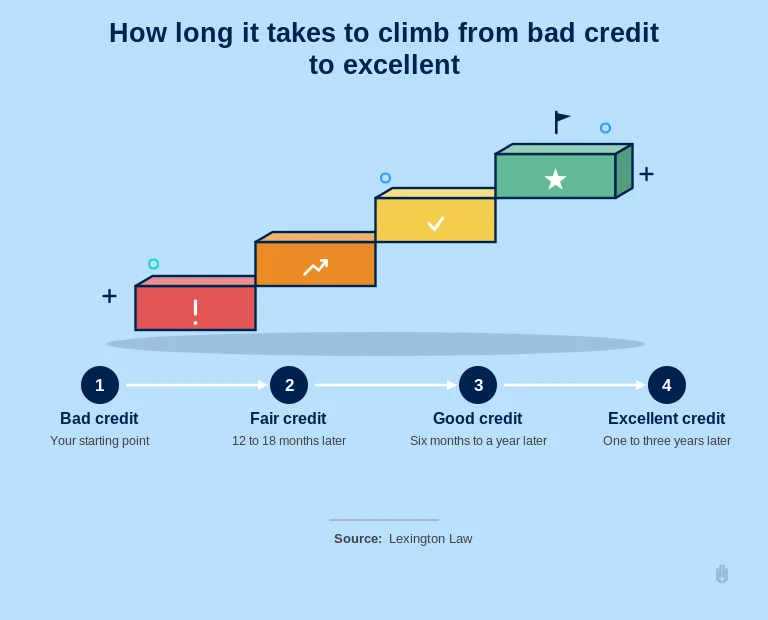
If you have a $10,000 credit limit and use a $5,000 convenience check, you have instantly pushed your utilization on that card to 50%. Most financial experts suggest keeping utilization below 30% to maintain a healthy score. A sudden, large-scale utilization spike caused by a single check can cause your credit score to drop significantly, sometimes taking months or even years to fully recover.

Strategic Uses: When Does It Make Sense?
While the pitfalls are numerous, there are rare, highly specific instances where a convenience check might serve a strategic purpose.
1. High-Interest Debt Consolidation
If an issuer sends a promotional check with a 0% APR for a set period (e.g., 12 months), and you have high-interest debt elsewhere (like a 29% APR store credit card), using the check to pay off that debt could save you significant interest. However, this is only a "win" if:
- The transaction fee is low (3% or less).
- You have a concrete plan to pay off the entire balance before the 0% promotion expires.
- You do not use the card for any other purchases, as that would complicate your payment allocation.
2. Emergency Access to Liquidity
For those without an emergency fund, these checks can act as a "last-resort" safety net when a vendor—such as a plumber or landlord—does not accept credit cards. However, this is a dangerous path. If you find yourself using these checks for routine living expenses, it is a clear indicator that your debt-to-income ratio is becoming unsustainable.
Official Industry Responses and Consumer Protection
It is essential to note that consumer protections for convenience checks are significantly weaker than those for standard credit card transactions. The Fair Credit Billing Act, which allows you to dispute fraudulent or unsatisfactory charges, often does not apply to the funds dispersed via convenience checks. Once the check clears, the money is treated as cash. If the goods or services you purchased are defective, you have no recourse through your credit card issuer.

Furthermore, the security risks are significant. Unlike a credit card, which can be canceled if lost or stolen, a book of convenience checks contains your account number and signature in a format that is highly vulnerable to theft.
Expert Recommendations
Financial advisors and consumer advocacy groups, such as those at Lexington Law Firm, consistently recommend the following best practices:
- The "Shred First" Policy: If you do not intend to use the checks, shred them immediately. Do not leave them in a desk drawer where they could be accessed by houseguests or stolen.
- Opt-Out: Contact your credit card issuer and explicitly request to be removed from their convenience check mailing list.
- Verify the Terms: If you absolutely must use one, read the "Schumer Box" (the table of terms) in your card agreement. Specifically, look for the distinction between "0% APR" and "Deferred Interest." Deferred interest is particularly predatory; if you fail to pay the balance in full by the deadline, you may be retroactively charged interest for the entire promotional period.
Conclusion: Navigate with Caution
Convenience checks are a high-stakes financial tool that rarely favors the consumer. They represent a bridge to credit that is paved with high fees, immediate interest, and potential credit score volatility.
While they can be used strategically for debt consolidation, they should never be viewed as "extra money" or a standard way to make payments. Before you sign that check, ask yourself: Is this an emergency? Is the math truly in my favor after accounting for the transaction fee? And most importantly, do I have a definitive plan to pay this back?
If the answer to any of these is "no," it is far wiser to keep the check in the shredder and explore safer, more sustainable methods of managing your finances. Your credit score—and your peace of mind—will thank you.
Disclaimer: The information provided in this article is for educational purposes only and does not constitute professional financial, legal, or credit advice. Financial decisions should be made in consultation with a qualified professional. For help with your specific credit profile or to learn more about credit management, consider consulting with established credit repair organizations or financial planners.