







Dealing with debt collectors is an experience that most Americans dread, often characterized by anxiety, confusion, and a sense of helplessness. When financial obligations go unpaid for an extended period—typically three months or more—creditors often sell these accounts to third-party collection agencies. Suddenly, the nature of your debt shifts from a private matter between you and a lender to a high-pressure campaign of phone calls, letters, and emails from strangers.
However, it is crucial to recognize that being in debt does not strip you of your basic rights. In fact, the relationship between a consumer and a debt collector is strictly governed by federal law. By understanding the legal landscape, verifying the validity of the claims against you, and employing strategic communication, you can transition from a defensive position to a proactive one.
Main Facts: The Reality of Debt Collection
The fundamental reality of the debt collection industry is that it is a business built on data. Debt collectors purchase portfolios of delinquent accounts for pennies on the dollar, hoping to recoup a fraction of the original balance. Because of the volume of data involved, errors are common.
The primary fact to internalize is that you are not obligated to pay a debt until it has been proven valid. Furthermore, you are protected by the Fair Debt Collection Practices Act (FDCPA), a federal statute that serves as a shield against the aggressive, deceptive, and abusive tactics that once defined the industry. Understanding these protections is the first step toward regaining control of your financial narrative.
Chronology: What Happens When Debt Goes to Collection
Understanding the timeline of debt collection can help you anticipate the steps you need to take.

- The Default Phase: You miss multiple payments. Your original creditor attempts to collect, often through internal departments or outsourced services.
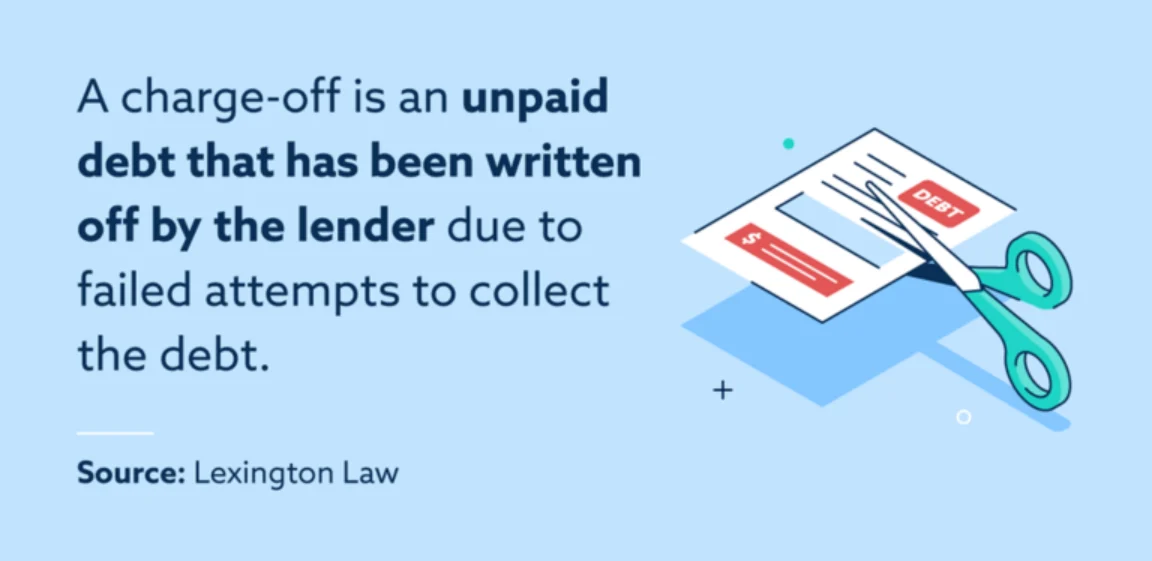
- The Charge-Off: If you fail to pay for approximately 180 days, the creditor "charges off" the debt. This is an accounting designation, not a forgiveness of the debt; it signals that the creditor has given up on collecting and is moving the account to a third-party agency.
- The Initial Contact: The collection agency reaches out. Legally, they must provide a written "validation notice" within five days of their first communication, outlining the amount owed and the name of the original creditor.
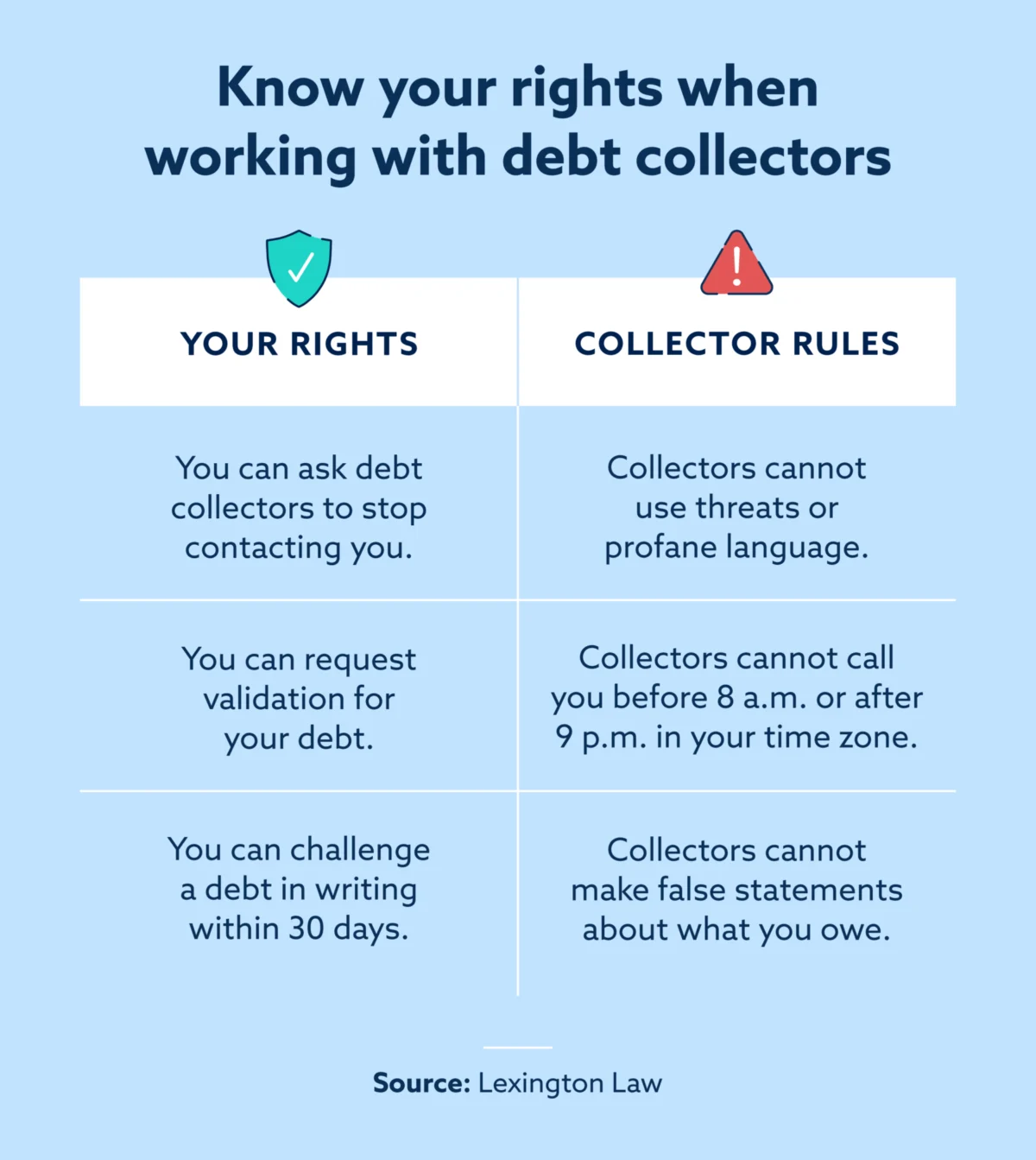
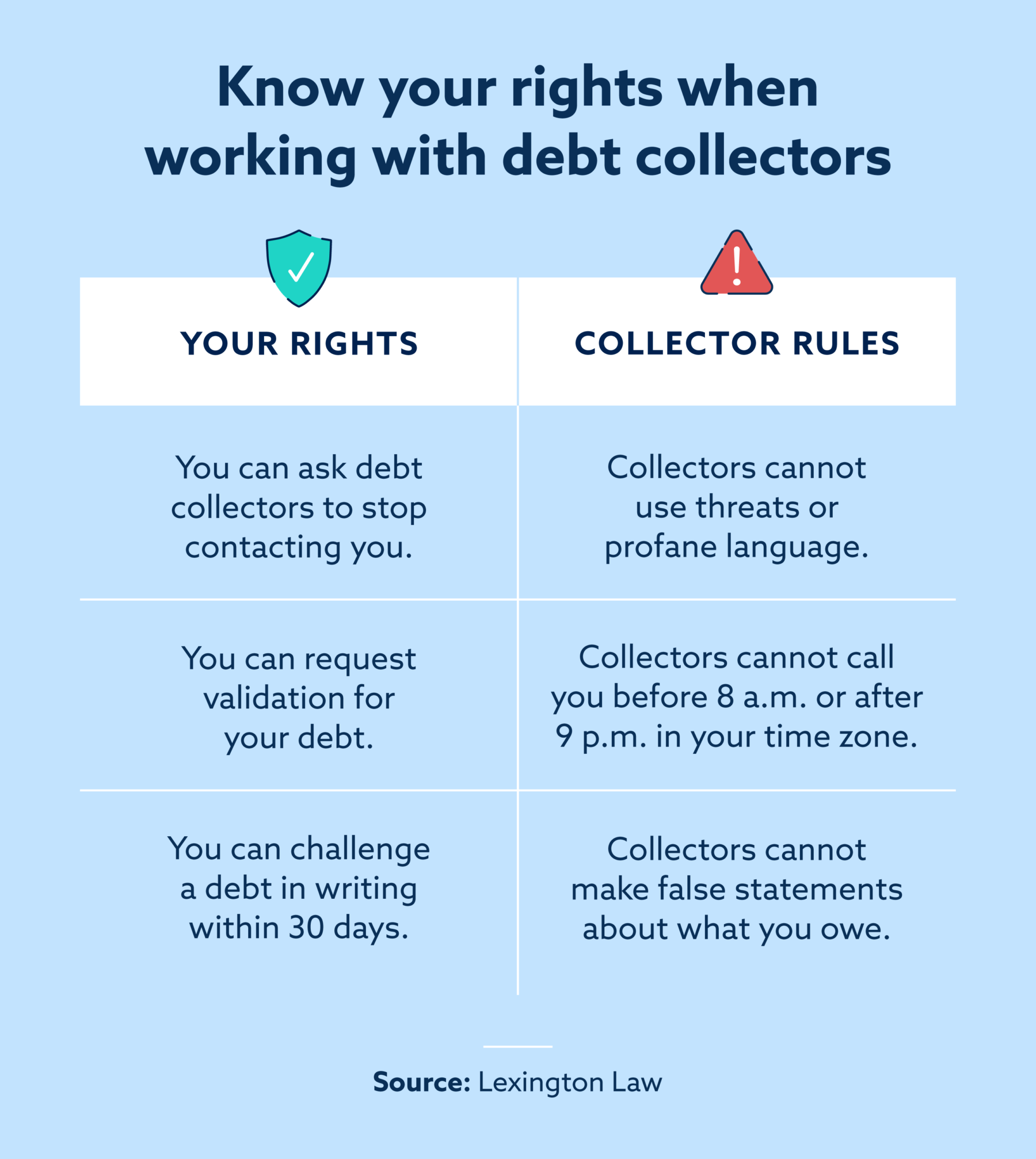
- The Dispute Window: Upon receiving the notice, you have 30 days to dispute the debt. This is a critical window; if you do not act, the agency may assume the debt is valid.
- The Resolution Phase: Through validation, negotiation, or payment, you reach a resolution.
- The Reporting Phase: Even after the debt is paid or settled, the "collection" status remains on your credit report for up to seven years from the date of the original delinquency.
Step 1: Know and Enforce Your Rights
The Fair Debt Collection Practices Act (FDCPA) is the cornerstone of consumer protection in this sector. It strictly limits what a collector can do.
Communication Restrictions
Collectors cannot call at unreasonable hours—defined as before 8 a.m. or after 9 p.m. in your local time zone. Furthermore, if you notify a collector in writing that your employer does not allow you to receive personal calls, they are legally prohibited from contacting you at your place of work.
Disclosure Requirements
Transparency is mandatory. A collector must identify themselves, state the name of the original creditor, and inform you of your right to dispute the debt. They are strictly forbidden from discussing your debt with third parties, such as neighbors, friends, or employers, except under very specific legal circumstances.
Prohibited Behaviors
Harassment, the use of profane or obscene language, and threats of violence are illegal. Collectors cannot misrepresent the amount you owe, claim they are attorneys if they are not, or threaten legal action they have no intention of taking.
Step 2: Verify the Debt is Yours
One of the most common pitfalls for consumers is paying a debt without confirming it is accurate. This is known as "debt validation."

Why Validation is Essential
- Identity Theft: Sometimes, debts appear on credit reports due to identity theft. Paying a fraudulent debt can inadvertently legitimize it.
- Incorrect Amounts: Due to clerical errors, the amount a collector claims you owe may be inflated by interest or fees that were not part of the original agreement.
- Expired Debt: Some debts are past the "statute of limitations." Once this legal window passes, you cannot be sued for the debt. However, if you make a partial payment or acknowledge the debt, you might inadvertently "restart the clock" on that statute, making the debt enforceable again.
To validate, send a formal "debt validation letter" via certified mail. This forces the agency to produce documentation—such as the original contract or account history—linking you to the debt.
Step 3: Communicate Wisely and Effectively
When speaking with collectors, treat every conversation as a business negotiation.
- Do keep a log: Record the date, time, and name of the person you spoke with, along with a summary of the conversation. This is your evidence if you ever need to file a complaint.
- Do communicate in writing: Whenever possible, conduct business via mail or email. This creates a paper trail that protects you.
- Don’t provide sensitive data: Never give out bank account numbers or social security numbers over the phone until you are 100% certain of the agency’s legitimacy.
- Don’t admit liability: Avoid saying "I will pay this" until you have validated the debt. Instead, use phrases like, "I am investigating this account."
Step 4: Negotiate with the Debt Collector
If the debt is verified and yours, you have leverage to negotiate. Collectors are often willing to settle for less than the full balance because they bought your debt for pennies.
Strategies for Negotiation
- The "Pay-for-Delete" Request: You can ask the collector to remove the collection record from your credit report in exchange for payment. While not guaranteed, some agencies will agree to this to secure a quick payment.
- Lump-Sum Settlement: Offer a lower amount to settle the account in full. Be prepared for a counter-offer.
- Written Agreement: Never send money without a written agreement. Ensure the document states that the payment is "payment in full" or "settlement in full" and that they will stop reporting the debt as active.
Supporting Data: The Scale of the Problem
The impact of debt collection on the American consumer is immense. Data from the Consumer Financial Protection Bureau (CFPB) consistently shows that debt collection is one of the top categories for consumer complaints. In recent years, the Bureau has received tens of thousands of reports regarding collectors attempting to collect debts that were already paid, or using aggressive tactics prohibited by the FDCPA.
The financial burden is often compounded by credit score damage. A single collection account can drop a FICO score by dozens of points, affecting the ability to rent an apartment, secure a car loan, or even obtain a job. This creates a cycle where the consumer is less able to pay the debt because their financial standing has been damaged by the collection process itself.

Official Responses and Recourse
If a collector violates the FDCPA, you are not powerless. You have clear paths for recourse:
- The Consumer Financial Protection Bureau (CFPB): This is the primary federal agency for filing complaints. They hold companies accountable and often compel agencies to rectify errors.
- The Federal Trade Commission (FTC): You should report any instances of potential fraud or identity theft to the FTC.
- State Attorneys General: Many states have laws that are even stricter than the federal FDCPA. Your state’s Attorney General’s office can provide information on local regulations.
Implications for Your Future
The long-term implication of ignoring debt is that it does not go away; it grows. Interest and fees continue to accrue, and the risk of litigation increases. If a collector takes you to court and wins, they may be able to garnish your wages or place a lien on your property.
Conversely, by taking control of the process, you protect your credit health and your peace of mind. Whether you pay the debt in full, settle for a reduced amount, or prove the debt is invalid, you are actively managing your financial future.
Conclusion: Seeking Professional Help
If you feel overwhelmed by the complexities of credit reporting and the pressures of debt collection, you do not have to navigate it alone. Credit repair consultants specialize in auditing credit reports, identifying inaccuracies, and providing the expertise needed to challenge negative items that shouldn’t be there.
While you are responsible for your legitimate financial obligations, you are also entitled to a fair and legal process. By verifying debts, understanding your rights under the FDCPA, and negotiating strategically, you can mitigate the damage to your credit and move toward a more stable financial future. If you suspect your credit report contains inaccuracies, consider seeking a professional credit assessment to start the journey toward recovery.
Disclaimer: This article is provided for informational purposes only and does not constitute legal, financial, or credit advice. Laws regarding debt collection can vary by state. Always consult with a qualified professional regarding your specific financial situation.