







In the modern financial ecosystem, your credit score acts as a digital fingerprint. It is a three-digit summary of your financial trustworthiness that dictates the trajectory of your life—from the interest rates you pay on a mortgage to the security deposit required for an apartment, and even the premiums you are quoted for auto insurance. Yet, for many, the mechanics of how this score is built, maintained, and repaired remain shrouded in mystery.
Whether you are a recent college graduate entering the workforce, a new immigrant establishing a financial presence, or someone looking to rebuild after a fiscal setback, understanding the timeline of credit development is essential. Building a robust credit profile is not a sprint; it is a calculated, multi-year marathon.
The Foundations: Understanding the "Six-Month Rule"
The most common misconception regarding credit is that individuals start with a "zero" score. In reality, you begin with a blank slate. Credit bureaus—Equifax, Experian, and TransUnion—cannot generate a FICO® or VantageScore® until there is sufficient data to analyze.
For a first-time user, the industry standard for generating an initial credit score is approximately six months. During this period, you must have at least one credit account—such as a credit card, student loan, or auto loan—actively reporting to the bureaus. Once this account has demonstrated six months of history, the scoring models have the necessary data to calculate your first score.
It is important to note that a lack of credit history is not a moral failing or an indication of poor financial management; it is simply a lack of data. Many individuals who rely strictly on cash or debit transactions find themselves in this "unscored" category, which can paradoxically make it difficult to secure loans or credit lines in the future.

Chronology: The Staircase of Credit Tiers
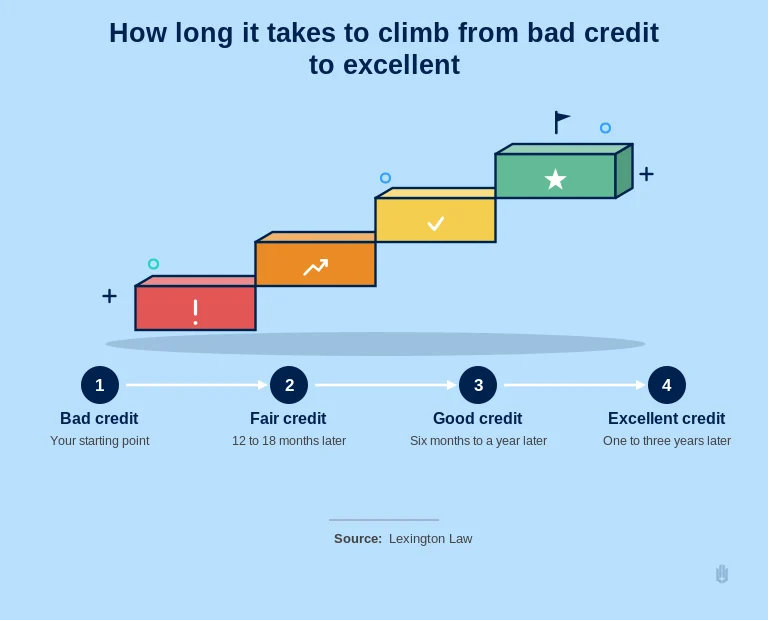
Building a credit score is an incremental process. While individual results vary based on local economic conditions and personal habits, financial experts generally categorize the journey into four distinct tiers.
1. The Entry Point: Building from Scratch (0–6 Months)
During the first six months, your primary goal is account activation. Whether through a secured credit card—where you provide a cash deposit as collateral—or becoming an authorized user on a family member’s established account, the focus must be on creating a positive, consistent reporting trail.
2. From Bad to Fair (12–18 Months)
If you are rebuilding credit after a bankruptcy, default, or a string of missed payments, this is the most grueling stage. Negative marks, such as collections or charge-offs, have a "half-life" in the eyes of scoring algorithms. They exert maximum damage when they are recent. Moving from a "bad" score to "fair" territory requires roughly 12 to 18 months of flawless, on-time payments. During this time, the negative impact of past mistakes begins to wane as newer, positive history gains prominence.
3. From Fair to Good (6–12 Months)
Once you have cleared the hurdle of active damage, reaching "good" territory is often a matter of patience. This stage typically involves refining your habits: keeping your credit utilization ratio low (ideally under 30% of your available limit) and avoiding the temptation to open multiple new accounts in a short period.
4. From Good to Excellent (1–3 Years)
This is the final frontier of credit building. To achieve an "excellent" score—often 800 or higher—you must focus on the "Length of Credit History" factor. This component accounts for a significant portion of your score, and there are no shortcuts to aging your accounts. This phase requires consistency and the avoidance of "hard inquiries," which occur when you apply for new credit.

Supporting Data: What Actually Moves the Needle?
To understand how to accelerate your timeline, one must understand the anatomy of a credit score. While different models exist, the industry-standard FICO® model weighs five key categories:
- Payment History (35%): This is the most critical factor. A single 30-day late payment can drop a high score by dozens of points.
- Amounts Owed (30%): This refers to your credit utilization ratio. If you have a $1,000 limit and carry a $900 balance, your score will suffer even if you pay on time.
- Length of Credit History (15%): The age of your oldest account and the average age of all your accounts.
- New Credit (10%): Opening multiple accounts in a short window signals risk to lenders.
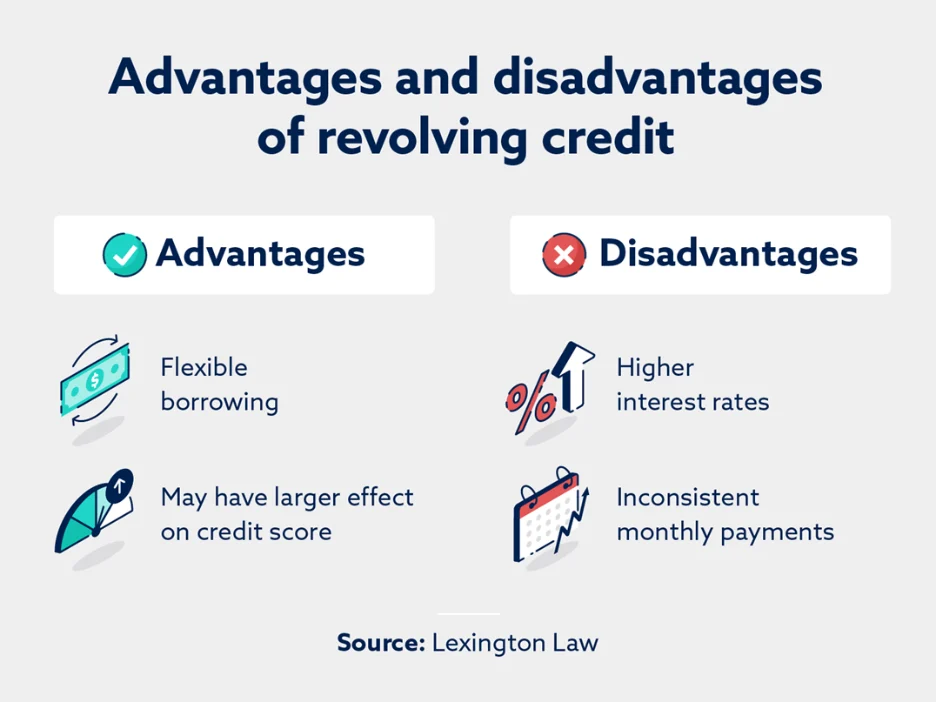
- Credit Mix (10%): A healthy profile includes a mix of revolving credit (credit cards) and installment loans (auto, mortgage, student).
VantageScore®, a competing model, weighs similar factors but places a greater emphasis on "Credit Utilization" and "Total Credit Usage," making it a popular metric for fintech companies and digital banking platforms.
Implications: The High Cost of a Low Score
The implications of your credit score extend far beyond the ability to borrow money. In the modern economy, your credit profile acts as a proxy for personal responsibility.
- Interest Rates: A consumer with an excellent score might secure a mortgage at 6%, while a consumer with a fair score could be saddled with 8% or higher. Over the life of a 30-year loan, that difference equates to tens of thousands of dollars in unnecessary interest payments.
- Insurance Premiums: Many states allow auto and homeowners insurance providers to use credit-based insurance scores to calculate premiums. Statistically, insurers correlate lower credit scores with higher claim frequencies.
- Employment Opportunities: While employers cannot see your score, they can request a credit report for positions involving financial responsibility. A history of collections or liens can occasionally act as a barrier to professional advancement.
The Role of Professional Advocacy
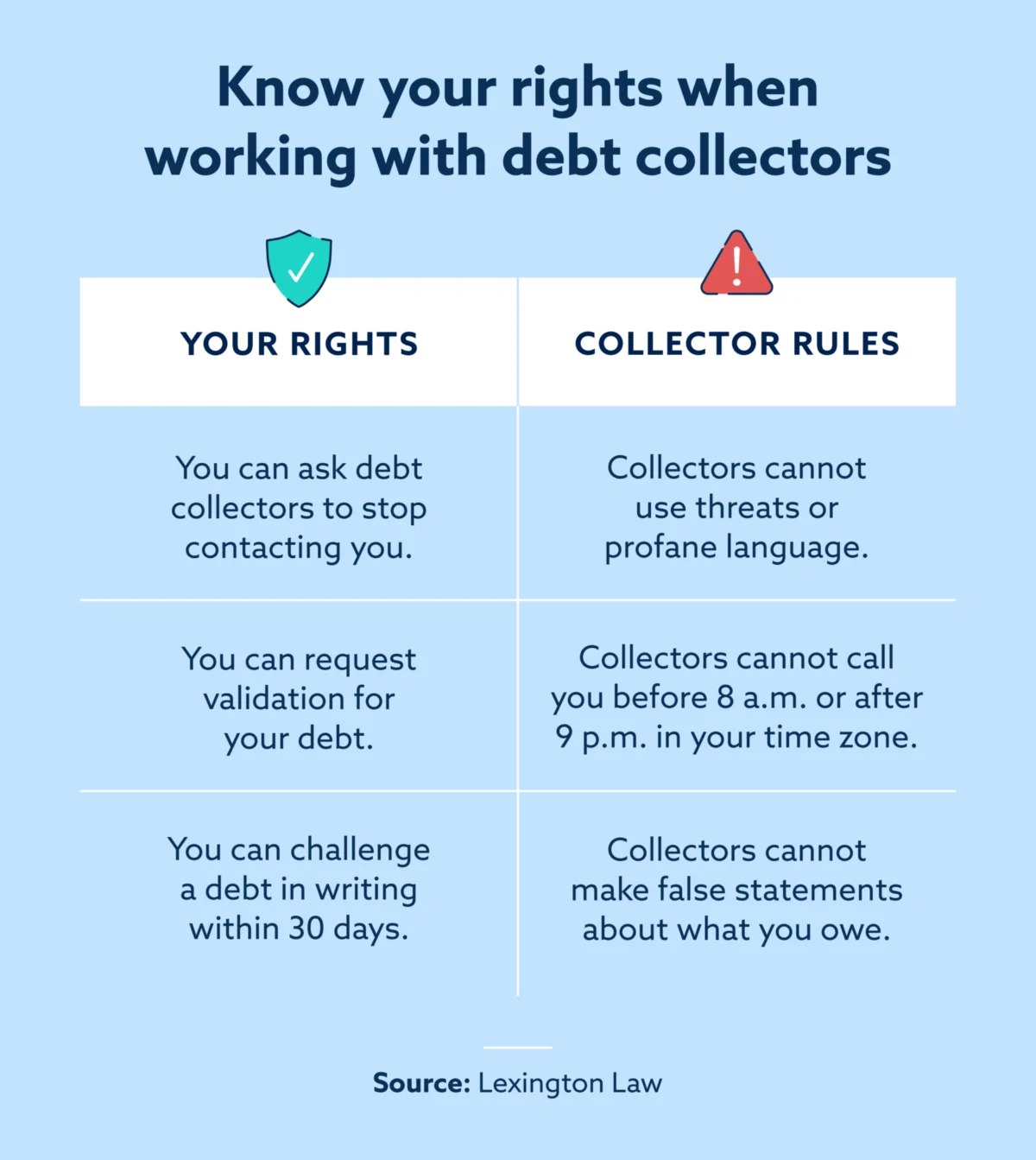
Even with the best intentions, consumers often encounter roadblocks that are not of their own making. Errors in credit reporting—such as a debt that was already paid appearing as "in collections," or accounts belonging to someone with a similar name—can haunt a credit profile for years.
When these inaccuracies occur, the process of disputing them with the three major bureaus can be overwhelming. This is where professional intervention becomes a strategic asset. Firms like Lexington Law specialize in auditing credit reports, identifying discrepancies, and navigating the complex legal landscape of the Fair Credit Reporting Act (FCRA).

By identifying and challenging inaccurate, unfair, or unsubstantiated items, consumers can often remove "anchors" that prevent their scores from rising, effectively fast-tracking their progress through the credit tiers.
Expert Strategies for Success
To summarize the path forward, consider these essential rules for maintaining a healthy credit trajectory:
- Automate Payments: The most effective way to protect your 35% "payment history" stake is to set up automatic minimum payments. Never miss a due date.
- Monitor Your Utilization: Treat your credit card like a debit card. If you know you cannot pay off the balance in full at the end of the month, do not make the purchase.
- Practice Patience with Inquiries: Avoid "shopping" for credit. Every time you apply for a store card or a new loan, a "hard inquiry" is recorded, which can shave points off your score.
- Audit Regularly: You are entitled to a free credit report from each of the three major bureaus annually. Review them for errors, incorrect balances, or unauthorized accounts.
Conclusion
Building credit is a structural endeavor. It requires the laying of a foundation, the construction of consistent habits, and the maintenance of a watchful eye over the reporting bureaus. While the timelines provided—six months to start, and years to achieve excellence—may seem daunting, they are manageable for anyone willing to adhere to the core principles of financial discipline. By avoiding common pitfalls and ensuring your report is free from inaccuracies, you are not just building a number; you are building a lifetime of financial opportunity.
Disclaimer: This article is for informational purposes only and does not constitute financial, legal, or credit advice. Credit outcomes are dependent on individual circumstances and local regulations. Readers are encouraged to consult with professional advisors before making significant financial decisions.