










By Holly Welles
Updated: July 23, 2026
Main Facts: The Reality of Drained Savings and the Path to Recovery
Financial emergencies are an inevitable part of the human experience. Whether triggered by an unexpected medical diagnosis, sudden automobile repairs, urgent home maintenance, or a sudden loss of employment, life has a way of throwing expensive curveballs. When these crises strike, dipping into emergency savings is often the only viable solution.
However, watching a carefully cultivated nest egg evaporate in a matter of days can trigger profound anxiety, frustration, and a sense of helplessness. It is easy for individuals to view a depleted bank balance as a personal failure. Financial experts, however, emphasize a crucial perspective shift: that is exactly what the money was there for.
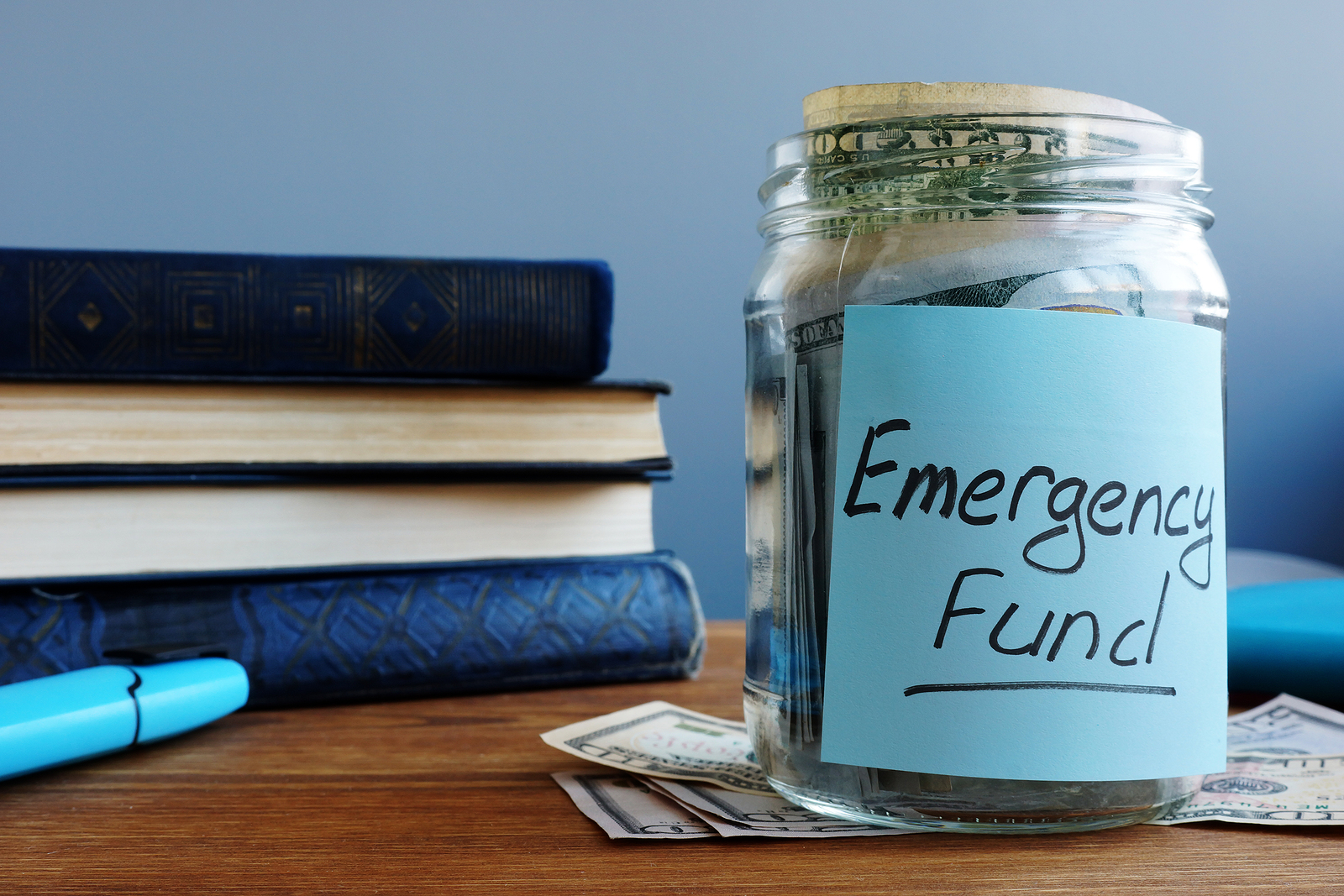
Emergency funds are not meant to serve as static museum pieces locked behind glass; they are dynamic, liquid safety nets engineered to absorb financial shocks. The primary fact remains: you needed the money, and you used it correctly.
The real challenge begins after the crisis has passed. Once the dust settles, households face the daunting task of financial reconstruction. Rebuilding an emergency fund from scratch can feel like climbing a vertical cliff face, but it is an essential undertaking. Without a financial buffer, individuals remain highly vulnerable to the next unexpected expense, creating a perilous cycle of high-interest debt and chronic financial stress.
Chronology: Understanding the Lifecycle of a Financial Emergency
To effectively manage the recovery process, it is helpful to understand the natural timeline of a financial emergency and its aftermath. Financial recovery is not a single event; it is a phased process that requires distinct strategies at every stage.
Phase 1: The Incubation and Strike of the Crisis
The timeline usually begins with an unexpected event—a transmission failure, a sudden trip to the emergency room, or a corporate layoff. In this phase, liquidity is paramount. Individuals are forced to liquidate assets, draw down savings accounts, and reallocate every available dollar toward damage control.
Phase 2: Immediate Triage and Stabilization
Once the immediate bill is paid or the immediate income gap is recognized, the focus shifts to stabilization. This involves halting nonessential spending in real-time, communicating with creditors regarding temporary relief, and ensuring that basic survival needs (housing, food, utilities) are secured.
Phase 3: Post-Crisis Assessment (Where You Are Now)
With the acute emergency in the rearview mirror, the recovery timeline formally begins. This is the critical juncture where individuals must take stock of their remaining assets, evaluate income streams, and acknowledge the new financial baseline. This phase sets the tone for long-term recovery.
Phase 4: Systematic Rebuilding and Recalibration
The final phase involves intentional, incremental growth. By updating budgets, optimizing income, and temporarily pausing secondary financial goals, households methodically feed their savings accounts back to pre-crisis levels—or higher—ensuring structural resilience for the future.
Supporting Data: The Vulnerability of American Households
The necessity of emergency savings is underscored by decades of economic data tracking consumer financial health. According to various financial literacy and Federal Reserve studies, a staggering percentage of the population lives one unexpected expense away from financial distress.
- The Liquid Savings Gap: Historically, data shows that nearly 40% to 50% of American adults would struggle to cover a routine $400 unexpected expense using cash or liquid savings alone. When faced with larger crises—such as a $2,000 emergency—that vulnerability deepens significantly.
- The Debt Trap: Without an emergency fund, individuals routinely turn to high-interest credit cards, personal loans, or predatory payday lenders to bridge the gap. The average credit card interest rate hovers near historically high levels, meaning a $3,000 emergency carried on a credit card can balloon significantly over time if not paid off immediately.
- Psychological Impact: Financial research consistently links financial insecurity to elevated cortisol levels, chronic anxiety, and diminished productivity in the workplace. Rebuilding an emergency fund is not merely a mathematical exercise; it is an essential investment in mental health and overall well-being.
Official Responses and Expert Guidance: How to Restart the Engine
When navigating the complexities of post-crisis recovery, relying on structured, expert-backed strategies is vital. Financial counseling organizations, such as the National Foundation for Credit Counseling (NFCC), provide actionable roadmaps to help consumers regain their footing.
1. Update and Recalibrate Your Monthly Budget
Following a major financial disruption, your financial reality has fundamentally changed. Income streams may have altered, and fixed or variable expenses may look completely different.
- Perform a Line-by-Line Audit: List every single current source of income alongside all monthly expenditures.
- Account for Irregular Expenses: For costs that fluctuate throughout the year—such as holiday spending, annual vehicle registration, or seasonal travel—calculate the annual average and divide it by 12. For instance, if you spend roughly $1,200 annually on travel, carve out $100 per month in your baseline budget so these predictable events do not morph into new emergencies.
- Establish New Savings Targets: Because your emergency fund is currently depleted, building it back up must be treated as a non-negotiable monthly line item, much like rent or a mortgage payment.
2. Identify and Implement Income-Boosting Strategies
If your primary income took a hit during the crisis, cutting expenses alone may not be enough to accelerate your recovery. In these scenarios, increasing cash flow is essential.
- Leverage the Power of Side Hustles: Temporary or permanent secondary income streams can fast-track your savings goals. Whether it is freelance writing, pet-sitting, tutoring, or ridesharing, dedicating 5 to 10 hours a week to a side hustle can inject hundreds of extra dollars directly into your savings account.
- Negotiate Your Worth: Evaluate the broader job market. If your current employer is underpaying relative to industry standards, consider searching for higher-paying positions. Alternatively, schedule a formal conversation with your manager to discuss performance metrics and pathways toward a promotion or pay raise.
3. Temporarily Trim Nonessential Expenses
Sacrifice is rarely comfortable, but temporary austerity yields long-term peace of mind. The goal is not to eradicate all joy from your daily routine—doing so often backfires, leading to "budget fatigue" and impulsive retail therapy. Instead, focus on strategic, temporary eliminations.
- Subscription Audits: Review bank statements for streaming services, digital subscriptions, gym memberships, and app fees that go underutilized. Pause them for three to six months while you rebuild.
- Dining Out and Entertainment: Reduce the frequency of restaurant meals, takeout orders, and entertainment outings. Shifting these habits temporarily can dramatically alter your monthly surplus.
4. Strategically Pause Secondary Financial Goals
When individuals get serious about money, they often accumulate multiple admirable goals: paying off student loans early, saving for a down payment on a house, or maxing out retirement accounts.
However, during the emergency fund rebuilding phase, these secondary ambitions must be placed on temporary hiatus.
- The Safety Net Comes First: Your experience has vividly demonstrated why a safety net is indispensable. Directing surplus cash toward a home down payment while your emergency fund sits at zero is structurally unsound.
- Patience is Key: Pausing these goals does not mean abandoning them. Once your emergency fund is restored to a healthy three-to-six-month cushion, you can aggressively redirect your financial power back toward long-term wealth-building.
5. Conduct Rigorous Monthly Reviews
Financial management requires ongoing oversight, not a "set-it-and-forget-it" mentality.
- Closing the Month: At the end of every month, sit down with your bank statements and budget tracker. Analyze where your money went, identify budget overruns, and pinpoint adjustments needed for the upcoming month.
- Catching Drift Early: Regular reviews allow you to spot creeping bad habits before they derail your progress, ensuring that you stay firmly on the path toward financial security.
Implications: The Long-Term Value of Unyielding Preparedness
The implications of actively rebuilding an emergency fund extend far beyond the numbers in a bank account. A fully funded emergency savings account represents autonomy, resilience, and psychological freedom.
When households possess a robust safety net, unexpected economic downturns—such as industry-wide layoffs, macroeconomic inflation spikes, or personal health crises—lose their catastrophic edge. Instead of sliding into cycles of high-interest debt, bankruptcy, or acute desperation, individuals with emergency funds can navigate turbulence with composure and confidence.
Furthermore, seeking professional guidance can dramatically streamline this journey. Consumers who feel overwhelmed by the mechanics of budgeting and debt recovery do not have to navigate the landscape alone. Scheduling a consultation with an NFCC-certified credit counselor provides access to tailored budgeting support, objective analysis, and personalized debt-management strategies designed to secure long-term financial health.
Ultimately, rebuilding your emergency fund is the ultimate act of self-care and financial stewardship. By respecting the process, updating your parameters, and prioritizing liquidity, you build a fortress of stability capable of weathering whatever storms the future may hold.