







In the fast-paced modern business landscape, digital evolution is no longer an optional luxury; it is a fundamental requirement for survival and competitive dominance. As organizations increasingly outgrow legacy on-premises systems, designing and executing a robust technology migration strategy has become the primary roadmap for moving digital assets, applications, and services securely into cloud environments or alternative modern platforms.

Whether an enterprise is looking to cut infrastructure costs, scale dynamically, or harness the raw power of artificial intelligence and real-time data analytics, the migration journey requires meticulous planning. Without a structured blueprint, businesses risk catastrophic downtime, data loss, compliance failures, and ballooning budgets. This comprehensive report explores the essential pillars of technology migration, examining the core facts, strategic methodologies, risk mitigation techniques, and long-term implications for modern enterprises.

Main Facts: What Is a Technology Migration Strategy?
At its core, a technology migration strategy is a comprehensive master plan detailing how an organization will transition its digital footprint from legacy, on-premises data centers to modern cloud infrastructures or alternative platforms.

The process typically begins with a rigorous audit of existing IT resources, followed by the establishment of clear, measurable migration goals. Organizations must evaluate different migration pathways—such as rehosting, replatforming, or refactoring—to determine which approach best aligns with their operational objectives, financial constraints, and technical capabilities.

Furthermore, a modern migration strategy is not merely a one-time technical project; it is an ongoing process of optimization. Post-migration monitoring, continuous system improvement, and rigorous data governance are essential to ensure that the new environment scales dynamically alongside evolving business needs.

Chronology: The Lifecycle of a Technology Migration
Executing a successful technology migration requires a phased chronological approach. Rushing the process or skipping foundational phases invariably leads to operational bottlenecks. Organizations typically progress through five distinct stages:

Phase 1: Assessment and Discovery
The journey begins with an exhaustive inventory of all existing IT assets, applications, databases, and workflows. During this phase, technical teams identify dependencies, performance benchmarks, technical debt, and potential security vulnerabilities.

Phase 2: Strategy and Goal Definition
Armed with a clear understanding of the current infrastructure, leadership must define precise business objectives. This includes establishing Key Performance Indicators (KPIs)—such as target reduction in Total Cost of Ownership (TCO), expected improvements in application latency, and uptime guarantees—to measure success objectively.

Phase 3: Selection and Prioritization
Organizations evaluate the "7 Rs" of migration (Rehost, Replatform, Repurchase, Refactor, Retire, Retain, and Relocate) to categorize workloads. High-impact, low-complexity workloads are typically prioritized for early migration, while mission-critical legacy systems requiring major overhauls are scheduled deliberately.

Phase 4: Execution and Risk Mitigation
The actual transfer of data and applications occurs in this phase, preferably using a phased, incremental approach to minimize system-wide disruption. Rigorous automated data validation (via checksums and hash functions), robust encryption, and real-time cloud monitoring tools are deployed concurrently to safeguard data integrity and ensure business continuity.

Phase 5: Post-Migration Optimization and Governance
Once workloads are successfully running in the new environment, the focus shifts to continuous monitoring, cost optimization, user training, and ongoing compliance audits.

Supporting Data and Frameworks: The Migration Methodologies
Understanding the diverse approaches to migration allows decision-makers to tailor their strategy to organizational budgets and timelines. Industry frameworks typically break migration down into several key methodologies:

Common Migration Approaches
- Rehosting ("Lift and Shift"): Moving applications to the cloud with virtually zero structural changes. This offers rapid deployment and immediate cost savings on hardware, though it may not fully leverage cloud-native capabilities.
- Replatforming ("Lift, Tinker, and Shift"): Making minor optimizations to an application to allow it to run more efficiently in a cloud environment (e.g., migrating a database to a managed cloud service) without altering its core architecture.
- Refactoring / Re-architecting: Completely redesigning an application to harness cloud-native features like microservices, containerization, and serverless computing. While resource-intensive, this approach yields maximum long-term scalability and performance.
- Repurchasing: Transitioning entirely from traditional software licenses to Software-as-a-Service (SaaS) platforms.
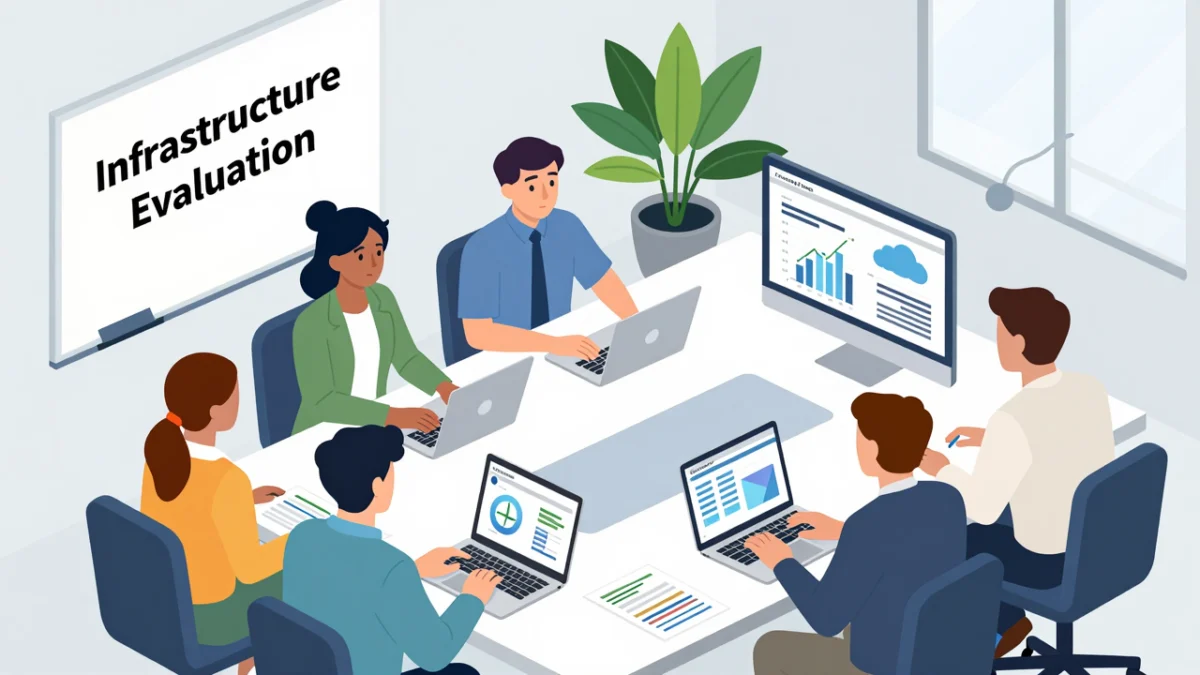
Infrastructure Assessment Checklist
| Objective | Action Steps & Focus Areas |
|---|---|
| Improve Scalability | Identify resource constraints, evaluate auto-scaling capabilities, and adopt containerization (e.g., Kubernetes). |
| Reduce Costs | Analyze Total Cost of Ownership (TCO), eliminate idle server capacities, and implement resource scheduling. |
| Enhance Security | Review current security protocols, enforce role-based access controls, and apply end-to-end encryption. |
| Guarantee Compliance | Audit internal procedures against regional and industry-specific regulations such as GDPR and HIPAA. |
Official Perspectives and Expert Responses
Industry leaders and cloud infrastructure architects emphasize that technology migration is fundamentally a business transformation, not just an IT upgrade.

According to enterprise migration specialists, one of the most common pitfalls organizations face is underestimating the human element of change. "Technology is only half the battle," notes enterprise IT strategist Marcus Vance. "You can deploy the most advanced cloud architecture in the world, but if your internal teams lack the training to operate, secure, and optimize it, the migration will ultimately fail to deliver its projected ROI."

Furthermore, regulatory bodies continually stress the non-negotiable nature of data security during transit. Chief Information Security Officers (CISOs) advise that compliance frameworks—such as maintaining immutable audit trails and implementing rigorous data governance policies—must be embedded into the migration plan from day one, rather than treated as an afterthought.

Implications: Risks, Compliance, and Long-Term Success
Navigating a major technological transition inevitably exposes an organization to distinct risks. Proactively identifying and neutralizing these hazards is the hallmark of a mature migration strategy.

Navigating Migration Risks
- Unforeseen Downtime: Unexpected service interruptions can damage customer trust and impact revenue. Mitigation involves utilizing phased deployments, blue/green deployment strategies, and maintaining comprehensive rollback plans.
- Data Loss and Corruption: Transferring petabytes of sensitive data creates vulnerabilities. Enterprises must implement automated validation protocols, such as checksums, alongside redundant backup and disaster recovery systems.
- Skill Gaps and Resistance to Change: Employees accustomed to legacy systems may struggle with new tools. Establishing robust training resources, dedicated help desks, and ongoing skill-development workshops is vital for cultural adaptation.
Regulatory Compliance
As organizations migrate data across global cloud regions, adhering to statutory frameworks like the Health Insurance Portability and Accountability Act (HIPAA) or the General Data Protection Regulation (GDPR) is paramount. Implementing strict data encryption (both in transit and at rest), granular access controls, and detailed audit trails guarantees that regulatory standards are consistently met.

Emerging Trends: The Rise of Cloud-Native Architectures
Looking forward, the migration landscape is increasingly shaped by automation and cloud-native paradigms. With over 90% of enterprises adopting multi-cloud strategies, modern migration plans must prioritize interoperability, microservices, and event-driven architectures. Automation tools drastically reduce human error, accelerate deployment velocity, and ensure that organizations can seamlessly adapt to future technological breakthroughs.

Conclusion
A well-crafted technology migration strategy serves as the foundational anchor for any modern digital transformation initiative. By meticulously evaluating existing infrastructure, setting crystal-clear business objectives, choosing the appropriate migration framework, and proactively mitigating risks, organizations can safeguard their operational continuity.

Ultimately, successful migration transcends the mere shifting of data to the cloud—it unlocks unprecedented scalability, optimizes operational costs, and future-proofs the enterprise for sustainable, long-term success.