







The landscape of in-flight connectivity is undergoing a seismic shift. For years, passengers have endured sluggish, intermittent, and often prohibitively expensive satellite internet while crossing the Atlantic or Pacific. However, the tide has turned. Following the lead of major European aviation powerhouses like IAG (British Airways, Iberia), the Lufthansa Group, and sister carrier Air France, Royal Dutch Airlines (KLM) has finally unveiled its strategy to modernize its digital infrastructure.
KLM recently confirmed that it will integrate SpaceX’s Starlink, the high-speed, low-latency satellite internet service, across its intercontinental fleet. This move effectively ends the airline’s status as a notable laggard in the European market, promising a significant leap forward in the passenger experience.
The Core Announcement: What Passengers Can Expect
Starting in mid-2027, KLM will begin the installation of Starlink hardware on its long-haul aircraft. The transition marks a departure from the traditional, bandwidth-constrained systems provided by legacy vendors like Intelsat and Panasonic.
For passengers, the most significant takeaway is the pricing model: the service will be entirely free for all Flying Blue members across all classes of service. By leveraging their loyalty program as a gateway to connectivity, KLM is positioning itself to compete directly with other premium carriers that have already moved toward "freemium" or entirely free Wi-Fi models.
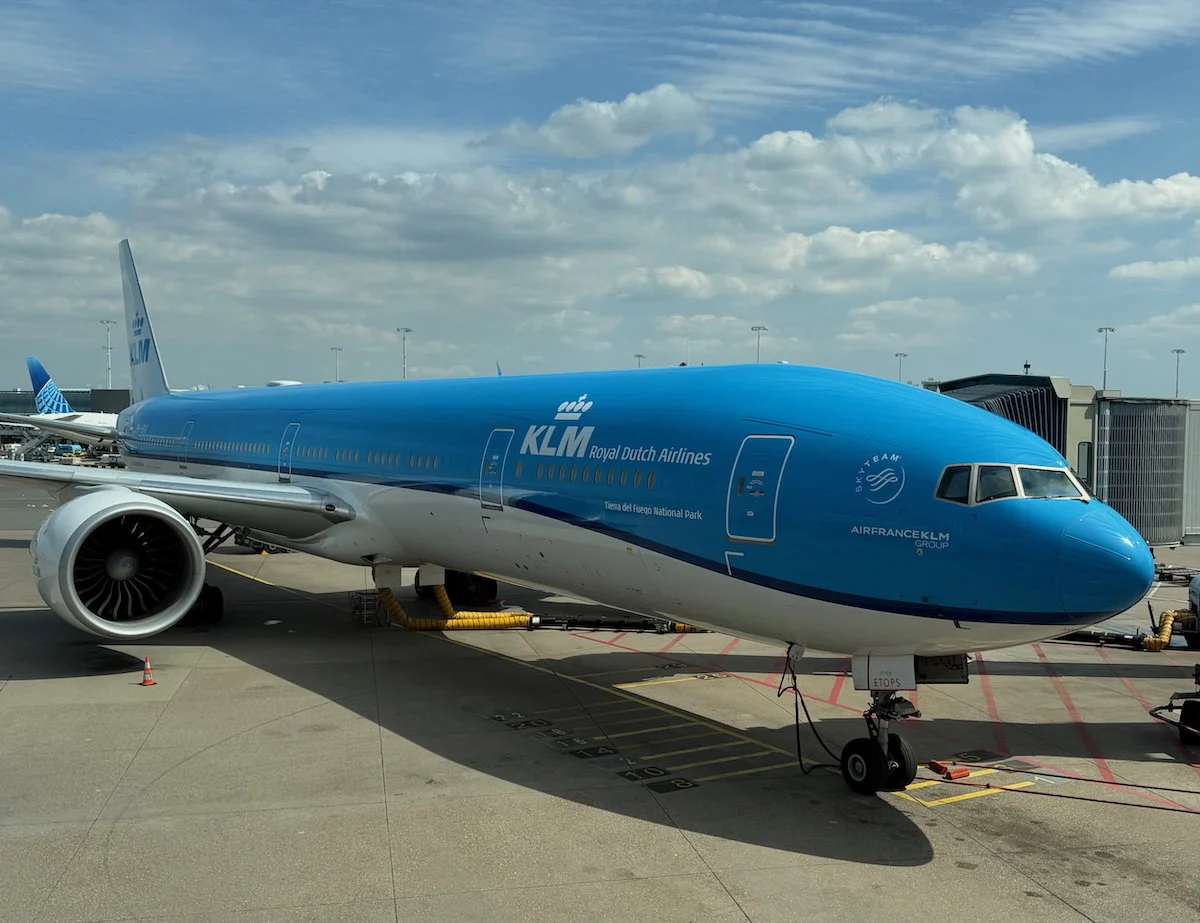
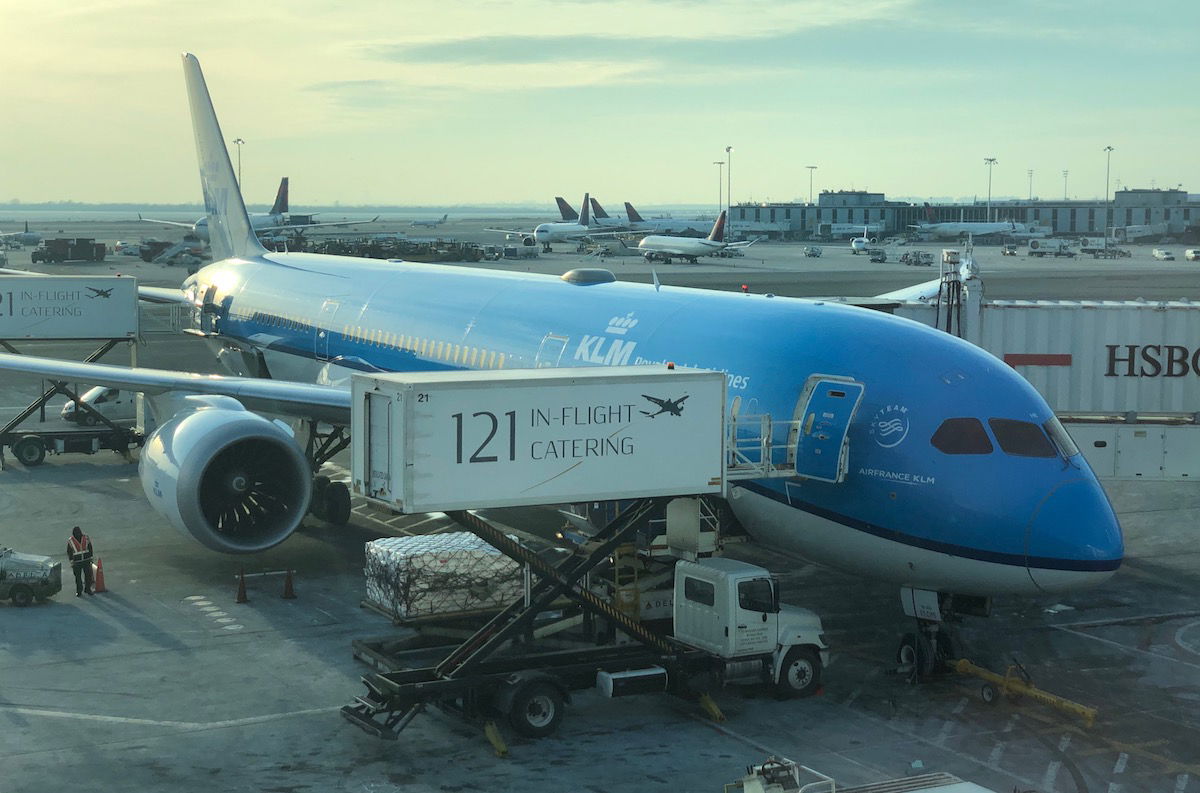
The roll-out will be phased, meaning that not every aircraft will receive the upgrade simultaneously. While a definitive timeline for the completion of the fleet-wide upgrade has yet to be released, the airline is expected to prioritize its core wide-body workhorses. This includes the Boeing 777 and Boeing 787 Dreamliner fleets, as well as newly delivered Airbus A350 aircraft, which are currently being integrated into the KLM long-haul network.
A Chronology of the Connectivity Arms Race
To understand the significance of this announcement, one must look at the broader industry context. The demand for "ground-like" internet speeds at altitude has transitioned from a luxury amenity to an expected baseline requirement for business and leisure travelers alike.

- The Early Years (2010–2018): Airlines experimented with various geostationary (GEO) satellite providers. While these systems offered basic connectivity, they were plagued by high latency and low data caps, often rendering them useless for anything beyond basic text-based email.
- The Rise of LEO (2019–2023): SpaceX’s Starlink, utilizing a Low Earth Orbit (LEO) constellation, fundamentally changed the physics of in-flight Wi-Fi. By placing satellites closer to Earth, latency was reduced from seconds to milliseconds.
- The European Pivot (2023–2024): The Lufthansa Group led the charge among major European carriers, announcing a sweeping partnership with Starlink to provide free, high-speed internet. Air France and IAG quickly followed suit, leaving KLM as the last major flag carrier in the region without a confirmed LEO strategy.
- The Mid-2027 Commitment: KLM’s recent announcement completes the circle, ensuring that the major airline alliances serving Europe are now fully committed to the high-speed connectivity era.
Technical Superiority: Why Starlink Matters
The decision to transition from legacy providers to Starlink is not merely a marketing gimmick; it is a fundamental technological upgrade. Existing systems, which utilize larger satellites positioned much further from the Earth, often suffer from "congested" bandwidth—where the connection slows to a crawl if too many passengers attempt to use it simultaneously.
Starlink’s architecture, by contrast, relies on a vast mesh of thousands of smaller satellites. This allows for:
- High-Bandwidth Throughput: Sufficient capacity to support multiple passengers streaming 4K video, participating in video conference calls, or engaging in competitive online gaming—activities that were previously impossible at 35,000 feet.
- Gate-to-Gate Connectivity: Unlike legacy systems that often require the aircraft to reach a certain altitude before the service activates, Starlink allows for seamless connectivity from the moment the boarding doors close until the moment the plane reaches the gate at its destination.
- Uninterrupted Reliability: Because the constellation is so dense, the aircraft is almost always within range of multiple satellites, minimizing the "hand-off" issues that cause Wi-Fi drops during oceanic crossings.
Official Responses and Strategic Rationale
KLM’s leadership has framed this investment as a response to evolving consumer expectations. Marjan Rintel, CEO of KLM, emphasized that the decision was driven by long-standing passenger feedback.
"We are making a long-standing wish of our passengers a reality," Rintel noted in an official statement. "This will allow passengers to stay connected even high above the ocean. The introduction of free Wi-Fi is part of KLM’s continued efforts to provide its passengers with a comfortable, digitally connected travel experience."
Industry analysts suggest that the move is also a defensive measure. In an era where airlines are struggling to differentiate their premium products, "frictionless connectivity" has become a primary selling point for corporate travelers. By providing free access to Flying Blue members, KLM is not only increasing customer satisfaction but also incentivizing enrollment in their loyalty program, thereby gathering valuable data on passenger preferences.
The Short-Haul Paradox: Why the Viasat Status Quo Remains
One of the most frequently asked questions following the announcement is why Starlink is not being extended to the short- and medium-haul fleet. The answer lies in the airline’s recent capital expenditure on Viasat technology.
KLM has spent the last several years upgrading its narrow-body fleet—primarily the Boeing 737s—with Viasat’s high-speed connectivity solutions. These systems, while different from Starlink, provide a robust, modern internet experience that is sufficient for short European hops.
The airline has concluded that it would be fiscally irresponsible to rip out perfectly functional, newly installed equipment to replace it with Starlink. Consequently, KLM will operate a "two-tier" connectivity strategy: Starlink for long-haul intercontinental routes and Viasat for short-haul European routes. Both services, however, will offer free access for Flying Blue members, ensuring that the user experience remains consistent in terms of cost, if not in underlying satellite architecture.
Implications for the Future of Aviation
The implications of this rollout extend far beyond the ability to check emails or watch Netflix mid-flight.
- Productivity and Business Travel: For the business traveler, the availability of high-speed, reliable internet effectively transforms the airplane cabin into an extension of the office. This may reduce the "down-time" penalty associated with long-haul travel.
- Operational Efficiencies: High-speed internet is not just for passengers. It allows for real-time data transmission from the aircraft to ground crews, enabling better predictive maintenance and more efficient flight path optimization, which can ultimately lead to reduced fuel consumption.
- The End of Legacy Systems: As Starlink continues to sign airline partners, the market share of legacy satellite providers is expected to shrink dramatically. We are witnessing a fundamental consolidation of the in-flight connectivity market around LEO constellations.
Conclusion: A New Standard for KLM
KLM’s commitment to Starlink marks the end of an era of digital isolation for its long-haul passengers. By mid-2027, the "connected cabin" will be the standard rather than the exception. While the timeline may seem distant to some, the logistics of retrofitting a massive, active long-haul fleet are complex and require precision engineering to minimize aircraft downtime.
For the Flying Blue traveler, the message is clear: the future of long-haul travel is fast, free, and fully connected. As the airline industry continues to modernize, KLM has successfully secured its place among the leaders of this digital revolution, ensuring that when the 2027 rollout completes, their passengers will remain as connected at 35,000 feet as they are in their own living rooms.