







For the frequent business traveler, the garment bag is an essential piece of kit. It ensures that suits, dresses, and formal wear arrive at a destination crisp and ready for the boardroom or a gala. However, as many travelers have discovered, the simple act of carrying one onto a plane can trigger an unexpected—and often heated—confrontation at the boarding gate.
Is a slim, foldable garment bag a "personal item," or is it a "carry-on"? While logic suggests that a garment bag’s size should dictate its classification, the reality of airline policy is far more rigid. Understanding these rules is crucial to avoiding boarding delays, extra fees, or the dreaded request to gate-check your luggage.
The Official Classification: Why Size Doesn’t Always Matter
Most major airlines in the United States operate under a two-item carry-on policy: passengers are permitted one full-size carry-on bag (typically a rollaboard) and one smaller personal item (such as a backpack, purse, or briefcase).
The confusion arises because travelers often categorize their belongings by volume. If a small, thin garment bag is no larger than a laptop case, one might assume it qualifies as a personal item. However, airline policies are rarely nuanced enough to account for dimensions on a case-by-case basis.
Virtually every major U.S. carrier, including American Airlines, Delta Air Lines, and Southwest, explicitly classifies garment bags as "carry-on items" rather than "personal items." For instance, American Airlines’ official baggage policy lists garment bags squarely within the carry-on section. This is not merely a suggestion; it is a binding rule that gate agents are empowered to enforce. Even if your garment bag is exceptionally thin, the policy dictates it consumes your one "full-size" carry-on allowance.
A Case Study in Inconsistency: The Passenger Experience
The ambiguity of these rules often leads to a "lottery" effect, where enforcement depends entirely on the gate agent or flight attendant on duty.
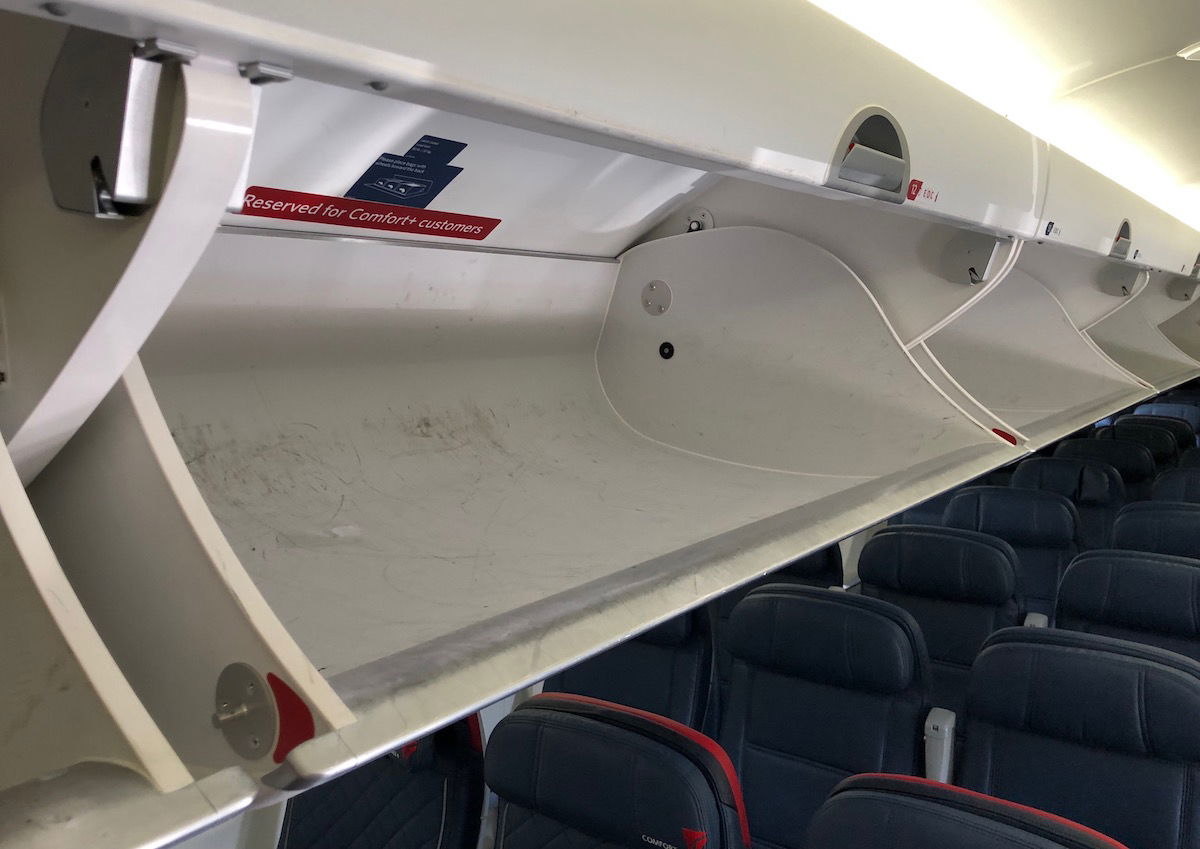
Consider the experience of a frequent flyer named Sam, who recently traveled on a Delta Connection flight between Boston and Pittsburgh. On his outbound flight, Sam traveled with a carry-on, a backpack, and a garment bag. Despite the carrier’s strict two-item limit and the cramped cabin of the ERJ-175, he was allowed to board with all three items, and a flight attendant even graciously hung his garment bag in the coat closet.
The return journey, however, proved to be a cautionary tale. Upon boarding in Pittsburgh, the gate agent again warned passengers about the limited overhead space. When Sam requested that the flight attendant stow his garment bag in the coat closet, he was met with a firm refusal. The flight attendant cited the two-item policy, referenced FAA audits, and questioned the legitimacy of the previous accommodation he had received.
The situation escalated, leading to a public, uncomfortable exchange that delayed boarding. To resolve the standoff, the flight attendant forced Sam to combine his backpack and garment bag into a single unit, which was then stowed in the coat closet, while his rollaboard went to the overhead bin. This experience highlights the primary issue for travelers: the lack of standardized enforcement creates a "policy whiplash" that can turn a routine business trip into a stressful ordeal.
The Anatomy of Airline Policy and FAA Mandates
Why are airlines becoming more rigid? The answer likely lies in a combination of operational efficiency and safety mandates.

The Role of the FAA
While many airline staff cite "FAA audits" when enforcing baggage limits, it is important to understand the nuance. The FAA does not typically dictate individual carry-on counts; rather, they mandate that airlines have a FAA-approved Carry-On Baggage Program. This program ensures that all items are safely stowed to prevent injury during turbulence or emergency evacuations. If a flight attendant denies a request for the coat closet, they are often protecting the airline’s compliance with these safety protocols, which restrict the use of closets to specific weight-bearing items.
Operational Efficiency
Modern airlines are obsessed with "Turn Time"—the window of time it takes to offload passengers and board the next group. Every extra bag that requires special handling, such as a garment bag, slows down the process. By forcing passengers to stick to the two-item limit, airlines reduce the time spent jockeying for space in the coat closet or fighting for overhead bin real estate.
The Practical Implications for Travelers
If you are a traveler who relies on a garment bag, the current landscape suggests a need for a shift in strategy. Based on industry standards and recent experiences, here is how you can mitigate the risk of a confrontation:
- Assume the "Two-Item" Rule is Absolute: Do not count on the coat closet. Treat your garment bag as your one full-size carry-on. If you have a rollaboard, you must consolidate your items. If you cannot fit your belongings into two items, you must be prepared to check your bag.
- The "Gate-Check" Reality: If your garment bag is truly essential and you have a rollaboard, be prepared to gate-check the rollaboard. This is a common and accepted practice that satisfies the baggage policy while ensuring your delicate garments arrive safely in the cabin.
- Soft-Sided Bags vs. Hard-Sided: A thin, soft-sided garment bag is significantly more likely to be overlooked or accommodated by cabin crew than a rigid, bulky garment bag. If you have a flexible option, choose it.
- Boarding Group Matters: As noted by many frequent flyers, passengers who board in the final groups are more likely to face scrutiny regarding bag counts because overhead bin space is already at capacity. Being in an early boarding group—or, better yet, having a seat in a premium cabin—may grant you more leverage, but it does not technically override the policy.
The Future of Carry-On Policies: A Call for Clarity
Is it time for airlines to rethink their stance? Many travelers argue that a distinction should be made between a full-size, hard-sided garment bag and a thin, fabric suit cover. A "dimensions-based" exception could provide a logical middle ground, allowing passengers to carry a slim garment bag alongside their primary carry-on and personal item.
However, from an airline’s perspective, any exception creates a "slippery slope" that is difficult for ground staff to judge in the heat of a boarding process. A rule that says "all garment bags are carry-ons" is easy to enforce; a rule that says "small garment bags are okay, but large ones are not" is subjective and prone to arguments.
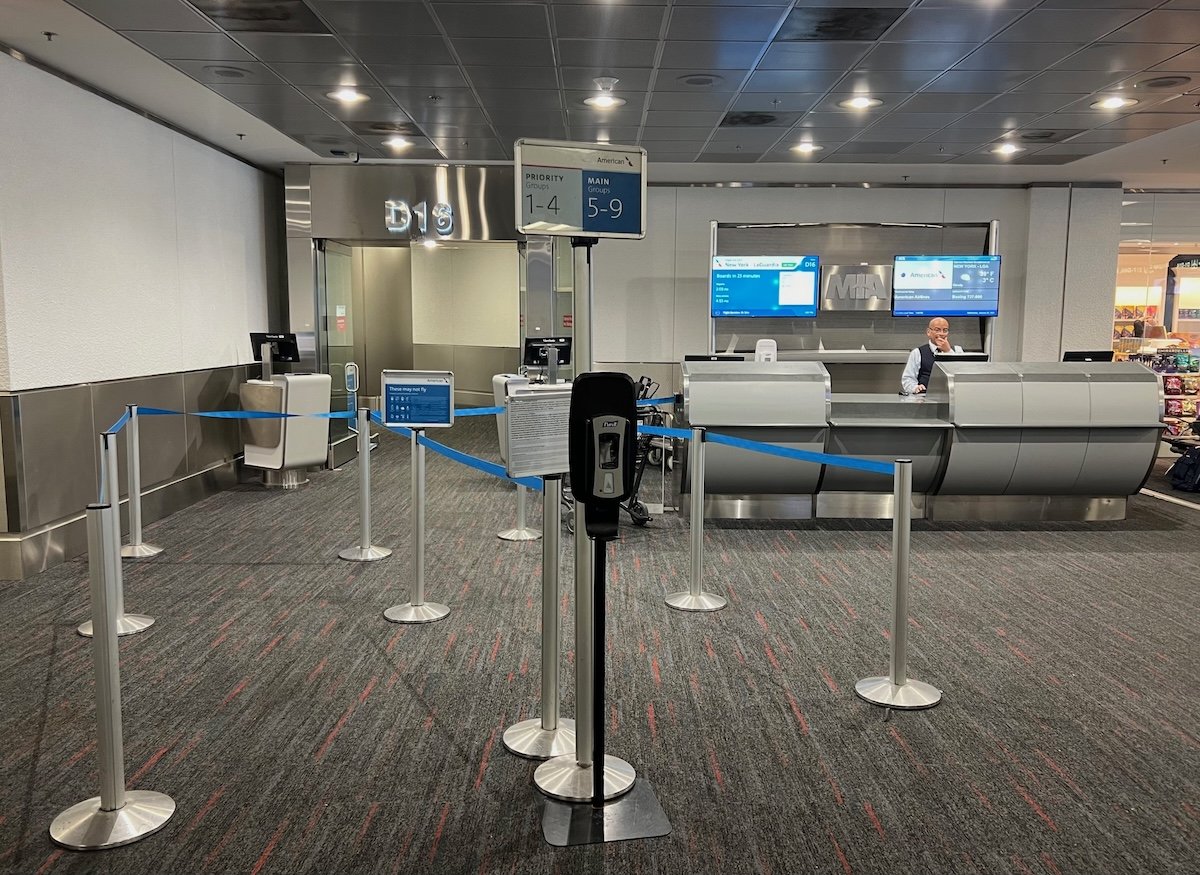
Conclusion: The Traveler’s Takeaway
The takeaway for the modern flyer is simple: expectation management is your best defense against travel stress. While you may have been able to board with a garment bag, a carry-on, and a laptop bag on ten previous flights, the eleventh flight may result in a strict enforcement of the two-item limit.
Do not view the enforcement of these rules as a personal affront. Gate agents and flight attendants are under immense pressure to meet on-time departure metrics and adhere to safety guidelines. When you approach the gate, have a plan for consolidation. If your garment bag is the "third item," decide in advance which of your bags you are willing to check.
By acknowledging that the "garment bag as a carry-on" policy is, in fact, a hard rule rather than a suggestion, you can avoid the frustration of a mid-boarding confrontation and ensure that your next flight remains as smooth as your freshly pressed suit.
What about you? Have you ever had a run-in with a gate agent over a garment bag, or have you found a way to pack that keeps your attire sharp without triggering a carry-on crisis? The inconsistency of these policies continues to be one of the most debated topics among frequent flyers.