Dealing with debt collection agencies is an experience that many Americans encounter, yet few are prepared for the psychological and financial toll it can take. When a financial obligation remains unpaid for an extended period—typically 90 days or more—the original creditor often sells the account to a third-party collection agency. This transition marks a critical juncture in your financial life, one that requires a calm, informed, and strategic approach to resolve.
While the pressure from persistent phone calls and notices can feel overwhelming, it is vital to remember that the debt collection industry is strictly regulated. By understanding your rights, verifying the legitimacy of the claims against you, and employing effective negotiation tactics, you can regain control of your financial narrative.
1. The Landscape of Debt Collection: Main Facts
At its core, the debt collection process is a business transaction. Agencies purchase debt portfolios for a fraction of their face value and attempt to recover as much of the principal as possible. Because these agencies are often compensated based on their collection success, their tactics can sometimes push the boundaries of professional conduct.
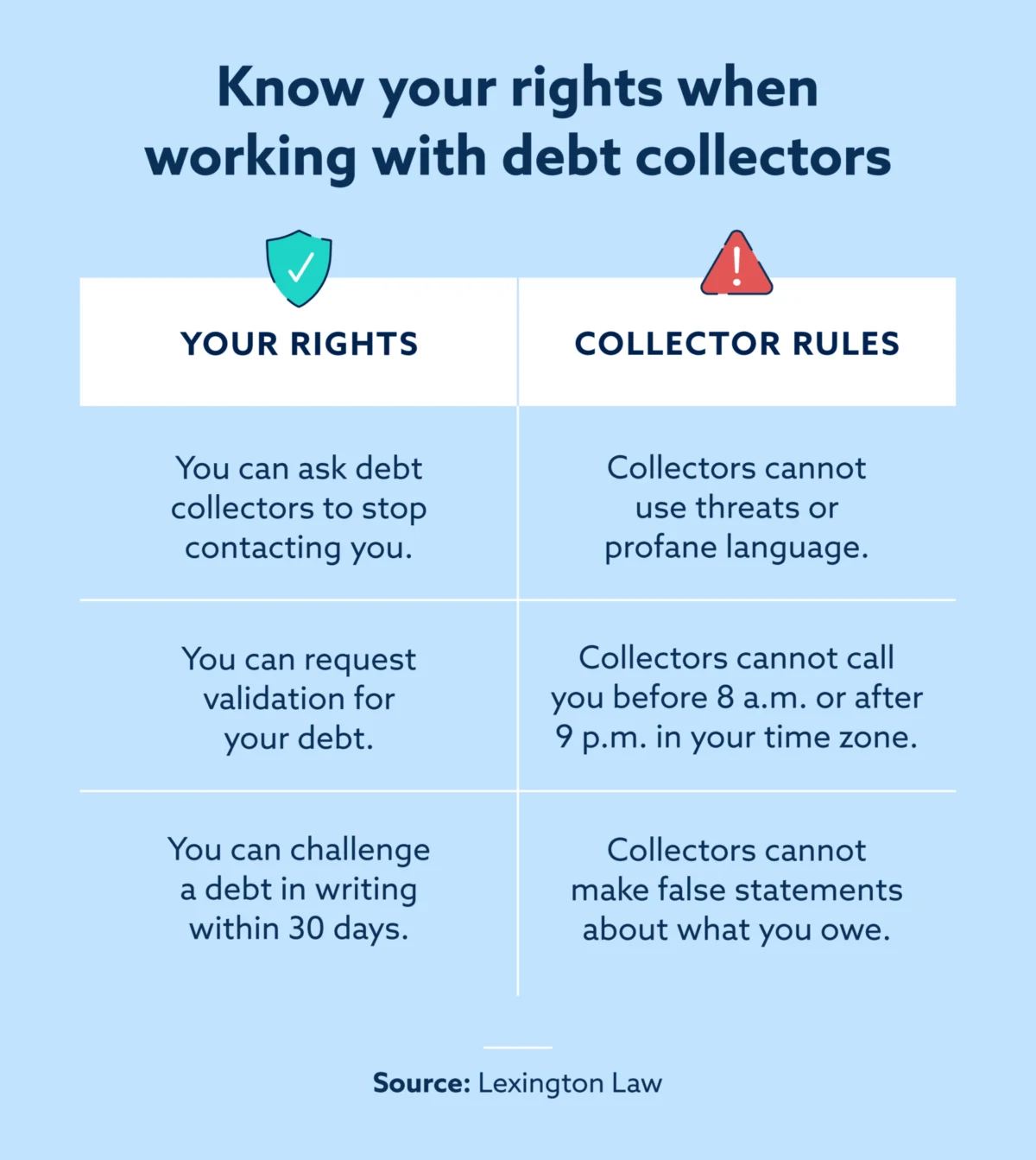
However, the Fair Debt Collection Practices Act (FDCPA) serves as a federal shield for consumers. This landmark legislation, overseen by the Consumer Financial Protection Bureau (CFPB) and the Federal Trade Commission (FTC), mandates that debt collectors treat consumers with a baseline level of respect and transparency. Under the FDCPA, you have the right to request validation of a debt, the right to stop unwanted communication, and protection against harassment or deceptive practices.

2. Chronology: What Happens When Debt Goes to Collections?
Understanding the timeline of a debt’s journey is essential for managing your response effectively.
- Phase 1: Default. The process begins when you miss consecutive payments on a credit card, loan, or utility bill.
- Phase 2: Internal Recovery. Before sending the account to an outside agency, the original creditor will typically attempt to collect the funds themselves through emails, letters, and automated calls.
- Phase 3: The Hand-off. Once the account is deemed "uncollectible" by the creditor, it is charged off and sold to a collection agency.
- Phase 4: Initial Contact. The collection agency initiates contact. Per the FDCPA, they must provide a written notice (the "validation notice") within five days of their first communication, detailing the amount owed and the creditor’s name.
- Phase 5: The Validation Period. You have 30 days from the receipt of the validation notice to dispute the debt. If you do not dispute it, the agency assumes the debt is valid.
- Phase 6: Resolution or Escalation. You either reach a settlement, set up a payment plan, or the agency may escalate to legal action, such as a lawsuit or wage garnishment, depending on the state’s laws and the age of the debt.
3. Know and Enforce Your Rights: Legal Protections
The FDCPA is not merely a suggestion; it is a rigid framework that governs the industry. Knowing how to enforce these rights can drastically change the power dynamic between you and the collector.
Communication Restrictions
Debt collectors are legally restricted in how and when they can contact you. They are prohibited from calling before 8:00 a.m. or after 9:00 p.m. in your local time zone. Furthermore, if you notify them in writing that your employer does not permit personal calls, they are legally barred from contacting you at your workplace. If you wish to cease all communication, a formal "cease and desist" letter sent via certified mail forces the agency to stop calling, though they may still contact you to inform you of specific legal actions, such as a lawsuit.
Transparency and Disclosure
Collectors must be transparent. They are prohibited from misrepresenting the amount of the debt, the character of the debt, or the consequences of nonpayment. They cannot threaten you with arrest or imprisonment, as these are civil matters, not criminal ones. They are also restricted from discussing your debt with third parties, including family members, friends, or neighbors, without your explicit permission or a court order.

Handling Violations
If a collector crosses the line—by using profanity, making empty threats, or calling at unreasonable hours—you have the power to file a formal complaint. The FTC and the CFPB maintain robust portals for tracking such behavior. In 2019 alone, the CFPB processed over 75,000 complaints, demonstrating that regulatory bodies take consumer grievances seriously.
4. Strategic Verification: Step-by-Step Validation
Never assume that a collector’s claim is 100% accurate. Mistakes in the debt-buying industry are common, often due to poor record-keeping during the sale of debt portfolios.
Why You Must Verify
Debt validation serves as your first line of defense. By requesting proof, you force the agency to produce documentation from the original creditor that confirms the debt is yours, that the amount is correct, and that they have the legal standing to collect it.
The Statute of Limitations
A critical, often overlooked aspect is the statute of limitations. Every state sets a time limit on how long a creditor can legally sue you to recover a debt. Once this period expires, the debt is considered "time-barred." While the collector may still try to contact you to request payment, they cannot successfully sue you for it. If you make a partial payment on a time-barred debt, you may inadvertently reset the clock, effectively reviving a debt that had become legally unenforceable. Always consult with a professional if you are unsure of your state’s specific limitations.

5. Effective Communication and Negotiation
When you engage with a debt collector, your goal is to be professional, firm, and documented.
The "Do’s and Don’ts"
- Do: Keep a detailed log of every conversation, including the date, time, agent name, and summary of the discussion.
- Do: Request all agreements in writing. Never provide payment details over the phone until you have a formal letter confirming the settlement terms.
- Don’t: Admit to the debt before it has been validated.
- Don’t: Provide personal banking information until you are certain of the legitimacy of the agency and the agreement.
Negotiating a Settlement
Many agencies are willing to accept a "settlement for less than the full amount" because they bought your debt for pennies on the dollar. If you have a lump sum available, offer to pay a percentage of the total in exchange for a "paid in full" status. If you cannot afford a lump sum, negotiate a manageable monthly payment plan. Always ensure that the agency agrees to report the account as "settled" or "paid" to the credit bureaus.
6. Implications for Your Credit Profile
The presence of a collection account on your credit report is a significant "negative item." It can lower your credit score and remain visible for up to seven years from the original delinquency date, regardless of whether you pay it off.
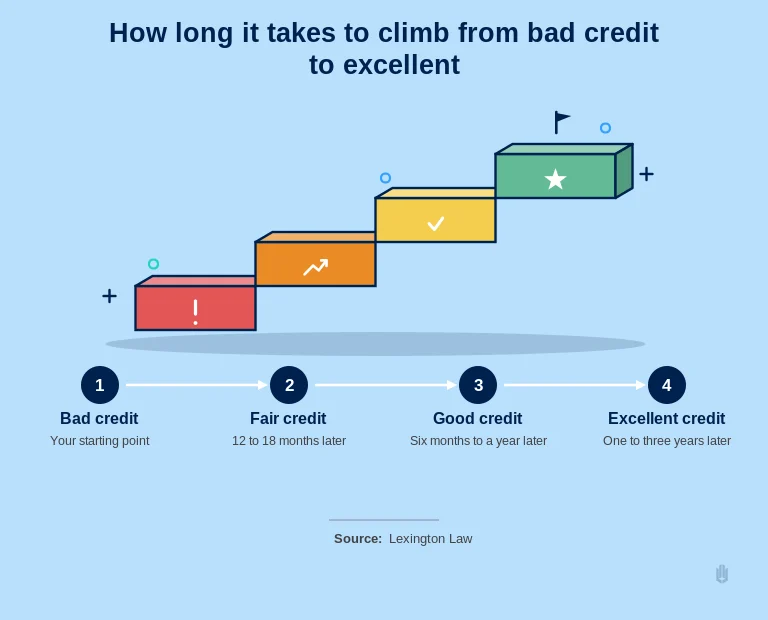
However, this does not mean your financial future is ruined. Paying off a collection or settling it can stop the active damage to your credit. Over time, the impact of the negative item wanes as the account ages. Many individuals find that working with reputable credit repair professionals helps them navigate the complexities of disputing inaccurate information and implementing long-term strategies to rebuild their credit health.
7. Seeking Professional Assistance
If you feel overwhelmed by the process, you are not alone. Credit repair companies specialize in auditing credit reports, identifying inaccuracies, and challenging unfair negative items. By leveraging their expertise, you can ensure that your credit report reflects an accurate history, helping you move toward a stronger financial future.
Final Thought: Debt collection is a process you can manage, provided you approach it with knowledge and caution. Verify everything, protect your rights, and never feel pressured into a decision that you do not fully understand.
Disclaimer: The information provided in this article is for educational purposes only and does not constitute legal, financial, or credit advice. Laws regarding debt collection, statutes of limitations, and consumer rights vary by jurisdiction. Always consult with a qualified professional or attorney regarding your specific financial situation.