






The European aviation landscape is on the cusp of a significant transformation. Following a protracted and highly competitive bidding process that spanned over a year, reports indicate that the Lufthansa Group has emerged as the preferred bidder to acquire a 44.9% stake in TAP Air Portugal. This move, which marks the culmination of the Portuguese government’s efforts to privatize its national carrier, signals a major consolidation effort by one of Europe’s largest airline conglomerates.
As the industry awaits the official confirmation expected at an extraordinary cabinet meeting in Lisbon on October 14, 2026, analysts are weighing the strategic, financial, and labor-related implications of this deal. By securing a foothold in Portugal, Lufthansa is not merely buying an airline; it is effectively locking in a strategic gateway to the South Atlantic.
The Chronology of the Privatization Process
The journey toward the privatization of TAP Air Portugal has been characterized by careful political maneuvering and intense due diligence.
- Summer 2025: The Portuguese government formally relaunched its long-awaited project to sell a significant stake in TAP Air Portugal. This move was viewed as a critical step toward stabilizing the airline’s finances and integrating it into a larger, more resilient global aviation ecosystem.
- Late 2025 – Early 2026: A bidding war materialized between the continent’s three major aviation groups: Lufthansa Group, Air France-KLM, and the International Airlines Group (IAG). While IAG’s interest waxed and waned, the competition ultimately narrowed to a high-stakes standoff between Lufthansa and Air France-KLM.
- Mid-2026: Both groups submitted binding offers. The proposals were scrutinized heavily by the Portuguese government, which sought not only a cash injection but also a long-term commitment to maintaining Lisbon’s role as a vital international hub.
- October 2026: Reports from major financial news outlets, including Reuters, confirmed that Lufthansa Group had edged out its rival. The decision is set to be formalized at a high-level government meeting scheduled for October 14, 2026.
Financial Strategy: Why Lufthansa Triumphed
The primary factor behind Lufthansa’s successful bid was the structure of its financial proposal. While both Air France-KLM and Lufthansa presented robust strategic visions for TAP, the specific mechanism of the investment became the deciding variable.
Lufthansa Group reportedly submitted an all-cash offer for the 44.9% stake. In contrast, Air France-KLM’s proposal relied on a hybrid structure involving both cash and shares in the Air France-KLM Group. For the Portuguese government, which has been seeking to modernize its national carrier while distancing it from state-led financial dependency, the liquidity offered by Lufthansa provided a sense of security and simplicity that the equity-heavy proposal from Air France-KLM could not match.
Furthermore, industry analysts note that Lufthansa’s stronger balance sheet played a pivotal role. As the airline industry continues to grapple with rising operational costs, fuel price volatility, and the need for significant capital expenditure in fleet renewal, the Portuguese government prioritized a partner with the fiscal "muscle" to support TAP through potential market downturns.

Strategic Implications: The Gateway to South America
For Lufthansa, the acquisition of a stake in TAP is a masterstroke in geographic expansion. TAP Air Portugal holds a unique and highly coveted position as a primary European hub for flights to Brazil and the broader South American market.
By integrating TAP into the Lufthansa Group portfolio—which already includes Swiss International Air Lines, Austrian Airlines, Brussels Airlines, and Eurowings—the German conglomerate effectively closes a strategic gap in its network. Currently, Lufthansa relies heavily on its central European hubs in Frankfurt, Munich, Zurich, and Vienna. While these are excellent for transatlantic traffic to North America, they lack the logistical efficiency of a Lisbon hub when servicing the Lusophone (Portuguese-speaking) markets of South America.
Integrating TAP into the Lufthansa Group’s Star Alliance-focused ecosystem will likely allow for:
- Enhanced Connectivity: Streamlined scheduling between TAP’s South American network and Lufthansa’s global routes.
- Operational Synergies: Shared procurement, maintenance, and IT infrastructure that could reduce TAP’s unit costs significantly.
- Revenue Management: The implementation of Lufthansa’s sophisticated yield management systems, which could optimize profitability on long-haul routes.
The Human Element: Labor Relations and Cultural Integration
Despite the strategic merits, the acquisition is not without its detractors. A significant concern remains the culture of labor relations within the respective groups.
Observers have long noted that Air France-KLM has demonstrated a more nuanced approach to labor negotiations in recent years, often fostering a more collaborative environment with flight crews and ground staff. Conversely, the Lufthansa Group has frequently faced significant industrial action, with high-profile strikes occurring across its German hubs.
The integration of a proud national carrier like TAP into a larger group inevitably creates anxiety among the workforce regarding job security, potential restructuring, and the preservation of the "Portuguese identity" of the brand. If the transition is not handled with extreme sensitivity, the Lufthansa Group risks inheriting a workforce that is potentially disillusioned, which could lead to operational disruptions in the short to medium term. The challenge for Lufthansa’s leadership will be to prove that they can be a supportive parent company that respects TAP’s heritage rather than a distant entity focused solely on cost-cutting.
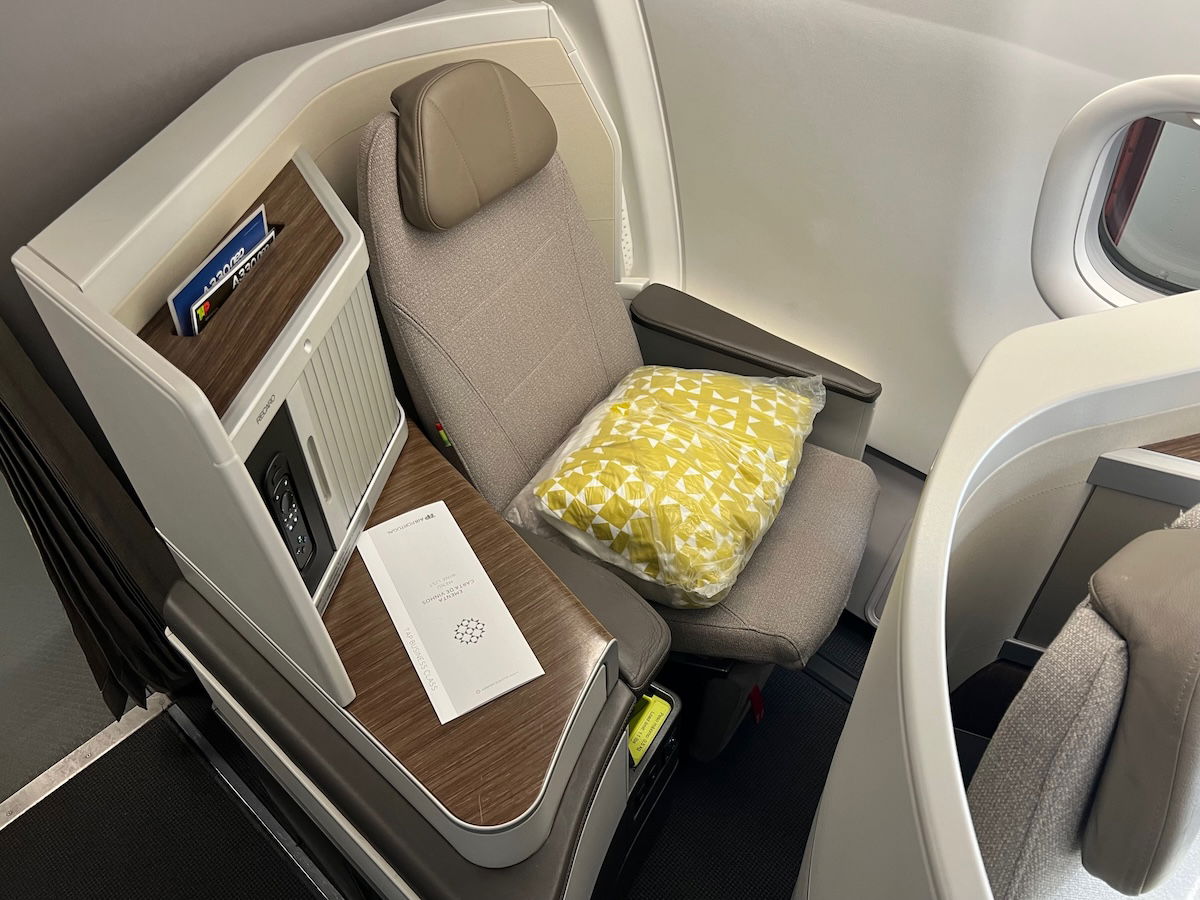
Regulatory Hurdles and Future Outlook
While the deal appears to be a "done deal" in the eyes of the market, the road ahead is not entirely clear. Any transaction of this magnitude is subject to rigorous regulatory scrutiny by the European Commission, particularly regarding antitrust laws and market competition.
The Commission will likely evaluate whether this deal creates a monopoly on specific routes or if it disadvantages smaller carriers operating out of Lisbon. There may be requirements for the airlines to divest certain slots or adjust their competitive behavior in specific corridors to ensure that European aviation remains a level playing field.
Furthermore, the deal must pass through the halls of the Portuguese parliament and satisfy various stakeholders, including local labor unions who have already expressed concern over the privatization process.
Conclusion: A New Chapter for TAP
The entry of Lufthansa Group into the ownership structure of TAP Air Portugal represents a fundamental shift in the European airline hierarchy. By prioritizing cash liquidity and geographic reach, the Portuguese government has signaled a desire for stability and global integration.
However, the true test will lie in the implementation. Can Lufthansa successfully integrate a unique, culture-heavy airline into its rigid, efficiency-driven corporate structure? Will the promised synergies actually materialize, or will the costs of integration and labor strife outweigh the benefits of the South American network?
As the industry turns its gaze toward the official announcement on October 14, the aviation world will be watching closely. For the passengers of TAP, the hope is that this partnership brings improved reliability and a modernized fleet. For the employees, the wait for certainty begins. Ultimately, this deal is a testament to the fact that in the modern era of aviation, no airline is an island; even national flag carriers must eventually join larger orbits to survive in an increasingly competitive global sky.