







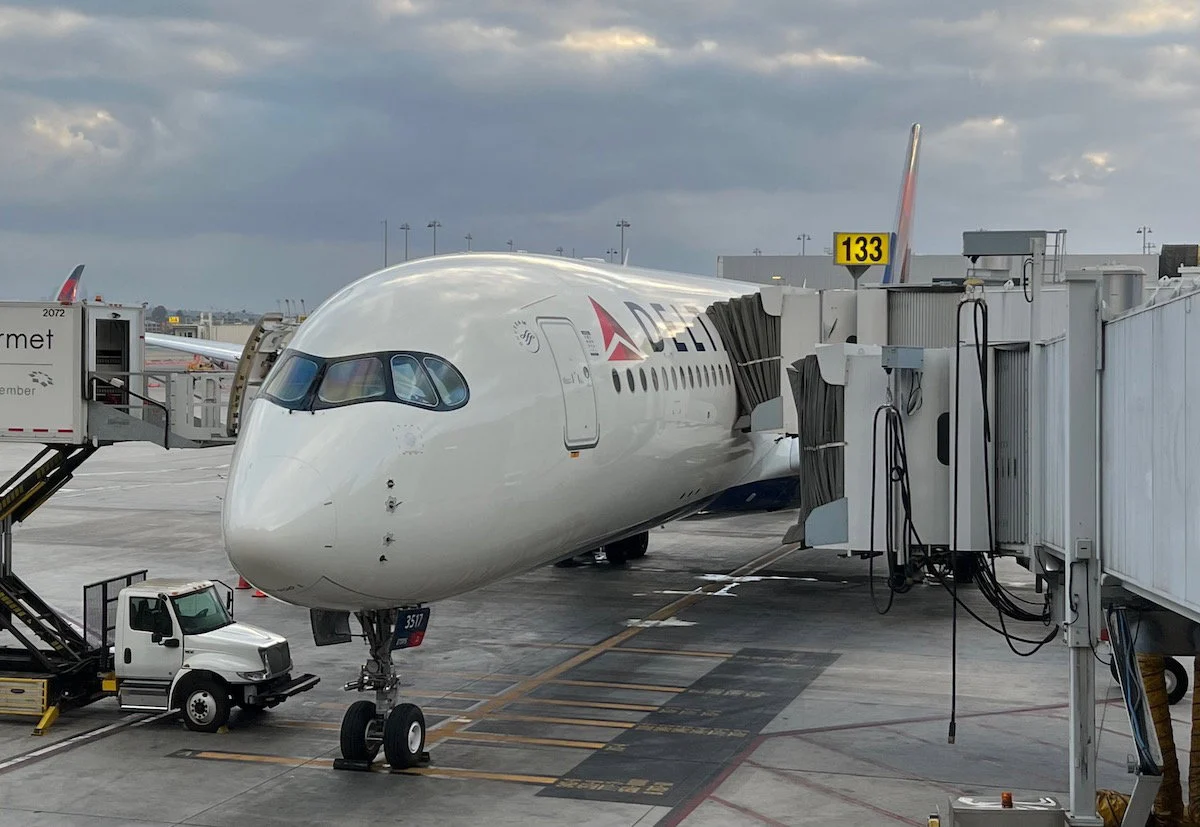
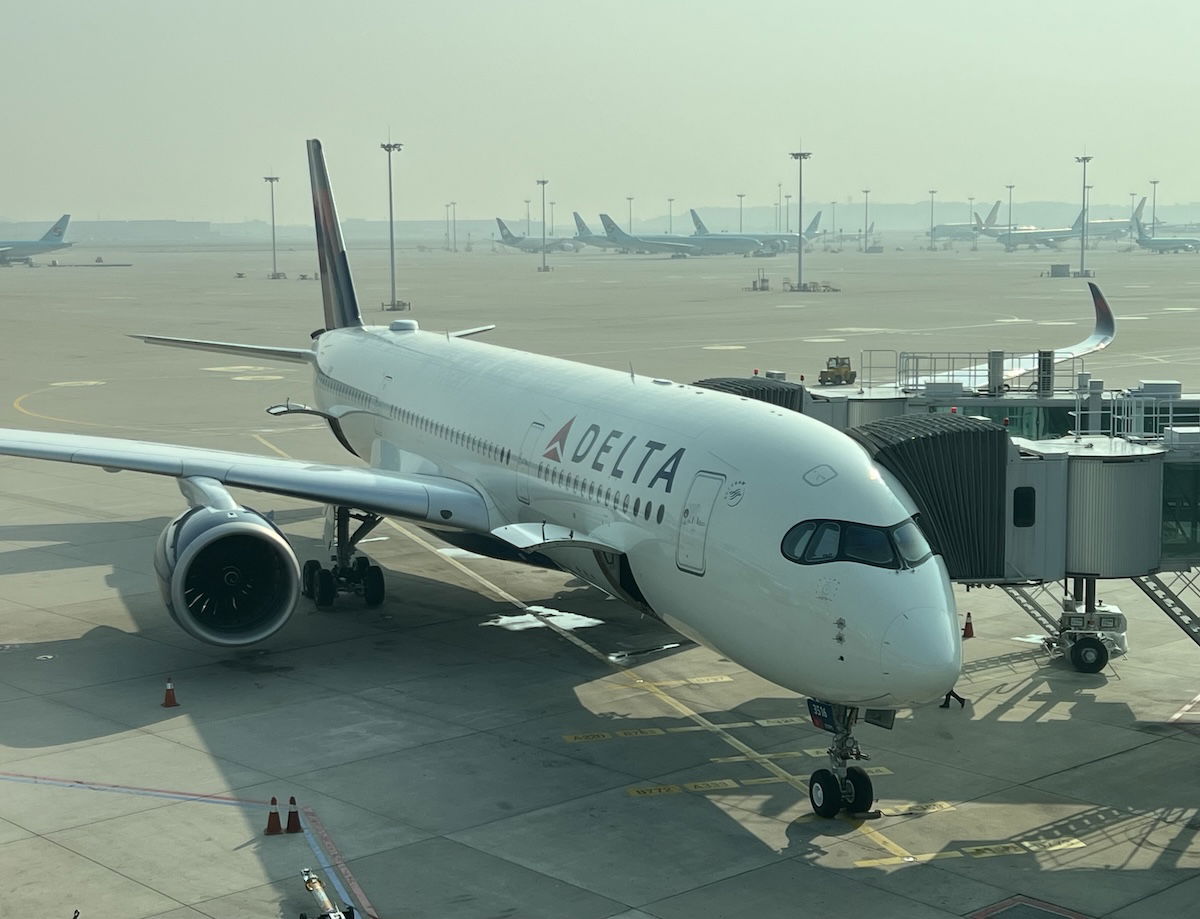
In a move that industry analysts had long anticipated, Delta Air Lines has officially announced a significant postponement of its highly publicized nonstop service between Atlanta (ATL) and Riyadh (RUH). Originally slated to launch in late October 2026, the daily service—which was to be operated by a flagship Airbus A350-900—has been pushed back until at least March 2027. The delay comes as a direct response to the rapidly deteriorating security landscape in the region, compounded by persistent questions regarding the commercial viability of the route.
The Chronology of a High-Stakes Partnership
The ambition to connect the world’s busiest airport with the Saudi capital was not a sudden decision, but rather the result of a long-term strategic pivot for the Atlanta-based carrier.
- July 2024: Delta Air Lines and the newly formed Saudi carrier, Riyadh Air, announced a comprehensive strategic partnership. The memorandum of understanding was designed to foster connectivity and share traffic between the North American market and the Middle East, signaling a major shift in Delta’s international network strategy.
- October 2025: After months of speculation, Delta formally confirmed the launch of the Atlanta-to-Riyadh route. The carrier began marketing the service, with tickets officially going on sale in December 2025.
- Late 2025 – Early 2026: Throughout the planning phase, the airline faced mounting scrutiny regarding the lack of organic passenger demand for the route. Despite aggressive promotional efforts and subsidized pricing, load factors remained historically low, leading many industry insiders to label the route an “economic outlier.”
- October 2026: The scheduled launch date arrived, but the airline opted to delay, citing "evolving developments in the region."
- Present Day: Delta has now officially shifted the launch window to March 2027, maintaining that it remains committed to the Kingdom in the long term.
The Security Impasse: A Non-Negotiable Barrier
While commercial demand is a critical component of any airline route, the primary driver of this latest delay is undeniably the escalation of geopolitical conflict in the region. Recent weeks have seen a dramatic rise in hostilities involving Iran-backed Houthi rebels, with Riyadh’s international airport becoming a focal point of these attacks.
Reports indicate that the facility has been targeted multiple times within the last week alone. The severity of these security breaches cannot be overstated; recent incidents have resulted in tragic loss of life, with one strike claiming 12 lives and injuring over 300 individuals. In an even more alarming development for the aviation industry, a Saudia Airbus A320 was destroyed on the tarmac during a targeted strike, an event that sent shockwaves through global flight safety departments.
For a legacy carrier like Delta, the calculus is simple: no amount of strategic partnership or potential market share can justify the risk of operating flights into a conflict zone. Insurance premiums for such routes would be prohibitively expensive, and the pressure from pilot unions—rightfully concerned about the safety of their crews—would be insurmountable. Delta’s official statement reflected this reality, noting that “the safety and security of customers and employees always come first and continue to guide operational decisions.”
Economic Realities and the "Subsidy Trap"
Beyond the immediate security threats, the Atlanta-Riyadh route has faced skepticism from the moment it was announced. The economic justification for a direct flight between these two specific hubs has been questioned by analysts who note that the business and leisure traffic between the Southeast United States and Saudi Arabia does not currently support daily widebody operations.
During the pre-launch sales period, the airline reportedly struggled to fill seats, even when offering them at heavily discounted rates. Observers pointed to instances where the aircraft were effectively operating as “ghost flights,” carrying only a handful of passengers. This has sparked a broader debate within the industry regarding the use of government subsidies to induce international air service.
Critics argue that when a route requires significant financial support to exist, it creates a distorted market. If the demand for a route is artificially manufactured by subsidies rather than organic commercial necessity, the route remains perpetually fragile. The irony, as noted by various industry experts, is that while Riyadh is frequently described as a "massively underserved" market, the lack of private-sector interest suggests that the infrastructure and demand profiles may not yet be ready for a route of this magnitude.
Official Responses and Customer Impact
For those who had already booked travel on the affected flights, the process of rebooking or securing refunds has been initiated. Delta has directed all impacted passengers to the “My Trips” portal on its official website. The airline maintains that this is a temporary pause rather than a total cancellation of its Middle Eastern ambitions.
In official communications, Delta leadership continues to emphasize the long-term vision of the partnership. By remaining "committed to serving the Kingdom," the airline is signaling to its partners at Riyadh Air that it intends to honor the spirit of their collaboration, provided that the operational environment stabilizes. However, the airline has remained notably vague regarding what specific criteria would need to be met for the March 2027 launch to proceed as planned.
Future Implications: Will the Route Ever Take Off?
Looking ahead, the aviation community remains divided on whether the March 2027 start date is realistic. The uncertainty surrounding the Houthi-led conflict is, by its nature, unpredictable. Should the security situation remain as volatile as it is today, it is highly probable that Delta will once again delay the service or, in a more drastic scenario, pivot its resources to more stable markets.
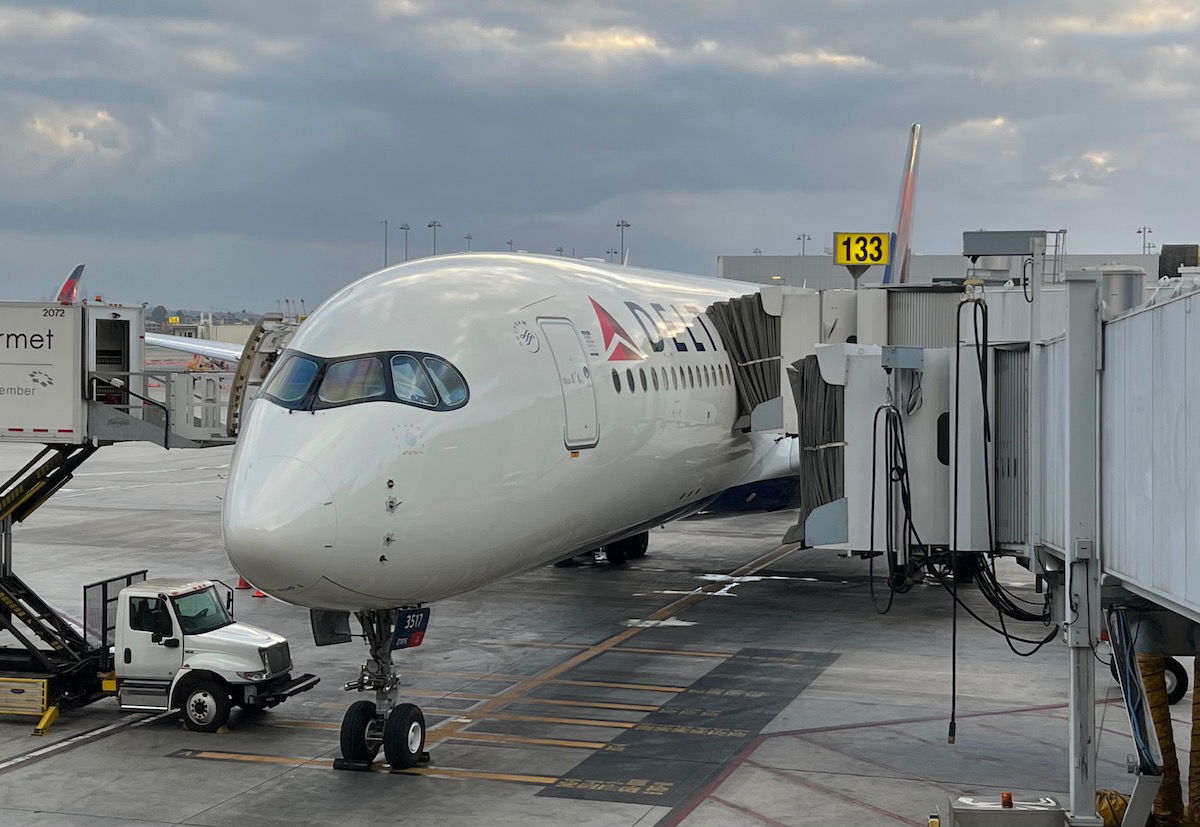
Furthermore, the airline now finds itself with two spare Airbus A350-900s—aircraft that were meant to be the backbone of the Riyadh expansion. These assets are incredibly versatile and can be redeployed to high-performing trans-Pacific or trans-Atlantic routes where demand is currently surging. From an operational efficiency standpoint, keeping these assets on a route that is both security-challenged and commercially unproven is an difficult sell to shareholders.
Ultimately, the postponement of the Atlanta-Riyadh route is a case study in the risks of aggressive international expansion in volatile regions. While Delta’s desire to gain a foothold in the rapidly modernizing Saudi aviation market is understandable from a long-term strategic perspective, the current realities of global security and passenger demand have forced a pause.
Whether this route eventually becomes a flagship success story or serves as a cautionary tale of over-ambition remains to be seen. For now, the Airbus A350s will remain in the broader Delta fleet, and the direct link between Atlanta and Riyadh will remain, for the foreseeable future, a concept on paper rather than a reality in the sky. Travelers, analysts, and industry stakeholders will be watching the March 2027 date closely to see if the geopolitical tide turns in a way that allows for the safe and sustainable launch of this long-awaited service.