For travelers navigating the skies between North America and North Africa, Royal Air Maroc serves as a critical bridge. Recently, a long-haul journey from Casablanca (CMN) to Miami (MIA) aboard the carrier’s Boeing 787-8 Dreamliner offered a stark reminder that in the world of premium air travel, a flat-bed seat does not always equate to a premium experience. While the airline maintains a vital role in connecting the region to the global stage, its flagship business class product presents a complex narrative of well-intentioned staff hampered by dated hardware and inconsistent service standards.
Main Facts: The Reality of the 787-8 Configuration
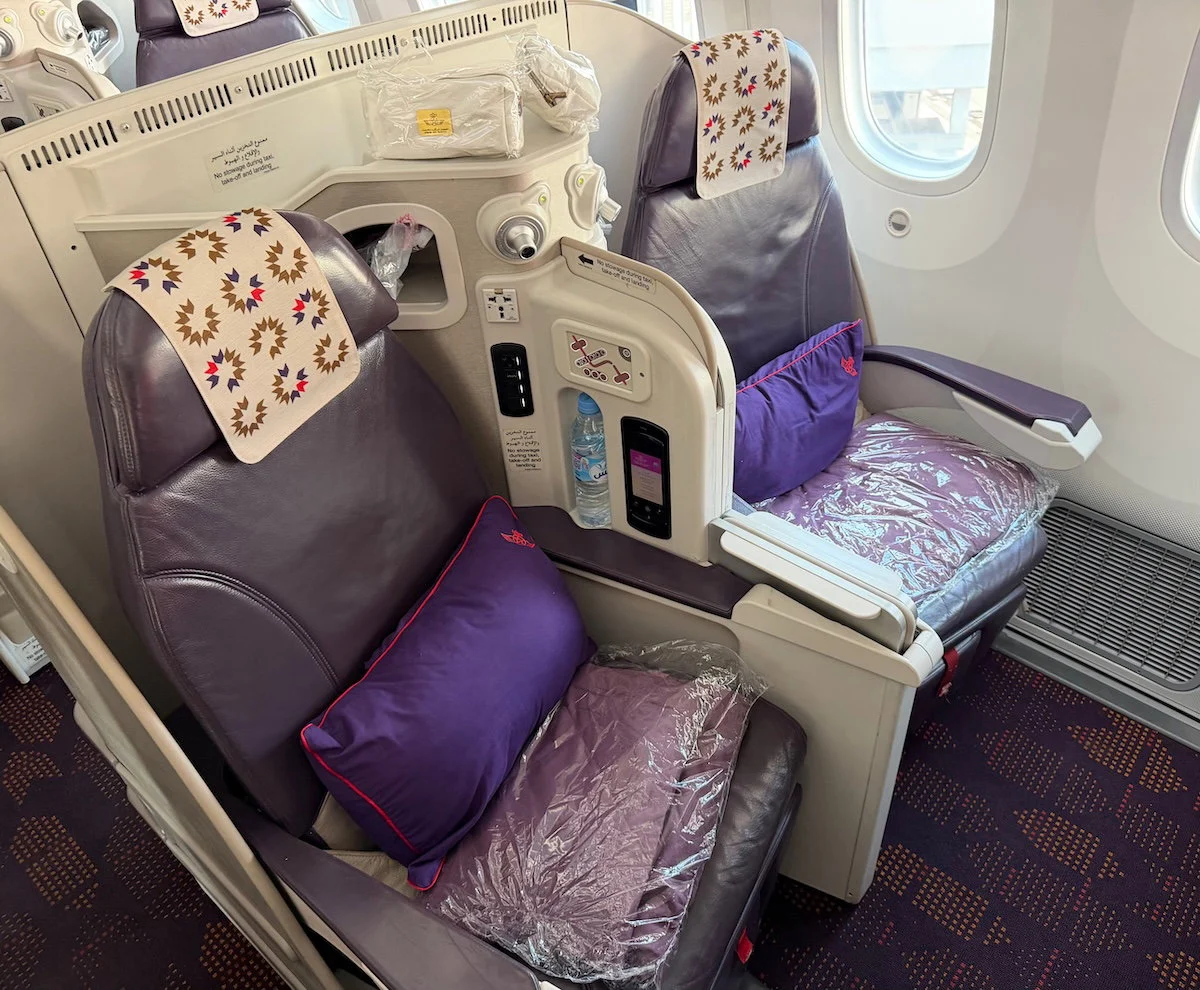
Royal Air Maroc currently operates a varied fleet, resulting in a fractured experience for business class passengers. The specific aircraft utilized for this 8-hour and 25-minute transatlantic crossing was a 787-8 purpose-built for the carrier. Unlike the modern, staggered, or reverse-herringbone configurations found on top-tier global airlines, this aircraft features a 2-2-2 layout.

With only 18 seats spread across three rows, the cabin initially appears intimate. However, this layout—often referred to as the "top/bottom" seat design—is widely regarded by aviation enthusiasts and frequent flyers as one of the least desirable flat-bed products currently in operation. The design prioritizes cabin density over passenger comfort and privacy.
The primary physical shortcomings include:

- Minimal Storage: The seat lacks dedicated personal storage, forcing passengers to rely on a small, difficult-to-access cubby.
- Mechanical Ergonomics: The tray table is notoriously unstable, frequently slipping from the side armrest, and the seat controls are often perceived as counterintuitive or malfunctioning by first-time users.
- Privacy Deficits: When fully reclined, the proximity of the two seats creates an awkward environment for solo travelers sitting next to strangers, as the lack of a privacy partition means there is no barrier between the two passengers.
Chronology: A Transatlantic Journey
The journey began in Casablanca, following a shorter, more favorable experience on the airline’s 737-800 regional fleet. The transition to the long-haul product was immediate and jarring.
Pre-Departure and Takeoff
Boarding was relatively efficient, but the lack of an introductory briefing regarding the unique seat features—such as the presence of mattress pads stowed in the overhead bins—meant that the premium offering was underutilized from the start.

The Dining Sequence
The airline promotes a "dine-on-demand" service model, yet in practice, the execution defaulted to a rigid, synchronized meal service. The meal commenced with a selection of canapés: sweet chili prawns, smoked salmon, and foie gras mousse. While the quality of the ingredients was acceptable, the service flow remained fundamentally reactive rather than proactive.
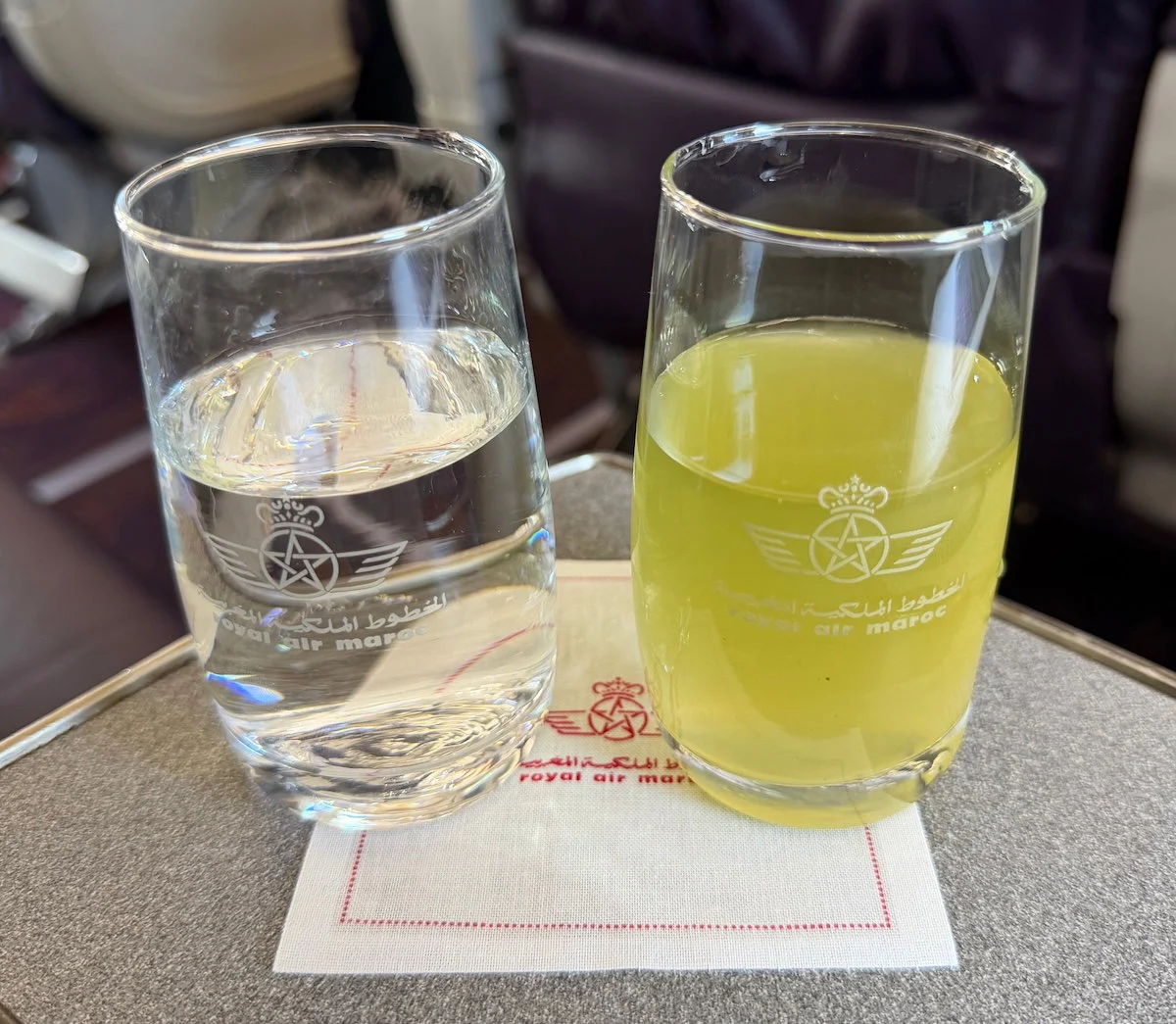
Following the appetizers—which included options like traditional harira with dates or tuna tataki—the main course featured a signature beef tajine. While the culinary nod to Moroccan heritage was appreciated, the accompanying beverage service was inconsistent. A request for a second glass of wine during the main course resulted in a 15-minute delay, leaving the passenger without a beverage during the bulk of the meal.

Mid-Flight and Arrival
As the flight progressed, the lack of onboard Wi-Fi (a feature scheduled for a 2027 rollout via Starlink) became a significant detractor. The in-flight entertainment system provided a modest library of content, but it was insufficient to compensate for the aging hardware. The pre-arrival meal was sparse—comprising small sandwiches and yogurt—which, while adequate for a shorter flight, felt underwhelming for an eight-hour transatlantic duration.
Supporting Data: Service and Cabin Standards
The service experience on Royal Air Maroc is characterized by a dichotomy: the staff are undeniably friendly and polite, yet they operate within a service framework that lacks the proactive rigor expected of an international premium carrier.

Data points from the cabin experience highlight the following:
- Lack of Proactivity: Flight attendants did not perform routine cabin walks to check for passenger needs, remove empty glassware, or refill beverages.
- The "Invisible" Amenities: The airline provides mattress pads to enhance sleep quality, yet because they are stored in overhead bins and never offered to passengers, they remain largely unused, representing a wasted investment in passenger comfort.
- Service Latency: The response time to the call button and the time elapsed between serving a meal and providing a drink suggest a breakdown in standard operating procedures for cabin management.
While these service issues are often attributed to regional cultural norms in North African aviation, they place the carrier at a distinct disadvantage when compared to Middle Eastern or European competitors who prioritize "anticipatory service."

Official Perspectives and Industry Context
Royal Air Maroc is in a difficult position. As the national carrier of Morocco, it is tasked with showcasing the nation’s hospitality to the world. In the context of North African aviation, the carrier’s business class is arguably superior to many of its regional peers, such as Air Algerie.
Industry analysts note that Royal Air Maroc is currently in a transitional phase. With the planned introduction of high-speed Starlink Wi-Fi by 2027, the airline is clearly attempting to modernize its digital experience. However, the hard product—the seats themselves—remains a significant hurdle. Upgrading the business class cabin is a capital-intensive process that requires taking aircraft out of service, a move that is difficult for a national carrier balancing profitability with connectivity mandates.

Implications for the Future of Royal Air Maroc
The implications of this flight experience are twofold. For the airline, it serves as a case study in the necessity of "soft product" optimization. If the airline cannot currently afford to reconfigure its 787-8 fleet with modern, individual-access seats, it could significantly improve the perception of its premium cabin through better staff training. Empowering flight attendants to be proactive—offering drinks, clearing tables, and actively setting up beds with mattress pads—would cost very little but would yield a high return in passenger satisfaction.
For the passenger, the takeaway is one of managed expectations. Royal Air Maroc’s 787-8 business class is a functional way to cross the Atlantic, but it should not be confused with the "luxury" experience provided by global industry leaders. It is a utility-first product. Travelers choosing this route should prioritize the destination and the direct connectivity over the onboard experience.

Ultimately, the flight confirms a long-standing truth in aviation: a seat is only as good as the service that surrounds it. While the airline has made strides in its catering and culinary offerings, the physical environment and the reactive nature of the service delivery leave the carrier trailing behind the global standard. As the aviation industry moves toward an era of hyper-connected, private, and personalized service, Royal Air Maroc must decide whether to invest in the hardware required to compete on the world stage or refine its service culture to bridge the gap until those physical upgrades arrive.