








In the complex landscape of personal finance, your credit report serves as your financial resume. It dictates your ability to purchase a home, secure a vehicle, or even obtain a competitive insurance rate. However, millions of Americans find themselves held back by inaccurate or unverifiable data on their credit files. Among the various tools available to consumers, the "Section 609 letter" is frequently cited as a powerful, albeit misunderstood, mechanism for credit repair.
Contrary to popular belief, a Section 609 letter is not a "magic bullet" designed to erase legitimate debt. Instead, it is a formal request for documentation authorized under the Fair Credit Reporting Act (FCRA). This guide explores the mechanics of Section 609, the legal framework surrounding it, and how consumers can navigate the credit reporting system to ensure their financial records remain accurate.
Main Facts: Understanding Section 609 of the FCRA
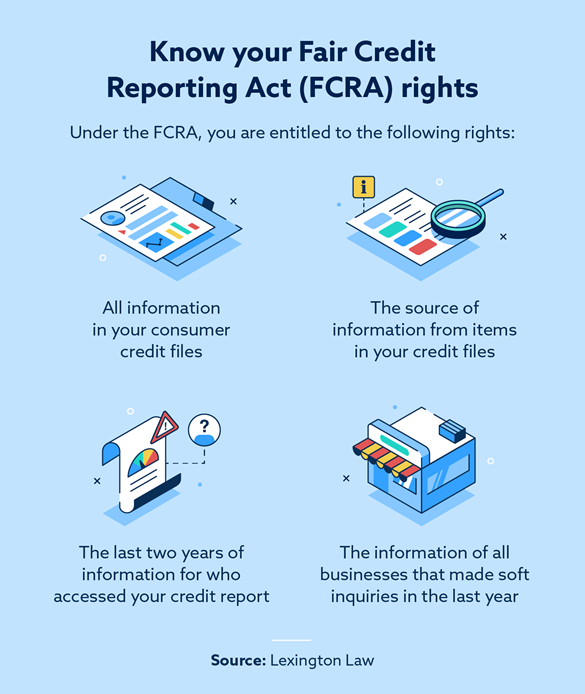
The Fair Credit Reporting Act (FCRA) is a federal law designed to ensure the accuracy, fairness, and privacy of the information contained in the files of consumer reporting agencies. Section 609 of the FCRA specifically outlines a consumer’s right to request the disclosure of information in their credit file.
Many consumers mistakenly refer to this as a "dispute letter." In reality, it is a request for the credit bureau to provide the supporting evidence that validates a specific entry on your report. The law mandates that if a consumer requests it, the bureau must disclose the "sources of the information" and, in certain contexts, provide a copy of the documentation that confirms the validity of the account.

The core premise is simple: If a credit bureau is reporting information about you, they are legally obligated to ensure that information is substantiated. If they cannot produce the documentation that proves the entry is accurate, they are arguably in violation of their duty to maintain "maximum possible accuracy."
Chronology: The Evolution of Credit Disputes
The credit reporting industry has undergone significant transformation over the last several decades. Originally, the process of correcting an error was manual, slow, and often ignored by major bureaus.
- Pre-1970s: Consumers had very little recourse if they found errors on their reports, often relying on informal communication with creditors.
- 1970: The passage of the Fair Credit Reporting Act established the first legal framework for credit reporting, granting consumers the right to view their files and dispute inaccuracies.
- 2003: The Fair and Accurate Credit Transactions Act (FACTA) was signed into law, adding further protections and requiring bureaus to provide free annual credit reports to consumers.
- Modern Era: With the rise of digital reporting, the frequency of errors has increased. Today, the "Section 609" strategy has gained popularity through financial literacy forums as a systematic way to demand accountability from the three major credit bureaus: Equifax, Experian, and TransUnion.
Supporting Data: The Prevalence of Credit Errors
The necessity for consumer advocacy regarding credit reports is backed by sobering statistics. According to a long-term study conducted by the Federal Trade Commission (FTC), approximately one in five Americans has a verified error on at least one of their three major credit reports.
- Financial Impact: Even a minor error—such as a misreported late payment or an account balance that has been paid off but still shows as open—can drop a credit score by dozens of points.
- The Cost of Inaccuracy: For a borrower with a "fair" credit score, an inaccuracy that pushes them into a lower bracket can result in thousands of dollars in additional interest payments over the life of a mortgage or auto loan.
- Identity Theft: A significant portion of these errors stems from identity theft, where fraudulent accounts are opened in a consumer’s name. Section 609 is often the first line of defense in identifying these "ghost" accounts.
How to Exercise Your Rights: The 609 Letter Process
To utilize a Section 609 request effectively, a consumer must be organized and persistent. It is not enough to simply send a generic letter; you must treat the process with professional rigor.

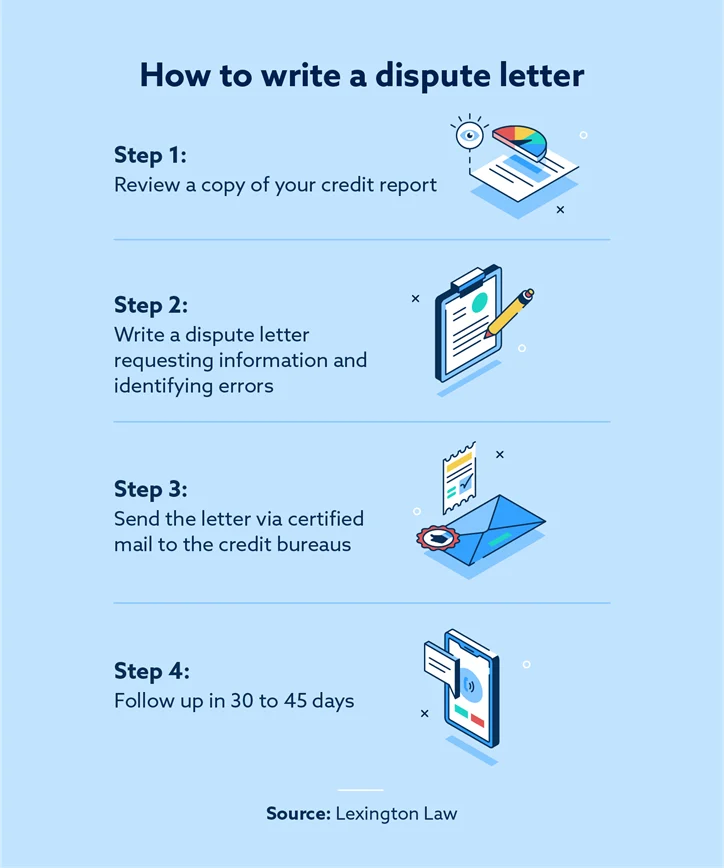
Step 1: Identify the Error
Review your credit report from all three bureaus. You are entitled to a free report from each via AnnualCreditReport.com. Circle the specific items that you believe are inaccurate or unverifiable.
Step 2: Draft the Request
Your letter must be clear, concise, and professional. It should state your name, address, and the specific account information you are questioning. Cite Section 609 of the FCRA as your legal basis for requesting the "original documentation" or "proof of the debt."
Step 3: Provide Identification
Bureaus will not release information without verifying your identity. Always include a copy of a government-issued ID (such as a driver’s license) and proof of address (such as a utility bill) to avoid processing delays.
Step 4: Follow-Up
Send your letter via certified mail with a return receipt requested. This creates a paper trail, which is essential if you need to escalate your complaint to the Consumer Financial Protection Bureau (CFPB) later.
Official Responses and Bureau Limitations
It is crucial to understand the limitations of the Section 609 letter. When you send this request, the credit bureau has 30 to 45 days to respond.
What happens if they verify the information?
If the bureau reaches out to the original creditor and the creditor confirms the debt is accurate—and provides the bureau with sufficient electronic data—the entry will remain on your report. A 609 letter cannot legally force the deletion of an accurate, verified debt.
What happens if they cannot verify it?
If the bureau finds that the information is missing or the creditor fails to respond within the legal timeframe, the bureau is required to remove the entry. This is the ultimate goal of the 609 process.
Implications: The Broader Landscape of Credit Repair
The widespread adoption of 609 letters has shifted the power dynamic between consumers and credit bureaus. However, it is not a "get-out-of-debt-free" card.

Common Misconceptions
- Myth: "I can use a 609 letter to delete my bankruptcy."
- Fact: If the bankruptcy is accurately reported according to the FCRA’s timelines, it will not be removed.
- Myth: "The bureaus will be intimidated by the legal jargon."
- Fact: Bureaus receive thousands of these letters daily. They are processed through automated systems. The quality of your documentation is what determines success, not the complexity of your vocabulary.
Ethical Considerations
Professional credit repair firms, such as Lexington Law, play a vital role in this space. They provide the expertise to distinguish between items that are worth disputing and those that are better left to "age off" your report naturally. Attempting to dispute accurate information can sometimes be counterproductive, as it may signal to lenders that you are attempting to avoid legitimate financial responsibilities.
Alternatives to the 609 Strategy
If a Section 609 request does not yield the results you were hoping for, there are other avenues available:
- Section 623 Disputes: Unlike a 609 letter, which goes to the bureau, a 623 dispute goes directly to the "furnisher" (the bank or credit card company). This is often more effective because the furnisher is the entity that actually holds the records of your account.
- Goodwill Letters: If the negative mark is accurate but was caused by a one-time life event (like a medical emergency), you can write a "goodwill" letter to the creditor asking them to remove the mark as a gesture of kindness.
- Pay-for-Delete: In the case of collection accounts, some agencies may agree to remove the negative entry in exchange for payment of the debt. Always get this agreement in writing before sending any money.
Conclusion
A Section 609 letter is a valuable, legally-backed tool for any consumer looking to reclaim the integrity of their credit profile. By demanding verification of the data that dictates your financial future, you are exercising your rights as a consumer. However, success requires more than a template—it requires patience, attention to detail, and a realistic understanding of what the law can and cannot achieve.
If you find yourself overwhelmed by negative marks, consider reaching out to professional advocates who can help you navigate the complexities of credit reporting. Your financial health is a long-term project, and every step taken to correct an error is a step toward a more secure future.

Disclaimer: This article is provided for general informational purposes only and does not constitute legal or financial advice. Credit laws are subject to change, and individual circumstances vary. For specific advice regarding your financial situation, consult with a qualified professional or legal counsel.