








In the modern financial ecosystem, your credit score is more than just a three-digit number—it is a digital gatekeeper. Whether you are aiming to secure a competitive mortgage rate, qualify for an apartment lease, or simply optimize your interest rates on personal loans, your credit standing dictates your purchasing power. However, many consumers remain in the dark about their credit profiles until they encounter a sudden denial from a lender.
Credit monitoring applications have emerged as essential tools for financial literacy, transforming how individuals interact with the credit reporting bureaus. By providing real-time snapshots of your financial health, these apps remove the guesswork, allowing you to track progress and flag potential discrepancies. But with dozens of options on the market, choosing the right platform requires an understanding of what drives your score and what you hope to achieve.
The Fundamentals of Credit Monitoring: A Strategic Overview
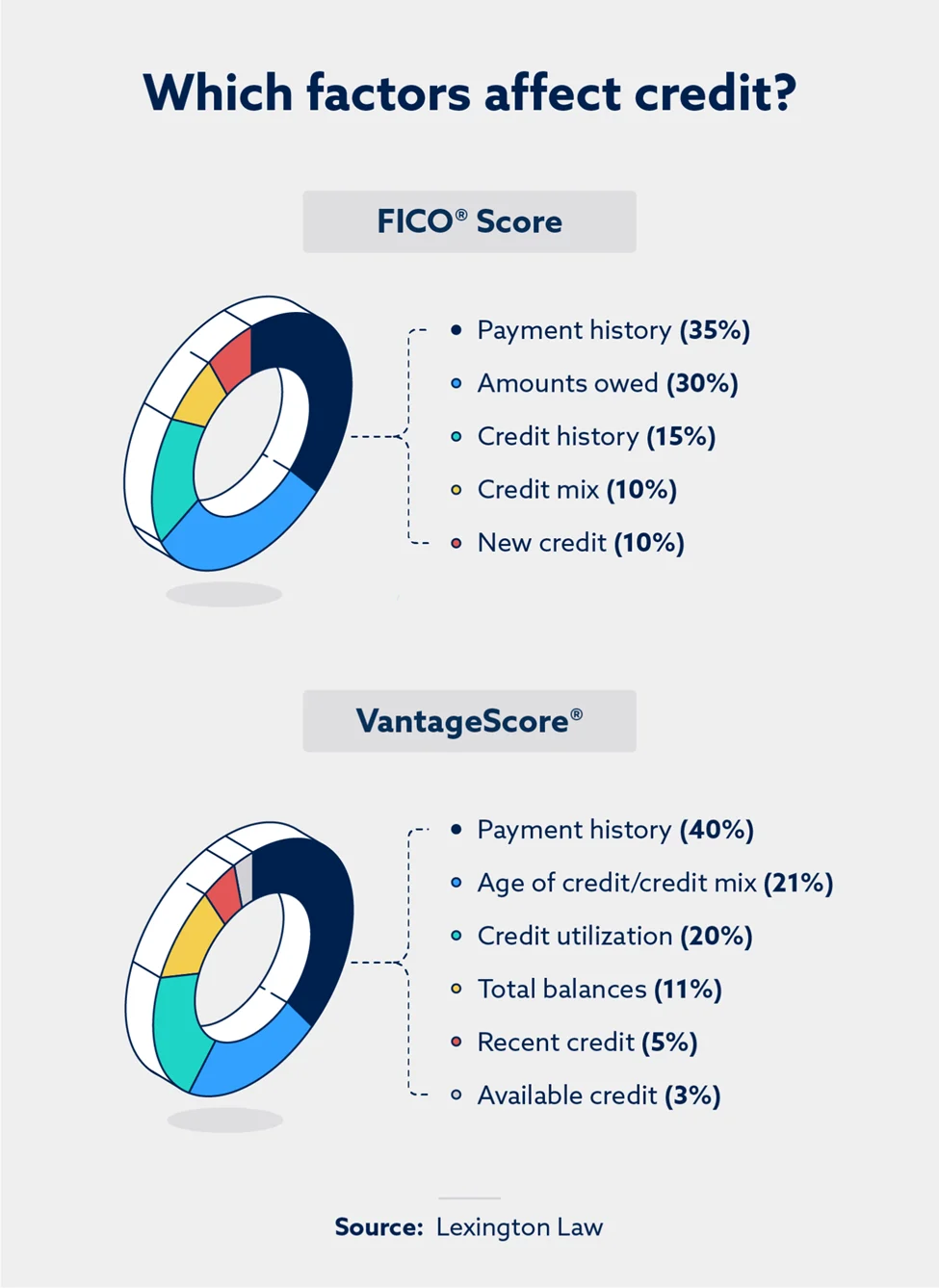
Understanding credit monitoring begins with distinguishing between the two primary scoring models: FICO® and VantageScore®. While both evaluate your payment history, credit utilization, and account age, they weigh these factors differently. Most lenders prioritize FICO scores, while most free consumer-facing apps utilize the VantageScore model.
Furthermore, you must consider the distinction between single-bureau and three-bureau coverage. Because creditors report data to TransUnion, Equifax, and Experian on varying schedules—or sometimes only to one bureau—a single-bureau report may provide an incomplete picture of your financial life.
Key Factors to Evaluate:
- Data Accuracy: Does the app provide a true FICO score, or an educational estimate?
- Alert Frequency: How quickly are you notified of changes or suspicious inquiries?
- Monetization Model: Is the app free because it sells your data/leads, or is it a subscription-based service?
- Dispute Capabilities: Does the app offer professional support to help you challenge inaccuracies?
Comparative Analysis: The Top 7 Credit Monitoring Platforms
Choosing a credit monitoring app is a personal decision based on your financial goals. Below is a detailed breakdown of the industry’s most prominent players.
1. Credit Snapshot with Lexington Law Firm
Credit Snapshot acts as a bridge between mere observation and active credit management. While it provides users with their TransUnion FICO Score, its primary value proposition lies in its connection to the professional legal services of Lexington Law.
- Best For: Individuals who suspect their credit reports contain significant errors or derogatory marks and require expert intervention.
- The Experience: Unlike passive apps, this service is designed for users who want to challenge unfair or inaccurate items. Once an assessment identifies potential issues, you can engage a professional team to handle the dispute process on your behalf.
- The Investment: While the initial assessment is free, full-service plans start at $139.95 per month. This is a premium service for those who view credit repair as an investment in their long-term financial health.
2. Credit Karma
Credit Karma remains the titan of the free monitoring space. By providing daily updates on your VantageScore 3.0 from both Equifax and TransUnion, it offers the most "real-time" feel of any free application.
- Best For: The casual user who wants to track score fluctuations and understand the basic factors influencing their credit.
- The Mechanics: The app is free because it utilizes a "recommendation engine" to suggest credit cards and loans. While highly effective, users should be prepared for a feed of financial advertisements.
3. Credit Sesame
Credit Sesame excels in accessibility. By providing a letter-grade summary of your credit factors, it translates complex financial data into plain language that anyone can understand.
- Best For: Renters and first-time credit users.
- Key Advantage: Its rent-reporting features help users build credit history through everyday payments that aren’t traditionally reported, providing a boost to those with "thin" credit files.
4. NerdWallet
NerdWallet is a hybrid of a tracking tool and a financial education hub. It provides weekly updates on your TransUnion VantageScore, but its true power lies in its deep library of educational content.
- Best For: The analytical consumer who wants to understand the "why" behind their score changes.
- The Experience: Because it is integrated into a broader financial ecosystem, you can easily compare credit card offers, investment platforms, and high-yield savings accounts alongside your credit monitoring.
5. myFICO
For the consumer preparing for a major life event—such as purchasing a home—accuracy is non-negotiable. myFICO provides the actual scores that lenders see, including industry-specific versions for mortgages and auto loans.
- Best For: Serious borrowers who cannot afford the variance between an educational score and a lender’s FICO model.
- The Investment: Priced between $19.95 and $39.95 per month, it is an expensive tool, but one that provides the most reliable data available on the market.
6. Experian®
As both a credit bureau and a service provider, Experian offers a unique advantage: direct access to the data they hold.

- Best For: Users who want a FICO 8 score without paying a subscription fee.
- Unique Feature: "Experian Boost" allows users to add utility and streaming service payments to their Experian report, often providing an immediate, positive impact on their score.
7. CreditWise by Capital One
CreditWise has evolved significantly, now offering a TransUnion-based FICO Score 8 to all users, regardless of whether they bank with Capital One.
- Best For: Users seeking a robust, free, ad-minimal experience.
- The Value: It offers dark web monitoring and a credit simulator, allowing you to test how paying off a balance or closing an account might impact your score before you take action.
Understanding the Chronology of Credit Management
The journey of credit management generally follows a predictable timeline for most consumers:
- The Discovery Phase: You download a monitoring app to establish a baseline. You learn your current score and identify which factors (e.g., credit utilization or late payments) are weighing it down.
- The Monitoring Phase: You receive alerts regarding inquiries or changes to your accounts. This phase is crucial for early detection of identity theft.
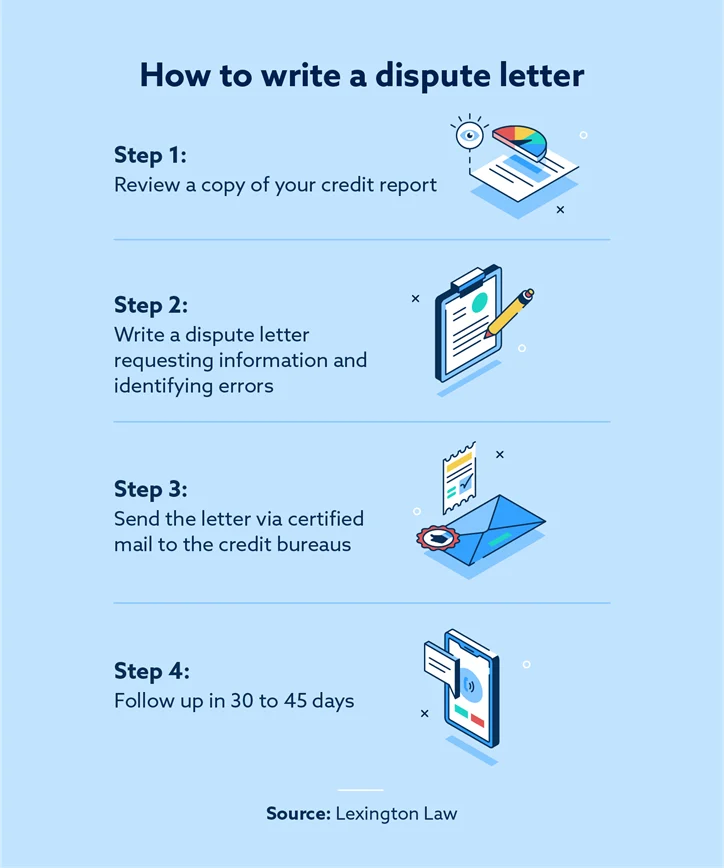
- The Correction Phase: Upon identifying an inaccurate derogatory mark, you initiate a dispute. This may involve using the app’s internal tools or, in more complex cases, seeking professional assistance from firms like Lexington Law to navigate the legal complexities of credit repair.
- The Optimization Phase: You maintain your score through consistent, on-time payments and healthy utilization ratios, preparing yourself for future lending opportunities.
Supporting Data: Why Accuracy Matters
Data suggests that a significant percentage of consumer credit reports contain errors, ranging from minor misspellings of names to major inaccuracies like accounts that do not belong to the user. Relying solely on a single-bureau app may leave two-thirds of your data unmonitored.
When comparing models, remember that the VantageScore and FICO Score can differ by as much as 50–100 points depending on the consumer’s profile. For high-stakes lending, relying on a VantageScore can lead to a "false sense of security" or "unnecessary panic" when a lender finally pulls the actual FICO report.
Professional Implications: When to Escalate
Monitoring is a passive activity; it tells you what is happening, but it does not fix the problems. If your monitoring app alerts you to a collections account you don’t recognize or an inquiry that seems fraudulent, you have entered the territory of potential identity theft or reporting error.
In such cases, the implication is clear: simple monitoring is no longer sufficient. You may need to file formal disputes with the bureaus. Firms like Lexington Law provide the necessary advocacy to handle these disputes, ensuring that your rights under the Fair Credit Reporting Act (FCRA) are protected.
Frequently Asked Questions
Is it safe to link my bank and credit accounts to these apps?
Reputable apps use bank-level encryption (often 256-bit AES) and read-only access. Always verify the app’s security protocols and read the privacy policy to ensure your data is not being sold to unauthorized third parties.
Does checking my score hurt my credit?
No. Checking your own score via an app is considered a "soft inquiry," which is invisible to lenders and has zero impact on your credit score. Only "hard inquiries," which occur when a lender reviews your credit for a loan application, can affect your score.
Can an app guarantee my score will go up?
No app can "guarantee" a higher score. Your score is a reflection of your financial habits. Apps are tools for awareness; they provide the roadmap, but you must take the action of paying down debt and maintaining on-time payments to see a tangible increase.
Should I pay for a credit monitoring service?
If you are merely curious about your score, free apps are sufficient. If you are preparing to buy a home, recover from identity theft, or actively repair a damaged credit report, the features offered by paid services—such as three-bureau monitoring and professional dispute support—are well worth the cost.
Disclaimer: The information provided in this article is for educational purposes only and does not constitute legal, financial, or credit advice. Please review Lexington Law’s editorial disclosure for more details regarding their services and the limitations of credit repair.