









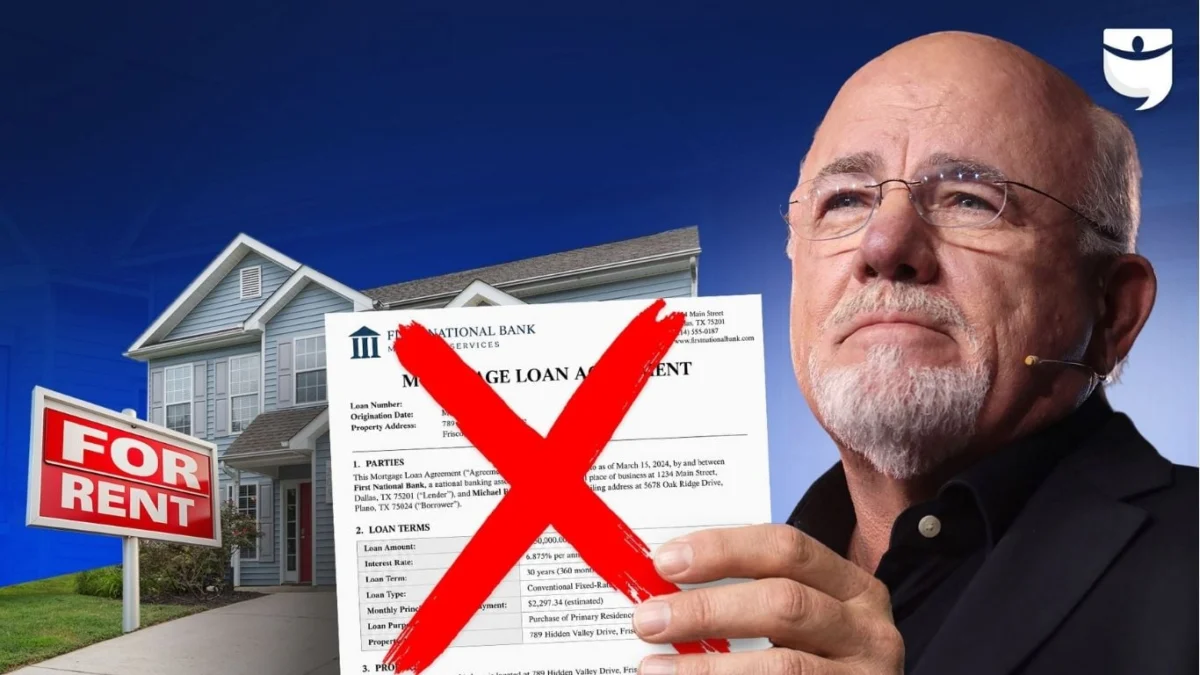
In the world of real estate investing, few questions spark as much fiery debate as the method of acquisition. Is it better to buy property outright with hard-earned cash, or should investors rely on debt as a foundational growth tool?
This central dilemma—famously championed in opposing camps by personalities like Dave Ramsey on one side and conventional syndicators on the other—recently took center stage during an interactive Q&A session on the BiggerPockets Podcast. Hosted by real estate expert Henry Washington alongside commercial investor and guest co-host Deandra McDonald, the discussion dissected community-submitted forum dilemmas ranging from debt-free real estate strategies to tenant screening pitfalls and high-yield motel conversions.
Main Facts: Cash vs. Leverage and Modern Landlording Realities
The core of the discussion centered on whether the average aspiring investor can realistically build a sustainable portfolio using cash alone, or if leverage remains the undisputed king of portfolio scaling.
- The Dave Ramsey Philosophy: Advocates for purchasing properties either entirely in cash or utilizing a conservative 15-year mortgage as an absolute last resort. The premise is that eliminating debt removes risk and avoids hundreds of thousands of dollars in lifetime interest payments.
- The Conventional Leveraged Approach: Most real estate investors utilize a 20% down payment paired with a 30-year mortgage. This allows them to control appreciating, cash-flowing assets immediately while freeing up capital for further expansion.
- Operational Hurdles: Beyond financing, independent landlords face immense friction during tenant turnovers. Issues like unexpected property abandonment, slow contractor turnaround times, and the notorious "final 5% of punch-list items" eat heavily into operational margins and create extended vacancy periods.
- Creative Strategies: Alternative acquisition methods, such as converting distressed hospitality assets (motels) into long-term residential or workforce housing, offer massive valuation upside, provided investors can navigate strict municipal zoning laws and heavy capital expenditure (CapEx) requirements.
Chronology of the Debate: From Financing Philosophies to Exit Strategies
The live Q&A progressed methodically through several foundational pillars of real estate investing, addressing real-world queries submitted by users across the country.
Phase 1: Dismantling the "Debt-Free" Ideal
The session kicked off with a question from Jimmy in Phoenix, who challenged the practicality of Dave Ramsey’s cash-only approach for beginners who lack hundreds of thousands of dollars in liquid capital.
Henry Washington argued that debt is a tool, comparing it to machinery that can either build efficiently or cause injury if used improperly. He noted that paying off high-interest consumer debt is vital, but liquidating all medium-to-low-interest debt before buying income-producing assets often leaves investors "debt-free in a shoebox" with nothing to show for their earning years.
Deandra McDonald added a psychological layer to the debate: "Dave Ramsey is for addicts. He was talking to people who got pre-approved for an 18-bedroom home… and racked up $250,000 in student loans and credit cards." McDonald noted that if an investor possesses fiscal discipline and a clear repayment roadmap, utilizing strategic debt is a rational path to wealth generation.
Phase 2: Solving the Turnover Bottleneck
Mike in Washington DC shifted the focus to self-management, asking which part of a rental turnover causes the greatest delay.
Both Washington and McDonald agreed that while expected tenant move-outs are simple to schedule (painting, cleaning, flooring), unexpected turnovers—such as unverified abandonments or contested evictions—paralyze the timeline. Until law enforcement clears a property, an investor cannot legally enter, assess damages, or secure contractor estimates.
To combat delays, Washington shared a vital operational tip: always withhold a final cash payment (at least $1,000) until the final quality control check is complete. Once a contractor is paid in full, their urgency to return for touch-ups plummets.
Phase 3: Tenant Screening and Upfront Rent Offers
Miguel posed a complex scenario involving a potential tenant offering to pay a full year of rent upfront despite having poor credit and a domestic charge from a past relationship.
The panel weighed the pros and cons carefully. While a year of prepaid rent is an attractive financial cushion, background checks require strict scrutiny. McDonald emphasized that violent or hate-related criminal histories are non-negotiable red flags, regardless of financial incentives. Furthermore, Washington and McDonald warned that accepting a year’s rent upfront requires fiscal discipline; if a tenant breaks the lease early and demands a prorated refund, the funds must still be accessible in a high-yield savings account rather than being immediately spent on a new flip.
Phase 4: Navigating Capital Constraints at Age 18
Kyle, an 18-year-old from Dayton, asked whether he should focus on raising OPM (Other People’s Money) or simply work long hours to build his own capital.
McDonald cautioned against relying on 100% private financing for an initial project, noting that losing a family member’s money during an early mistake carries a devastating emotional toll. Washington encouraged Kyle to leverage his primary advantage: youth and time. By maintaining low living expenses, working multiple jobs, and perhaps tackling a "handyman special" primary residence to capture tax-free capital gains over two years, young investors can build a legitimate financial foundation without over-leveraging private lenders.
Phase 5: Hospitality Conversions and Commercial Real Estate
Finally, Priyanšu, a real estate agent in Columbus, Ohio, raised questions regarding the surging viability of converting distressed motels into workforce housing or senior living communities.
McDonald, drawing from her own extensive experience in motel-to-residential conversions, validated the strategy. She pointed out that targeting suite-style motels with existing kitchenette setups drastically reduces CapEx and plumbing costs—avoiding the nightmare of jackhammering concrete slab foundations. However, she issued a stern warning regarding municipal zoning laws and specialized senior care requirements, noting that cities will fiercely protect their long-term master development plans against non-conforming commercial changes.
Supporting Data: Understanding Risk, Leverage, and Capital Metrics
- The Multiplier Effect of Leverage: Historically, real estate appreciation compounds on the total value of the asset, not just the down payment. A 20% down payment on a $300,000 property ($60,000 invested) captures appreciation on the full $300,000, yielding significantly higher return on equity (ROE) during rising markets compared to an all-cash purchase.
- The Cost of Vacancy: Every week a rental unit sits vacant due to contractor delays or extended turnover scoping equates to roughly 2% of annual gross rental income lost, directly compressing annual cash-on-cash returns.
- Consumer Debt vs. Good Debt: Financial advisors generally distinguish between "bad debt" (high-interest credit cards exceeding 15–20% APR) and "good debt" (low-to-moderate interest mortgages tied to appreciating, income-generating collateral).
Official Perspectives and Expert Takeaways
The dialogue underscored a unified message from seasoned professionals: real estate is a decentralized business where dogmatic rules rarely fit every scenario.
- On Risk Management: Deandra McDonald stressed that leverage is a powerful engine only when paired with cash reserves. Operating at 100% financing without emergency capital invites foreclosure or ruined personal relationships.
- On Municipal Relations: Henry Washington underscored that fighting local government zoning boards is a losing battle. Successful commercial developers align their project proposals directly with existing municipal master plans to fast-track approvals and secure local support.
- On Starting Young: Both hosts agreed that while capital-raising strategies are taught extensively online, nothing replaces the foundational discipline of hard work, personal savings, and surviving a first-hand investment mistake on one’s own dime.
Implications for Future Real Estate Investors
For aspiring and intermediate real estate investors alike, the BiggerPockets forum Q&A highlights several crucial takeaways for navigating the current economic landscape:
- Adopt a Hybrid Financial Mindset: Avoid the financial extremism of either over-leveraging without a safety net or refusing to use debt entirely. Treat debt as a precision tool: eliminate toxic consumer debt first, then deploy strategic mortgages to scale portfolio growth.
- Prioritize Operational Efficiency: Self-managing landlords must tighten their contractor management loops. Implementing holdback clauses on contractor payouts and securing vendor schedules months in advance will drastically reduce vacancy drag.
- Expand Into Niche Conversions Cautiously: Commercial hospitality conversions offer incredible upside, but success relies heavily on structural suitability (suite layouts versus traditional single rooms) and absolute alignment with local zoning ordinances.
As market conditions fluctuate, the fundamentals remain unchanged: financial discipline, rigorous tenant screening, and meticulous risk management will always separate successful long-term investors from speculative gamblers.