






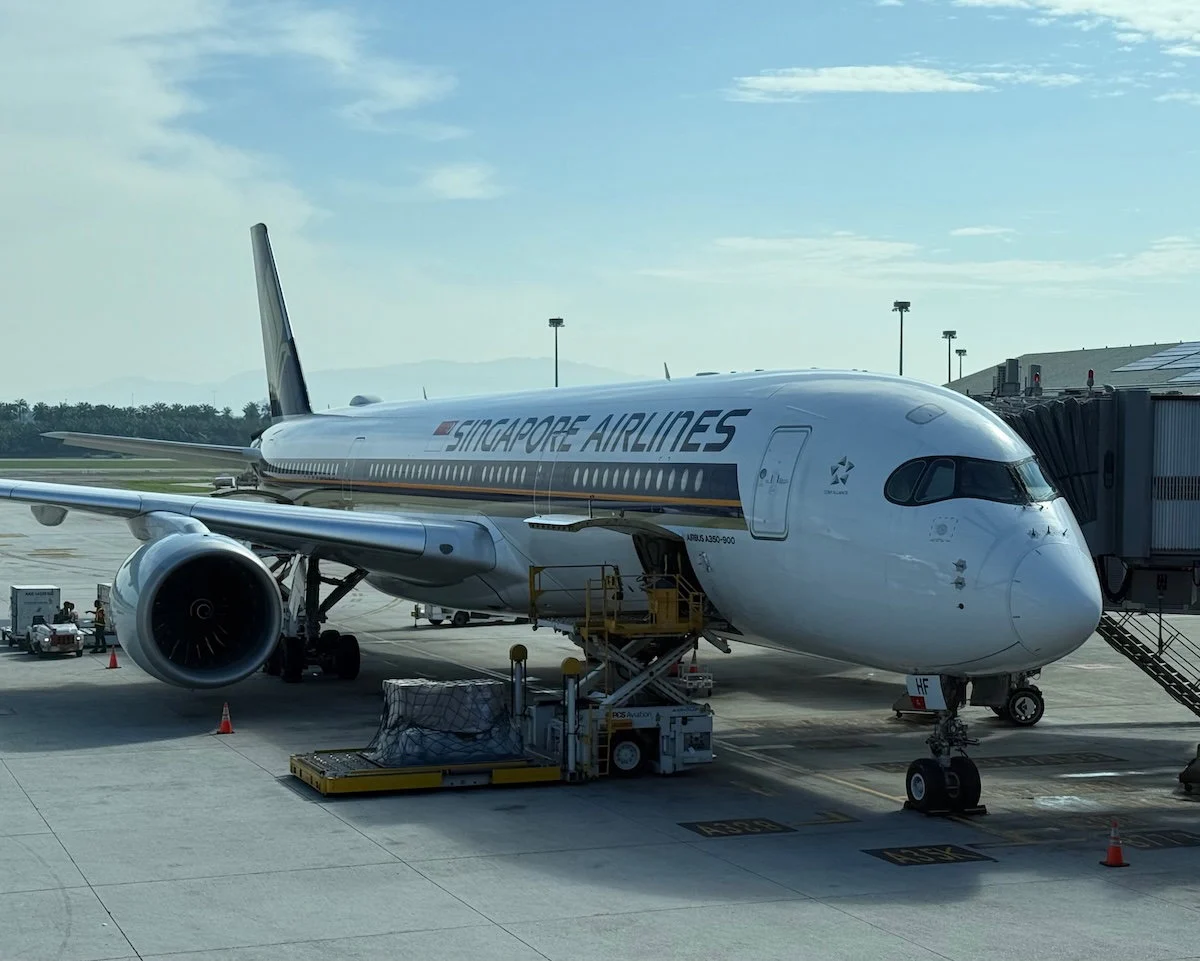
In the high-stakes world of long-haul aviation, a mid-flight diversion is often the start of a logistical nightmare. When a Singapore Airlines Airbus A350-900, operating flight SQ32, was forced to abort its journey to Singapore on October 14, 2026, it marked the beginning of a grueling ordeal for passengers and a masterclass in crisis management for the carrier. What began as a standard trans-Pacific crossing evolved into a nearly eight-hour "flight to nowhere," followed by a rapid-fire recovery effort that saw the airline move mountains to minimize the disruption for its travelers.
The Incident: A Mid-Air Escalation
The flight, departing from San Francisco International Airport (SFO), was approximately four hours into its journey across the Pacific Ocean when the cabin environment deteriorated rapidly. According to reports from passengers on board, a male traveler began exhibiting signs of severe psychological distress, which quickly escalated into an uncontrollable outburst.
Witnesses on the aircraft described a scene of chaos at 36,000 feet. A passenger, seated in the main cabin, reportedly began screaming, kicking the seats of those in front of him, and made a direct, alarming attempt to reach the emergency exit door. The cabin crew, trained for such security threats, intervened immediately. Despite their efforts to de-escalate the situation and restrain the passenger, the individual remained violent and non-compliant.
Recognizing that the safety of the aircraft and its passengers was being compromised, the flight deck crew made the difficult decision to abandon the flight to Singapore and return to the point of origin.
Chronology of a "Flight to Nowhere"
The timeline of the diversion highlights the immense complexity of trans-Pacific operations.

- 12:49 PM (Local Time): Flight SQ32 departs SFO. The departure was delayed by roughly an hour due to taxi congestion—a point of frustration for crews, though common at major hubs.
- 1:00 PM – 4:45 PM: The aircraft, an Airbus A350-900 (Registration: 9V-SJC), climbs to a cruising altitude of 36,000 feet, making steady progress toward Singapore.
- 4:45 PM (Approximate): The critical turning point. Following the passenger’s aggressive behavior and the failure of onboard containment, the pilots initiate a 180-degree turn.
- 8:32 PM: After seven hours and 43 minutes in the air, the aircraft touches down back at SFO.
- 8:41 PM: The aircraft arrives at the gate, where law enforcement—specifically the FBI and San Francisco Police Department (SFPD)—are waiting to take the disruptive passenger into custody.
Tactical Navigation: The Geometry of Diversion
A primary question for aviation observers is why the flight returned to San Francisco rather than diverting to an alternative airport. When flying over the vast expanse of the Pacific, the options are severely limited.
At the four-hour mark, the flight was positioned well north of the Hawaiian Islands, ruling out Honolulu as a practical choice. While Anchorage, Alaska, was geographically closer than San Francisco, it would have required a significant diversion into a region with less infrastructure for a major international carrier to handle a sudden, massive influx of stranded passengers. Tokyo, while a major hub, was significantly further along the route, meaning a return to SFO was the most logical choice to secure the aircraft, offload the passenger, and coordinate with the airline’s primary support network.
The Singapore Airlines Recovery: A Logistical Triumph
The true story of this incident lies in what happened after the aircraft returned to the gate. In aviation, when a crew exceeds their maximum flight duty period due to a diversion, the flight is typically grounded until a fresh crew can be rostered—a process that can often take 24 hours or more.
However, Singapore Airlines demonstrated extraordinary operational agility. By 11:19 PM, just over two hours after arriving at the gate, the aircraft was pushing back for a second attempt at the journey, re-designated as flight SQ9031.
To achieve this, the airline had to:

- Coordinate with Authorities: Manage the swift removal of the suspect while allowing law enforcement to conduct their initial investigation.
- Rapid Crew Resourcing: Assemble a fresh flight crew from their reserve pool or by reassigning staff from another scheduled service. This required careful management of pilot and cabin crew rest regulations to ensure compliance with FAA and international safety standards.
- Logistical Re-servicing: Clean the cabin, re-cater for an ultra-long-haul flight, and refuel the A350—all while managing the emotional state of a plane-load of exhausted passengers.
The ability to get the flight back into the air by 11:49 PM is a testament to the depth of Singapore Airlines’ operational resources at SFO. It prevented a total collapse of the travel itinerary for hundreds of passengers, though those travelers still faced an endurance test of epic proportions. Between the initial flight, the return leg, and the subsequent 16-hour journey to Singapore, many passengers spent over 24 hours in a confined cabin environment.
Official Responses and Security Implications
While Singapore Airlines has not released a granular play-by-play of the incident, they confirmed the diversion was necessitated by "a disruptive passenger." The airline emphasized that the safety and well-being of its customers and crew remain its highest priority.
The involvement of the FBI suggests that the incident will be handled as a federal matter. Under U.S. law, interfering with a flight crew is a serious felony, often resulting in heavy fines, lifetime bans from the airline, and significant prison time. The incident has reignited debates regarding the need for better mental health screening for travelers and the potential for a "no-fly" list specifically for disruptive passengers, a proposal that has gained traction among airline industry lobbying groups.
Broader Implications for the Industry
This incident serves as a stark reminder of the "human factor" in aviation. As flight times continue to push the boundaries of human endurance with Ultra-Long-Haul (ULH) routes, the cabin environment becomes increasingly fragile.
- The Cost of Disruption: Beyond the fuel costs—which are substantial for a widebody aircraft turning back mid-flight—the operational ripple effect can cost an airline hundreds of thousands of dollars in rebooking, crew deadheading, and airport fees.
- Crew Resilience: The flight crew on SQ32 was put in an impossible position. The training required to handle an unruly passenger while simultaneously navigating an emergency diversion is immense. The mental toll on staff who are expected to reset and continue a 16-hour flight after such an encounter is an under-discussed aspect of aviation safety.
- Passenger Experience: For the passengers, the event was a traumatic disruption. While the airline’s efficiency in getting them back on their way was commendable, the fatigue caused by a 24-hour cycle of travel is profound.
Ultimately, the Singapore Airlines incident of October 14, 2026, will be studied by aviation analysts as a benchmark for how to handle the "unthinkable" on a long-haul route. While the initial event was caused by the reckless actions of one individual, the resolution was defined by the disciplined, systemic response of a world-class airline. As aviation continues to recover and expand, the ability to manage such crises with speed and precision remains the defining trait of an elite carrier.