






In a defining moment for the aviation industry, Southwest Airlines has officially signaled the end of its era as a low-cost, no-frills carrier. Long defined by its egalitarian open-seating policy and a singular focus on affordability, the Dallas-based airline is undergoing a comprehensive metamorphosis. Following recent, historic shifts—including the introduction of assigned seating, premium legroom options, and the implementation of checked baggage fees—Southwest has announced its most ambitious project yet: the launch of its first-ever proprietary airport lounge network.
Dubbed the "Southwest Icon Lounges," this new premium offering represents a strategic pivot toward the high-end travel market. Developed in partnership with financial giant Chase, the project aims to blend Southwest’s legacy of "people-first" hospitality with the sophisticated, elevated standards of the existing Chase Sapphire Lounge network.
The Strategy: Why Now?
For decades, Southwest occupied a unique niche in the American aviation landscape. By avoiding the complexities of loyalty-based perks like airport lounges, the carrier maintained operational simplicity and kept costs low. However, the travel landscape has changed. Post-pandemic, the demand for premium travel experiences has surged, and competitors like Delta, United, and American have successfully leveraged their lounge networks to drive brand loyalty and credit card sign-ups.
Tony Roach, Southwest’s Chief Customer & Brand Officer, emphasized that this move is a logical progression of the brand. “Southwest Airlines has built one of the most trusted brands in travel by delivering authentic hospitality that customers value,” Roach stated. “Our lounges will be a natural extension of that experience, offering customers a place to relax and experience the Southwest brand in a new way. The introduction of a lounge network represents a strategic investment in Rapid Rewards and deepens our 30-year partnership with Chase.”
Chronology: From Concept to Reality
The journey toward the "Icon" brand began in earnest during the summer of 2026, when Southwest first teased the possibility of a lounge footprint. By early September 2026, the company formalized its roadmap.
- September 2026: Southwest formally announces its partnership with Chase to launch an airport lounge network.
- Late 2026 – Early 2027: Construction begins on the initial four locations.
- 2027 (Expected): Launch of a new, premium Southwest-branded credit card, serving as the primary vehicle for lounge access.
- Late 2027: The grand opening of the first four "Icon Lounges" in Austin, Baltimore, Honolulu, and Nashville.
- 2028 and beyond: Expansion to an additional seven markets, including high-traffic hubs like Dallas, Denver, Orlando, and Washington D.C.
The "Icon" Experience: Design and Amenities
The term "Icon" was chosen to pay homage to the airline’s 55-year history. The lounges are designed not merely as waiting areas, but as curated spaces that reflect the spirit of Herb Kelleher’s original philosophy—centered on the employees and customers who built the brand.
Initial renderings of the Nashville (BNA) location have caught the industry’s attention. Departing from the sterile, corporate aesthetic of some older airline clubs, the Icon Lounges appear to favor a blend of modern minimalism and local flavor. Southwest has promised that these lounges will feature premium amenities, locally inspired architectural design, and the trademark warmth that has defined the airline since its 1971 inception. These are intended to be environments where travelers can transition from the bustle of the terminal into a workspace or a sanctuary of relaxation.
Access and Membership: The Credit Card Connection
Perhaps the most significant question surrounding this rollout is how customers will gain entry. Southwest has confirmed that access will be tied to a forthcoming premium Rapid Rewards credit card, scheduled to launch in 2027.
While details remain under wraps, industry analysts suspect that the barrier to entry will be high. Unlike the "Priority Pass" model, which offers broad access to various third-party lounges, Southwest appears to be building a gated ecosystem. This move mirrors the "walled garden" strategies utilized by the Chase Sapphire Reserve or American Express Platinum cards.

The Chase Synergy
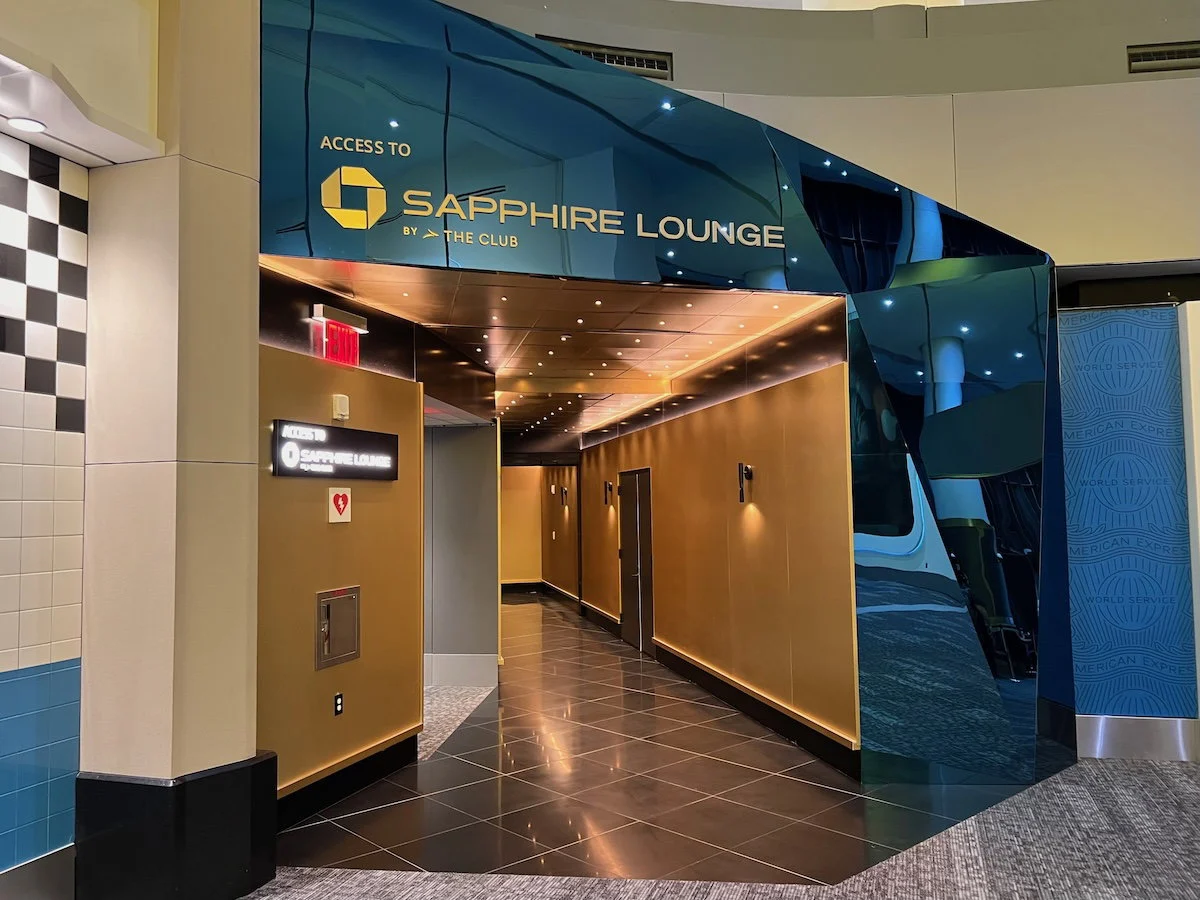
The collaboration with Chase is pivotal. Given that Chase already operates the widely acclaimed Sapphire Lounge network, the industry is buzzing with speculation:
- Cross-Pollination: Will the new premium Southwest card offer access to both Icon Lounges and Chase Sapphire Lounges?
- Tiered Access: Could there be a spending requirement on the new card to unlock access, or will it be a benefit included with the annual fee?
- Consolidation: At airports where both brands operate, will there be a unified entrance, or will the networks remain distinct?
It is highly probable that the new credit card will be marketed as the "ultimate" Southwest travel tool, likely carrying a significant annual fee but offering enough perks—such as lounge access, early boarding, and bonus points—to justify the cost for the frequent business traveler.
Market Implications: A New Competitive Frontier
Southwest’s entry into the lounge market is a direct challenge to the "Big Three" carriers. By offering a premium ground experience, Southwest is effectively removing one of the last remaining barriers that kept high-spending business travelers loyal to legacy carriers.
Operational Challenges
Expanding a lounge network is a capital-intensive, logistically complex endeavor. Unlike in-flight service, which is mobile, lounges require significant real estate, long-term airport leases, and ongoing maintenance. By starting with four strategic locations, Southwest is taking a measured, controlled approach. The choice of Austin, Baltimore, Honolulu, and Nashville highlights the carrier’s focus on both major business hubs and high-value leisure destinations.
Brand Dilution vs. Brand Elevation
Critics might argue that by moving away from its "everyman" roots, Southwest risks alienating its core customer base. However, the leadership team at Southwest seems to believe that "premium" does not have to mean "exclusive" in a way that feels cold or detached. If the lounges successfully capture the brand’s signature "hospitality," they may actually strengthen the bond with existing fans who have long requested a more sophisticated travel experience.
Supporting Data: The Growth of the Loyalty Economy
The "Lounge Wars" in aviation are a direct reflection of the "Loyalty Economy." In recent years, credit card rewards have become the primary profit driver for many major airlines. By introducing an Icon Lounge, Southwest is signaling to its most profitable customers that their loyalty is worth investing in.
- Targeted Footprint: The initial 11-lounge plan covers roughly 20-25% of the carrier’s high-traffic markets, ensuring that the most valuable segment of the customer base receives the most immediate benefit.
- Strategic Partnerships: The 30-year relationship with Chase is the backbone of this strategy. With the bank’s deep expertise in lounge management and credit card loyalty, the project has a significantly higher probability of operational success than if Southwest had attempted to build the network alone.
Looking Forward: A Developing Story
As of late 2026, the aviation community remains in a "wait and see" mode. The rendering of the Nashville lounge suggests a high-end product, but the true test will be the execution. Can Southwest maintain its "people-first" culture when translated into a premium, velvet-rope environment?
The transition is undoubtedly risky, but it is also necessary. As air travel becomes more commoditized, the ability to differentiate the experience—on the ground and in the air—is the only way for a major carrier to remain competitive in the coming decade. Whether the "Icon Lounge" becomes a standard-bearer for the next generation of airline luxury remains to be seen, but one thing is certain: the Southwest we knew yesterday is rapidly fading, replaced by a more ambitious, premium-focused, and strategically aggressive competitor.
For the frequent traveler, 2027 cannot come soon enough. The industry will be watching closely to see if the reality of the Icon Lounge lives up to the promise of the render, and more importantly, if the brand can successfully pivot to a new, higher-altitude future.