






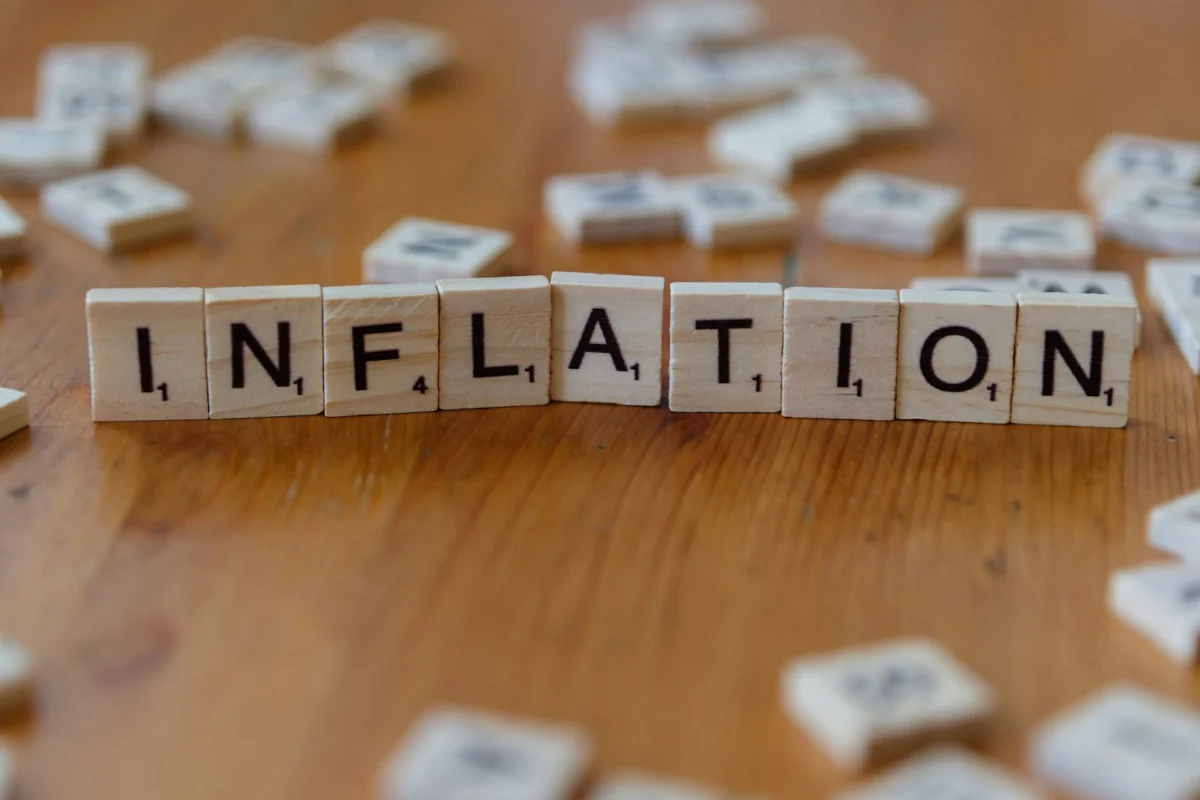
If you have felt a tighter squeeze when filling your gas tank or checking your grocery receipt lately, you are not imagining things. The latest economic data confirms that the cost of living is accelerating faster than anticipated. According to the September Consumer Price Index (CPI) report released by the Bureau of Labor Statistics, headline inflation rose 3.7% compared to the same period a year ago, marking the fastest pace of price increases seen in months.
Driven predominantly by surging energy costs, gas prices, and systemic supply-chain ripples, this inflation report carries significant weight. For young adults, working professionals, and anyone managing a strict household budget, the report signals a critical time to reevaluate personal financial strategies, anticipate higher borrowing costs, and adjust discretionary spending before winter weather and further economic shifts take hold.
Main Facts: The September Inflation Spike at a Glance
The Consumer Price Index serves as the benchmark economic metric for measuring the average change over time in the prices paid by urban consumers for a market basket of consumer goods and services. The September report revealed several vital economic developments:
- Headline Inflation: Prices rose 3.7% year-over-year in September, accelerating from the 3.4% readings recorded in both July and August. This surpassed the consensus forecasts of many Wall Street economists, who had projected a more modest increase of roughly 3.6%.
- Core Inflation: Core inflation—which strips out volatile food and energy sectors to provide a clearer picture of long-term price trends—climbed to 2.6%, up from 2.4% the previous month.
- Energy Dominance: Energy costs served as the primary catalyst for the jump. Overall energy prices spiked 20.4% over the trailing 12 months, with gasoline alone surging 34.2% year-over-year and posting a dramatic 9.1% monthly increase in September alone.
- Monetary Policy Pressures: The stronger-than-expected inflation data directly impacts the Federal Reserve’s ongoing campaign to cool the economy, increasing the likelihood of further interest rate hikes and keeping borrowing costs elevated.
Chronology: How the Inflation Story Unfolded
Understanding how the economy reached this juncture requires tracing the economic timeline over the past several months.
Summer Stasis and False Security
Throughout July and August, inflation metrics appeared to show a modest stabilization, holding steady at a 3.4% year-over-year increase. Consumers and analysts alike began to hope that the worst of the post-pandemic inflationary cycle was in the rearview mirror. Financial markets anticipated that the Federal Reserve might soon pause its aggressive monetary tightening cycle or begin signaling future rate cuts.
The September Surge
As September unfolded, global commodity markets and domestic energy sectors began facing renewed upward pressure. Crude oil prices climbed steadily, translating directly into pain at the pump. By late September, national diesel averages hit a record-shattering $6.29 per gallon, a logistical tipping point that immediately began inflating shipping, freight, and distribution costs across every retail sector.
The Bureau of Labor Statistics Release
When the Bureau of Labor Statistics published the September CPI report, it shattered expectations of continued cooling. The 3.7% headline figure and the massive 9.1% single-month spike in gasoline prices instantly shifted market sentiment. Stock indexes slumped as investors processed the reality of persistent inflation, while bond yields climbed sharply in anticipation of a more aggressive central bank response.
Supporting Data: Breaking Down the Numbers
To fully grasp why everyday expenses feel increasingly burdensome, it helps to examine the granular data provided by federal economic reports and market trackers.
The Energy and Transportation Bottleneck
Gasoline was responsible for more than half of the entire monthly increase in the September CPI. A 9.1% jump in a single month is an extraordinary velocity for commodity pricing. When combined with diesel reaching historic highs of $6.29 per gallon, the underlying mechanics of supply chains were fundamentally altered. Transporting food to grocery stores, delivering retail goods to storefronts, and moving raw materials to manufacturing plants all became significantly more expensive. Consequently, grocery and retail prices experienced secondary inflationary waves as shippers and corporations passed these elevated overhead costs directly down to the end consumer.
Market Expectations and Financial Indicators
Wall Street reacted swiftly to the data. Financial analysts noted that the report left virtually no room for policymakers or economists to downplay the resurgence of price pressures.
- Stock and Bond Reactions: Major stock indexes slipped immediately following the announcement, while bond yields climbed as fixed-income investors adjusted to a "higher-for-longer" interest rate environment.
- Federal Reserve Projections: Prior to the September CPI release, financial markets priced in roughly a 20% probability of an additional interest rate hike by the Federal Reserve before the end of the year. Following the report, that probability skyrocketed to approximately 50% for the upcoming policy meetings.
Official Responses and Expert Analysis
Financial institutions, market strategists, and central bank watchers have weighed heavily on what the September inflation data means for the broader U.S. economy.
Adam Crisafulli, a prominent market analyst, noted that the September data was unequivocal in its severity, leaving investors and policymakers with undeniable proof that inflationary forces remain sticky.
Meanwhile, David Royal, Chief Investment Officer at Thrivent, emphasized the growing disconnect between current inflation metrics and the Federal Reserve’s long-term objectives. "Inflation remains well above the Fed’s 2% target," Royal stated, adding that given the stubbornness of price growth, any expectations of imminent interest rate cuts by the central bank are entirely premature.
The Federal Reserve’s Dilemma
Having raised its benchmark federal funds rate earlier in September to a target range of 3.75% to 4%—its highest level in years—the Federal Reserve faces a delicate balancing act. Central bank officials have signaled they are prepared to tighten monetary policy further if price stability is threatened.
Markets are now closely monitoring upcoming policy gatherings, specifically pricing in a coin-flip chance of another rate hike at the late-October Federal Open Market Committee (FOMC) meeting. If economic data does not moderate, a subsequent meeting in December provides the Fed with one final opportunity to adjust rates before the calendar turns.
Implications: What This Means for Your Personal Finances
While macroeconomic data and Federal Reserve policies make for major headline news, the real impact of a 3.7% inflation rate is felt at the household level. For individuals managing household expenses, student loans, or early-career budgets, the September report carries direct implications that require proactive management.
1. Rising Borrowing Costs and Credit Card APRs
Most consumer credit cards carry variable Annual Percentage Rates (APRs) tied directly to the U.S. prime rate, which moves in lockstep with the Federal Reserve’s benchmark rate decisions. When the Fed raises rates to combat inflation, your credit card interest rate typically adjusts upward within one or two billing cycles. If you carry a revolving balance, higher interest charges will consume a larger portion of your monthly payment, making debt reduction more urgent than ever.
2. The Necessity of Budget Realignment
When everyday essentials like gasoline, utilities, and groceries consume a larger percentage of your income, your entire financial ecosystem shifts. Waiting for prices to naturally settle can be a costly mistake.
- Audit Variable Expenses: Review your month-to-month spending immediately. Focus your attention first on transportation and grocery line items, as these categories have experienced the most volatility.
- Utilize Proactive Frameworks: If you are in your 20s or 30s managing a tight cash flow, adopt a structured budgeting framework—such as allocating fixed percentages of your income to needs, wants, and savings—to ensure you can pivot quickly as prices shift.
3. Fortifying Your Financial Safety Net
High inflation and high interest rates frequently compound financial stress. To protect against unexpected price hikes or potential economic headwinds, building an emergency fund is no longer optional; it is essential.
- Start Small, Scale Up: If saving feels daunting, begin by setting aside enough to cover just one month of essential expenses. Once achieved, scale your target toward three to six months of living costs.
- Automate Your Savings: Remove the friction from saving by setting up automated transfers on every payday. By treating your emergency fund like a non-negotiable monthly bill, the habit sticks without requiring daily willpower.
Frequently Asked Questions
What Is the Consumer Price Index (CPI)?
The Consumer Price Index is a comprehensive economic indicator published monthly by the Bureau of Labor Statistics. It measures the average change over time in the prices paid by urban consumers for a representative market basket of consumer goods and services, serving as the primary gauge of inflation in the United States.
Why Did Gas Prices Surge So Significantly in September?
Gasoline prices jumped 9.1% in a single month, driving total annual energy costs up by 20.4%. This surge was fueled by rising global crude oil prices and record-breaking national diesel averages (reaching $6.29 per gallon), which increased transportation and logistics costs across the entire supply chain.
Will the Federal Reserve Raise Interest Rates Again Soon?
It is a strong possibility. Following the hot September inflation report, financial markets priced in roughly a 50% probability of an additional rate hike at the upcoming Federal Reserve policy meeting. Additional opportunities for rate adjustments remain on the central bank’s calendar before the end of the year.
How Does Inflation Directly Impact My Credit Card Rates?
The vast majority of credit cards feature variable APRs that move in direct correlation with the prime rate. Because the prime rate is heavily influenced by Federal Reserve benchmark rate adjustments, any monetary tightening by the Fed typically results in higher credit card interest charges within a billing cycle or two.
How Much Money Should I Keep in Emergency Savings During High Inflation?
Financial planners generally recommend maintaining three to six months’ worth of essential living expenses in a liquid, easily accessible high-yield savings account. However, if that target feels out of reach given current price pressures, starting with a modest goal of one month of expenses is an effective and manageable first step.
Final Thoughts
A 3.7% inflation report does not represent an immediate systemic economic crisis, but it serves as an unmistakable warning flare that requires consumer awareness and preparation. Energy and transportation costs have driven prices upward, and household budgets across the country felt that pinch long before the federal statistics were published.
The most prudent course of action is to review your spending patterns today, adjust your gas and grocery budgeting categories, and prepare for a potentially prolonged high-interest-rate environment. By making small, intentional financial adjustments now, you can protect your purchasing power and build long-term resilience against whatever economic variables winter may bring.