






Main Facts: The Cost of Living Takes Center Stage
As the United States hurtles toward the 2026 midterm elections, political campaign strategists across the ideological spectrum have landed on a singular, unifying diagnosis of the American electorate’s mood: intense, pervasive financial anxiety. In the weeks leading up to November, voters are being bombarded with political ads, town hall soundbites, and stump speeches anchored by catchy, highly engineered slogans. Behind these marketing phrases lies a fierce policy battle over who—or what—is to blame for the persistent strain on household budgets.
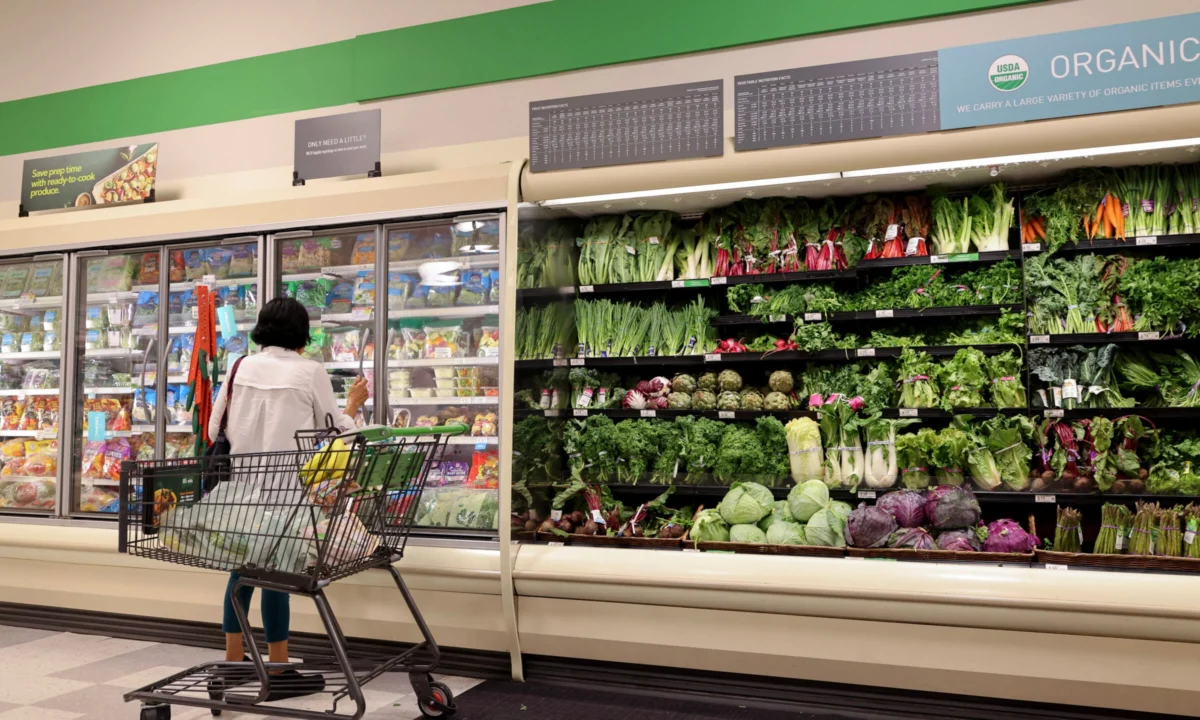
Affordability has eclipsed traditional wedge issues, emerging as the defining battleground of the 2026 cycle. According to a landmark poll released this month by the health policy nonprofit KFF, an overwhelming 62% of registered voters identify the cost of living as the absolute top issue they want candidates to address. When pressed on specifics, respondents pointed overwhelmingly to everyday essentials: the escalating prices of health care, residential rent and mortgages, gas, utilities, and groceries.
Candidates from both major parties are racing to meet this public outrage by packaging wide-ranging economic policies into digestible, hard-hitting slogans. While both Democrats and Republicans agree that the current economic climate is untenable for middle- and working-class families, their diagnoses of the root causes—and their proposed remedies—diverge sharply. Democrats frequently point to corporate greed, price-gouging, lax antitrust enforcement, and tariffs as the primary drivers of inflation. Republicans, conversely, tend to blame excessive government spending, heavy-handed state regulations, high taxation, and burdensome green-energy mandates.
Chronology: The Rise of the Affordability Mantra in Modern Politics
To understand how "affordability" became the omnipresent catchphrase of the 2026 midterms, it is helpful to trace its evolution over the past several electoral cycles.
- 2021–2022 (The Post-Pandemic Inflation Shock): Following the economic reopening after the COVID-19 pandemic, inflation spiked to historic highs. Initially dismissed by some economists as "transitory," soaring prices for used cars, gasoline, and food began to severely impact consumer confidence.
- The 2022 Midterms: While political analysts predicted a massive "red wave" fueled by economic dissatisfaction, the results were more nuanced. However, public frustration over inflation firmly established economic pocketbook issues as the primary lens through which voters viewed governance.
- 2024 (The Presidential Cycle): Economic framing dominated the national landscape. Debates continually circled back to grocery bills and gas prices. Both campaigns attempted to pin rising costs on the incumbent administration’s legislative packages or proposed trade policies.
- 2025 (State-Level Pressures and Corporate Scrutiny): As federal inflation rates theoretically stabilized, the cumulative effect of higher prices solidified into a new normal. Housing costs skyrocketed in secondary and tertiary markets, utility rates climbed due to grid demands from emerging technology (such as AI data centers), and consumer debt reached record highs.
- 2026 (The Midterm Slogan Era): Entering the current election cycle, candidates realized that generic promises to "fix the economy" were no longer sufficient. Campaign consultants crafted hyper-localized, punchy slogans—ranging from "Make stuff cost less" to "Gas, grits and groceries"—to translate complex macroeconomic theories into relatable, kitchen-table grievances.
Supporting Data: What the Numbers Tell Us About Voter Anxiety
The political rhetoric currently dominating the airwaves is firmly grounded in hard economic realities. Multiple data sets underscore why voters across states like Texas, California, New York, North Carolina, and New Mexico are responding so intensely to cost-of-living messaging.
The KFF Polling Data
The KFF poll serves as a bellwether for the 2026 cycle. With 62% of voters declaring cost of living their number one priority, the gap between this issue and traditional concerns—such as national security, immigration, or foreign policy—is substantial. Health care costs remain a primary driver of this anxiety, with families reporting that out-of-pocket expenses for insurance premiums, prescription drugs, and emergency care continue to outpace wage growth.
Energy and Utility Pressures
A recurring theme in 2026 campaign platforms is the unexpected strain on utility grids. The rapid expansion of artificial intelligence data centers has placed unprecedented demands on local power grids, driving up electricity costs for residential consumers. In states like Texas and North Carolina, candidates are increasingly forced to address why everyday utility bills are rising despite overall energy independence.
Housing and Child Care Burdens
Housing affordability has reached a crisis point nationwide. The convergence of high interest rates, limited housing stock, and institutional or corporate buyers purchasing single-family homes has priced millions of potential first-time buyers out of the market. Concurrently, child care costs have risen to rival or exceed the cost of in-state college tuition in many states, severely limiting workforce participation for young parents.
Official Responses: Breaking Down the 2026 Slogans and Policies
Candidates across the country are utilizing specific slogans to frame their economic platforms. A closer examination reveals distinct ideological approaches to solving the affordability crisis.
1. "Make Stuff Cost Less"
- Candidate: Roy Cooper, former governor and Democratic candidate for U.S. Senate (North Carolina).
- The Diagnosis: Cooper argues that North Carolina families are trapped in a financial squeeze driven by high prices across groceries, housing, health care, child care, and utilities. He points directly to tariffs as an artificial driver of inflation, alongside excessive corporate concentration and special-interest influence in the economy.
- The Proposed Remedy: Cooper’s platform includes blocking anti-competitive corporate mergers, banning algorithmic pricing schemes used by landlords, restoring health coverage lost to ACA and Medicaid cuts, and lowering drug prices via Medicare negotiation and out-of-pocket caps. To address infrastructure and housing, he proposes forcing data centers to pay their full power costs, banning utility shutoffs during extreme weather events, expanding the child care tax credit, building more housing while barring corporate and foreign entities from buying single-family homes, and repealing tariffs that inflate building material costs.
2. "Affordability Agenda"
- Candidate: Deb Haaland, Democratic candidate for governor (New Mexico).
- The Diagnosis: Haaland emphasizes that New Mexicans are struggling to afford everyday necessities because wages have flatlined while corporate profits have soared to record highs. She also targets federal tariff policies from the Trump administration as a primary catalyst for rising consumer prices.
- The Proposed Remedy: Haaland promises to cut grocery costs by supporting local growers and waiving permit fees for food deserts. For housing, she advocates speeding up zoning approvals and banning AI-driven rent fixing. To tackle utility bills, she champions expanding renewable energy infrastructure. Furthermore, she aims to put money back into workers’ pockets by implementing an inflation-adjusted minimum wage increase and expanding the Child Tax Credit.
3. "Cut Taxes, Cut Utility Bills"
- Candidate: Bruce Blakeman, Republican candidate for governor (New York).
- The Diagnosis: Blakeman views New York’s high cost of living as a direct consequence of heavy taxation and aggressive state energy policies. He argues that progressive green-energy mandates and recurring utility rate hikes are strangling homeowners and small businesses.
- The Proposed Remedy: Blakeman’s core pledge is to lower taxes and cut utility bills "in half"—though specific legislative mechanics for the latter remain broad. Additionally, he proposes aggressively expanding domestic energy production, which includes lifting New York’s long-standing ban on hydraulic fracturing (fracking) to increase supply and lower energy costs.
4. "Gas, Grits and Groceries"
- Candidate: Annie Andrews, Democratic candidate for U.S. Senate (South Carolina).
- The Diagnosis: Andrews frames the crisis around the basic building blocks of daily life in South Carolina: food, energy, housing, and child care. She accuses corrupt politicians and major corporations of colluding to drive up daily expenses, while also criticizing tariffs for inflating grocery prices.
- The Proposed Remedy: Andrews advocates for immediate consumer relief by temporarily suspending federal gas and diesel taxes. Her long-term proposals include cutting energy and grocery bills, expanding affordable housing access, granting local communities veto power over energy-intensive data center developments, and creating a federal apprenticeship program to expand and properly compensate the child care workforce.
5. "Unrig the Economy"
- Candidate: James Talarico, Democratic candidate for U.S. Senate (Texas).
- The Diagnosis: Talarico elevates economic stress into a broader "corruption crisis," arguing that an unchecked billionaire class exerts too much political influence, ensuring the economic system is rigged in their favor.
- The Proposed Remedy: Talarico’s extensive platform includes raising the minimum wage, expanding overtime pay protections, canceling medical debt, enacting universal child care, providing paid family leave, and expanding the child tax credit. He proposes repealing tax breaks for the top 1% of earners to fund a direct "cost-of-living tax cut" for working families. For housing, he supports down-payment assistance for first-time buyers and streamlined construction regulations. To lower energy costs, he advocates stripping tax breaks from data centers, forcing them to fund their own power infrastructure, and suspending the federal gas tax.
6. "Protecting the Texas Promise"
- Candidate: Ken Paxton, Republican candidate for U.S. Senate (Texas).
- The Diagnosis: Paxton points to a combination of corporate price-gouging and runaway federal government spending as the twin engines driving up the cost of living for Texans.
- The Proposed Remedy: Paxton’s platform relies heavily on targeted tax cuts and deductions. He proposes creating federal tax deductions for out-of-pocket medical expenses and first-time home purchases—including a substantial $50,000 home purchase deduction. He also supports doubling the child tax credit, offering a $5,000 deduction for healthy-lifestyle expenses (such as gym memberships), and making children’s savings vehicles permanent. On the energy front, Paxton aligns with his opponents on forcing data centers to fund their own infrastructure, while also advocating for exempting certain off-grid power systems from federal electricity regulations.
7. "Lower Costs. Raise Stability. Put Families First."
- Candidate: Xavier Becerra, Democratic candidate for governor (California).
- The Diagnosis: Becerra, former U.S. Health and Human Services Secretary and California Attorney General, argues that the "California Dream" is under threat because families are being crushed by the cost of housing, health care, gas, and groceries. He blames weak corporate competition and unchecked price-gouging.
- The Proposed Remedy: Becerra pitches himself as the "health care governor," promising comprehensive health coverage for all state residents. To tackle the cost of living, he proposes freezing utility rates and home insurance premiums, cracking down aggressively on corporate price gouging, expanding state support for child care, and declaring a housing state of emergency to slash permitting delays and accelerate home construction.
Implications: What This Means for Voters and the 2026 Midterms
The hyper-focus on affordability in the 2026 midterms carries profound implications for the future of American governance and electoral politics.
First, it signals a distinct convergence in populist messaging. Whether a candidate is a progressive Democrat or a conservative Republican, the language of the campaign trail acknowledges that working-class and middle-class Americans feel economically vulnerable. The debate is no longer about whether voters are hurting, but who is responsible.
Second, the divergence in proposed solutions highlights deep ideological fault lines regarding the role of government. Democratic candidates consistently propose regulatory interventions—such as anti-merger enforcement, price-gouging investigations, minimum wage hikes, and targeted tax credits—alongside public investments in child care and green energy. Republican candidates, meanwhile, lean toward deregulation, tax deductions, increased domestic fossil fuel production, and lowering state-level energy mandates as the most efficient ways to spur competition and lower costs.
Finally, for the average voter navigating this landscape, cutting through the rhetoric requires diligence. As campaign ads saturate media markets with catchy slogans, voters are encouraged to look past the marketing and examine the specific legislative mechanisms candidates propose.
How to Navigate Your Ballot
For citizens seeking to cut through the political noise and research their specific ballots ahead of the November election, nonpartisan resources remain essential:
- State and Local Election Offices: The official starting point for sample ballots, registration status, and polling locations.
- U.S. Election Assistance Commission (EAC) & Can I Vote: Comprehensive directories linking voters directly to official state election portals (accessible via EAC.gov and Can I Vote).
- VOTE411: A public service tool provided by the League of Women Voters that allows voters to compare candidate stances side-by-side on key local and national issues (VOTE411.org).
As the 2026 midterms approach, the affordability debate will undoubtedly remain the ultimate test of political persuasion, leaving voters to decide which economic vision best addresses the realities of their kitchen tables.