








For many Americans, credit is a tool that is often used but rarely fully understood. While millions rely on credit cards, personal loans, and mortgages to manage their financial lives, a significant knowledge gap persists regarding how these financial instruments are categorized. Understanding the difference between installment and revolving credit is not merely an academic exercise; it is a fundamental pillar of personal finance that dictates how you borrow, how much you pay in interest, and ultimately, how your creditworthiness is perceived by lenders.
The Core Distinction: A Breakdown of Credit Structures
Every debt instrument in the modern financial ecosystem is classified into one of two categories: installment credit or revolving credit. While both allow consumers to bridge the gap between current income and desired expenditures, their mechanics are fundamentally different.
Installment credit operates on a predictable, linear path. A borrower receives a lump sum of capital upfront, which is then repaid over a predetermined schedule. Each payment typically consists of both principal and interest, gradually whittling the debt down to zero. Once the final payment is made, the account is closed. Common examples include auto loans, student loans, and mortgages.
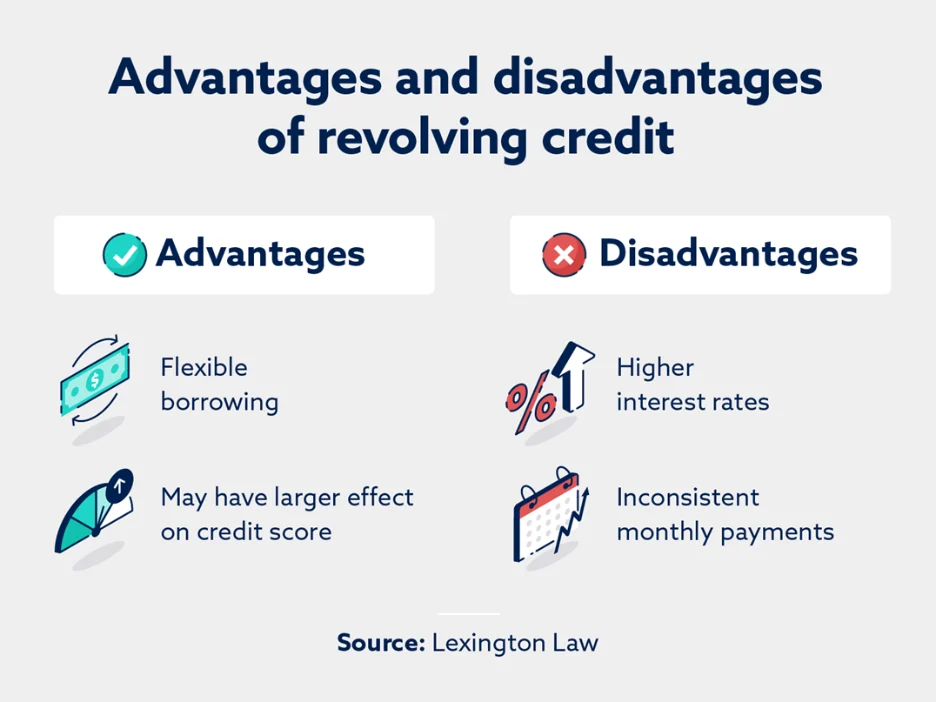
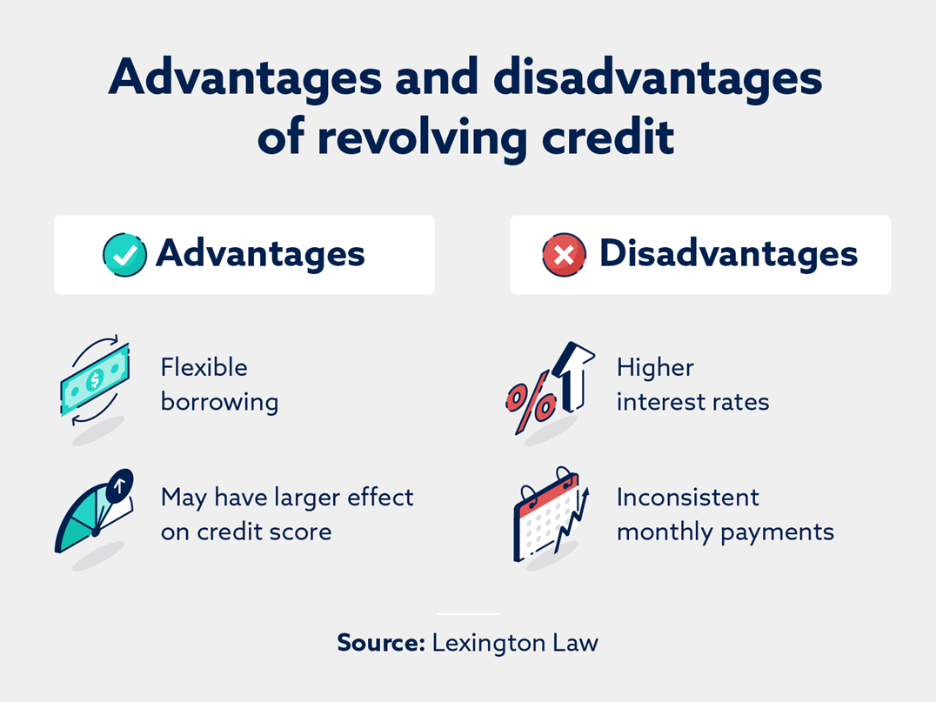
Revolving credit, by contrast, offers a fluid, ongoing borrowing capacity. A lender assigns a credit limit, and the borrower may draw upon that limit as needed. As the balance is repaid, the available credit replenishes, allowing for repeated borrowing without the need to apply for a new loan. Credit cards and home equity lines of credit (HELOCs) are the most prominent examples of this structure.
Chronology of Credit Development: How Debt Shapes Your Financial Profile
The impact of these credit types on a consumer’s credit score is not uniform. When a consumer first begins building a credit history, the "credit mix"—the variety of accounts held—accounts for approximately 10 percent of the FICO® score.
In the early stages of a financial journey, a consumer might open a credit card (revolving). As they progress, they may add an auto loan (installment). This diversification signals to credit bureaus that the borrower is capable of managing different types of debt obligations. Over time, the longevity of these accounts becomes a critical metric. An installment loan that is paid consistently over five years demonstrates long-term stability, while a revolving account that remains open for a decade provides a robust foundation for the "length of credit history" factor, which constitutes 15 percent of the FICO score.
Supporting Data: Interest Rates and Utilization Metrics
The financial implications of choosing between these two structures are stark, particularly when analyzing interest costs and utilization ratios.

The Power of Credit Utilization
Revolving credit carries a unique weight in the FICO scoring model: credit utilization. This ratio, which compares the amount of revolving debt you currently hold against your total available credit limits, accounts for roughly 30 percent of your credit score. If you have $10,000 in total available credit and carry a balance of $5,000, your utilization rate is 50 percent—a level that many experts suggest is too high for optimal scoring. Because installment loans have a fixed original balance, they do not impact credit utilization in the same way, making them a more stable component of a credit report once the initial balance is paid down.
The Interest Rate Math
The cost of borrowing often tips in favor of installment loans for large, one-time expenses. Because credit cards are designed for convenience and short-term liquidity, they often feature variable interest rates that can exceed 20 to 25 percent. Conversely, personal loans—as a form of installment credit—frequently offer fixed, lower interest rates.
Consider this scenario: A consumer faces a $6,000 emergency expense.
- The Revolving Route: Using a credit card with a 24 percent APR and a $300 monthly payment, the borrower would take approximately two years to pay off the debt, accruing roughly $1,300 in interest.
- The Installment Route: Using a personal loan at a 12 percent fixed APR over three years, the borrower would pay approximately $1,150 in interest.
While the term is longer in the second example, the lower interest rate and the psychological benefit of a fixed, non-fluctuating payment schedule provide a more controlled financial outcome.
Official Perspectives: Managing Credit Responsibly
Financial professionals and credit experts consistently emphasize that neither form of credit is "better" than the other; rather, they serve different functions in a healthy financial portfolio.
According to credit industry standards, the "best" approach is to match the credit product to the nature of the expense. Revolving credit is the superior tool for high-frequency, unpredictable, or small-scale expenses. It provides the agility required for daily life. Installment credit is the superior tool for large, defined, one-time costs, such as consolidating high-interest credit card debt or funding a major home renovation.
However, the "official" stance from consumer advocacy groups is that mismanagement is the true enemy. Whether the debt is revolving or installment, the most critical factor—35 percent of your FICO score—is payment history. A single missed payment on a credit card has the same detrimental effect as a missed payment on an auto loan. Both can remain on a credit report for up to seven years, casting a shadow over future borrowing opportunities.
Implications: The Role of Credit Report Accuracy
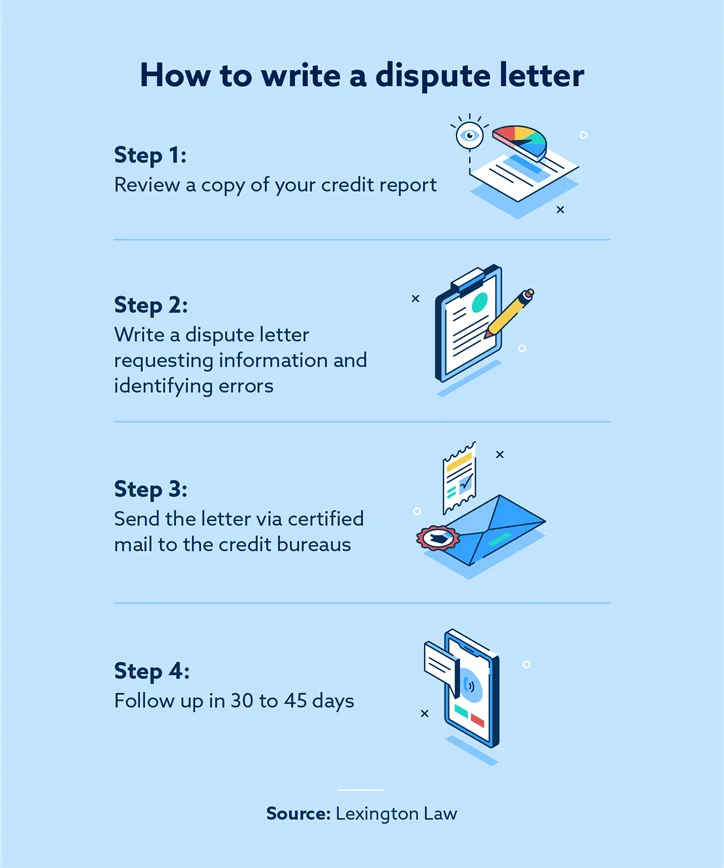
The strategic use of credit is only effective if the underlying data in your credit report is accurate. Millions of Americans are unknowingly impacted by errors—such as incorrect balance reporting, misattributed accounts, or outdated late payment notations—that skew their credit utilization or misrepresent their payment history.
When a consumer intends to apply for a new installment loan to consolidate revolving debt, an error on the report can lead to higher interest rate offers or outright denial. Consequently, the first step in any debt management strategy should be a thorough audit of one’s credit reports from the three major bureaus: Equifax, Experian, and TransUnion.
Strategic Steps for the Modern Borrower
- Audit Regularly: Before applying for new credit, verify that all installment and revolving accounts are correctly listed.
- Maintain the Mix: Do not close old, paid-off installment loans immediately if it significantly reduces the age of your accounts, but do keep revolving accounts open to maintain high total credit limits and lower utilization.
- Choose the Right Tool: If you find yourself consistently carrying a high balance on revolving credit, consider the strategic use of an installment loan to consolidate that debt into a fixed payment.
- Seek Professional Assessment: If your credit score does not reflect your actual history of on-time payments, utilizing a professional credit assessment service can help identify discrepancies that may be hindering your financial progress.
Conclusion
The distinction between installment and revolving credit is the roadmap to effective debt management. Revolving credit offers the flexibility to navigate the unpredictability of daily expenses, while installment credit offers the structure required to tackle significant financial milestones without the risk of compounding interest cycles.
By mastering the mechanics of these two systems—maintaining a low utilization ratio on revolving accounts, ensuring a diverse credit mix, and rigorously protecting the accuracy of your credit report—you move from being a passive borrower to a strategic manager of your financial future. Whether you are aiming to pay off debt, qualify for a mortgage, or simply improve your credit standing, the key lies in understanding the nature of the debt you carry and leveraging it to support, rather than hinder, your long-term goals.
Note: This article is provided for general informational purposes only and does not constitute professional financial or legal advice. Financial decisions should be made based on individual circumstances, ideally in consultation with a qualified financial advisor.