






For millions of Americans, a credit score is the silent gatekeeper of financial opportunity. It determines whether you can secure a mortgage, rent an apartment, or even obtain a competitive interest rate on a car loan. However, the systems governing these scores are not infallible. According to data from the Federal Trade Commission (FTC), approximately one in five Americans has an error on at least one of their credit reports.
When consumers discover inaccurate or unverified information, they often turn to a "609 letter." Despite common misconceptions, this is not a "magic bullet" designed to erase legitimate debt. Instead, it is a strategic tool rooted in the Fair Credit Reporting Act (FCRA) designed to hold credit bureaus accountable for the accuracy of the data they distribute.
The Genesis: What is Section 609 of the FCRA?
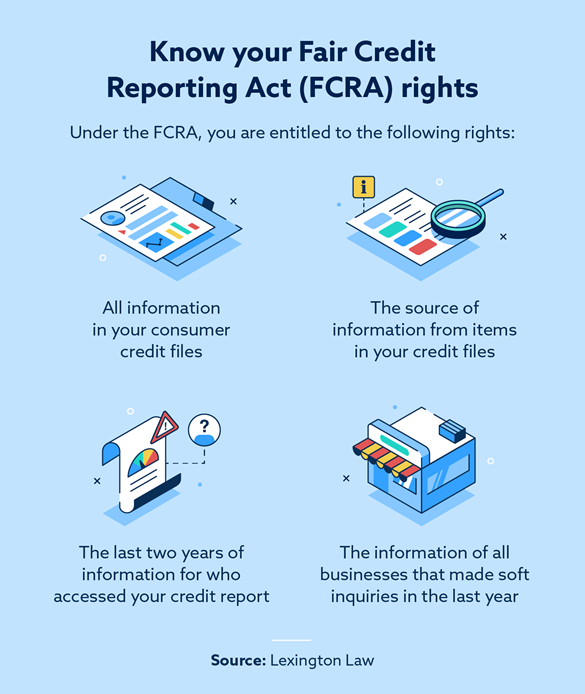
To understand the 609 letter, one must first look at the legislation that birthed it. Section 609 of the Fair Credit Reporting Act (FCRA) outlines the requirements for credit reporting agencies (CRAs)—the bureaus—to provide consumers with information contained in their files.
Crucially, it grants consumers the right to request a disclosure of the sources of information and the identification of any person who procured a consumer report. Many consumers use this section to request "verification" of the items on their report. It is important to clarify that this is not a formal dispute of the accuracy of the information, but rather a request for the documentation that substantiates the bureau’s reporting.
Why the Distinction Matters
A common pitfall in credit repair is the belief that sending a 609 letter will force a creditor to produce an original, wet-ink contract, and that failing to do so will result in the automatic deletion of a debt. In reality, credit bureaus are not required to provide the original signed contract; they only need to provide evidence that they have verified the data with the information furnisher. Relying on the 609 letter as a "get out of jail free" card often leads to frustration when bureaus return a response stating the information has been verified.

Chronology of a Credit Dispute
Successfully managing your credit report requires a methodical approach. Understanding the lifecycle of a credit dispute can help you avoid common errors and ensure your rights are protected.
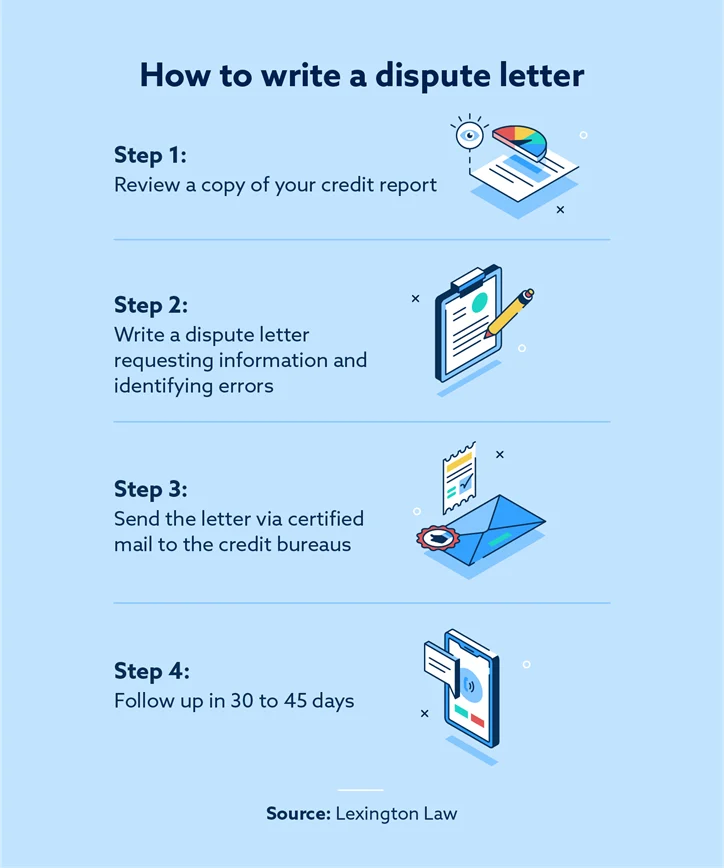
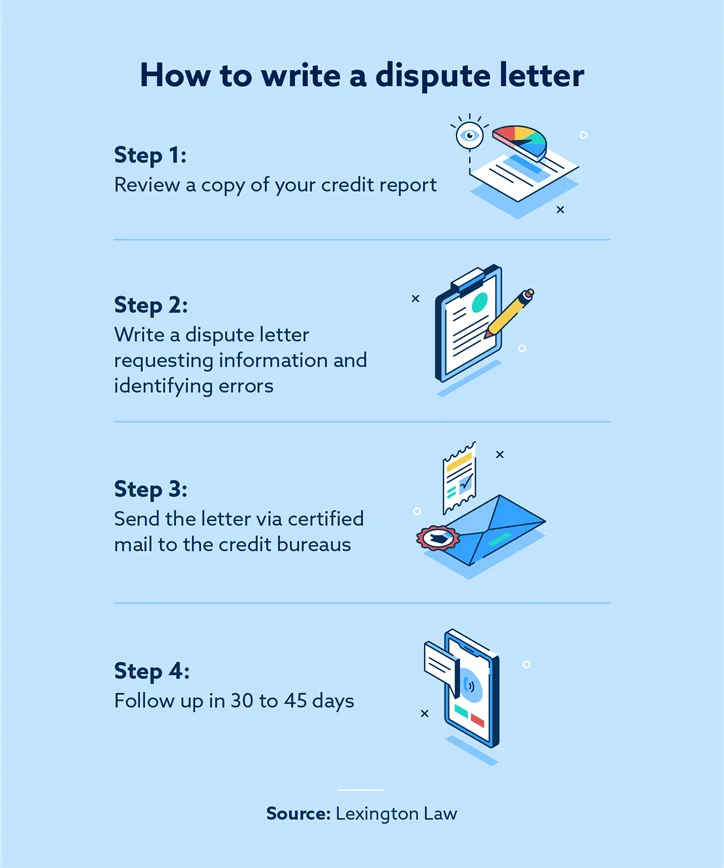
- Discovery: The process begins when you pull your credit reports from the three major bureaus (Equifax, Experian, and TransUnion) and identify an entry that appears inaccurate, outdated, or incomplete.
- Request for Documentation: You submit a formal 609 request. This letter serves as an inquiry, demanding that the bureau substantiate the entry in question.
- The Bureau Review: By law, the credit bureau must investigate your request. This is usually a 30-to-45-day window.
- Verification or Deletion: If the bureau cannot verify the information with the furnisher, they are legally obligated to remove it. If they can verify it, the item remains, and you receive a notice confirming the investigation results.
- Escalation: If the 609 letter fails to resolve the issue, you move to formal dispute processes (under Section 611) or direct disputes with the furnisher (under Section 623).
Supporting Data: The Scope of Credit Errors
The financial impact of credit reporting errors is profound. The Consumer Financial Protection Bureau (CFPB) has repeatedly highlighted that credit report inaccuracies can lead to "credit migration," where consumers are unfairly pushed into higher-interest brackets.
Data shows that the most common errors include:
- Mixed Files: Information from another person with a similar name or Social Security number appearing on your report.
- Identity Theft: Accounts opened by bad actors that remain on the report long after the victim has filed a police report.
- Zombie Debt: Old debts that have passed the statute of limitations but are being re-aged or re-reported by aggressive collection agencies.
- Incorrect Payment History: Payments made on time that are erroneously reported as 30, 60, or 90 days late.
Given these statistics, the 609 letter serves as an essential first line of defense, allowing consumers to "audit" the bureau’s data collection process.
Official Responses and Bureau Obligations
When a consumer invokes their rights under Section 609, the credit bureaus are legally bound by the FCRA. However, their response is often standardized.

What the Bureaus Are Required to Do
- Disclose File Content: Provide you with the information in your file at the time of your request.
- Identify Sources: Disclose the sources of the information.
- Investigate Inaccuracies: If you claim an item is inaccurate, they must conduct a reasonable investigation.
What the Bureaus Are NOT Required to Do
- Produce Original Contracts: There is no provision in the FCRA that mandates the production of an original, signed credit agreement (the "wet-ink" myth).
- Provide Immediate Deletion: They are not required to delete verified information simply because you asked for proof of its origin.
Implications of Using a 609 Letter
The primary implication of using a 609 letter is the activation of your consumer rights. By engaging in this process, you shift from being a passive recipient of your credit score to an active participant in your financial profile management.
The Strategic Value
The real value of a 609 letter is that it forces the credit bureau to review its own records. If the bureau has been relying on outdated or unreliable data feeds, a 609 letter can trigger an internal audit that leads to the removal of the item without the need for a full-scale legal battle.
The Limits of the Strategy
If you have a legitimate, accurate derogatory mark—such as a bankruptcy that occurred three years ago or a credit card account that you stopped paying—a 609 letter will not help. Attempting to use this as a tool to evade accurate debt obligations is often ineffective and can waste valuable time that could be better spent on credit counseling or debt settlement.
Crafting Your Approach: A Professional Template
If you decide to proceed with a 609 request, clarity and professionalism are paramount. Avoid aggressive language; focus on the facts.
[Your Full Name]
[Your Address]
[City, State, ZIP]
[Date]
[Credit Bureau Name]
[Bureau Address]
RE: Request for Verification Under Section 609 of the FCRA
Dear Consumer Relations Department,
I am writing to formally request information under Section 609 of the Fair Credit Reporting Act regarding the following item(s) currently appearing on my credit report:
[Insert Account Name and Account Number]

I am exercising my right to understand the source of this reporting. Please provide documentation that substantiates the validity of this entry. I have enclosed a copy of my government-issued ID and proof of address to verify my identity.
If this information cannot be verified, I request its immediate removal from my credit file as required by law. I look forward to your response within the statutory 30-day period.
Sincerely,
[Your Signature]
When to Seek Expert Assistance
While the 609 process can be navigated independently, there are instances where the complexity of credit reporting requires professional oversight. If you are dealing with multiple errors, identity theft, or complex disputes involving creditors who refuse to cooperate, the expertise of a credit professional can be invaluable.

Professionals can help you distinguish between items that are worth disputing and those that are better left to age off naturally. They can also assist in drafting more complex "623 disputes," which target the original lender rather than the bureau, effectively attacking the problem at its source.
Summary of Alternatives
If the 609 letter does not yield the desired results, consider these alternative paths:
- Section 623 Dispute: Directly contact the original creditor or the collection agency providing the information.
- Credit Counseling: Work with non-profit agencies to create a debt management plan.
- Goodwill Letters: If the debt is yours and accurate, ask the creditor for a one-time removal as a gesture of goodwill.
- Wait it Out: Negative items typically fall off a credit report after seven years. Focus on building positive credit in the meantime.
In conclusion, a 609 letter is a powerful, legally mandated tool for transparency. By using it correctly, you ensure that your credit report is a true reflection of your financial history, providing you with the clarity needed to reach your long-term financial goals. Always remember: your credit report is your financial resume—make sure it tells the accurate story.