









In today’s digital-first economy, your credit score acts as a modern-day gatekeeper. It determines the interest rates you pay on mortgages, influences your eligibility for premium credit cards, and can even dictate whether a landlord approves your rental application. However, despite the profound impact credit health has on your daily life, many consumers remain in the dark about their standing until it is too late.
Credit monitoring applications have emerged as essential tools to close this information gap. By providing real-time access to your reports and scores, these apps transform abstract data into actionable financial intelligence. But with dozens of options flooding the app stores, choosing the right platform requires an understanding of your specific goals—whether that is casual monitoring, preparing for a major loan, or aggressively addressing inaccurate derogatory marks.
The Fundamentals of Credit Health
At its core, credit monitoring is about transparency. Your credit score is a dynamic figure, calculated based on the information contained in your reports at the three major bureaus: Equifax®, Experian®, and TransUnion®. Because creditors do not report data to every bureau simultaneously, your profile can vary across these agencies.
Apps bridge this gap by pulling data directly from these bureaus, allowing you to track fluctuations, identify unauthorized inquiries, and spot errors that could be artificially suppressing your score.
Key Factors to Consider Before Choosing
- Bureau Coverage: Are you tracking data from one, two, or all three major bureaus?
- Scoring Models: Is the app providing a VantageScore (often used for educational purposes) or a FICO® Score (the industry standard for most lending decisions)?
- Alert Latency: How quickly does the app notify you of changes, such as a new credit inquiry or a change in your balance?
- Cost vs. Value: Does the app monetize through ad-supported financial recommendations, or is it a premium subscription service offering identity theft protection and professional dispute assistance?
Chronology of Credit Evolution: From Paper to Real-Time Monitoring
The transition to digital credit tracking has occurred in three distinct phases over the last two decades.
- The Era of Request (Pre-2010): Consumers relied primarily on the Fair Credit Reporting Act (FCRA) mandate to request one free paper report per year via mail. It was a reactive process; you only checked your credit when you suspected a problem or were applying for a loan.
- The Rise of Aggregators (2010–2018): Companies like Credit Karma and Credit Sesame revolutionized the space by offering free, ongoing access to scores. This shifted the cultural norm from "check once a year" to "monitor whenever you log in."
- The Modern Integrated Ecosystem (2019–Present): Today, credit monitoring is no longer a standalone activity. It is integrated into banking apps, credit repair platforms, and comprehensive personal finance suites. Features now include rent reporting, dark web monitoring, and automated dispute resolution services.
Deep Dive: 7 Leading Credit Monitoring Apps
1. Credit Snapshot by Lexington Law Firm
Credit Snapshot distinguishes itself by acting as a bridge between monitoring and professional intervention. While it provides a TransUnion FICO Score and a report summary, its true value lies in its connection to the legal team at Lexington Law.
- Best For: Individuals who suspect their credit reports contain errors, fraudulent collections, or outdated items that they wish to challenge professionally.
- Implications: This is not for casual users. At a monthly starting price of $139.95, it is a specialized service for those actively rebuilding their credit through legal dispute advocacy.
2. Credit Karma
As the most recognizable name in the industry, Credit Karma offers a robust, ad-supported platform. It provides daily updates to your VantageScore 3.0 from Equifax and TransUnion.
- Supporting Data: With millions of active users, their recommendation engine is highly refined, allowing for personalized matches to credit cards and loans.
- Tradeoff: Its reliance on VantageScore means users may see discrepancies between their "Karma score" and the FICO score a mortgage lender eventually pulls.
3. Credit Sesame
Credit Sesame excels in user experience by simplifying complex credit data into a letter-grade system. This makes it ideal for individuals who find traditional reports overwhelming.
- Unique Feature: Its rent-reporting integration helps renters build a credit history—a vital tool for those with "thin" credit files.
- Tiered Service: The free tier covers TransUnion, while the Sesame+ tier provides three-bureau data and advanced simulation tools.
4. NerdWallet
NerdWallet is less of an app and more of a comprehensive financial library. Its credit monitoring tool is an entry point into a broader ecosystem of financial advice.
- Educational Focus: If you want to know why your score dropped, NerdWallet’s detailed articles and analytical breakdowns provide more context than most competitors.
- Constraint: Updates occur weekly, making it less suitable for those needing minute-by-minute fraud alerts.
5. myFICO
For the serious borrower, myFICO is the gold standard. Operated by the FICO organization itself, it provides the exact scoring models used by major financial institutions.

- Precision: By offering industry-specific versions (e.g., FICO for Auto Loans, FICO for Mortgages), it eliminates the "surprise factor" during the loan underwriting process.
- Investment: With prices ranging from $19.95 to $39.95, this is a premium tool for high-stakes financial planning.
6. Experian
Experian’s app is unique because it is owned by one of the "Big Three" bureaus. This allows them to offer a free FICO Score 8—a rarity in the free-app market.
- Experian Boost®: This feature allows users to increase their scores by linking utility and streaming accounts, providing a tangible way to improve standing without taking on new debt.
7. CreditWise by Capital One
CreditWise is a rare "no-strings-attached" app. It is open to the public, regardless of whether you bank with Capital One.
- Value Proposition: It provides a TransUnion FICO Score 8, a credit simulator, and dark web monitoring without the aggressive advertisements found in other free apps.
Implications of Monitoring vs. Repairing
It is critical to distinguish between monitoring and repairing. Monitoring acts as a dashboard; it tells you your speed, your fuel level, and if there is a flat tire. However, it does not fix the flat tire.
If an app reveals inaccurate derogatory marks, simply knowing they are there is not enough. You have two paths:
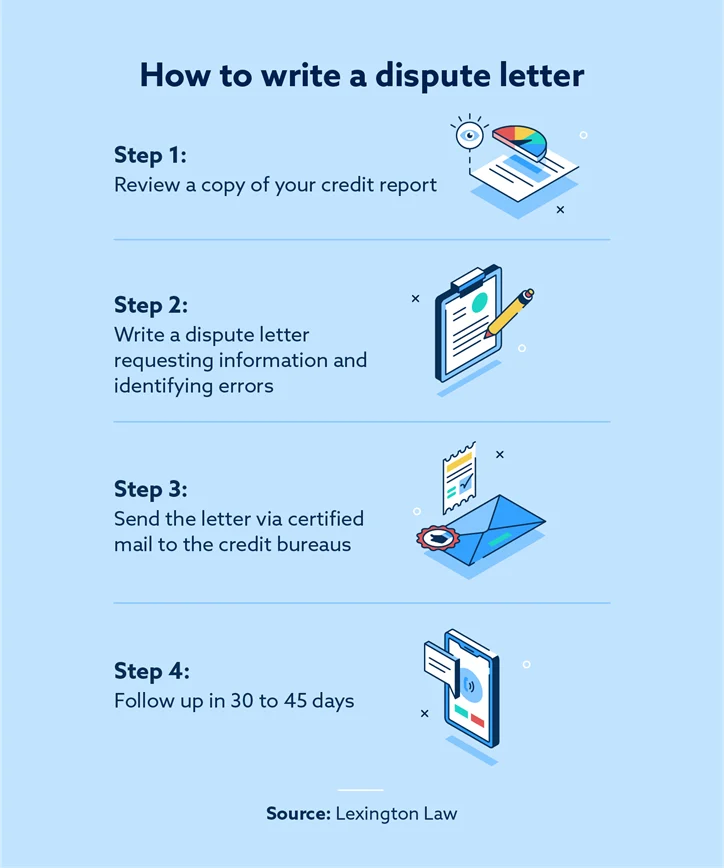
- The DIY Route: You can submit formal disputes to the credit bureaus via their websites or certified mail. This is time-consuming and requires a deep understanding of the Fair Credit Reporting Act.
- The Professional Route: Services like Lexington Law Firm can identify unfair, inaccurate, or unsubstantiated entries and leverage their legal expertise to challenge them with creditors and bureaus on your behalf.
Frequently Asked Questions
Is it safe to link my bank and credit accounts?
Yes, provided you use reputable, established providers. These apps utilize bank-level, 256-bit encryption. Always check the privacy policy to ensure the company does not sell your data to third parties without your consent.
Why do my scores differ across apps?
This is usually due to two factors: the scoring model (FICO vs. VantageScore) and the data source (which of the three bureaus the app is querying). Never assume a single score is an absolute truth; treat it as an indicator of your overall health.
Do these apps hurt my score?
No. Accessing your own credit data via these platforms constitutes a "soft inquiry." Soft inquiries are completely invisible to lenders and have zero impact on your credit score.
Can a free app truly manage my credit?
For the average consumer, a free app is sufficient for maintaining vigilance. However, if you are planning to purchase a home within the next 12 months, or if you are currently battling identity theft or significant reporting errors, the advanced reporting and professional support of paid services provide a necessary layer of security and precision.
Conclusion
Your credit score is not a static number—it is a reflection of your financial behavior. By utilizing the right monitoring tools, you move from a position of vulnerability to one of empowerment. Whether you choose the high-level analysis of NerdWallet, the industry-standard accuracy of myFICO, or the legal advocacy of Lexington Law, the best app is the one that encourages you to stay informed and proactive. Start your journey today with a credit assessment, and take control of the narrative that lenders see when they look at your report.
Disclaimer: The information provided on this website does not, and is not intended to, act as legal, financial, or credit advice. It is for general informational purposes only. Use of this content does not create an attorney-client or fiduciary relationship. Please review the specific editorial disclosures of any service mentioned before signing up.