







By Global Crypto Desk
Published: October 2026
Main Facts
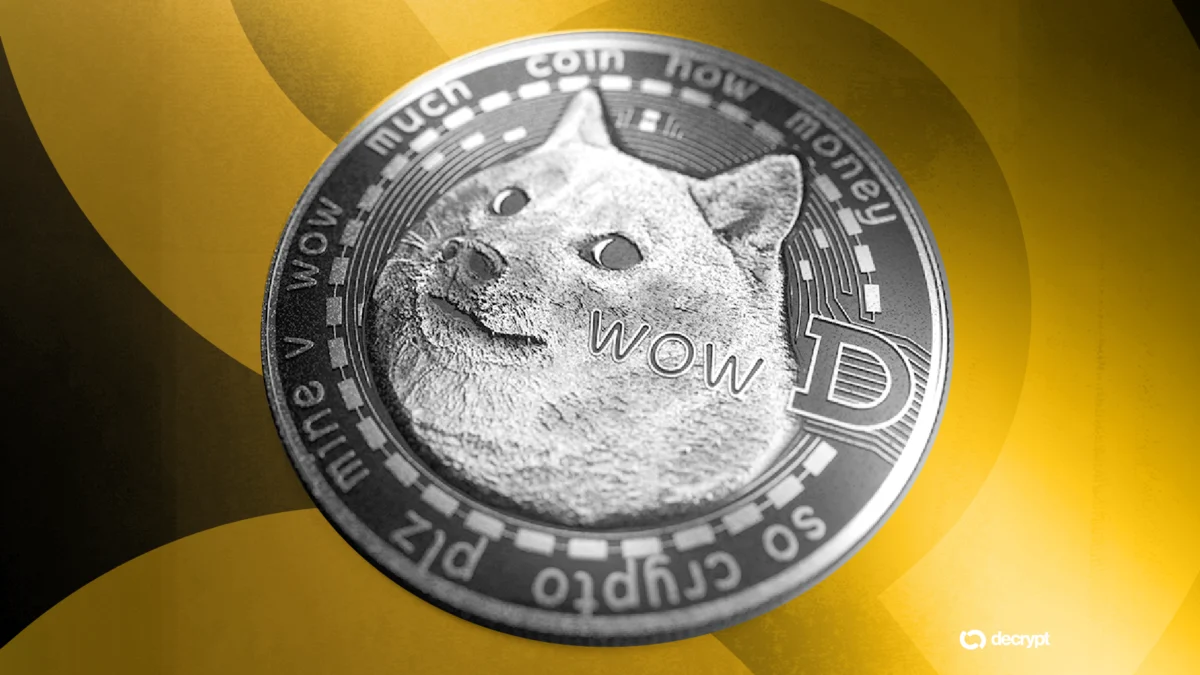
Dogecoin has officially stepped into the realm of decentralized applications and smart contracts. On Wednesday, the development team behind the MyDoge wallet officially launched the public testnet for DogeOS, a dedicated application layer designed to bring Ethereum-style utility to the world’s most famous meme cryptocurrency.
Founded in 2013 by Jackson Palmer and Billy Markus as a lighthearted peer-to-peer digital currency, Dogecoin has evolved over the past decade into a multi-billion-dollar network. However, unlike smart-contract platforms such as Ethereum, Solana, or Avalanche, Dogecoin’s base layer (Layer 1) has historically lacked native support for complex decentralized applications (dApps), decentralized finance (DeFi), and automated programmable scripts.
DogeOS attempts to bridge this gap. Operating as an application layer rollup network powered by a zero-knowledge virtual machine (zkVM), DogeOS functions independently of Dogecoin’s core ledger. It provides cryptographic proof ("math receipts") to validate transactions securely while offering complete Ethereum Virtual Machine (EVM) compatibility. This means that developers can effortlessly port Ethereum-based smart contracts, wallets, and tooling directly over to the Dogecoin ecosystem.
Network fees on the DogeOS testnet are paid natively in DOGE, anchoring the new infrastructure directly to the original cryptocurrency. To jumpstart developer adoption, the testnet’s built-in faucet distributes 42.069 test DOGE per day to participants. A diverse cohort of early builders has already deployed protocols on the testnet, ranging from Superposition Finance (a lending protocol) and Derps (a perpetual trading exchange) to USDoge (a collateralized debt position stablecoin), Snag (a prediction market aggregator), and PlaysOut (a casual mini-game publisher).
Despite the excitement surrounding the testnet launch, DogeOS developers have not yet announced a definitive timeline for the mainnet release, which will ultimately handle real capital.
Chronology
To understand how Dogecoin arrived at its first major layer-2 application ecosystem, it is vital to trace the network’s technical and cultural milestones:
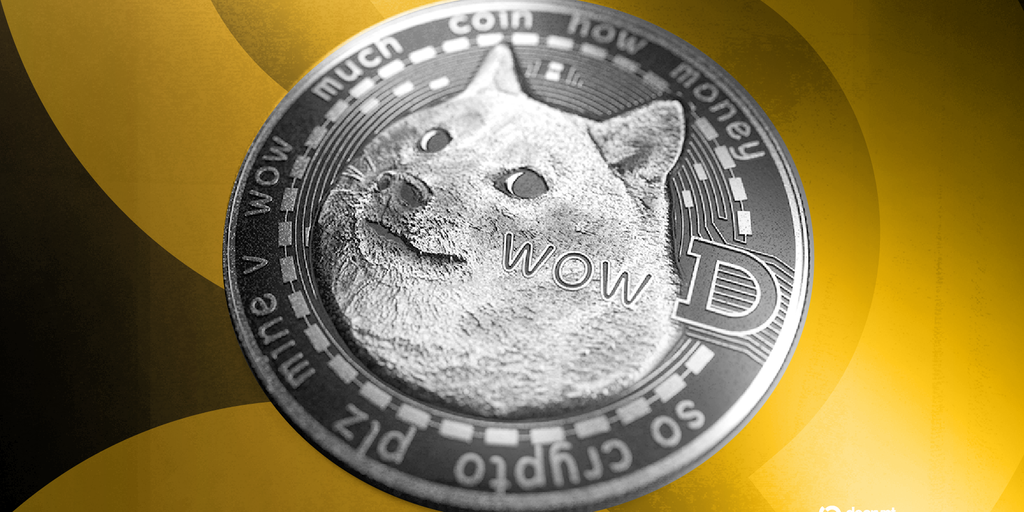
- December 2013: Jackson Palmer and Billy Markus launch Dogecoin as a satirical, peer-to-peer digital currency featuring the iconic Shiba Inu "Doge" meme.
- 2014–2020: Dogecoin operates primarily as an internet tipping currency and community-driven social symbol, steadily building a massive, loyal grassroots following without major architectural overhauls to its codebase.
- 2021: Sparked by retail trading frenzies, celebrity endorsements, and broader crypto market cycles, Dogecoin explodes into a multi-billion-dollar asset, cementing its place among the top-tier global cryptocurrencies by market capitalization.
- July 2025: Facing structural limitations on the base chain, the DogeOS development team submits a formal proposal to introduce zero-knowledge proofs to Dogecoin’s Layer 1. Due to Dogecoin’s decentralized nature and lack of formal on-chain governance, the proposal initiates extensive community debate, security audits, and miner review.
- Late 2025: Casual game publisher PlaysOut outlines plans to launch roughly 15 Doge-themed mini-games by the end of the year, laying early groundwork for consumer-facing utility.
- Wednesday (Late 2026): DogeOS officially opens its public testnet, marking a watershed moment in Dogecoin’s transition from a pure transactional store-of-value asset into a programmable, multi-layered ecosystem.
Supporting Data
The launch of DogeOS arrives at a critical juncture for Dogecoin’s market performance and technical maturation. Key data points highlight the ecosystem’s current standing:
- Market Retracement: Despite the introduction of various traditional financial products, including multiple Dogecoin exchange-traded funds (ETFs) accessible via standard brokerage accounts, DOGE has experienced a steep correction. The asset is currently trading down roughly 75% from its all-time high, making it one of the few legacy large-cap cryptocurrencies still mired in a confirmed structural bear market.
- Testnet Faucet Metrics: To encourage experimentation, the DogeOS developer faucet is programmed to distribute precisely 42.069 test DOGE per user daily—a playful nod to internet culture embedded deep within the cryptocurrency’s roots.
- Ecosystem Diversity: The initial testnet release features a robust suite of decentralized applications categorized across five major verticals:
- Lending: Superposition Finance (asset-backed borrowing).
- Derivatives: Derps (perpetual contracts with no expiry dates).
- Stablecoins: USDoge (CDP-minted algorithmic/collateralized stable assets).
- Oracles/Markets: Snag (prediction market aggregators).
- Gaming: PlaysOut (targeting 15+ casual Doge-themed mini-games).
- Layer Separation: Zero-knowledge virtual machine (zkVM) architecture ensures that 100% of transaction execution and smart contract logic occurs off the base ledger, preserving the speed and immutability of the Dogecoin Layer 1 network.
Official Responses
Industry leaders and core community stakeholders have reacted enthusiastically to the public testnet release, emphasizing the delicate balance between expanding utility and maintaining network security.
Jordan Jefferson, founder and CEO of DogeOS, framed the launch as a paradigm shift for the asset class:
"Today marks the beginning of Dogecoin’s evolution from asset to ecosystem."
Timothy Stebbing, director of the Dogecoin Foundation, underscored the importance of keeping the base chain untouched while allowing innovation to flourish on secondary layers:
"L1 ledger purity must stay intact while we introduce utility one layer above, and that is what DogeOS represents to me."
Because Dogecoin lacks formal, automated on-chain governance mechanisms, core updates to the base protocol require a meticulous consensus-building process. This involves peer review from independent developers, rigorous public discussion, third-party security audits, and direct signaling from network miners. By building DogeOS as an external rollup rather than forcing a contentious hard fork on the core chain, the development team has effectively bypassed the sluggish bureaucracy traditionally associated with Layer 1 upgrades.
Implications
The deployment of the DogeOS public testnet carries profound implications for the future trajectory of Dogecoin, developer sentiment, and the broader Layer-2 scaling landscape.
1. Overcoming the "Meme Coin" Ceiling
For years, critics and skeptics dismissed Dogecoin as a speculative instrument devoid of foundational utility. While its immense brand recognition and active community kept it relevant through multiple market cycles, its lack of smart contract capabilities meant it sat on the sidelines while Ethereum, BNB Chain, and Solana captured billions of dollars in decentralized finance (DeFi) and non-fungible token (NFT) volume. DogeOS directly challenges this narrative by introducing lending markets, perpetual exchanges, and stablecoins natively tied to DOGE.
2. Preserving Layer 1 Security Through Modular Design
By utilizing a zkVM rollup architecture, DogeOS embraces the modern blockchain industry’s modular ethos. Rather than pressuring the conservative Doge core developer community to alter foundational consensus rules—a process fraught with political friction and systemic risk—DogeOS handles computation off-chain and settles verifiable cryptographic proofs. This protects Dogecoin’s foundational integrity while unlocking high-throughput smart contract functionality.
3. Revitalizing Market Sentiment and Engagement
Trading down 75% from its historical peak, Dogecoin has struggled to regain consistent bullish momentum despite regulatory milestones like the launch of spot-market Dogecoin ETFs. The introduction of an interactive testnet—bolstered by a meme-friendly test faucet and diverse application verticals like gaming and prediction markets—serves to reactivate retail enthusiasm and attract seasoned smart-contract developers who previously ignored the ecosystem.
4. Technical Challenges Ahead
Despite the milestone, hurdles remain. Transitioning from a public testnet to a secure, audited mainnet handling hundreds of millions of dollars in real economic value requires rigorous stress-testing. Developers must ensure that EVM compatibility functions seamlessly without introducing vulnerabilities common in cross-chain bridge and rollup environments. Furthermore, user adoption will depend heavily on whether everyday retail participants choose to bridge their assets into Layer 2 environments or continue holding DOGE purely as a speculative store of value on centralized exchanges.
As the DogeOS testnet collects real-world telemetry from its early builders, the crypto community will be watching closely to see if the world’s original meme coin can successfully transform into a thriving, programmable economic powerhouse.