








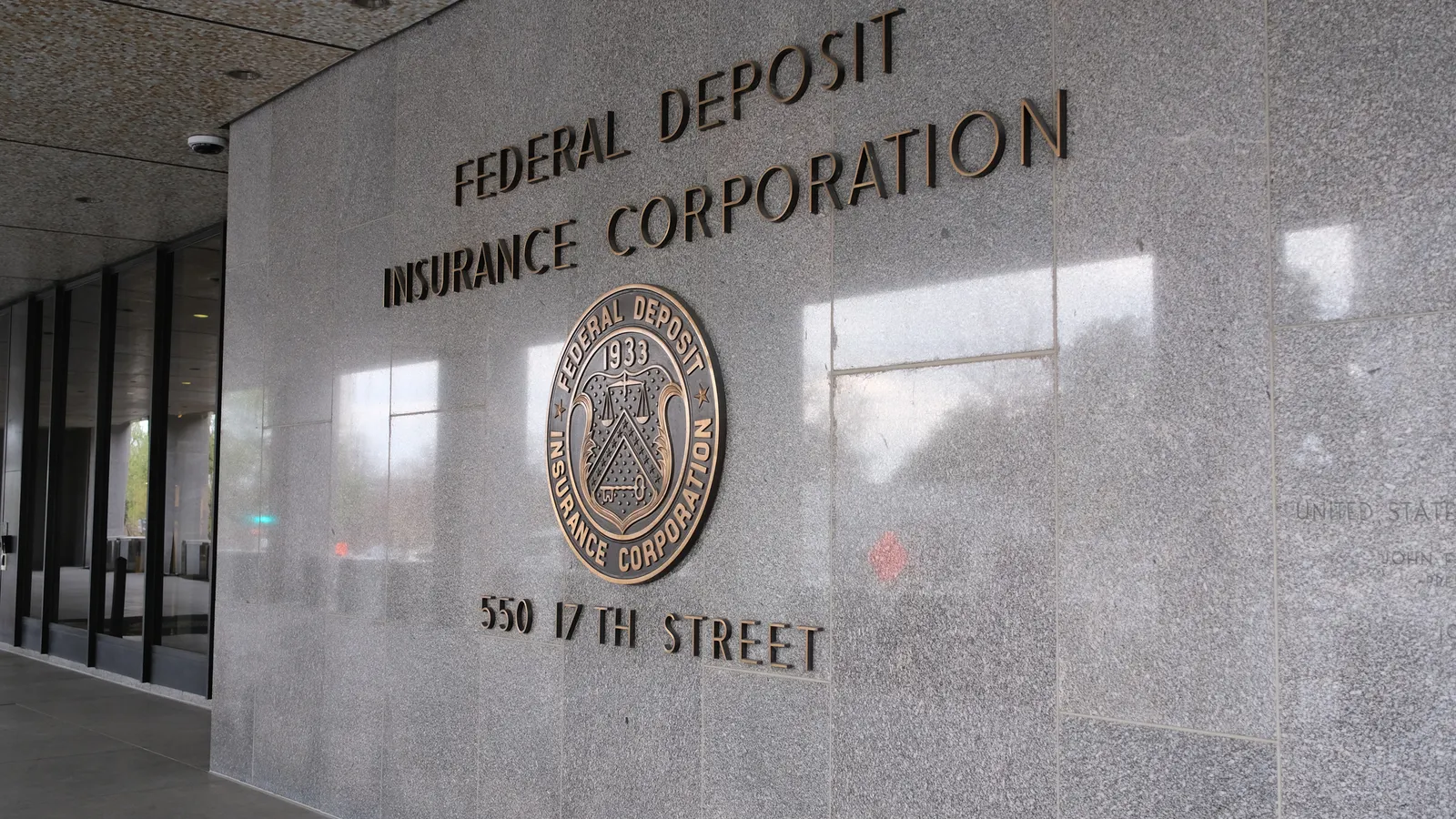
In a landmark development for the fintech sector, Mercury—the popular banking platform for startups—has cleared a significant regulatory hurdle. On Tuesday, the Federal Deposit Insurance Corp. (FDIC) granted conditional approval for deposit insurance to Mercury Bank N.A., the proposed national bank entity of the San Francisco-based fintech.
This decision, arriving more than 260 days after the company’s initial application, marks a transformative step in Mercury’s evolution from a software-first financial services provider to a fully chartered, regulated banking institution. While the path to launch remains lengthy, the approval signals a thawing in the regulatory climate for "de novo" banks—new institutions seeking to enter a market traditionally dominated by incumbents.
The Path to Approval: A Chronological Overview
The journey to Mercury Bank N.A. has been a methodical, multi-year process characterized by rigorous regulatory scrutiny.
The Genesis (2017–2022)
Mercury was founded in 2017 by Immad Akhund with the explicit goal of creating a "bank for startups." For years, the company operated as a fintech partner, leveraging the licenses of established banking partners to provide account services to thousands of high-growth technology companies. However, the vision was always to control the underlying stack.
The Formal Bid (December 2023)
In late 2023, Mercury officially signaled its intention to graduate from fintech status to a national bank. The firm filed its application for a national bank charter with the Office of the Comptroller of the Currency (OCC) and sought deposit insurance from the FDIC. Crucially, the company tapped Jon Auxier—a veteran of the financial services industry with stints at SoFi, Green Dot, and Goldman Sachs—to serve as the CEO of the proposed Mercury Bank.
The Regulatory Hurdles (April 2024–Present)
In April 2024, the OCC granted Mercury conditional charter approval, a major victory that validated the company’s business model and risk management frameworks. Tuesday’s FDIC approval for deposit insurance serves as the second half of the "dual-approval" process required for a national bank to operate.
Regulatory Requirements and Capitalization
The FDIC’s conditional approval is not a blank check. To move toward a public launch, expected in 2025, Mercury Bank N.A. must meet a stringent list of requirements:
- Capitalization: The bank must secure an initial paid-in capital of $300 million. This buffer is designed to ensure the institution can withstand initial operating losses and maintain compliance with federal safety and soundness standards.
- Executive Vetting: Mercury is required to submit comprehensive background information for any senior executive officers whose details were not included in the original application.
- Governance Controls: The bank is now under a "prior approval" mandate. Any proposed changes to its management structure, ownership, or ultimate control must receive written clearance from regulators.
- Shareholder Transparency: The parent company must submit a complete, verified list of all shareholders, ensuring the FDIC can trace the source of funding and the nature of the bank’s ultimate ownership.
Strategic Implications: Why "De Novo" Matters
The emergence of Mercury Bank N.A. is part of a broader, long-awaited revival in the formation of de novo banks in the United States.
A Systemic Shift
For much of the last decade, the creation of new banks had "fallen off a cliff," according to FDIC Chair Travis Hill. Following the 2008 financial crisis, regulatory requirements became so prohibitive that few entities dared to apply. However, that trend is reversing.
Data shows a stark uptick in interest:
- 2012–2020: The OCC received very few applications, with some years seeing fewer than half a dozen proposals.
- 2020: The year SoFi applied for its charter, there was a minor surge, with 15 applications.
- 2023–2024: The momentum has accelerated significantly, with the OCC receiving 18 applications last year and 22 in the first eight months of 2024 alone.
Regulatory Sentiment
Regulators are increasingly viewing new bank formation as a pillar of a healthy economy. Comptroller of the Currency Jonathan Gould has publicly championed the trend, noting that a diverse landscape of banks ensures the system remains "responsive to the communities and the economies across America that it is designed to serve."
Leadership Perspectives: Building the Bank of the Future
In a LinkedIn post following the announcement, founder Immad Akhund reflected on the company’s trajectory. "I started Mercury in 2017 because I wanted to build the bank I wished had existed when I was running my previous companies," he wrote. "Going from a fintech that partners with banks to a tech company with an actual bank has been the vision from the beginning."
Despite the progress, Akhund cautioned that the finish line is not yet reached. "There’s still work between here and opening Mercury Bank’s virtual doors," he noted.
CEO Jon Auxier, whose experience helping SoFi navigate its own national charter process has been instrumental to Mercury’s strategy, emphasized that the goal is now to build institutional trust. "The work now is earning trust by building the bank our customers deserve," Auxier said. "That means the operational infrastructure and risk management discipline to match the standard Mercury’s product has already set."
Competitive Context: The "SoFi Effect"
Mercury’s strategy mirrors that of SoFi, which successfully transitioned from a lending-focused fintech to a full-service digital bank. The "SoFi blueprint"—which involves years of operating as a partner before aggressively pursuing a charter—has become the gold standard for high-growth financial technology companies.
However, Mercury is not alone in its quest. Just two weeks prior to Mercury’s approval, the FDIC granted conditional approval to VALT Bank, a proposed digital business bank based in Idaho. The fact that two major digital-first institutions have cleared the FDIC hurdle within such a short window suggests that regulators have developed a more repeatable, predictable framework for evaluating tech-forward bank applicants.
Looking Ahead: The Final Mile
While the FDIC has given the green light, Mercury Bank N.A. still faces one major institutional gatekeeper: the Federal Reserve. Because Mercury is structured as a bank holding company, the Federal Reserve must conduct its own assessment of the firm’s capital adequacy and risk management.
Once the Federal Reserve provides its approval and the capital requirement is met, Mercury will officially be able to open its "virtual doors." For the thousands of startups that currently use Mercury as their primary financial interface, this transition represents more than just a regulatory update; it is a promise of increased stability, more robust product offerings, and the final realization of a vision that began seven years ago in a small office.
As the banking industry continues to consolidate, the arrival of new, digitally native banks like Mercury and VALT represents a critical diversification of the financial ecosystem. Whether these new institutions can maintain their "tech-first" agility while navigating the heavy weight of federal supervision remains the defining question of the next chapter in American banking.