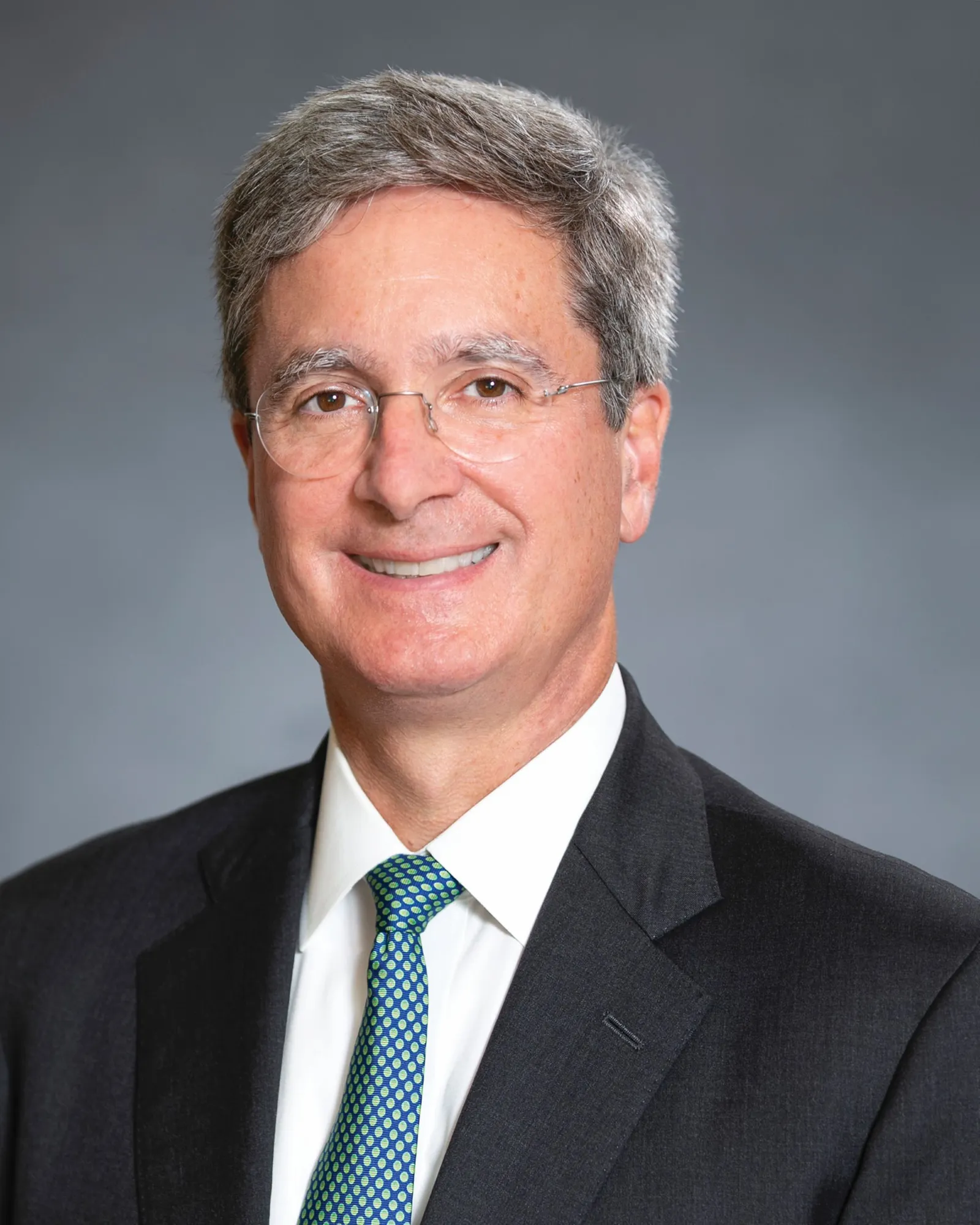










In a significant leadership transition for the world’s financial landscape, HSBC Holdings announced on Thursday that Group Chief Financial Officer Pam Kaur will step down from her role next year. The move marks a pivotal moment for the $3.4 trillion-asset lender, which has been aggressively reshaping its global operations under CEO Georges Elhedery. While Kaur will vacate her position as CFO prior to the bank’s annual general meeting in 2027, her departure is characterized not by an immediate exit, but by a planned transition that will see her remain with the firm as a strategic advisor through the end of 2028.
Kaur’s tenure as CFO, though relatively brief, has been marked by high-stakes restructuring and a remarkable surge in shareholder value. As the first woman to hold the finance chief role in the bank’s history, her exit has prompted both reflection on her contributions and speculation regarding the future trajectory of the London-headquartered banking titan.
The Core Facts: A Planned Transition
The disclosure, filed with regulators on September 10, 2026, confirmed that Kaur will not stand for re-election to the HSBC board at next year’s annual general meeting. Her decision to step down comes as the bank enters a new phase of its strategic evolution.
Following her departure from the CFO seat, Kaur is set to transition into a consulting capacity, where she will report directly to CEO Georges Elhedery. Her mandate will be to advise on "ongoing strategic projects," ensuring that the institutional knowledge she accumulated during her 13-year career at HSBC is not lost during the handover.
"With the bank in a strong place, financially and strategically, 2027 feels the right time in my career to embrace new leadership opportunities and apply my experience in a different context," Kaur stated in a press release. The bank has already initiated a formal search process to identify her successor, considering both internal and external candidates to lead the finance function of one of the world’s most complex banking organizations.
Chronology: A Career of Ascent and Impact
To understand the significance of Kaur’s departure, one must look at the arc of her career within the financial services sector. Kaur joined HSBC in 2013, initially serving as the head of internal audit. Over the subsequent decade, she demonstrated a proficiency for navigating the bank’s dense regulatory and operational environments.
The Path to the C-Suite
- 2013: Kaur joins HSBC, bringing with her extensive experience from previous roles at industry titans including Citi, Lloyds, Royal Bank of Scotland, and Deutsche Bank.
- The Regulatory Years: Before ascending to the CFO role, she served as the Chief Risk and Compliance Officer. This period was critical in establishing her reputation for "strong judgment and integrity," as noted by HSBC Chair Brendan Nelson.
- 2025: Kaur is appointed Group CFO, making history as the first woman to lead the finance department of the banking giant.
- 2025–2026: Under her financial stewardship, the bank pursues a aggressive strategy of shedding non-core assets and streamlining operations.
- September 2026: The announcement of her planned departure occurs, with a transition period extending through December 2028.
Throughout a four-decade career, Kaur has navigated the volatile shifts of the global banking industry, moving from risk management to the highest levels of financial oversight. Her tenure at HSBC has been particularly defined by her ability to align the bank’s fiscal policy with its broader, often controversial, restructuring goals.
Supporting Data: Financial Performance and Market Reaction
Market analysts have reacted to the news with a mixture of surprise and acknowledgment of the value Kaur added during her time as CFO. Edward Firth, a prominent analyst at Keefe, Bruyette & Woods, described the news as "a bit of a surprise," noting that the market had grown accustomed to the stability Kaur brought to the bank’s balance sheet.
Shareholder Value and Restructuring
The data paints a compelling picture of her tenure. Since Kaur ascended to the CFO position at the start of 2025, HSBC’s stock value has appreciated by approximately 125%. This meteoric rise is widely attributed to the bank’s successful execution of its "restructuring and selling off of superfluous parts," as Firth noted in a recent investor memo. By cutting away underperforming business units and focusing on core strengths, Kaur and Elhedery were able to improve margins and investor confidence during a period of macroeconomic uncertainty.
Compensation and Severance
HSBC’s disclosure also provided a transparent look at the financial terms of her departure. Kaur will remain on the payroll, receiving her base salary, cash allowances in lieu of pension, and standard benefits through September 9, 2027. Furthermore, she remains eligible for annual incentive awards for the 2026 and 2027 fiscal years, which will be calculated based on her performance metrics and contributions to the bank’s strategic objectives. Her existing deferred awards are scheduled to vest according to their original timelines, ensuring that her long-term interests remain tethered to the bank’s ongoing performance.
Official Responses: A Legacy of Integrity
The leadership at HSBC has been quick to frame Kaur’s departure as a natural conclusion to a successful chapter rather than a reactionary measure.
HSBC Chair Brendan Nelson emphasized the breadth of her impact, stating, "In her roles in Internal Audit, Risk & Compliance, and Finance, she has demonstrated strong judgment and integrity. She will leave the Group CFO role with our deepest thanks and best wishes."
CEO Georges Elhedery, who has worked closely with Kaur during a period of intense organizational change, echoed these sentiments. "Over the last two years as Group CFO and during her tenure at HSBC, Pam’s deep experience, strong judgment and firm commitment to financial discipline have been invaluable," Elhedery said. "I am grateful for her support and partnership and am pleased this will continue in her capacity as an adviser."
These statements underscore a key point: Kaur’s exit is managed. The decision to retain her as an advisor until the end of 2028 suggests that the bank’s leadership values her strategic counsel, particularly as they continue to navigate the complexities of global banking regulation and the ongoing integration of new technologies.
Implications: A Bank in Flux
Kaur’s departure is the latest in a series of high-profile leadership changes at HSBC, a period that has been described by some observers as "tumultuous." Since Georges Elhedery took the helm, the bank has undergone a radical transformation.
A Culture of Constant Change
The executive suite at HSBC has seen significant turnover. Beyond the CFO role, the bank has installed a new chair, navigated leadership changes at its U.S. unit, and recruited a new head for its private banking division from Citi. Furthermore, the bank has signaled its commitment to the future by creating a new role for an artificial intelligence chief, reflecting the broader industry shift toward digital transformation.
Avoiding the Break-up Narrative
Perhaps the most significant achievement of the Elhedery-Kaur partnership was the successful defense against activist investor pressure to break up the bank. For years, rumors persisted that HSBC would be forced to spin off its Asian business or fundamentally alter its corporate structure. By effectively demonstrating the value of a unified, global platform—and by delivering on the financial metrics that matter most to institutional investors—the current leadership team has largely silenced these calls.
The Path Ahead
The search for a new CFO will be a defining moment for the bank. The incoming finance chief will inherit a leaner, more disciplined organization, but they will also face the pressure of maintaining the momentum that drove the 125% increase in share price over the last two years.
As the banking industry faces headwinds from shifting interest rate environments, the rise of fintech competitors, and geopolitical tensions, the role of the CFO at a institution as globally integrated as HSBC has never been more critical. Kaur’s legacy will be defined by the stability she provided during a period of intense internal reorganization.
For shareholders, the focus now shifts to the identity of her successor. Will the bank promote from within to maintain the current strategic trajectory, or will it seek an external candidate to bring a fresh perspective to the firm’s long-term financial strategy? As the industry watches, one thing is certain: HSBC remains in a state of evolution, and the appointment of a new CFO will be the next major indicator of where this global giant is heading.
While Pam Kaur prepares for her next chapter, the foundation she leaves behind is one of renewed financial health and a clarified corporate identity. Her tenure proves that, even in the most entrenched institutions, change is not only possible but, when managed with precision, can lead to significant rewards.