







Editor’s Note: This article was originally published in May 2019 and has been updated to reflect the evolving financial landscape of 2026.
For millions of Americans, the mounting pressure of high-interest debt is a constant, looming shadow. Whether it is the result of unexpected medical emergencies, the rising cost of living, or the cumulative effect of credit card utilization, the desire to find an immediate exit strategy is universal. When debt becomes unmanageable, consumers are often presented with a buffet of recovery options: Debt Management Plans (DMPs), debt consolidation, debt settlement, or the extreme measure of bankruptcy.
Among these, debt consolidation stands out as a frequent point of interest—a financial tool that promises simplicity and, potentially, lower interest costs. However, in an economy where credit health is the gateway to homeownership, auto loans, and even employment opportunities, understanding the nuances of consolidation is critical.
The Mechanics of Debt Consolidation: A Strategic Overview
At its core, debt consolidation is a financial strategy that involves taking out a new loan or utilizing a specialized credit card to pay off several existing, smaller debts. By moving multiple balances into one, the borrower essentially replaces several disparate monthly payments with a single, streamlined payment.
Why Borrowers Turn to Consolidation
The primary appeal of consolidation is administrative and psychological simplicity. By collapsing multiple high-interest accounts into one, consumers can often secure a lower interest rate, which in turn reduces the total amount of interest paid over the life of the debt. Furthermore, it provides a fixed timeline for repayment, transforming an open-ended cycle of minimum payments into a structured, manageable plan.
However, it is essential to distinguish between managing debt and eliminating debt. Consolidation is not a debt-forgiveness program. It does not erase the principal balance owed; it merely changes the structure of how that balance is repaid.
Chronology of Debt Recovery: From Inception to Resolution
To understand how debt consolidation fits into a long-term financial strategy, one must view the process through a chronological lens.
- The Recognition Phase: The borrower identifies that their debt-to-income ratio is unsustainable and that minimum payments are barely touching the principal due to high interest rates.
- The Inquiry Phase: The consumer researches various consolidation vehicles, such as personal loans, home equity lines of credit (HELOCs), or balance transfer credit cards.
- The Application Phase: The borrower applies for the new credit product. At this stage, a “hard inquiry” is placed on their credit report, causing an immediate, albeit minor, dip in their credit score.
- The Consolidation Phase: Once the loan is funded, the old accounts are paid off. This often leads to a temporary spike in credit utilization ratios, which can positively impact credit scores.
- The Maintenance Phase: This is the most critical period. The borrower must pay the new loan on time while avoiding the temptation to run up balances on the credit cards they just paid off.
- The Resolution Phase: The final payment is made, the loan is closed, and the borrower emerges with a significantly higher credit score and a clean slate.
Supporting Data: The Impact on Credit Health
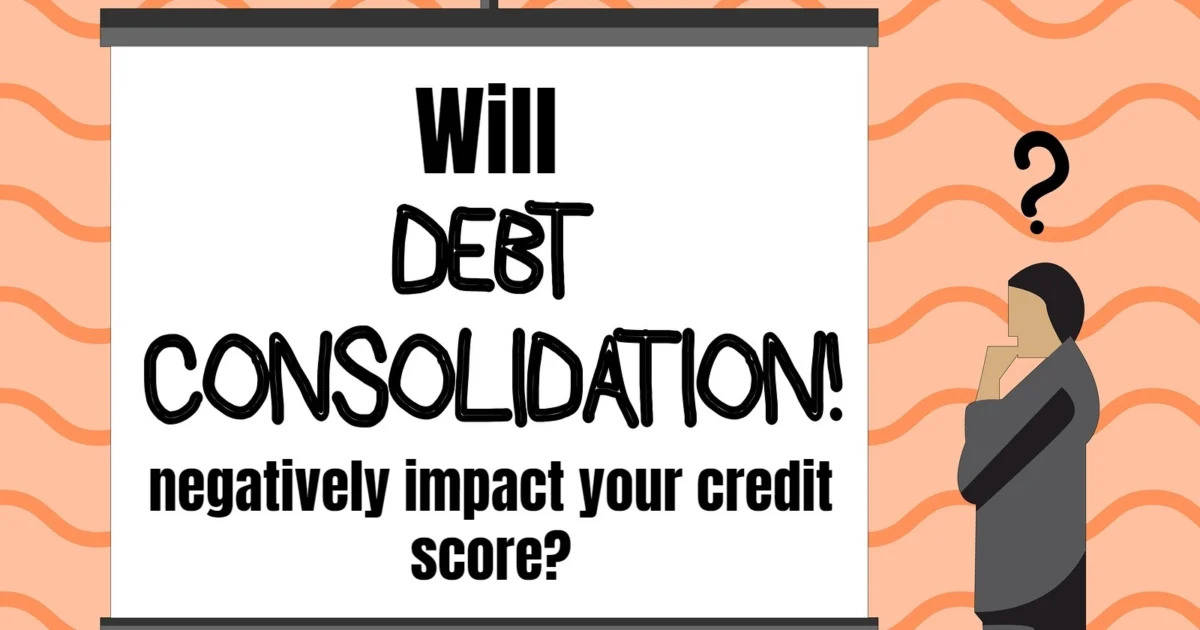
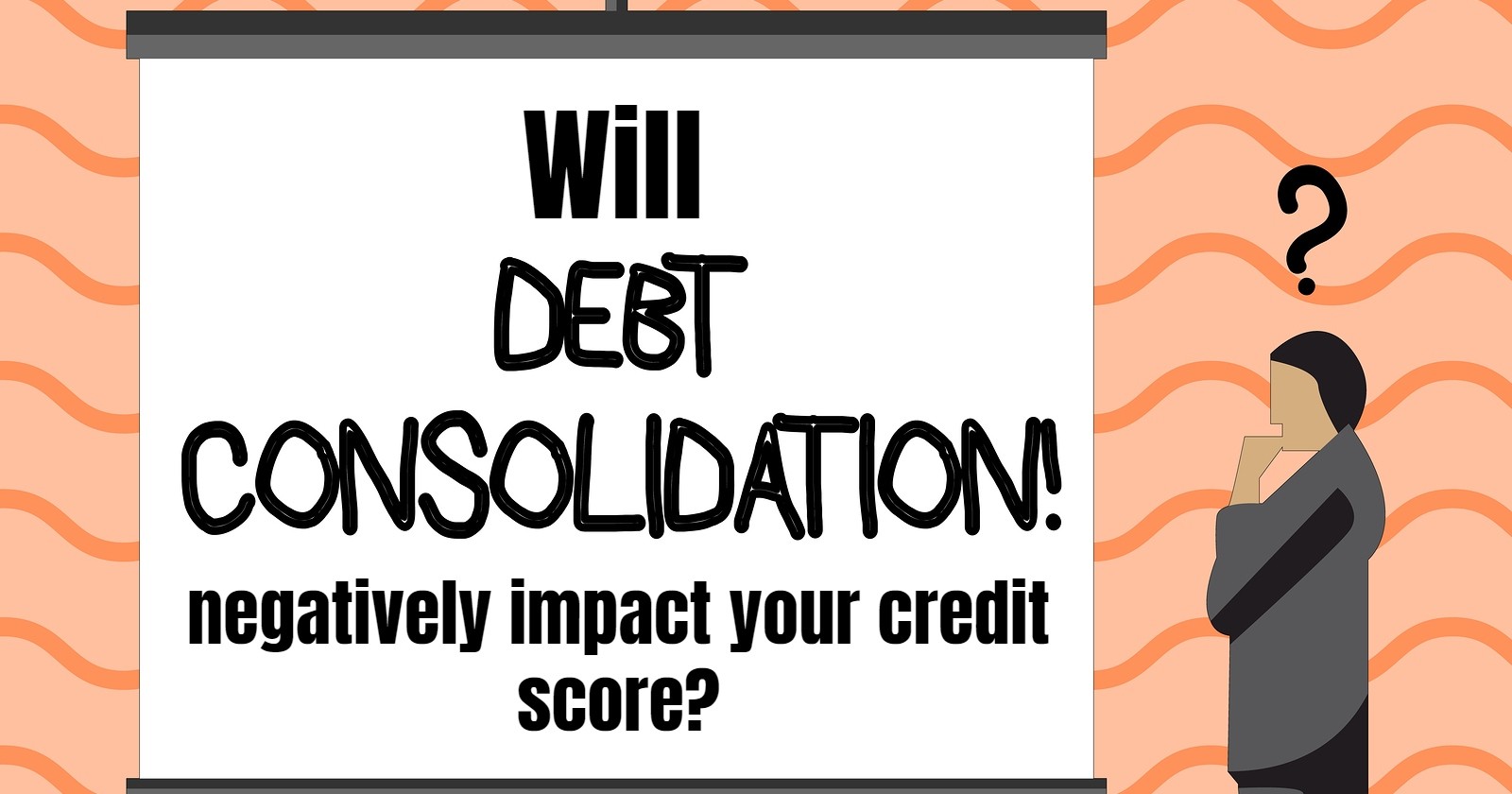
A prevailing myth in personal finance is that debt consolidation automatically ruins credit. The data, however, tells a more complex story.
The Short-Term Dip
When a consumer applies for a consolidation loan, lenders perform a credit check. This hard inquiry usually results in a small reduction in the consumer’s FICO score. Furthermore, if the consumer closes the credit card accounts that were just paid off, they may inadvertently shorten their "average age of accounts," which is a key metric in credit scoring models.
The Long-Term Gains
Conversely, if the consolidation is managed correctly, the long-term implications are overwhelmingly positive. By paying off revolving credit card debt with an installment loan, the borrower’s "credit utilization ratio"—the percentage of available credit currently in use—drops significantly. For many, this is the single most effective way to see a double-digit increase in credit scores over a 12-to-24-month period.
Official Perspectives: The Role of Debt Management Plans (DMPs)
While consolidation is effective for those with good to excellent credit scores, it is not a universal solution. For those who do not qualify for low-interest consolidation loans, or for those whose debt levels are so high that a new loan would not be affordable, official bodies like the National Foundation for Credit Counseling (NFCC) often point toward Debt Management Plans (DMPs).
What is a DMP?
Unlike consolidation, which is often a private arrangement between a consumer and a bank, a DMP is a collaborative process overseen by a certified credit counselor. In a DMP, the counselor works with creditors to lower interest rates and waive late fees. The consumer makes one monthly payment to the credit counseling agency, which then distributes the funds to the various creditors.
According to financial experts, the primary advantage of a DMP is the education component. Borrowers are required to undergo financial counseling, ensuring that they do not repeat the spending patterns that led to the debt in the first place.
Common Pitfalls: Why Consolidation Fails
The most frequent reason debt consolidation fails is the "re-leveraging" phenomenon. When credit cards are paid off via a consolidation loan, those cards suddenly return to a $0 balance. For many, this creates a false sense of financial freedom, leading to renewed spending.
If a borrower uses a consolidation loan to pay off $10,000 in credit card debt, but then proceeds to charge another $5,000 to those same cards, they have effectively increased their total debt load by 50% while adding a new monthly loan payment. This is the "debt trap" that often leads to bankruptcy.
Avoiding the Trap
- Cut the Cards: Many experts advise closing or freezing the cards that were paid off to prevent future use.
- Budgeting: Consolidation should only be attempted after a budget has been established to ensure the new monthly payment is sustainable.
- Interest Rate Discipline: Ensure that the interest rate on the new loan is substantially lower than the average interest rate of the debts being consolidated.
Implications for the Future of Personal Finance
As we move further into 2026, the digital landscape of finance is changing. New fintech apps are emerging that promise "automated debt reduction," but the fundamental principles of debt management remain unchanged.
The primary implication for consumers is that financial literacy is the best form of debt insurance. Whether one chooses consolidation or a DMP, the ultimate goal is to move from a position of dependency on credit to one of financial autonomy.
A Professional Recommendation
If you find yourself paralyzed by the sheer volume of your financial obligations, the most professional course of action is to seek expert guidance. An NFCC-certified credit counselor can provide an objective, non-judgmental assessment of your finances. They can help you run the numbers, compare the cost of a personal loan against a DMP, and help you draft a roadmap for your specific financial situation.
The journey to being debt-free is rarely a straight line, but with the right tools—and the discipline to use them—it is an achievable destination. Remember: a debt consolidation loan is a tool, not a cure. The cure is the long-term commitment to living within your means and prioritizing your financial health over short-term gratification.
Disclaimer: This article is for informational purposes only and does not constitute financial or legal advice. Always consult with a certified financial planner or credit counselor before making significant changes to your debt strategy.