








The Geography of Revenue: An Analysis of U.S. State and Local Sales Taxes in 2026

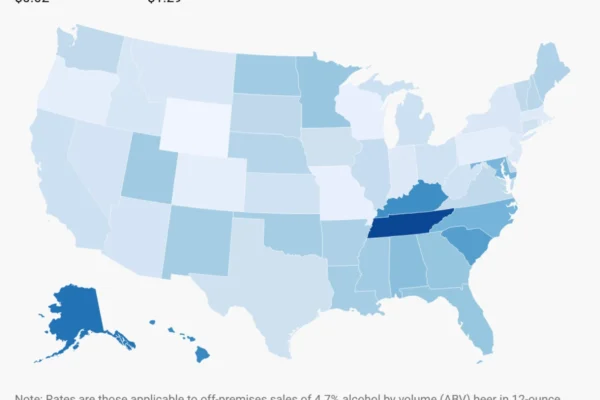
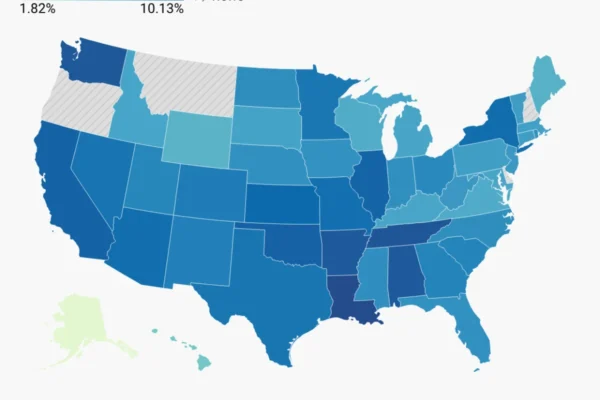
Retail sales taxes remain the bedrock of state fiscal policy, functioning as a primary engine for public services across the United States. As of 2026, these levies account for approximately 32 percent of state tax collections and 13 percent of local tax receipts—representing a significant 24 percent of combined government revenue. While income taxes often…


Read Full News

The Tariff-Expensing Fallacy: Why Full Expensing Cannot Offset Protectionist Costs

In a recent contribution to The Wall Street Journal, former White House Council of Economic Advisers chair Stephen Miran presented an intriguing, albeit mathematically flawed, defense of the Trump administration’s trade policy. Miran argued that the administration’s aggressive tariff regime is not merely a protectionist tool but a functional improvement to the U.S. tax landscape….

Read Full News

The Great AI Tax Debate: Why Disruptive Technology Doesn’t Necessarily Require a New Tax Code

The rapid ascent of artificial intelligence has moved beyond the realm of Silicon Valley boardrooms and into the center of the fiscal policy arena. As generative AI models demonstrate an unprecedented capacity to automate cognitive labor, write code, and analyze complex datasets, a growing chorus of prominent voices—including tech luminaries Mark Cuban and billionaire philanthropist…

Read Full News

The Illusion of the "Hard Work Bonus": Why Reform UK’s Overtime Tax Proposal Faces Economic Scrutiny

In the shifting landscape of British political economy, Reform UK has introduced a bold, populist proposition: the total exemption of overtime pay from income tax for those earning under £75,000. Framed as a “hard work bonus,” the policy is designed to put more money into the pockets of the working class, incentivize increased productivity, and…

Read Full News

The UN Tax Power Shift: Why Europe is Abandoning the OECD for an Uncertain Future

The landscape of international taxation is undergoing a profound tectonic shift. For decades, the Organization for Economic Cooperation and Development (OECD) has served as the primary arbiter of global tax norms, acting as the "rich countries’ club" where fiscal policy was harmonized among the world’s leading economies. However, a significant pivot is currently underway: European…

Read Full News

The Hidden Costs of HB 1678: Why Pennsylvania’s Proposed Digital Advertising Tax Faces Economic and Legal Hurdles

As Pennsylvania lawmakers weigh the merits of House Bill 1678, a proposal that would extend the Commonwealth’s existing gross receipts tax (GRT) to digital advertising services, the debate has moved beyond simple fiscal math. While proponents argue that the measure is a necessary step toward modernizing the tax code and ensuring large tech corporations pay…

Read Full News

The Digital Tax Dilemma: Why Unilateral Measures Are Stalling Global Reform

Introduction: A Tax System Out of Sync with the Digital Age For over a century, the bedrock of international taxation has been the principle of "physical presence." Multinational corporations generally pay corporate income tax (CIT) in jurisdictions where they maintain a physical footprint—factories, offices, or warehouses. However, the rise of the digital economy has rendered…

Read Full News

The Transparency Trap: Why New Global Tax Disclosures May Mislead the Public

A significant transformation in corporate reporting is currently underway, setting the stage for a wave of new tax disclosures starting in 2026. Driven by shifting mandates from the European Union, Australia, and the U.S. Financial Accounting Standards Board (FASB), large multinational corporations are being compelled to pull back the curtain on their jurisdictional financial data….

Read Full News