









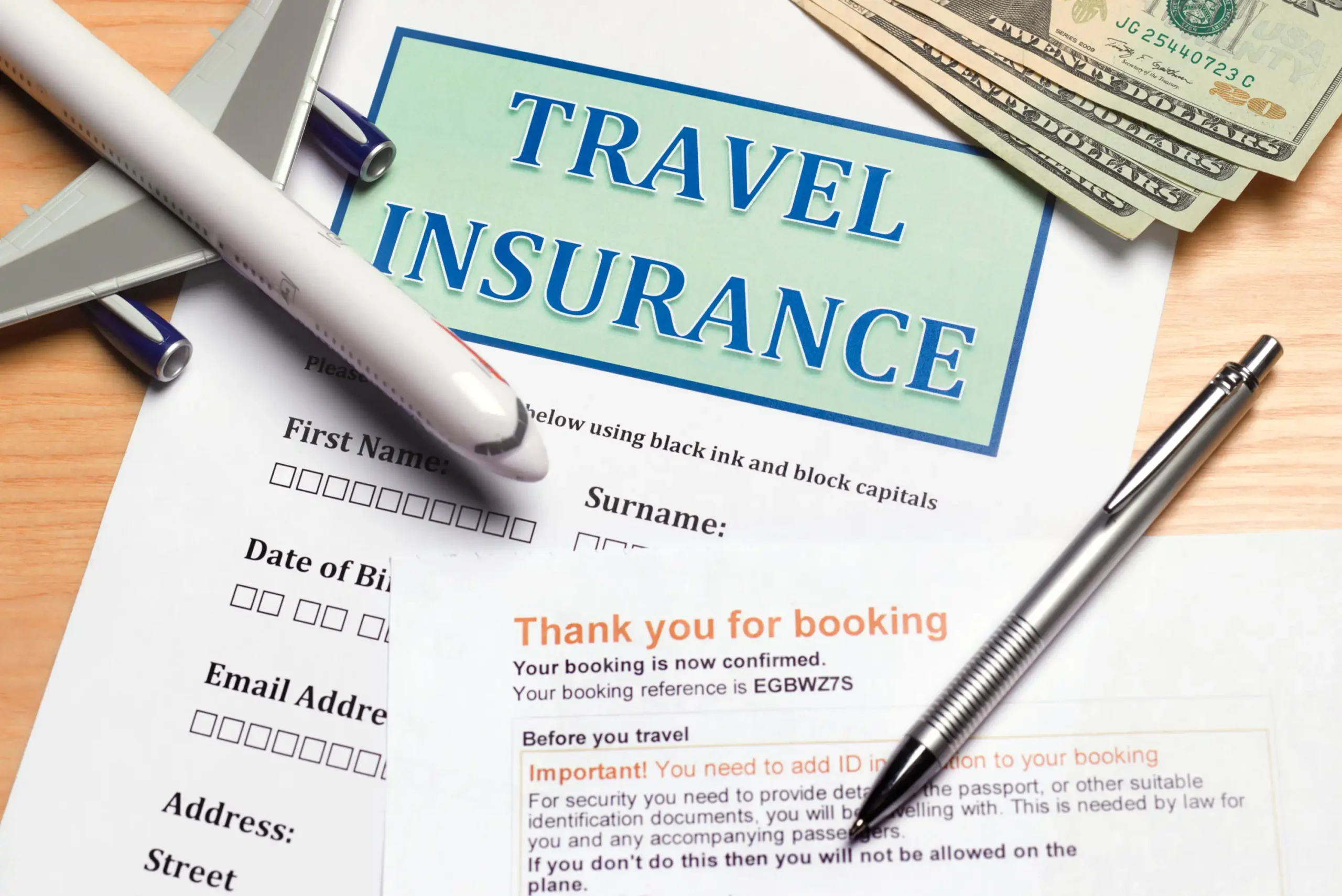
Whether you are cutting a dream vacation short due to an unexpected family emergency, stranded at an international terminal because of severe winter storms, or grappling with political instability abroad, travel disruptions are an unfortunate reality of modern mobility. While millions of travelers traverse the globe smoothly every year, a significant percentage encounter roadblocks that can rapidly drain personal savings.
Travel insurance cannot stop a hurricane from grounding your flight or prevent an unexpected illness overseas. However, it can serve as a vital financial safety net, absorbing the economic shocks of travel mishaps and shielding your hard-earned budget from catastrophic loss.
Main Facts: Understanding the Fundamentals of Travel Insurance
At its core, travel insurance is designed to mitigate the financial impacts of common and extraordinary travel problems. Policies are sold either for single trips or defined time frames—typically one year—with options for indefinite renewal.
Similar to home, auto, or health insurance, basic travel policies cover specific, pre-defined events up to predetermined coverage limits. The limits you select directly determine your policy’s premium, which is paid upfront or upon annual renewal. Covered risks and exclusions vary significantly depending on the policy type, the insurer’s underwriting guidelines, and your personal travel preferences.
Industry data reveals that comprehensive travel insurance generally costs between 4% and 10% of total nonrefundable trip expenses, with the average comprehensive plan hovering around 5% to 6%. With the average insured trip now costing nearly $8,000 according to recent market metrics, securing a policy has become an essential step for risk-conscious travelers.
Chronology and Evolution of Travel Protection: How the Market Shaped Up
Travel insurance is not a new concept, but its products, consumer demand, and policy structures have evolved dramatically over the last few decades.
- The Early Era: Historically, travel insurance was synonymous with basic flight accident or simple baggage loss coverage, often purchased at airport kiosks right before boarding.
- The Shift to Comprehensive Plans: As global tourism expanded in the late 20th century, insurers introduced comprehensive package policies. These bundled trip cancellation, interruption, emergency medical, and baggage protection into cohesive single-trip plans.
- The Rise of Annual and Niche Policies: To accommodate frequent business flyers, digital nomads, and study-abroad students, insurers rolled out annual multi-trip plans and specialized medical products.
- The Modern Era (Post-Pandemic and Beyond): Recent global disruptions—ranging from sudden geopolitical conflicts to widespread airline meltdowns and health outbreaks—permanently altered consumer behavior. Demand for specialized products like "Cancel for Any Reason" (CFAR) riders surged to historic highs, with roughly 10% of all travel insurance policies sold featuring CFAR coverage by late 2025.
Supporting Data and Coverage Breakdown: What Policies Actually Cover
Depending on the structure chosen, travel insurance can offer broad protection or a narrow set of targeted guarantees. Understanding the various categories helps travelers match their itinerary to the correct policy.
1. Trip Insurance (Single vs. Annual)
Trip insurance is the most comprehensive tier available.
- Single Trip Policies: Cover discrete vacations or business trips from departure to return. They feature generous trip cancellation and interruption benefits.
- Annual Trip Policies: Designed for frequent travelers, these run for a year and can be renewed indefinitely. While cost-effective per day, standard annual policies traditionally offer limited or zero trip interruption and cancellation coverage unless added via a supplemental rider.
2. Core Protections Within Trip Insurance
- Trip Cancellation: Reimburses prepaid, nonrefundable expenses (airfare, hotels, rental cars) if you must cancel due to covered reasons like illness, injury, or severe weather. Limits typically range from $1,000 to $10,000+.
- Trip Interruption: Applies when a trip is cut short mid-journey, reimbursing unused expenses and return travel costs.
- Travel Delay: Reimburses out-of-pocket expenses (hotel rooms, meals) caused by long delays, usually lasting six hours or more.
- Missed Connection: Covers rebooking fees and transit costs if a common carrier delay causes you to miss a cruise, tour, or connecting flight.
- Baggage Loss, Damage, or Delay: Compensates travelers for lost, stolen, or damaged luggage, or provides emergency funds for essential items (toiletries, clothing) if bags are delayed past 24 hours.
- Emergency Medical Reimbursement & Transportation: Critical for international travel where domestic health plans do not apply. Comprehensive plans frequently offer $50,000 to $250,000+ in medical coverage and upwards of $500,000 for emergency medical evacuation (such as air ambulances).
3. Specialized Insurance Products
- Travel Medical Insurance: Focuses strictly on health care and medical transport outside your home country. Ideal for backpackers or those with domestic health insurance that stops at the border.
- Travel Evacuation Insurance: Coordinates and pays for urgent extractions due to medical crises, natural disasters, or sudden civil unrest.
- Cancel for Any Reason (CFAR): An optional add-on that increases base premiums by 40% to 60% but allows policyholders to cancel for any reason not explicitly listed in standard policies, refunding 50% to 75% of nonrefundable costs.
Official Responses and Industry Insights
Insurance regulators, consumer advocacy groups, and travel trade associations continually monitor the travel insurance landscape. Industry experts consistently emphasize two vital rules when shopping for coverage: timing and underwriter reputation.
Consumer protection agencies strongly advise purchasing travel insurance simultaneously with—or immediately after—making your initial trip deposits. Most insurers enforce a strict 14- to 21-day window following your first booking. Purchasing outside this window can trigger exclusions for pre-existing medical conditions, carrier bankruptcies, and eligibility for CFAR add-ons.
Furthermore, trade groups warn against relying blindly on "in-house" insurance marketed directly by tour operators or cruise lines. If a financially unstable tour operator goes bankrupt before your departure, policies underwritten directly by that company are unlikely to honor claims. Experts recommend third-party underwriters with proven solvency, such as Allianz Travel Insurance, Travel Guard, or specialized tech-forward providers like Faye.
Implications: How to Choose the Right Policy for Your Needs
Navigating the market requires balancing risk, cost, and personal circumstances. Consider the following factors before purchasing your next policy:
- Your Destination: Overseas travel demands robust emergency medical and evacuation coverage. Medical care abroad can be prohibitively expensive, and repatriation of remains is a logistical nightmare for unassisted families.
- Frequency of Travel: If you take three or more trips a year, an annual multi-trip plan will likely yield a lower per-day cost than buying individual single-trip policies.
- Trip Investment: If your vacation totals thousands of dollars in nonrefundable deposits, spending a few hundred dollars on insurance acts as cheap protection against total financial loss.
- State Regulations: Insurance availability varies by state. Certain benefits, such as CFAR riders, may be restricted or unavailable depending on your home zip code.
- Existing Health and Property Policies: Audit your current health insurance, renters/homeowners insurance, and credit card perks. Many premium credit cards offer modest travel delay or baggage protections, but they rarely substitute for comprehensive medical evacuation and trip cancellation coverage.
Final Word
It is often said that money cannot buy happiness, but anyone who has weathered a major travel disaster safely insured knows that money can buy peace of mind. Travel insurance will not prevent a cancelled flight or stop an unexpected medical crisis from occurring, but it guarantees that an unfortunate event does not translate into financial ruin. By assessing your risks, reading the fine print, and selecting a policy tailored to your itinerary, you free yourself to focus on the true purpose of travel: exploration, discovery, and unforgettable experiences.