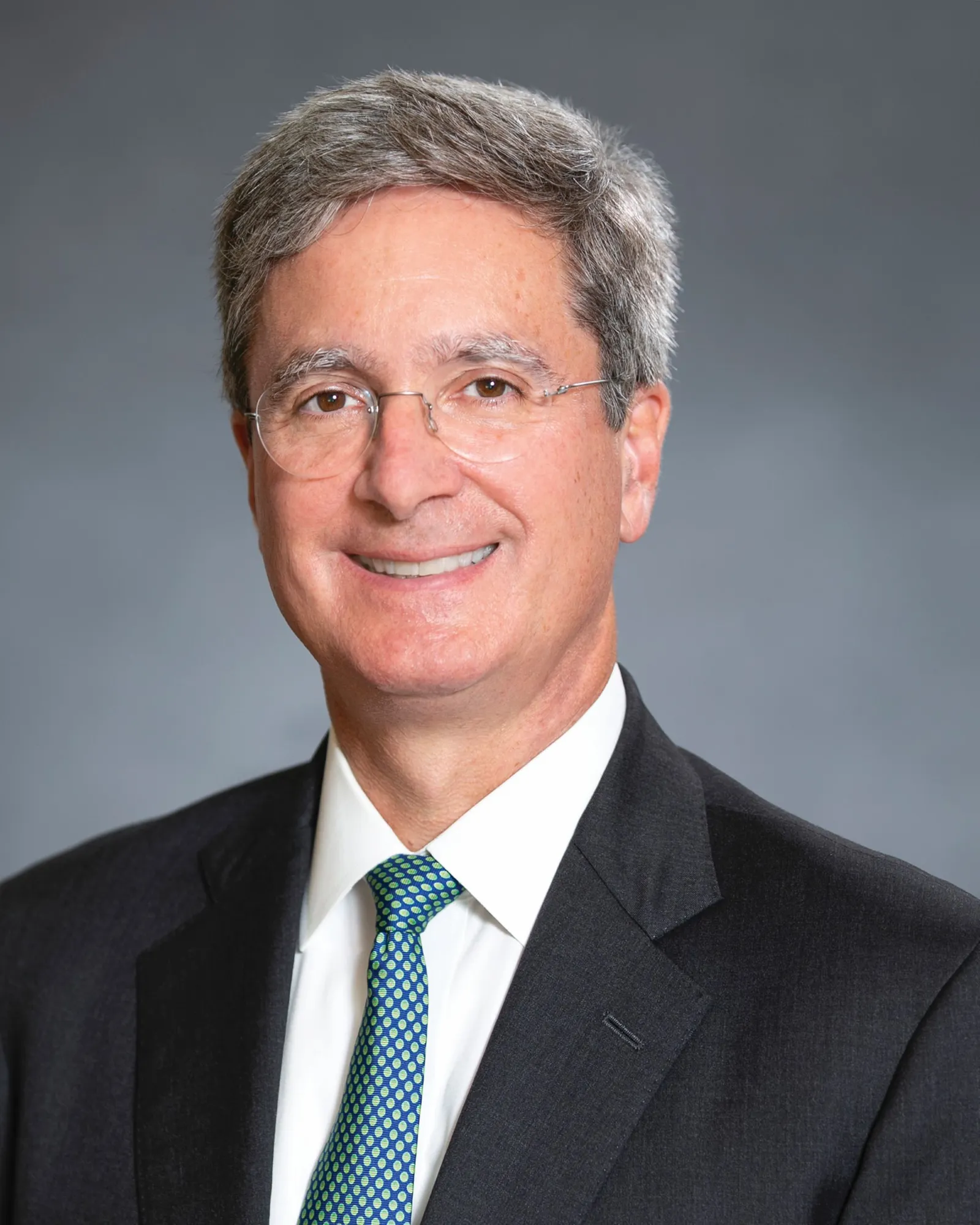








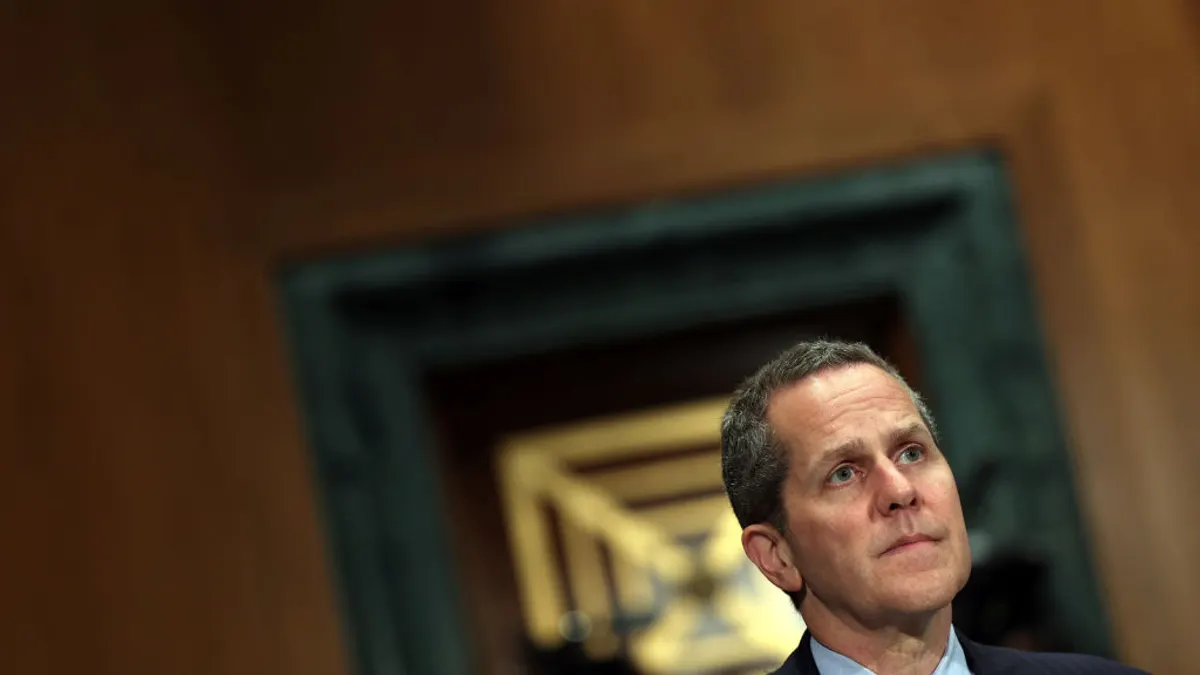
WASHINGTON, D.C. — In a stinging rebuke of the current trajectory of American financial oversight, Federal Reserve Vice Chair for Supervision Michael Barr delivered a landmark address at American University on Saturday, June 6, 2026. Barr, a central figure in the post-2008 regulatory architecture, warned that the United States is currently undergoing the "most significant deregulation of the banking system" since the Global Financial Crisis, a shift he argues prioritizes short-term economic stimulation over long-term structural stability.
The speech comes at a time of profound transition within the Federal Reserve and the broader regulatory landscape. Over the past 17 months, a series of proposals and enacted changes have systematically rolled back safeguards established by the Dodd-Frank Act and subsequent international standards. Barr’s remarks serve as a formal dissent against what he characterizes as a "deregulatory spree" that risks repeating the catastrophic errors of the early 2000s.
Main Facts: The Retreat from Post-Crisis Safeguards
At the heart of Governor Barr’s concern is a fundamental shift in the philosophy of bank supervision. Since early 2025, Trump-appointed regulators across the Federal Reserve, the FDIC, and the OCC have pursued an aggressive agenda aimed at "unleashing" the banking sector by reducing compliance costs and lowering capital requirements.
According to Barr, the cumulative effect of these changes is a 6% reduction in the amount of capital that the nation’s largest, most systemically important banks are required to hold. In absolute terms, this represents a $60 billion withdrawal from the financial system’s collective "rainy-day fund." Capital acts as a shock absorber; when a bank suffers losses on loans or investments, its capital allows it to absorb those hits without collapsing or requiring a taxpayer-funded bailout.
"Deregulation can cause an economic ‘short-term sugar high,’" Barr told the audience of students, economists, and policymakers. "It feels like growth, and it looks like efficiency. But history—bitter and recent history—shows us that these gains are often illusory, masking the buildup of risks that eventually impose devastating costs on the jobs, financial security, and dreams of every American."
Barr’s critique extended beyond mere numbers. He argued that the current trend is "tipping the imperative balance" between innovation and safety. By weakening liquidity requirements and reducing the transparency of stress tests, Barr contends that regulators are effectively blinding themselves to the very risks they are paid to monitor.
Chronology: 17 Months of Regulatory Rollbacks
The current friction within the Federal Reserve is the result of a steady sequence of policy shifts that began shortly after the political realignment of 2024.
- January 2025 – May 2025: Following a change in administrative priorities, new leadership at the Office of the Comptroller of the Currency (OCC) and the FDIC began reviewing the "Basel III Endgame" proposals—a set of international standards designed to harmonize bank capital requirements globally.
- October 2025: The Federal Reserve proposed a significant change to its annual stress testing regime. The proposal sought to disclose more granular details about how the Fed calculates potential losses under economic stress. While industry lobbyists cheered the move as a win for "transparency," Barr issued a sharp dissent, arguing that disclosing the "answer key" would allow banks to "teach to the test," gaming the system to hide vulnerabilities.
- March 2026: A major capital requirements overhaul was finalized. This move officially lowered the capital buffers for the largest "G-SIBs" (Global Systemically Important Banks). Barr again opposed the measure, warning it would trigger a "race to the bottom" among international regulators, as other nations might feel pressured to lower their own standards to keep their banks competitive with U.S. institutions.
- May 2026: The Consumer Financial Protection Bureau (CFPB), under new leadership, announced a series of "regulatory relief" measures, scaling back enforcement on predatory lending and fee disclosures.
- June 6, 2026: Barr’s speech at American University marks his most public and comprehensive indictment of these policies to date, framing them not as isolated adjustments but as a wholesale retreat from the post-2008 consensus.
Supporting Data: The $60 Billion Buffer Gap
To understand the gravity of Barr’s warning, one must look at the technical data regarding bank capitalization. Academic research, much of which is cited by the Fed’s own staff, suggests that the "optimal" level of capital for large banks is significantly higher than pre-2008 levels.
Barr noted that current U.S. capital standards are already at the "low end" of the optimal range. The 6% reduction ($60 billion) takes the system even further away from that safety zone.
Key Metrics Impacted:
- Common Equity Tier 1 (CET1) Ratio: The primary measure of a bank’s core equity capital compared with its total risk-weighted assets. The recent rollbacks have effectively lowered the "Stress Capital Buffer" (SCB) component of this ratio for the nation’s top 30 banks.
- Liquidity Coverage Ratio (LCR): Recent proposals have suggested softening the requirements for banks to hold high-quality liquid assets (HQLA) that can be converted into cash during a 30-day stress scenario.
- The "Basel III" Divergence: By moving away from the Basel III standards, the U.S. is becoming an outlier among G20 nations. This divergence complicates international bank resolution strategies—the plans for how to wind down a failing global bank without causing a worldwide contagion.
Barr highlighted that while $60 billion might seem like a small fraction of the trillions held by the U.S. banking system, the leverage effect means that a $60 billion loss in capital can lead to a contraction of hundreds of billions of dollars in credit during a crisis, as banks scramble to shore up their balance sheets.

Official Responses: A Divided Board
The reaction to Barr’s speech within the Federal Reserve and the broader government has been polarized, reflecting a deep ideological divide.
The Deregulatory Camp:
Governor Michelle Bowman, who has frequently clashed with Barr, has argued that the post-2008 regulations were "over-calibrated." In previous statements, Bowman has suggested that excessive regulation has pushed banking activities into the "shadow banking" sector—non-bank financial institutions that are less regulated and harder to monitor. Supporters of the current changes argue that by reducing the burden on traditional banks, the Fed is actually bringing more financial activity back into a supervised environment.
The Administration’s View:
Treasury officials have defended the recent proposals as necessary to stimulate lending to small businesses and first-time homebuyers. They argue that the "safety and soundness" of the system is not in jeopardy and that the U.S. banking sector remains the best-capitalized in the world. They view Barr’s warnings as "alarmist" and "backward-looking."
The Minority Dissent:
Barr is not entirely alone. Several consumer advocacy groups and a handful of progressive lawmakers have echoed his concerns. Senator Sherrod Brown (D-OH), in a brief statement following the speech, praised Barr for "standing up to the Wall Street lobbyists who have a short memory and even shorter-term interests."
Implications: The Ghost of 2008 and the Future of Stability
The implications of this regulatory retreat are twofold: one immediate and one long-term.
In the Immediate Term:
The reduction in capital and liquidity requirements will likely lead to higher bank profits and potentially more aggressive stock buyback programs. This is the "sugar high" Barr referenced—a boost in share prices and executive bonuses that creates an aura of prosperity. It may also lead to a slight easing of credit conditions, making it easier for some businesses to obtain loans in the short term.

In the Long Term:
The long-term risks are more shadowed but potentially more devastating.
- Moral Hazard: By signaling that regulations will be eased whenever the political winds shift, the government reinforces "moral hazard." Banks may take greater risks, operating under the assumption that if things go wrong, they are still "too big to fail" and the government will have no choice but to intervene.
- Systemic Fragility: Without the $60 billion in capital that Barr defended, the system has less margin for error. In the event of an exogenous shock—be it a geopolitical crisis, a cyberattack on the financial grid, or a sudden burst in a property bubble—the path from a localized loss to a systemic collapse becomes much shorter.
- Global Fragmentation: The U.S. move toward deregulation could fracture the global financial regulatory framework. If the world’s largest financial market ignores international standards, the "Basel" system may collapse, leading to a fragmented global economy where capital cannot flow as easily or safely across borders.
Conclusion
Michael Barr’s speech at American University is likely to be remembered as a "line in the sand" moment. As Vice Chair for Supervision, his role is specifically designed to be the "watchman" of the financial system. By choosing to speak so forcefully against the very board he sits on, Barr has highlighted a growing crisis of consensus in American financial governance.
The "sugar high" of deregulation may indeed provide a temporary boost to the 2026 economy, but as Barr warned, the bill for that high will eventually come due. The question for the American public and global markets is whether the financial system will have enough "ballast" to survive when the inevitable storm arrives. For now, the "most significant deregulation since the Global Financial Crisis" continues apace, despite the urgent warnings of the man tasked with overseeing it.