








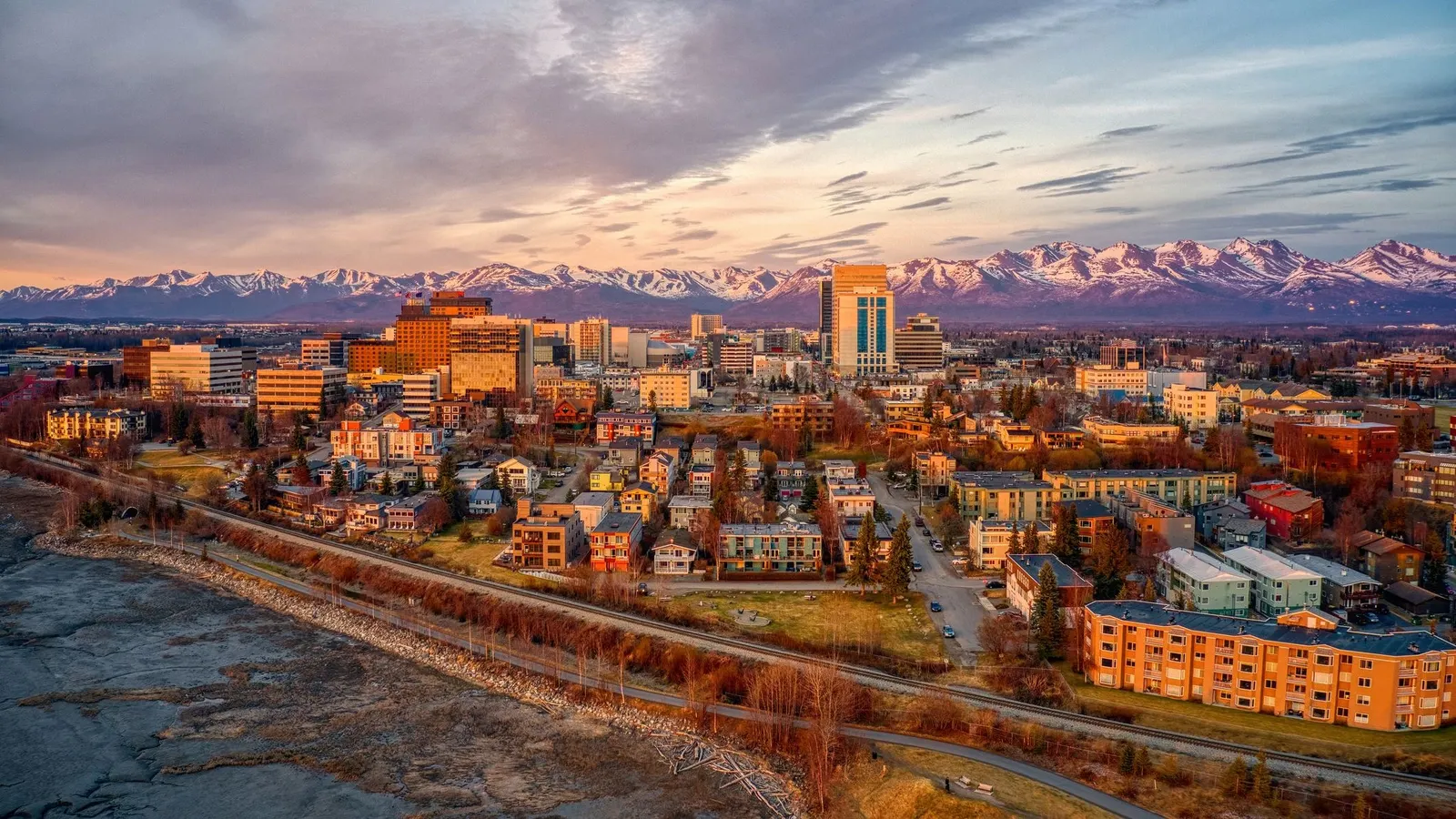
ANCHORAGE, AK – In a move that signals a significant shift in the competitive landscape of West Coast community banking, Northrim BanCorp, Inc. (NASDAQ: NRIM), the parent company of Northrim Bank, has announced a definitive agreement to acquire People’s Bank of Commerce (OTC: PBCO), headquartered in Medford, Oregon. The strategic merger, valued at approximately $32.36 per share, will create a regional powerhouse with $4.2 billion in total assets and a bolstered presence spanning from the Arctic Circle to the Rogue Valley.
The deal, announced on July 23, 2026, represents a bold geographic leap for the Anchorage-based Northrim. By absorbing one of Southern Oregon’s most prominent community lenders, Northrim is not only diversifying its balance sheet but also establishing a contiguous growth corridor through its existing asset-based lending operations in Washington state.
Main Facts: The Structure of the Deal
The transaction is structured as a stock-for-stock merger, reflecting a high degree of confidence from both boards of directors in the long-term value of the combined entity. Under the terms of the agreement, shareholders of People’s Bank of Commerce (PBCO) will receive 1.160 shares of Northrim common stock for each share of PBCO they hold.
Based on Northrim’s closing stock price of $27.90 on the eve of the announcement, the deal values PBCO at roughly $32.36 per share. This represents a significant premium for PBCO investors and underscores the value Northrim places on the Oregon bank’s deposit franchise and local market share.
Key structural components of the deal include:
- Shareholder Equity: Upon completion of the merger, former PBCO shareholders will own approximately 21% of the combined company.
- Board Representation: To ensure cultural and strategic continuity, one director from the PBCO board will be appointed to the boards of both Northrim BanCorp and Northrim Bank.
- Employee Equity: Restricted stockholders of PBCO will receive the same 1.160 exchange ratio, while PBCO phantom stock units will be settled in cash.
- Tax Implications: The merger is intended to qualify as a tax-free reorganization for PBCO shareholders, a critical factor in securing shareholder approval.
The combined institution will operate under the Northrim Bank brand, though leadership has emphasized that the transition will prioritize the retention of local talent and the preservation of the customer-facing relationships that have defined People’s Bank of Commerce for nearly three decades.
Chronology: From Local Lenders to Regional Contenders
The merger brings together two institutions with deep roots in their respective territories, each born from a desire to provide a more personalized alternative to "Big Bank" corporate lending.
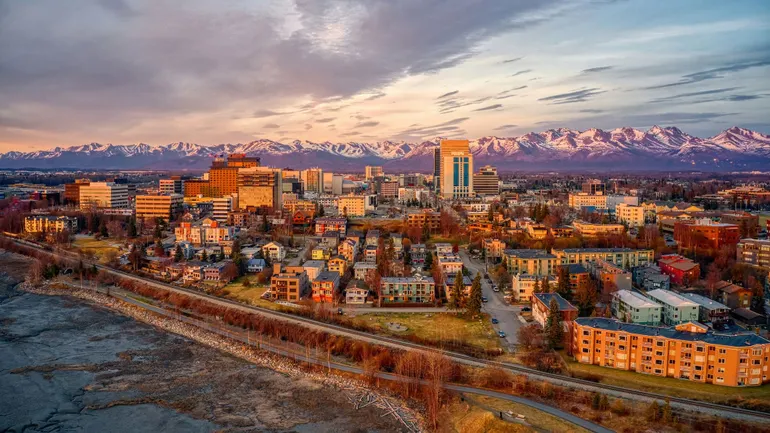
The Rise of Northrim (1990–2026)
Northrim Bank was founded in 1990 in Anchorage, Alaska, at a time when the state’s banking sector was undergoing significant upheaval. Over the ensuing 36 years, Northrim established itself as a cornerstone of the Alaskan economy, specializing in commercial and industrial lending, particularly for the state’s unique logistics, fishing, and resource extraction sectors.
In recent years, Northrim began eyeing expansion outside of the "Last Frontier." Its first major move into the Lower 48 was the establishment of Northrim Funding Services, a division based in Bellevue, Washington, focusing on factoring and asset-based lending. This acquisition of People’s Bank of Commerce marks the next logical step in its southward expansion.
The Growth of People’s Bank of Commerce (1998–2026)
Founded in 1998 in Medford, Oregon, People’s Bank of Commerce was designed to serve the specific needs of Southern Oregon’s small businesses and agricultural community. Over 28 years, PBCO grew through a mix of organic expansion and strategic acquisitions of its own, eventually becoming a dominant force in the Medford, Ashland, and Grants Pass markets.
By 2026, PBCO had reached a critical mass where further growth required significant investment in digital infrastructure and regulatory compliance—investments that are often more efficiently managed through a larger platform.
The Path to Merger
The negotiations leading up to the July 23 announcement were reportedly driven by a shared vision of "community banking at scale." Both institutions entered 2026 with strong capital positions, making it an opportune time to consolidate. Following the announcement, the banks will move into a regulatory review period, with the deal expected to close following customary approvals from the FDIC, the Alaska Division of Banking and Securities, and the Oregon Department of Consumer and Business Services.
Supporting Data: A Financial Snapshot
The financial profile of the combined company suggests a robust, well-capitalized institution capable of competing with larger regional players like Umpqua or Columbia Bank.
Pro Forma Financials
- Total Assets: $4.2 billion
- Total Loans: $3.0 billion
- Total Deposits: $3.5 billion
- Branch Network: 32 physical locations (distributed across Alaska and Oregon)
- Ancillary Services: Integrated factoring and asset-based lending via the Washington-based Northrim Funding Services.
Market Dynamics
The acquisition allows Northrim to balance its portfolio. While the Alaskan economy is often tied to energy prices and federal spending, the Oregon market offers exposure to a diverse array of sectors, including healthcare, technology, wine production, and tourism.

The $32.36 valuation per PBCO share reflects a strategic premium intended to capture PBCO’s low-cost deposit base. In a high-interest-rate environment, "sticky" community bank deposits are highly prized assets, as they provide a cheaper source of funding for loan growth compared to wholesale market rates.
Official Responses: Leadership’s Vision
The CEOs of both institutions have framed the merger not as a "takeover," but as a partnership designed to leverage the strengths of both organizations.
Mike Huston, CEO of Northrim Bank, emphasized the cultural alignment between the two banks. "Both Northrim and People’s Bank share a core value that community banking is built on strong relationships, local expertise, and commitment to our communities," Huston stated. "Together, we expect to be able to invest more in our people, technology, customer experience, and community organizations, while preserving the personalized service and local decision-making that have defined our banks for decades."
Huston’s comments suggest that Northrim intends to maintain the "Medford management" model, ensuring that Oregon clients still deal with the bankers they know, even as the sign on the door changes.
Julia Beattie, CEO of People’s Bank of Commerce, echoed these sentiments, highlighting the benefits of increased resources. "Partnering with Northrim gives us the opportunity to enhance the products, services, and resources available to our customers while maintaining the personal relationships and local decision-making that define People’s Bank," Beattie said. "Together, we believe we will be better positioned to support the continued growth and success of our customers and the communities we serve."
For Beattie, the deal provides PBCO with the "back-office" muscle of a $4 billion institution, allowing the Oregon team to focus on business development and client service without the administrative burdens of a smaller independent bank.
Implications: The Future of Community Banking in the PNW
The Northrim-PBCO merger carries several significant implications for the banking industry in the Pacific Northwest and the broader trend of financial consolidation.

1. The "Scale or Fail" Imperative
The merger highlights a growing reality in 2026: community banks under $1 billion in assets face increasing pressure. The costs of cybersecurity, mobile banking technology, and anti-money laundering (AML) compliance have risen exponentially. By reaching the $4 billion mark, Northrim achieves a "Goldilocks" size—large enough to afford sophisticated technology and specialized lending teams, but small enough to remain agile and responsive to local needs.
2. The Alaska-Oregon Economic Bridge
This acquisition creates a unique economic corridor. There has long been a historical and commercial link between Alaska and the Pacific Northwest, with much of Alaska’s supply chain flowing through Washington and Oregon ports. By owning a bank that spans these regions, Northrim can now service commercial clients that operate across state lines, such as shipping companies, seafood processors, and construction firms that move equipment between the Lower 48 and the North Slope.
3. Branding and Local Identity
A major challenge for Northrim will be brand adoption. People’s Bank of Commerce has a very high "trust equity" in Southern Oregon. While the branches will take on the Northrim name, the success of the merger will depend on whether Oregon customers feel the bank remains "local." The decision to keep PBCO employees in management roles is a strategic move to mitigate "merger churn," where customers leave for other local banks during a transition.
4. Technological Synergy
With a larger capital base, the combined Northrim can accelerate its digital transformation. In the 2026 banking environment, the "customer experience" is increasingly defined by the quality of the mobile app and the speed of digital loan approvals. Northrim’s ability to roll out these features across its new Oregon footprint will be a key metric for the merger’s success.
5. Regulatory Scrutiny
While this merger is relatively small compared to national bank tie-ups, it occurs at a time when regulators are looking more closely at regional consolidation. However, because Northrim and PBCO have virtually no geographic overlap (Alaska vs. Oregon), the deal is unlikely to raise antitrust concerns regarding market concentration. Instead, it will likely be viewed as a healthy diversification of a regional bank.
Conclusion
The acquisition of People’s Bank of Commerce by Northrim Bank is more than just a financial transaction; it is a strategic repositioning of two community-focused institutions for the mid-21st century. By combining Alaska’s industrial lending prowess with Oregon’s diverse commercial base, Northrim is building a resilient, multi-state platform. As the deal moves toward its expected closing, the banking industry will be watching closely to see if this "North-South" partnership can serve as a blueprint for other regional lenders looking to survive and thrive in an era of rapid consolidation.