








In an era where digital presence dictates commercial success, small business owners are constantly racing to bridge the gap between their ambitious marketing visions and the technical limitations of their resources. Today, that gap has narrowed significantly. Google Workspace has officially announced a transformative upgrade to its video creation platform, Google Vids, introducing two groundbreaking features: Gemini Omni and Personalized Avatars.
These tools represent a paradigm shift in how small-to-medium enterprises (SMEs) produce promotional content. By leveraging generative AI, Google is effectively democratizing high-end video production, allowing business owners to pivot from text-heavy marketing to dynamic, high-engagement visual storytelling without the traditional requirements of professional videography, editing software, or studio space.
The Core Innovation: Gemini Omni and Digital Avatars
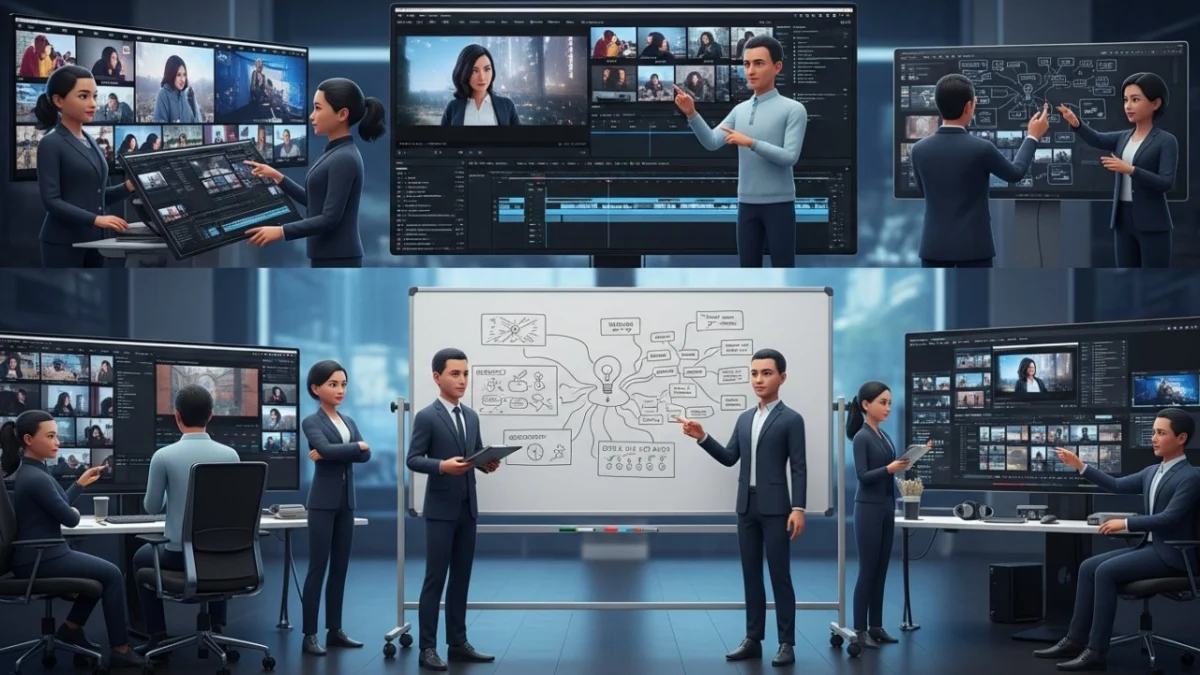
The integration of Gemini Omni into the Google Vids ecosystem marks a departure from traditional drag-and-drop editing interfaces. At its heart, Gemini Omni acts as a sophisticated creative director that lives within the workspace. By interpreting natural language prompts, the AI can synthesize high-quality video clips, sequence scenes, and refine narrative flow.
Gemini Omni: The Generative Engine
Gone are the days of laboring over complex timeline-based editors. Gemini Omni allows users to generate visual assets from written descriptions. Whether it is creating a crisp product demo for an e-commerce store or a fast-paced tutorial for a service-based business, the AI handles the heavy lifting of assembly. Google has positioned this as a solution to the "time-poverty" trap that plagues most small business owners.
The Rise of Personalized Avatars
Perhaps the most intriguing addition is the ability to generate digital avatars. For entrepreneurs who are camera-shy, lack a professional filming setup, or simply do not have the time for multiple "takes," this feature offers a solution. Users can create a digital likeness that conveys their message, ensuring that the brand remains personal and human-centric without the logistical nightmare of a full-scale video production shoot.
Chronology of Development: From Concept to Reality
The journey to this announcement has been marked by a clear trajectory in Google’s product roadmap, focusing on AI-first integration across its enterprise suite.
- Early 2023: Google announces the initial integration of generative AI into Workspace, focusing primarily on document drafting (Docs) and email composition (Gmail).
- Late 2023: The announcement of "Google Vids" signaled Google’s intent to enter the video creation space, aiming to provide a workplace-focused alternative to consumer-facing editors like Canva or CapCut.
- Mid-2024: Internal testing of multimodal models, specifically Gemini Omni, begins. Engineers focus on reducing latency in video rendering to ensure the tool feels "real-time."
- Current Phase: The public rollout of these features within Google Workspace, marking the transition from experimental AI to enterprise-ready productivity tools.
Supporting Data: Why Video is No Longer Optional
For the modern small business, video is the most potent driver of conversion. Industry metrics consistently show that video content outperforms static imagery by a significant margin.
- Engagement Metrics: According to recent market analysis, social media posts containing video content generate up to 1,200% more shares than text and image-based content combined.
- Conversion Rates: Landing pages that feature a product video see a conversion rate increase of approximately 80%.
- Customer Retention: Businesses that utilize video tutorials see a 30% reduction in customer support inquiries, as consumers prefer self-service visual explanations over traditional manuals.
- The "Accessibility Gap": Prior to these updates, 60% of small business owners cited "time constraints" and "technical complexity" as the primary reasons they avoided producing video content. Google’s latest tools are specifically engineered to dismantle these two barriers.
Official Responses and Strategic Vision
In the official statement accompanying the release, Google representatives emphasized that the goal is not to replace the human element of business, but to amplify it.
"Gemini Omni takes the hard work out of the editing process," a spokesperson for Google Workspace noted during the launch. "We are empowering business owners to focus on their unique value proposition—their story—while the AI manages the technical architecture of the video."
Industry analysts have responded positively to the move. Dr. Elena Vance, a digital transformation consultant, notes: "Google is essentially turning every small business owner into a creative agency. By lowering the barrier to entry, they are forcing a shift in market competition. The winner will no longer be the company with the biggest budget for a production crew, but the one with the best, most authentic story."
Implications for Small Businesses: The Double-Edged Sword
While the technical potential is immense, the introduction of these tools brings a set of strategic implications that small business owners must navigate with caution.
The Upside: Scalability and Professionalism
Small businesses can now maintain a consistent, high-frequency presence across social media channels, websites, and email marketing. The ability to create testimonials, product spotlights, and "about us" videos on demand allows brands to humanize their operations, fostering deeper trust with their audience.
The Potential Pitfalls
However, innovation brings risk.
- The Oversaturation Trap: As video creation becomes frictionless, the market will likely see a surge in video volume. This risks "content fatigue," where audiences are bombarded with generic, AI-generated content. To stand out, brands must focus on unique creative direction rather than relying solely on the AI to "do it all."
- Authenticity Concerns: The use of digital avatars is a double-edged sword. While it saves time, it may inadvertently weaken the emotional connection between a business owner and their customers. Authenticity remains the currency of the small business world; if a brand feels "too synthetic," it may alienate the very audience it seeks to convert.
- The Learning Curve: Despite Google’s efforts to simplify the user interface, effective "prompt engineering" is a skill in itself. Business owners will need to invest time in learning how to articulate their brand identity to the AI to ensure the outputs are consistent with their unique voice and visual aesthetic.
Navigating the Future: Tips for Successful Adoption
For small business owners eager to integrate these tools into their marketing stack, the following best practices are recommended:
- Start with Hybrid Content: Don’t replace all your content with AI. Use Gemini Omni to handle background b-roll and scene transitions, but keep real-world footage of your team and products to ground the video in reality.
- Master the Prompt: Treat your AI prompts like a brief for a professional editor. Be specific about the tone, the target audience, and the desired call-to-action (CTA).
- Maintain Brand Consistency: Use the customization features within Google Vids to ensure all colors, logos, and fonts align with your established brand guidelines.
- Focus on Storytelling: Remember that the tool is only as good as the narrative. Use the time saved by the AI to focus on writing better scripts and crafting more compelling messages.
Conclusion: A New Era of Accessible Content
The introduction of Gemini Omni and personal avatars to Google Vids is more than a software update; it is a signal that the barrier between professional-grade media production and the average entrepreneur has been effectively removed. As the digital landscape continues to favor video-first communication, small businesses that adapt to these tools will find themselves with a significant competitive advantage.
The future of storytelling is undoubtedly in video. With the right blend of human creativity and AI-driven efficiency, small businesses can now produce the kind of content that once required an entire production studio. The challenge—and the opportunity—lies in how these businesses will use this newfound power to tell their unique stories in a crowded digital marketplace.
To explore these features and begin your own transition into AI-enhanced video production, visit the official Google Workspace announcement.
Image credit: Google Gemini
Tags: Google Workspace News, AI in Business, Small Business Marketing, Digital Transformation