








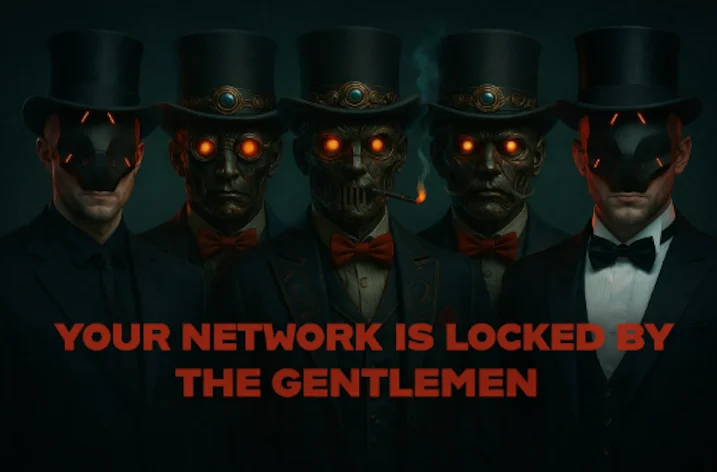
In the high-stakes, subterranean world of global cybercrime, few groups have ascended with the velocity of "The Gentlemen." Emerging as a formidable Ransomware-as-a-Service (RaaS) player in mid-2025, the group has rapidly carved out a reputation for ruthless efficiency and an aggressive business model that is currently upending the traditional economics of the digital extortion industry.
According to data from the security firm Check Point Software, The Gentlemen have established themselves as the second most prolific ransomware gang by victim count this year. Since their inception, they have claimed at least 332 confirmed victims, with a staggering 240 incidents recorded in 2026 alone. However, behind the polished brand and the high-yield affiliate programs lies a trail of breadcrumbs leading to an unlikely candidate: a corporate marketing executive residing in the heart of Russia.
The Economics of Disruption: An Aggressive RaaS Model
The Gentlemen’s rapid growth is no accident; it is the result of a calculated disruption of the cybercriminal marketplace. While the industry standard for RaaS operations typically sees developers keep 20 percent of a ransom payment, The Gentlemen have opted for a more aggressive 90/10 split in favor of the affiliate.
"A 90/10 affiliate revenue split is accelerating the group’s growth by attracting experienced operators from competing programs," researchers at Check Point noted in an April assessment. By incentivizing hackers to abandon established syndicates in favor of their platform, The Gentlemen have successfully poached top-tier talent, effectively turning the ransomware market into a talent war.
Technically, the group focuses on speed and stealth. Their primary attack vector involves targeting internet-facing devices, specifically VPNs and firewalls. Once they gain an initial foothold, the group moves with precision to escalate privileges and encrypt entire corporate networks within a matter of hours, minimizing the window for incident responders to intervene.
The Digital Fingerprint: Who is "Hastalamuerte"?
For months, cybersecurity researchers have been tracking the group’s primary administrator, a figure operating under the aliases "Zeta88" and "Hastalamuerte." Through an exhaustive analysis of backend infrastructure leaks—including internal chat logs and server configurations—investigators have linked this individual to the assembly of the group’s ransomware lockers, the management of their payment panels, and the oversight of their global affiliate network.
The hunt for the person behind these monikers involved a cross-referencing of years of data from threat intelligence firms like Intel 471, Flashpoint, and Constella Intelligence. The trail began with a series of registrations on various cybercrime forums, including Exploit, Breachforums, and the now-defunct Raidforums.
Chronology of an Identity
- 2019–2020: The individual behind "Hastalamuerte" begins appearing on low-level cybercrime forums, frequently displaying signs of a novice learning to use penetration testing tools. During this period, the user is seen participating in training programs, such as the Telegram-based
@pntstgroup, where they candidly documented their struggles with basic security tooling. - 2020: Registration on the forum Raidforums using the email
[email protected]. The inclusion of "1488" serves as a nod to white supremacist ideology, a common theme in certain corners of the Russian-language dark web. - 2022: The moniker "Zeta88" emerges on the English-language forum Breached, registered via an IP address traced to Izhevsk, Russia.
- 2025: The launch of The Gentlemen ransomware operation. The administrator registers on Breachforums, again utilizing an IP address located in Izhevsk.
- 2026: A massive leak of the group’s internal infrastructure allows researchers to definitively link the administrative accounts and communication channels to a singular, persistent persona.
The Corporate Mask: Alexander Yapaev
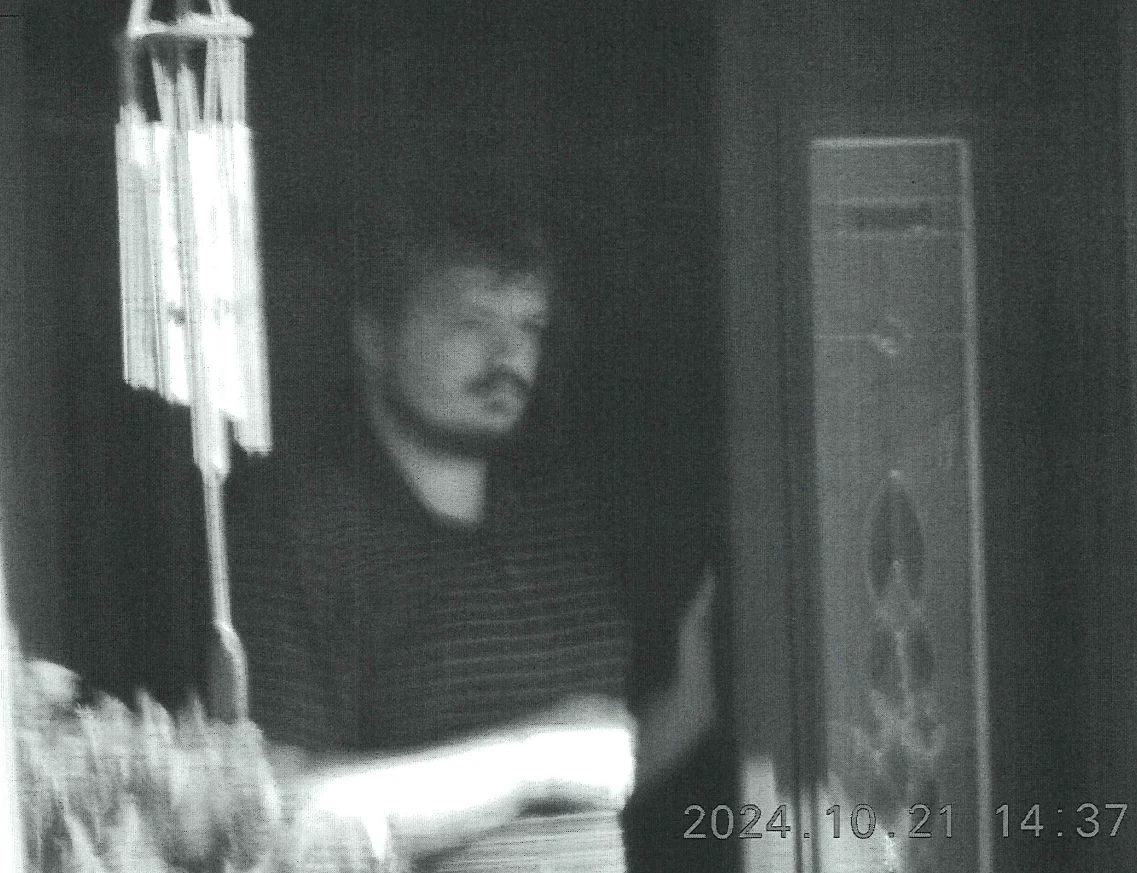
The most damning evidence links the digital activity of these accounts to 36-year-old Alexander Andreevich Yapaev. The connection was made through a convergence of technical indicators: phone numbers, email addresses, and shared social media aliases.
The email address [email protected], used by the administrator, was found to be linked to a LinkedIn profile for an Alexander Yapaev. The profile lists him as the head of B2B marketing for Uralenergo Udmurtia, a prominent supplier of electrical and lighting equipment in Russia. Further corroboration came from Constella Intelligence, which found that the phone number associated with the hastalamuerte18 Telegram ID (30907522) was registered to the same individual in leaked Russian government databases.
Additionally, the persona "4apaev" (a common phonetic shorthand for the surname "Chapaev" in Russian) was used by Yapaev across multiple platforms, including the Russian social media site Pikabu and the hacking forum Codeby. Despite multiple requests for comment sent to his professional and known personal contact points, Yapaev has maintained complete silence.
Supporting Data: The Evolution of a Threat
Recent analysis from the threat research group PRODAFT provides further confirmation of this attribution. PRODAFT’s report on "The Phantom Mantis" operation—an internal designation for The Gentlemen’s activities—notes with "high confidence" that the administrator is the same individual identified through previous intelligence efforts.
Crucially, PRODAFT discovered that the group is not merely relying on human talent; they are early adopters of generative AI. The administrator has been observed utilizing AI tools to streamline the development of their ransomware lockers and to assist with post-exploitation tasks, such as crafting custom scripts for network lateral movement. This technological leverage explains how a relatively small group has managed to sustain such a high volume of successful attacks.
Implications for Global Cybersecurity
The exposure of "The Gentlemen’s" administrator as a white-collar professional in Izhevsk highlights a recurring and troubling dynamic in the modern threat landscape: the "dual-life" cybercriminal.
The Regulatory Shield
Why do these individuals make so little effort to mask their identities? The answer lies in the geopolitical reality of the region. In Russia, cybercriminal activity is largely tolerated—or even co-opted—by state actors, provided that the targets remain outside of the Russian Federation. As long as these hackers do not attack domestic businesses, they exist in a state of "controlled impunity." They are effectively shielded from international law enforcement, rendering them comfortable enough to use their real-world identities for professional networking on platforms like LinkedIn.
Operational Security (OPSEC) Failures
While the geopolitical landscape provides a safety net, the primary reason for these exposures remains fundamental OPSEC failure. The transition from a low-skilled, learning-focused novice in 2019 to a sophisticated ransomware kingpin in 2026 was marked by the accumulation of digital "scars." Every forum post, every email registration, and every reused password acted as a brick in a wall of evidence that eventually collapsed around the actor.
The Gentlemen serve as a case study in the maturation of the RaaS model. By lowering the barriers to entry for affiliates and leveraging AI-driven tooling, they have created an efficient, scalable, and highly dangerous machine. However, the case also demonstrates that even the most well-funded and organized criminal enterprise is only as secure as its weakest link—in this instance, the ego and lack of operational hygiene of its primary administrator.
As organizations grapple with the increasing threat posed by The Gentlemen, the focus for defenders must shift. It is no longer enough to look for malicious code; security professionals must understand the infrastructure, the business models, and the personnel behind these attacks. The unmasking of Alexander Yapaev provides a roadmap for future investigations, proving that even in the digital shadows, the truth is often hidden in plain sight.